Why Umbrellas Get Their Own Plastic Sleeves in Japan: A Cultural Deep Dive
On this page
You step into a Japanese convenience store with a dripping umbrella. Before you can track water across the floor, a staff member gestures toward a tall metal stand dispensing long, transparent plastic sleeves.
The invisible contract of dry floors
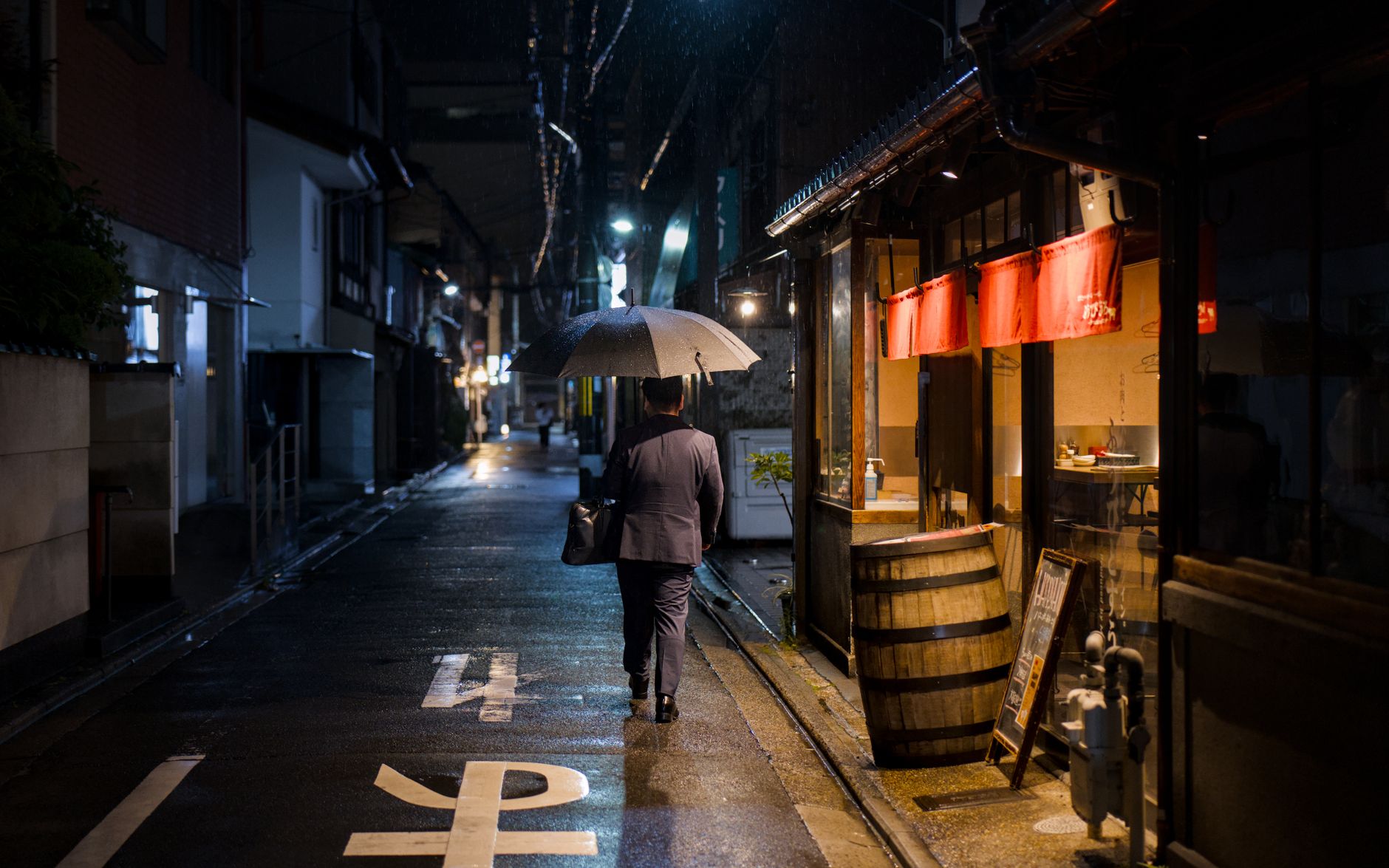
Walk into almost any shop, office building, or restaurant in Japan on a rainy day, and you'll encounter the same ritual: wet umbrellas get wrapped. The kasa bukuro (umbrella bag) isn't just about keeping floors dry—though that's the practical starting point. It's a small, telling example of how Japanese culture approaches the boundary between outside and inside, public and private, wet and dry.
The logic is beautifully simple. Rain belongs to the street. Once you cross a threshold, you've entered a space others share and maintain. Your umbrella, fresh from the weather, carries that outside world with it. The plastic sleeve contains it.
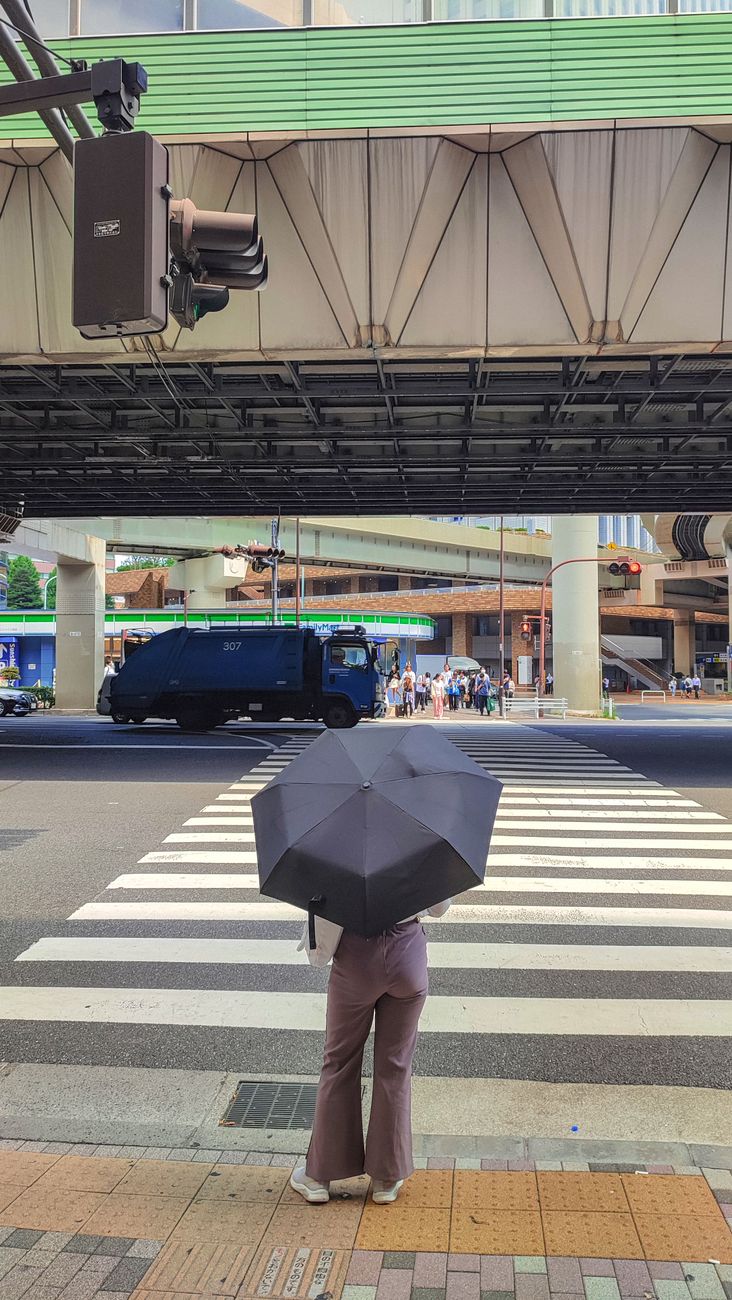
Consideration made visible
What strikes visitors most isn't the existence of umbrella sleeves—plenty of places worldwide have them—but their ubiquity. Corner stores. Department store entrances. Hospital lobbies. Even small family restaurants. The stands are often automatic, rolling out a fresh sleeve when you pull the previous one.
This isn't enforced by rules or scolding signs. It's simply offered, and people use them.
The cultural undercurrent runs deeper than mere tidiness. Japan's social fabric is woven with meiwaku o kakenai—the principle of not causing trouble for others. A wet umbrella pooling water near the shoe rack? That's someone else's problem you've created. The sleeve transforms a potential inconvenience into a non-issue.
The plastic sleeve is less about cleanliness than about the quiet act of not leaving a trace.
The architecture of wetness
Japanese buildings have long negotiated the relationship with rain. Traditional homes had genkan entryways—a lowered area where outdoor shoes stop and indoor slippers begin. Umbrellas stayed there too, in stands designed to catch drips. Temples and tea houses placed stone pathways and covered walkways to manage the journey from rain to shelter.
The plastic sleeve is a modern heir to this spatial thinking. It's a temporary genkan you carry with you, a mobile boundary that keeps the weather at arm's length until you can properly deal with it.
Some buildings provide umbrella lockers. Others have stands with locks. But the disposable sleeve remains most common—quick, hygienic, and requiring no retrieval logistics.
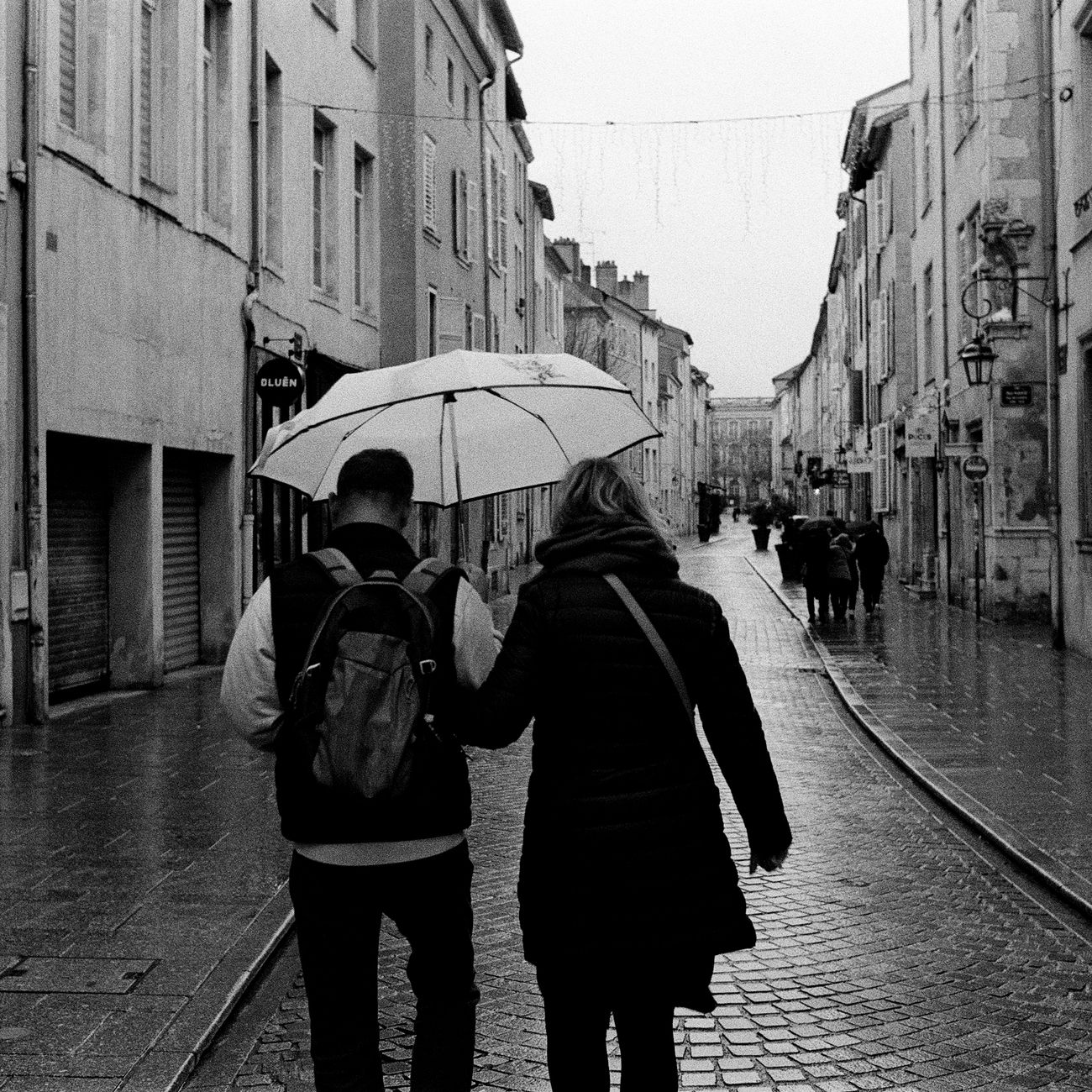
A small gesture's quiet power
There's something oddly meditative about sliding a wet umbrella into its plastic sheath. The act takes three seconds. You pull the sleeve from the dispenser, open it, slide the umbrella down, and perhaps tie the top if you're particular. It's a micro-ritual, barely noticed, but it sets a tone.
You've acknowledged the space. You've considered the next person who'll walk through. You've performed a tiny act of collective maintenance.
These sleeves cost businesses money—the dispensers, the plastic, the refilling. Yet they're everywhere, offered freely, because the alternative—tracked water, slippery floors, someone's fall, the apology, the disruption—costs more in a culture built on frictionless coexistence.
Watch carefully on your next rainy day in Japan. Notice who uses the sleeves (almost everyone) and who doesn't (almost no one). Notice that there's rarely a sign explaining what to do.
The umbrella already knows where it belongs.
FAQ
Chaware curates authentic Japanese crafts — straight from the makers in Japan to your table.
Explore the Chaware collection →