Why Hasami Ware Became Japan's Everyday Tableware
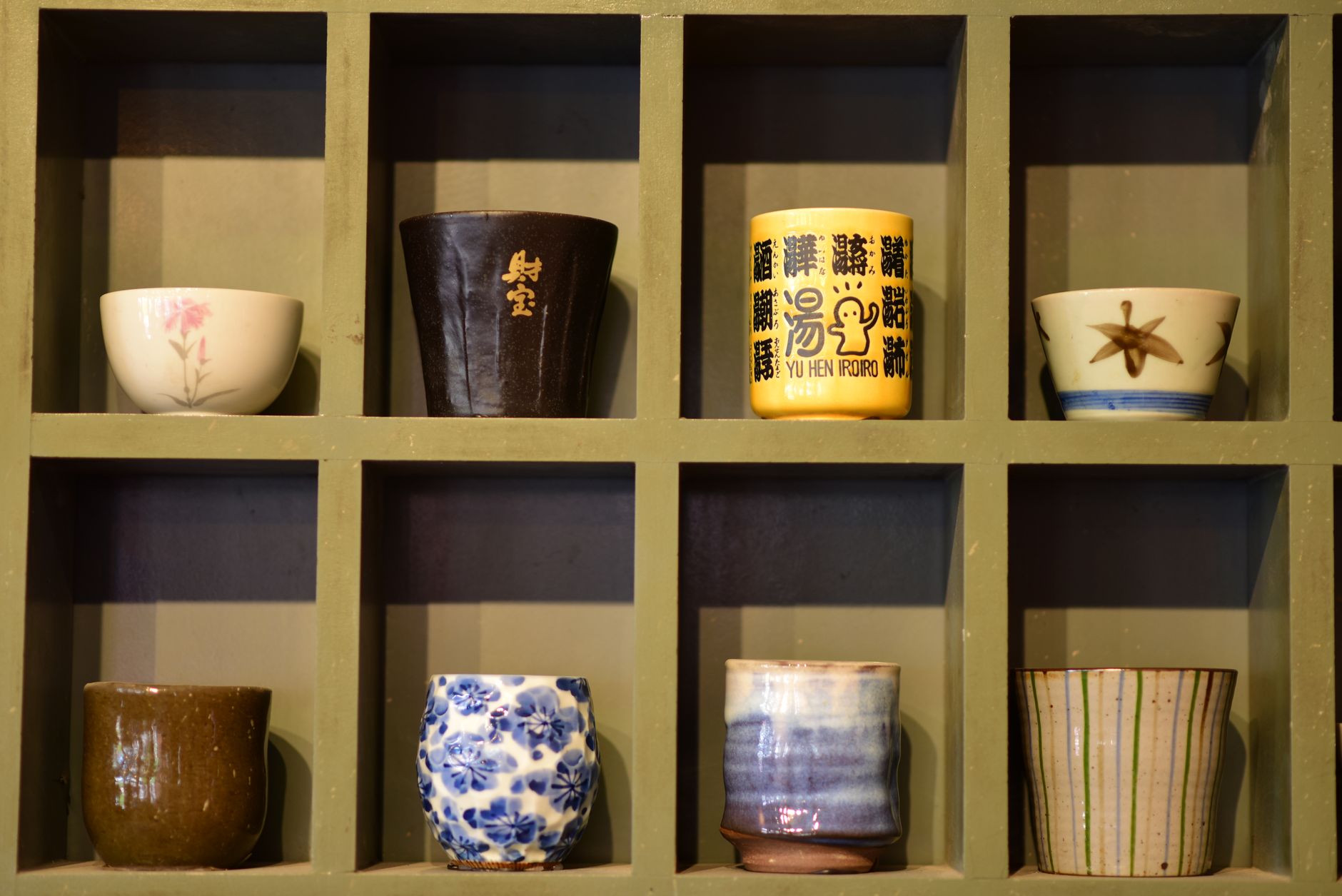
The rice bowl you reach for every morning might just be the most democratic object in your kitchen.
For over four hundred years, Hasami ware has quietly shaped the way Japan eats. Not through imperial patronage or tea ceremony prestige, but through something far more radical: affordability. While other pottery traditions courted aristocrats, Hasami set its sights on everyone else.
The geography of everyday
Hasami sits in Nagasaki Prefecture, wedged between mountain slopes thick with the right kind of clay and forests dense enough to fuel thousands of kilns. But geography alone doesn't explain why this small town became Japan's pottery workhorse.
The real advantage? Location near the port of Imari, where Dutch and Chinese traders anchored their ships. Hasami potters watched, learned, and adapted foreign production techniques with a singular goal: make more, faster, cheaper.
Stacking innovation
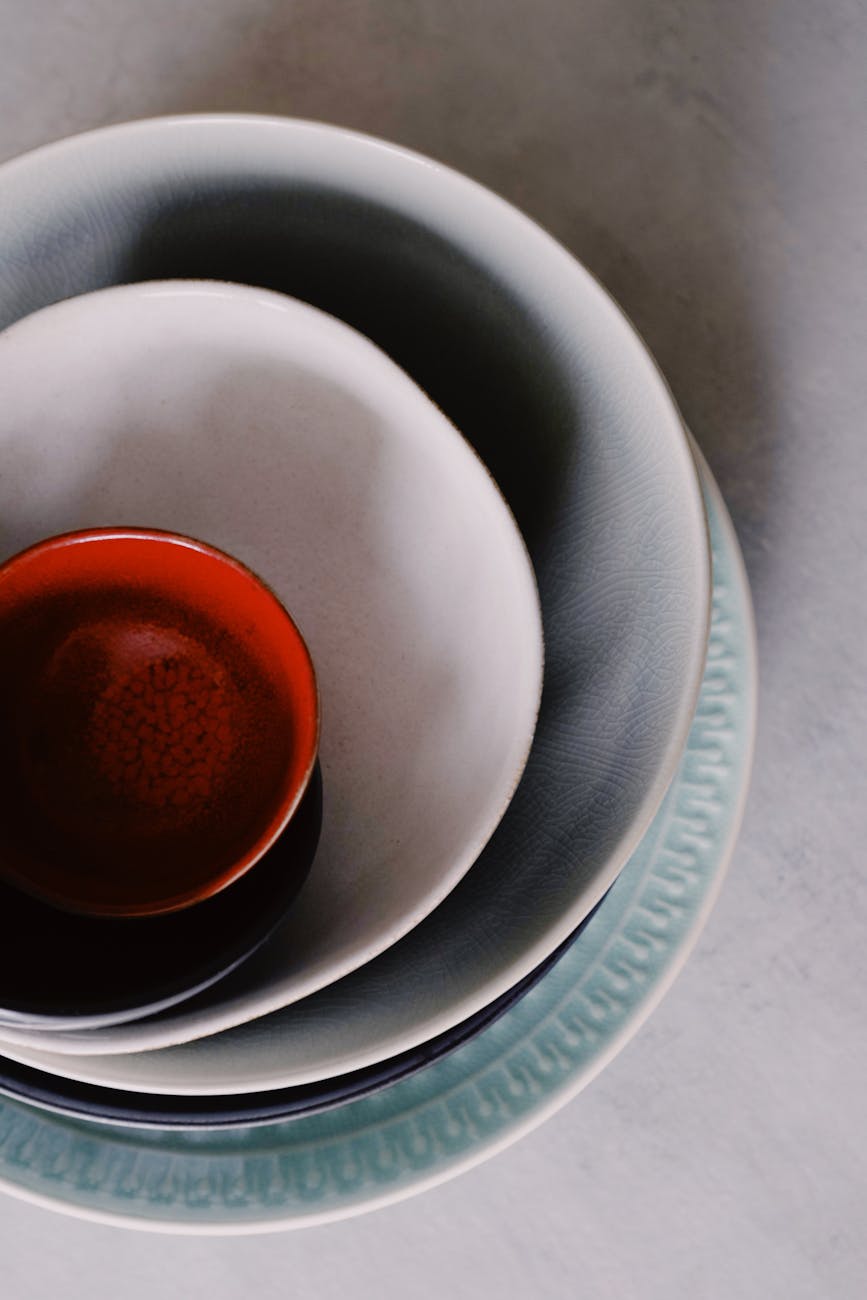
Walk through a traditional Hasami kiln site and you'll notice something odd—ceramic rings scattered everywhere like industrial donuts. These tochigatame (stacking rings) were Hasami's secret weapon.
By the 17th century, Hasami craftsmen perfected a stacking method that let them fire dozens of pieces simultaneously, each separated by these humble clay rings. One kiln firing could produce what once took ten. The math was simple: more bowls per firing meant lower prices. Lower prices meant farmers, merchants, and fishermen could finally afford ceramics that didn't crack after a season.
Hasami didn't chase perfection—it chased practicality, and in doing so, democratized the dinner table.
The pottery wasn't precious. It was sturdy, stackable, and honest. Exactly what everyday life required.
The white-and-blue revolution
When sometsuke (underglaze blue painting) techniques arrived from China and Korea, Hasami potters saw opportunity, not art. They streamlined the designs—simple stripes, dots, and geometric patterns that could be painted quickly by less specialized hands.
This wasn't about cutting corners. It was about understanding their audience. A farming family didn't need a landscape painting on their soup bowl. They needed something beautiful enough to lift their meal, durable enough to survive children, affordable enough to replace.
Hasami delivered all three.
Modern echoes
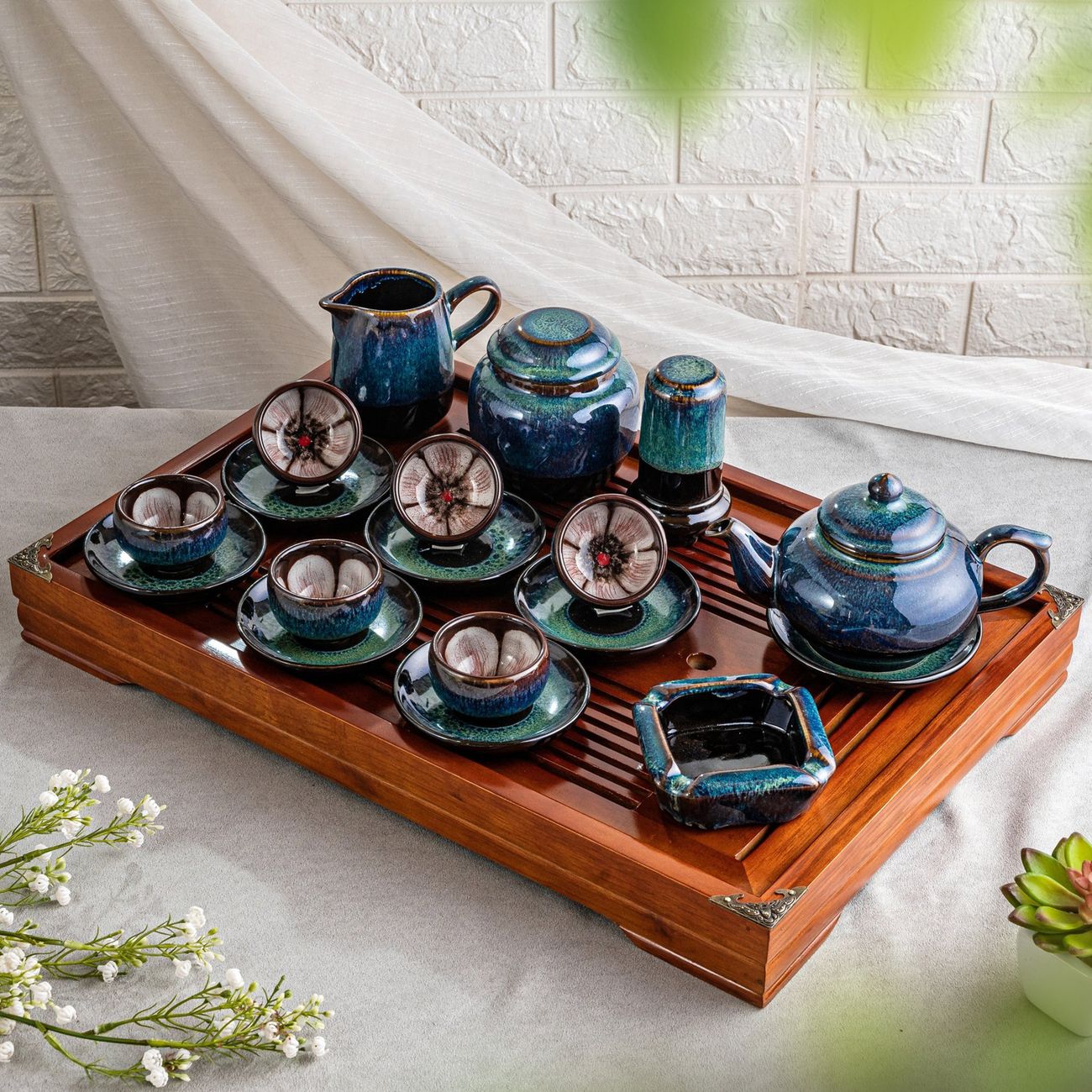
Today, that same utilitarian spirit pulses through contemporary Hasami design. The clean lines, modular stacking, neutral palettes—these aren't trends imported from Scandinavia. They're four centuries of refinement distilled into form.
The best Hasami ware still feels like it was made for your hand specifically:
- Weight balanced for daily lifting
- Edges thick enough to resist chipping
- Glazes that soften rather than shout
Modern designers collaborate with Hasami kilns not despite their everyday origins, but because of them. There's wisdom embedded in pottery designed to be used, not displayed.
The bowls we inherit
Hasami ware never needed to announce itself. It simply showed up—at breakfast tables, in lunch boxes, at festival food stalls. Generation after generation reached for these vessels without thinking about craft or heritage.
That's the paradox: the pottery that became most invisible became most essential.
Stand in your kitchen tonight and notice which bowl your hand moves toward automatically. Chances are decent it carries Hasami's DNA—sturdy, stackable, designed for the beautiful monotony of daily ritual. Not every object needs to be an heirloom to matter.
Some things earn their place by simply refusing to break.
FAQ
Chaware curates authentic Japanese crafts — straight from the makers in Japan to your table.
Explore the Chaware collection →