How Edo Kiriko Is Made: The Traditional Japanese Glass Cutting Process
On this page
A single tumbler can bear two hundred cuts, each one deliberate, each one unforgiving.
Welcome to the world of Edo kiriko, where glass becomes geometry and every facet is a small act of faith. This isn't factory work. It's a conversation between hand, wheel, and transparency—one that's been unfolding in Tokyo workshops since the 1830s, when a merchant named Kagaya Kyubei first pressed imported glass against a spinning stone and changed everything.
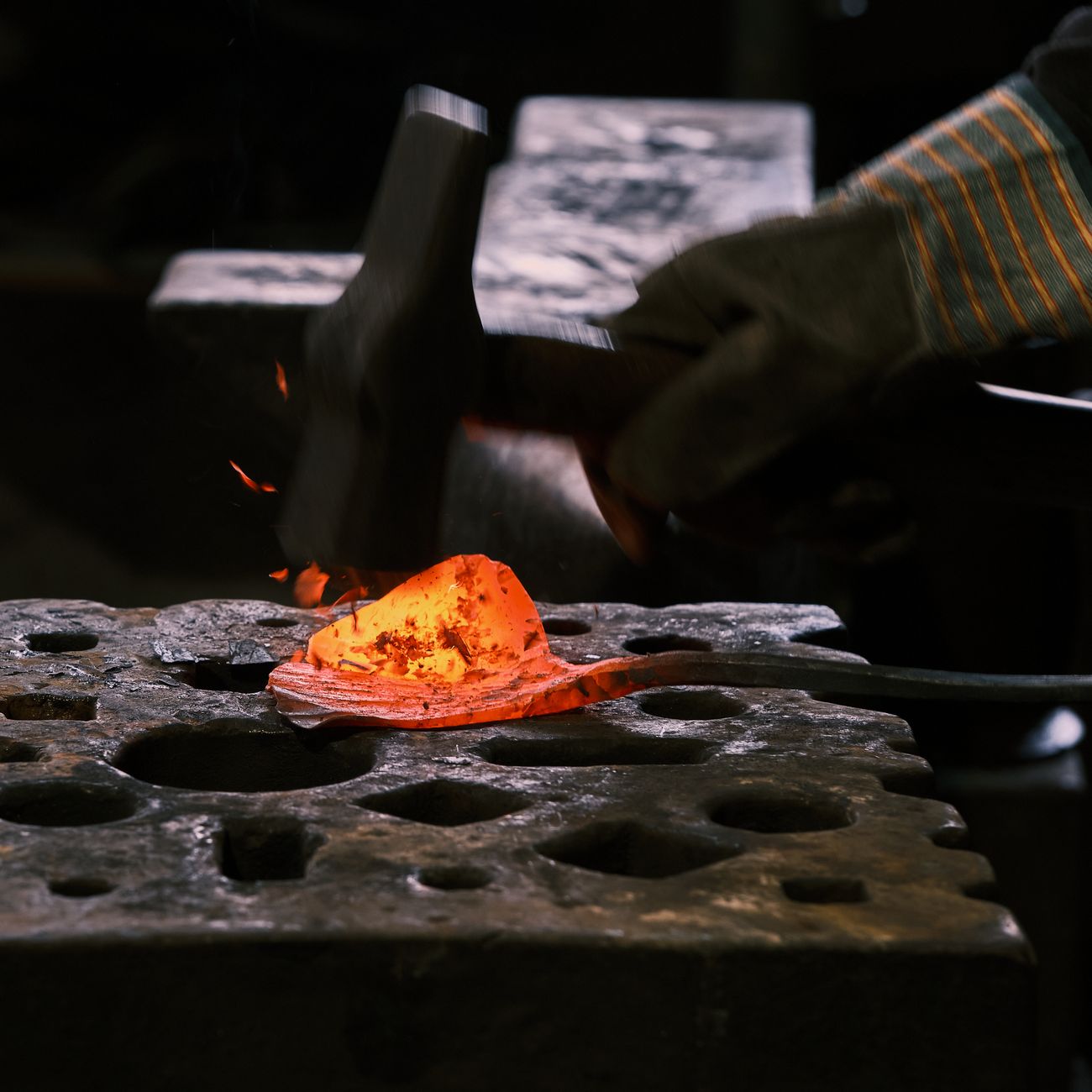
The glass comes first, hot and honest
Before any cutting begins, there's the blank—the kiriko-ji, or base glass. Traditional Edo kiriko uses iro-kiriko, colored glass layered over clear: cobalt blue, amber, ruby red. The color sits on the surface like a skin, waiting to be peeled back in patterns.
Craftsmen don't make this glass themselves anymore. It arrives from specialized glassworks, already shaped into cups, sake vessels, bowls. What matters now is what will be taken away.
Marking the surface: where trust meets geometry
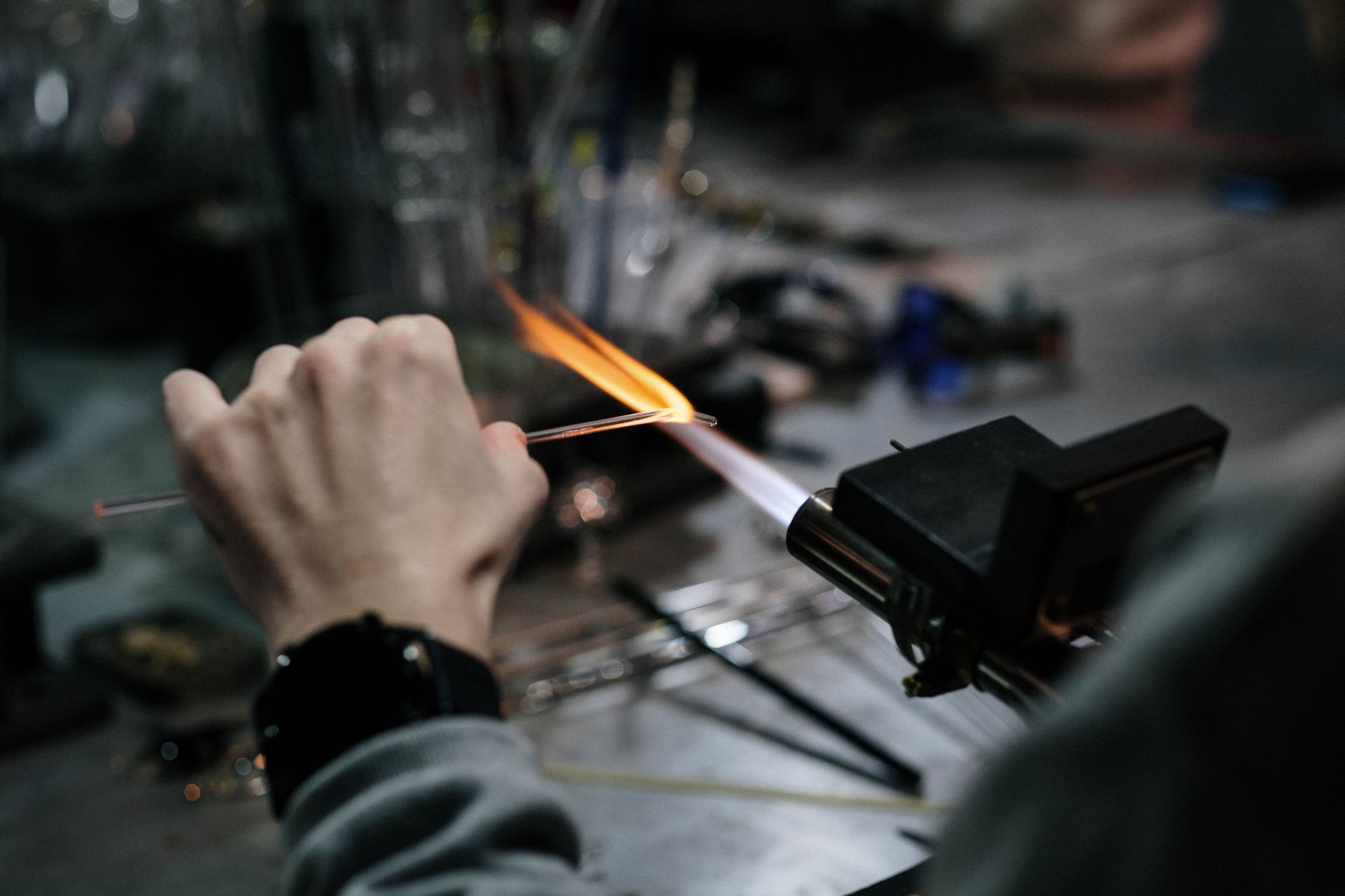
The artisan begins with a grease pencil, sketching guidelines directly onto the glass. Circles, diamonds, radiating lines—templates passed down through generations, though the best cutters work freehand after decades of practice. There's no room for hesitation here.
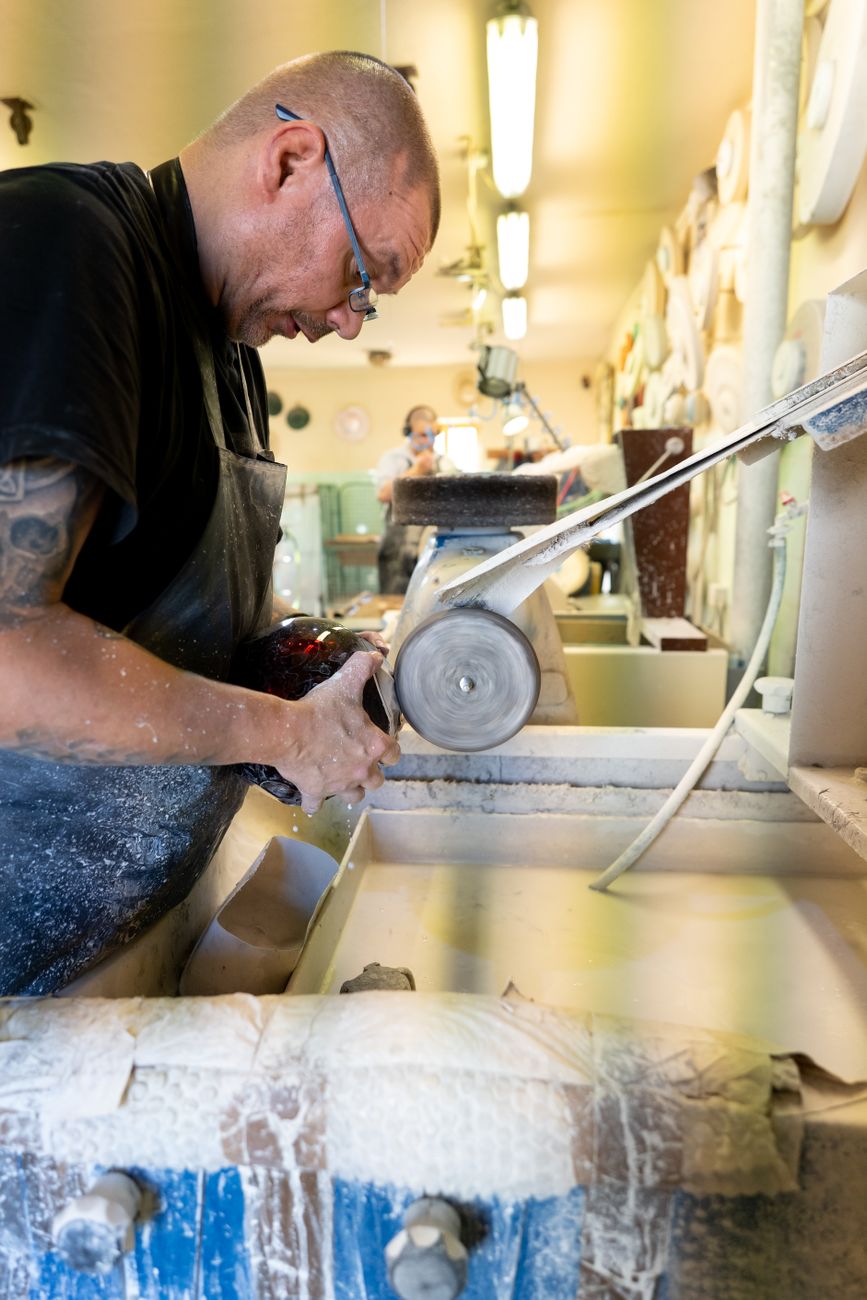
Once marked, the glass meets the first wheel: a rough, vertical grinding stone spinning at speed, cooled by a constant trickle of water. The cutter holds the glass at precise angles, carving the primary grooves—arazuri, the rough cutting. Pressure, angle, duration: all are felt, not measured.
In Edo kiriko, you don't decorate the glass—you reveal what was always waiting inside it.
The dance of the wheels
After the rough cuts comes refinement. The glass moves through progressively finer wheels—stone, then diamond-coated metal discs of decreasing grit. Each pass smooths the facets, sharpens the edges where color meets clarity.
This is where patterns emerge in full: nanako (fish roe), yarai (bamboo fence), kikutsunagi (linked chrysanthemums). Each cut removes the outer colored layer, exposing the clear glass beneath. Light enters these windows differently, bending and fracturing. The glass begins to breathe.
Some workshops use ten different wheels. The cutter's hands stay wet, the glass constantly rinsed. One slip, one moment of excess pressure, and the piece shatters. There are no second chances.
Polishing toward light
The final stage is migaki—polishing. Wooden wheels dressed with fine abrasive compounds buff each facet until it gleams. Some artisans finish with cork wheels and cerium oxide, working the surface to optical clarity.
What emerges isn't smooth like modern pressed glass. Run your finger over authentic Edo kiriko and you'll feel the edges, the slight irregularities where human hands made choices. The facets catch light at unexpected angles. Pour whiskey into a cut glass and watch how the liquid refracts through geometry, amber splitting into constellations.
The entire process, start to finish, can take anywhere from several hours to several days for a single piece. No two are identical. The cutter's hand pressure varies by microns. The wheel's surface changes with each pass.
What remains
Walk through Koto Ward in eastern Tokyo today and you'll still find workshops where the sound of grinding glass hums beneath the city noise. Artisans in their seventies work beside apprentices in their twenties, hands moving through the same motions, making the same small negotiations with transparency.
They're not making drinkware. They're making light hold still.
FAQ
Chaware curates authentic Japanese crafts — straight from the makers in Japan to your table.
Explore the Chaware collection →