How Edo Kiriko Is Made: The Traditional Japanese Glass Cutting Process
On this page
A glass tumbler catches the light, and suddenly the room fractures into a kaleidoscope of stars. This is Edo kiriko — and every one of those geometric patterns was carved by hand.
The blank canvas arrives molten
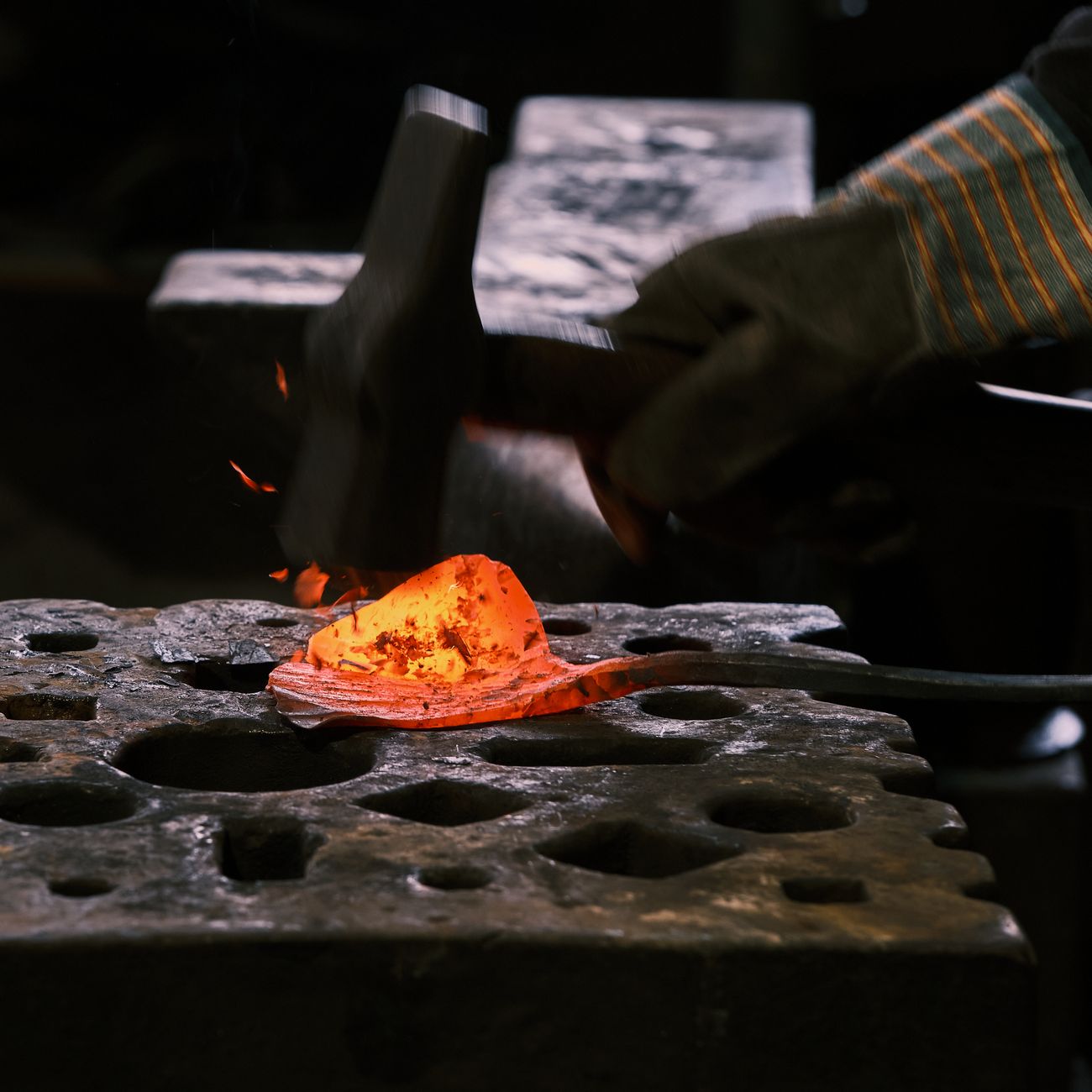
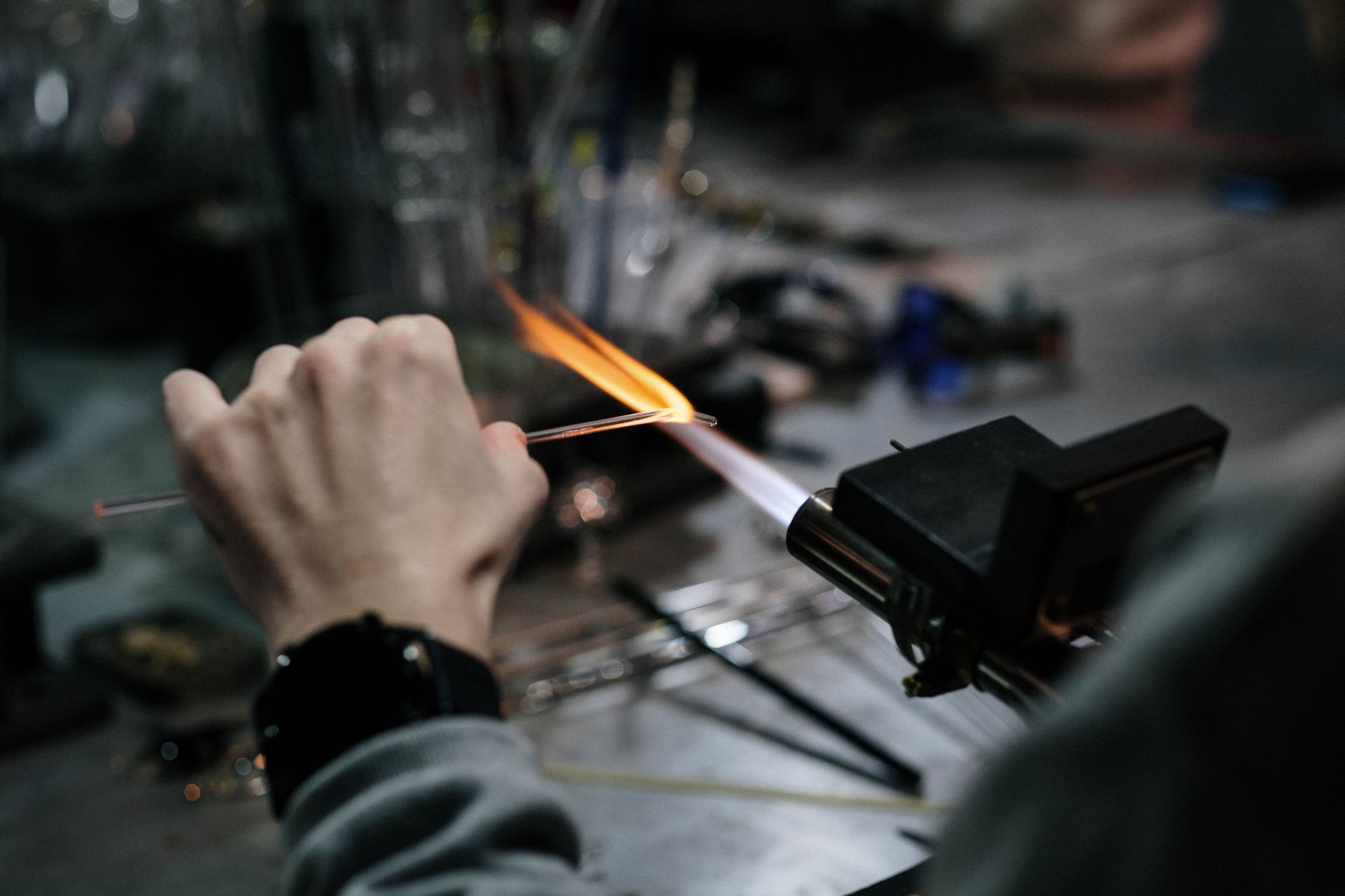
The process begins not with cutting, but with fire. Glassblowers in Tokyo's Sumida and Koto wards shape molten glass into thick-walled vessels — tumblers, sake cups, bowls. The walls must be substantial, sometimes 3-4 millimeters thick, because what comes next will carve away nearly half the glass.
This blank form, called kiji, cools to become the craftsman's canvas. Often it's layered: a core of clear glass wrapped in a thin colored skin — cobalt blue, amber, crimson. When cut, this reveals the contrast that makes kiriko shimmer.
Ten wheels, ten different stories
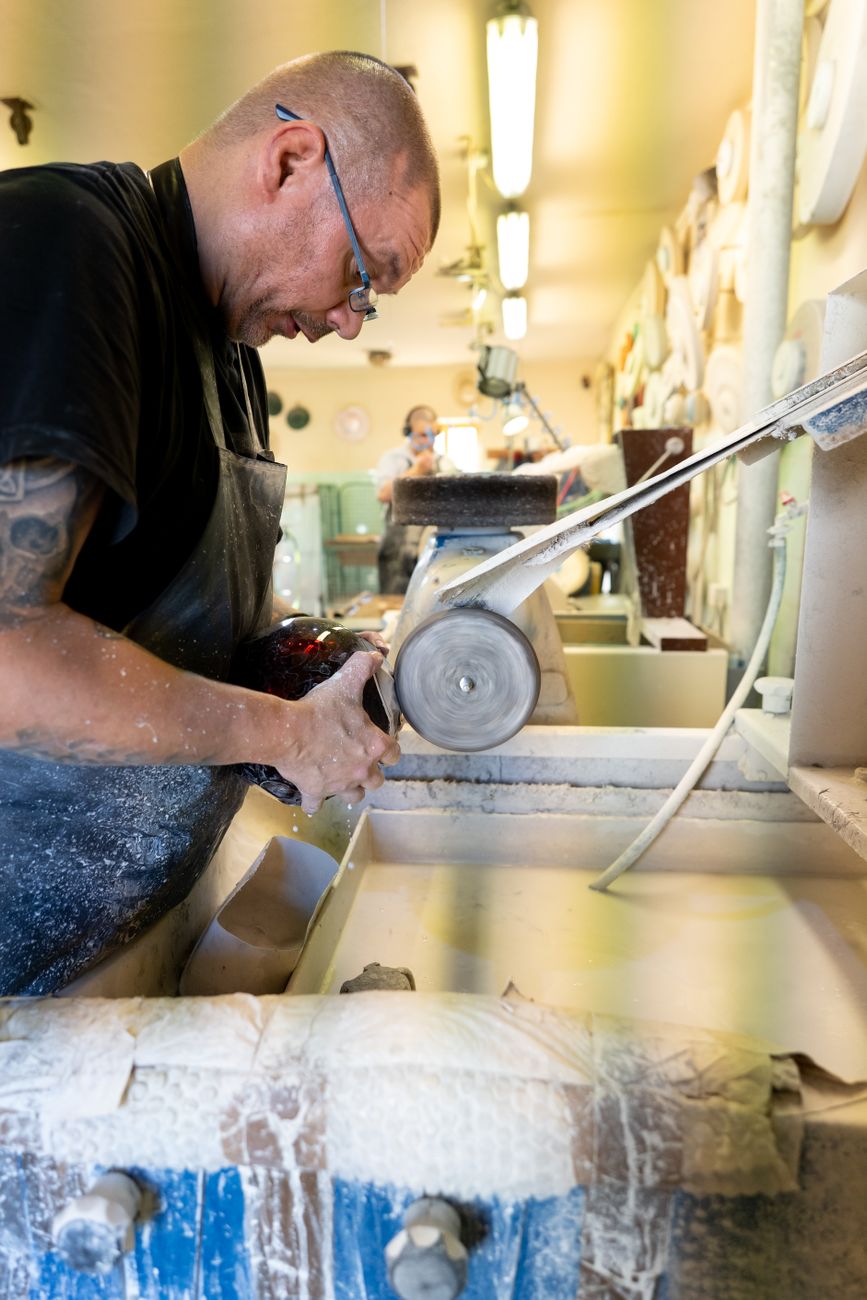
The heart of Edo kiriko is the kiriko-dai, a specialized grinding wheel station. A craftsman will have ten or more wheels at arm's reach, each a different grit and diameter. Coarse wheels for the first bold cuts. Fine wheels for smoothing. Tiny wheels for threading delicate lines between patterns.
There are no stencils. No laser guides.
The artisan holds the glass freehand against the spinning stone wheel, water streaming over the contact point to cool the friction. The angle of the wrist, the pressure of the fingertips, the tilt of the glass — all of this determines whether the cut will be crisp or wavering. One moment of distraction and a month's work shatters.
The wheel doesn't carve the pattern — the craftsman's hands do, reading the glass like braille.
Geometry that breathes
Traditional Edo kiriko patterns have names that echo the natural world. Nanako (fish roe) — tiny raised dots that catch light like caviar. Hishi (diamond) — intersecting diagonal cuts forming an endless lattice. Kikutsunagi (linked chrysanthemums) — curves that shouldn't be possible on a rotating wheel, yet somehow are.
Each pattern requires a different sequence of cuts, built up in layers. The craftsman works from large gestures to fine detail:
- First pass: deep grooves that establish the skeleton of the design
- Second pass: intermediate cuts that create dimension and rhythm
- Final pass: delicate surface work that brings the pattern to life
The glass grows lighter in the hand with each pass. What began thick and solid becomes almost weightless, the walls thinned to translucence.
The polish that reveals
After cutting comes the transformation most people never see. The frosted white surface left by the grinding wheel holds no magic yet. The craftsman moves to progressively finer polishing wheels — first cork, then wood, then felt — each loaded with different compounds. Cerium oxide for the final pass.
Slowly, the cloudiness clears. The cuts deepen from matte to glossy. The colored layer and clear glass begin their conversation with light. What was opaque becomes a prism.
This is when the craftsman knows if the piece lives or dies. A cut too shallow disappears. A cut too deep creates a dead spot that swallows light instead of refracting it. The margin between brilliance and failure is measured in fractions of a millimeter.
Light trapped in geometry
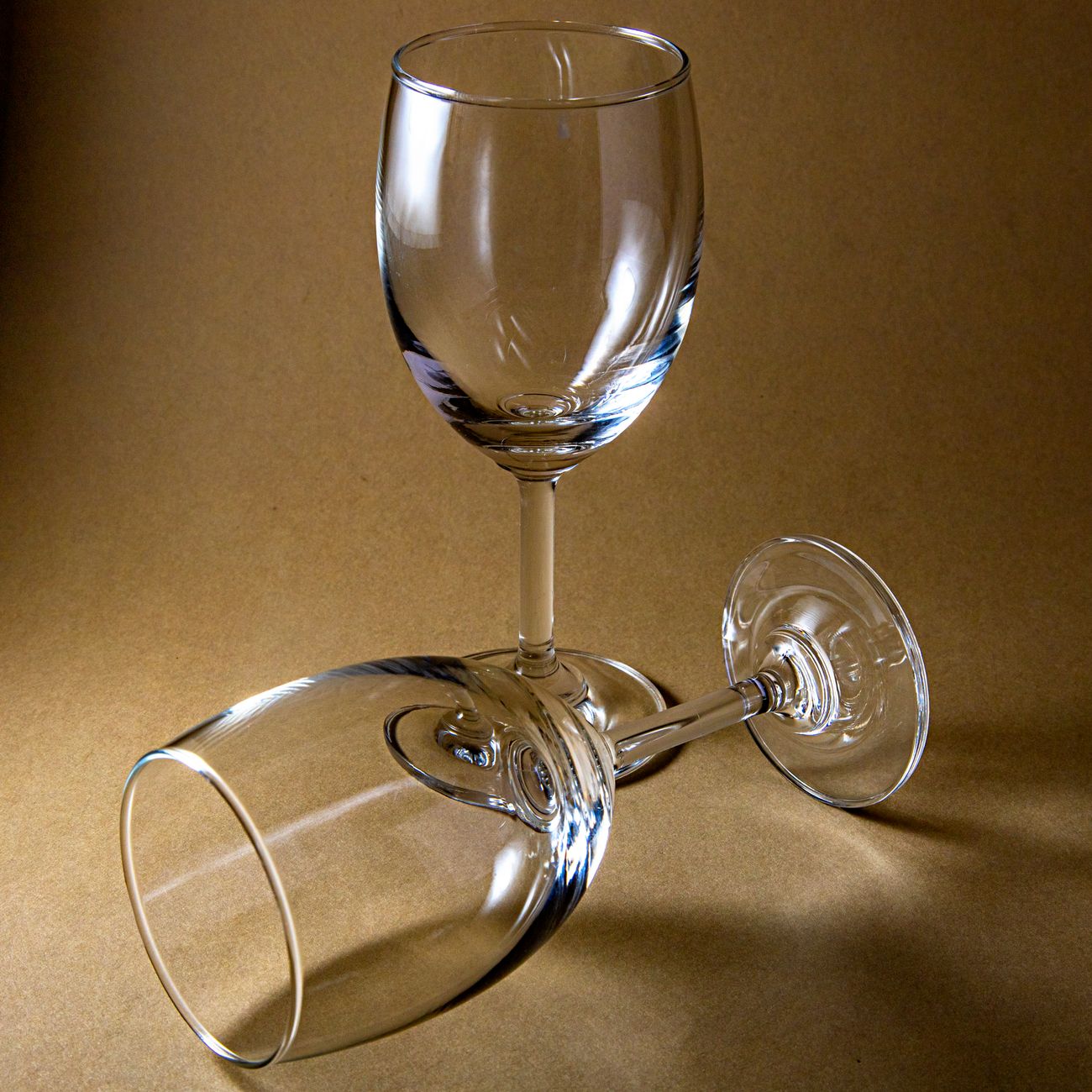
The finished piece weighs almost nothing — all that grinding has pared it to its essential form. But fill it with water or whiskey and watch what happens. The liquid magnifies the cuts, and suddenly each facet becomes a lens. The geometric patterns aren't just decoration. They're architecture for light itself, designed to fracture and multiply every photon that enters.
Hold an Edo kiriko glass to the window at sunset, and you're holding a hundred years of muscle memory made visible.
FAQ
Chaware curates authentic Japanese crafts — straight from the makers in Japan to your table.
Explore the Chaware collection →