Exploring The World Of Japanese Bamboo Crafts: A Beginner's Guide
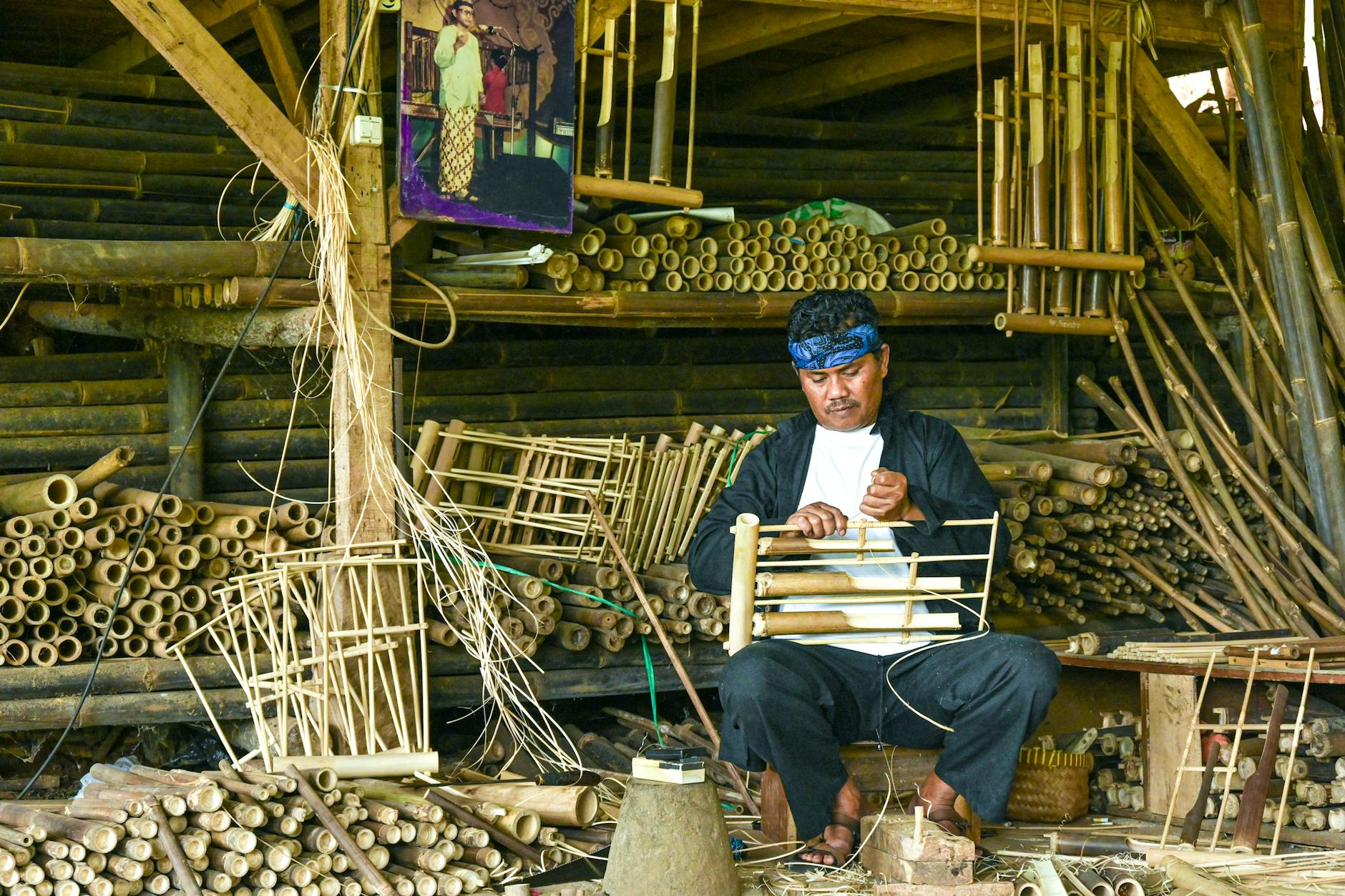
A single strand of bamboo, split and woven with nothing but human hands, can hold water, rice, or centuries of tradition.
The grass that became an empire
Bamboo isn't technically a tree—it's a grass. But in Japan, this fast-growing plant became the backbone of daily life for over a thousand years. Take (bamboo) grows straight, splits clean along its fibers, and bends without breaking. These qualities made it indispensable. Before plastic, before metal became cheap, bamboo was everywhere: baskets for harvesting tea, fish traps in rivers, fences around temples, even the scaffolding that built castles.
The craft of takezaiku (bamboo craftsmanship) emerged not from luxury, but from necessity. Farmers needed containers. Monks needed tea whisks. Merchants needed sturdy baskets to transport goods. What began as utilitarian problem-solving evolved into an art form so refined that a single basket could take months to complete.
Hands that know before they think
Walk into a bamboo workshop and you'll hear it before you see it—the sharp tak-tak-tak of a blade against culm, the whisper of fibers separating. A master craftsman can split a length of bamboo into strips thinner than spaghetti, each one uniform, each one flexed and tested between fingers that have memorized tension.
Kagome-ami, the traditional hexagonal weave pattern, requires no measuring tools. The artisan's hands simply know. The rhythm becomes meditative: over, under, pull, adjust. One wrong tension and the entire basket warps. There's no undoing, no correcting—only starting over.
In bamboo weaving, the material teaches you patience before it teaches you beauty.
The varieties of weave patterns number in the dozens. Yotsume-ami creates square openings. Ajiro-ami produces a herringbone that catches light. Mutsume-ami forms delicate triangles. Each pattern serves a purpose—looser weaves for ventilation, tighter ones for holding grain, decorative patterns for tea ceremony utensils.
From forest to form in a single season
Unlike pottery that requires specific clay deposits, or textiles dependent on rare silkworms, bamboo crafts begin with what grows abundantly. But abundance doesn't mean simplicity. The bamboo must be harvested in winter when sap is low. It's dried for months, sometimes years. The outer skin is removed, the nodes smoothed, the culm split according to intended use.
Madake (timber bamboo) is prized for its strength and straight grain—ideal for structural baskets and flower containers. Hachiku bends more willingly, perfect for curved forms. Susudake, bamboo aged for decades in the smoke of traditional thatched roofs, turns a deep amber and becomes a collector's material.
The craftsman must understand not just technique, but botany, climate, timing. Which grove produces the straightest culms. When the autumn rains make splitting easier. How humidity affects flexibility.
What survives when plastic arrives
Today, bamboo crafts occupy a strange space. Supermarkets sell plastic baskets for a few dollars. A handwoven bamboo zaru (strainer basket) might cost a hundred times more and require occasional maintenance. Yet the craft persists, carried forward by artisans who learned from masters, who learned from their masters.
Some workshops now create contemporary sculptures—bamboo installations that fill gallery spaces with organic geometry. Others maintain the old forms precisely because modernity tried to erase them. The tea ceremony still demands its bamboo ladles and whisks. Ikebana masters still seek the perfect hanakago (flower basket) to complement their arrangements.
The grass that bent but never broke continues to bend, continues to hold what we give it.
FAQ
Chaware curates authentic Japanese crafts — straight from the makers in Japan to your table.
Explore the Chaware collection →