What Is Furoshiki? The Art of Japanese Fabric Wrapping
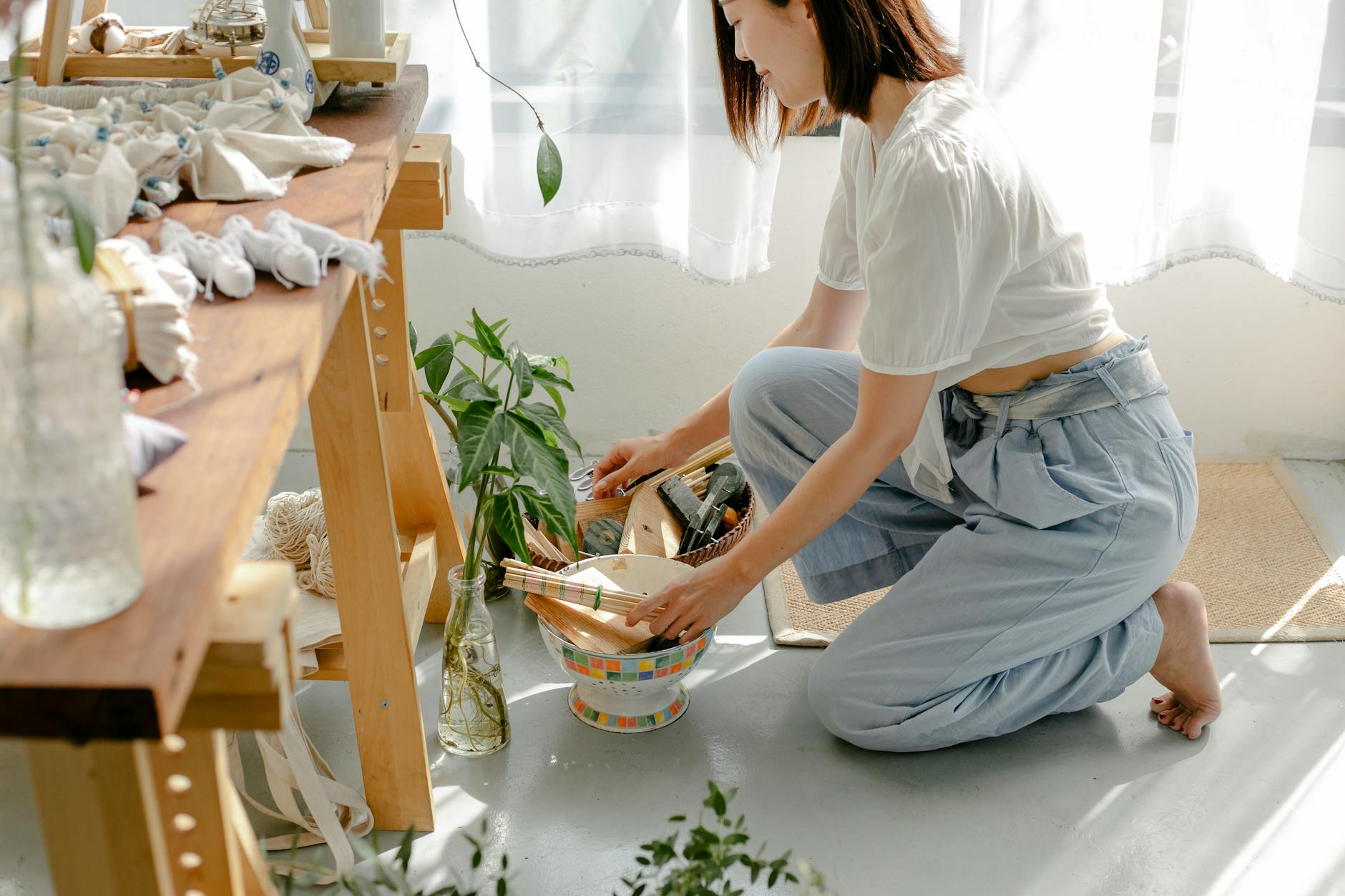
A square of cloth saves the planet one wrap at a time.
That's the quiet promise of furoshiki — Japan's ancient art of fabric wrapping that turns a simple textile into a carrier, a gift wrap, a tote, even a decorative statement. No tape. No waste. Just a few folds and a knot.
The cloth that does everything
Furoshiki literally means "bath spread" (furo = bath, shiki = spread), a name born centuries ago when people wrapped their clothes at public bathhouses. But its function quickly outgrew the steam room. By the Edo period, merchants used furoshiki to transport goods through bustling market streets. Families wrapped wedding gifts. Travelers bundled their belongings for long journeys on foot.
What makes furoshiki remarkable isn't just versatility — it's intention. Each fold respects the object inside. Each knot can be untied and the cloth reused, again and again, for years.
A shape-shifter in your hands
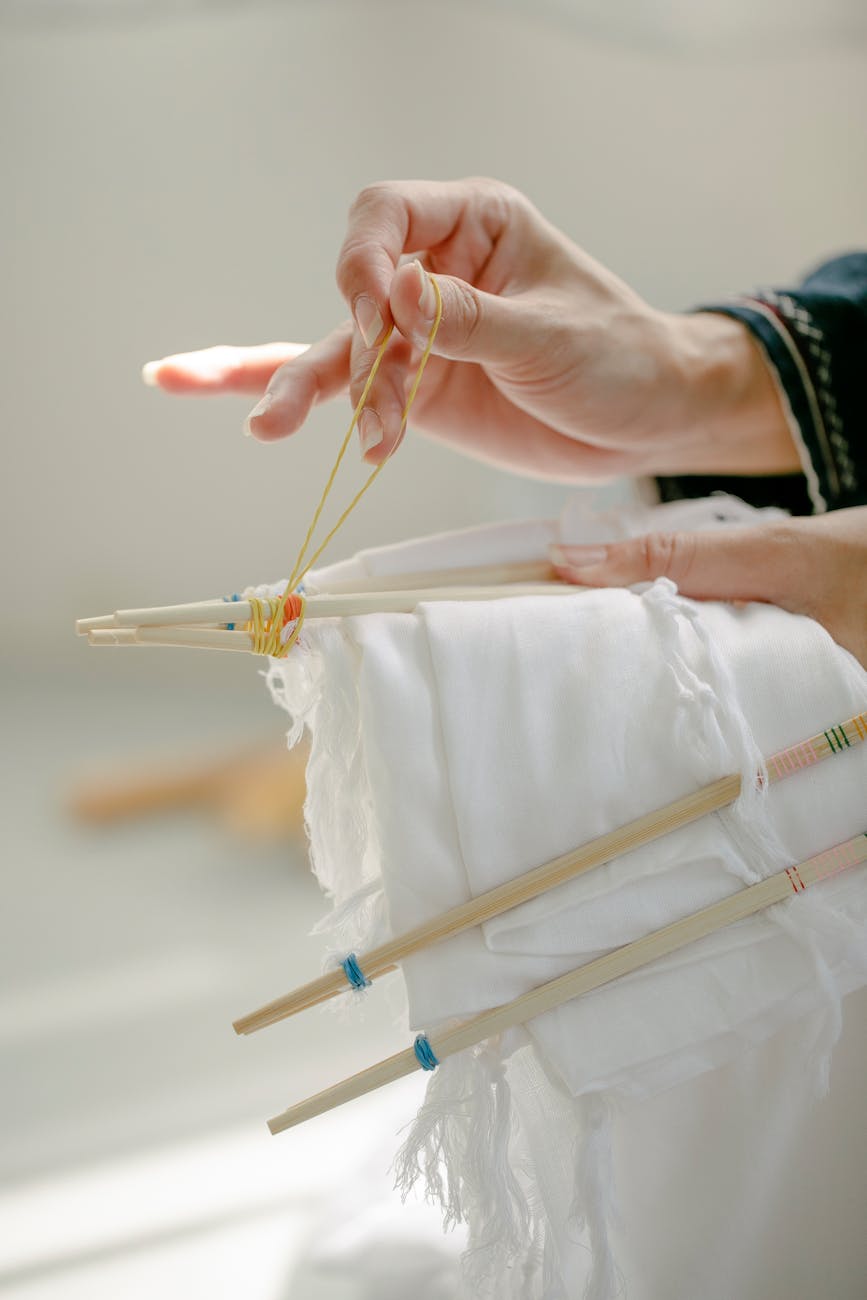
Hold a furoshiki square and you're holding potential. Bottles, books, bento boxes, bouquets — the cloth adapts. A watermelon becomes easy to carry with a simple basket wrap. Two wine bottles nestle securely side-by-side with an elegant twist knot at the top. Odd-shaped gifts that would defeat even the most patient gift-wrapper surrender gracefully to fabric.
The technique requires no special skill, just a willingness to learn a few basic folds. Some wraps use a single knot. Others involve pleating corners or creating handles by tying opposite ends together.
Furoshiki doesn't hide imperfection — it embraces the shape of what's inside.
Patterns that speak
Walk into a Japanese home and you might spot furoshiki in daily rotation: floral prints for spring picnics, indigo geometrics for formal gifts, playful motifs for children's lunch bundles. The fabric itself carries meaning. Chirimen crepe silk whispers luxury. Cotton feels honest and practical. Reversible designs offer choice depending on mood or occasion.
Traditional patterns aren't arbitrary. Cranes symbolize longevity. Plum blossoms suggest perseverance. Even the color palette follows seasonal awareness — soft pastels for spring, deep purples for autumn's arrival.
Modern designers have embraced furoshiki too, creating bold graphics and contemporary colorways while honoring the traditional square format. The cloth becomes both functional object and artistic expression.
Why it matters now
In an age of disposable everything, furoshiki feels almost radical. No ribbon ends up in landfills. No glossy paper gets torn and tossed. The wrap becomes part of the gift itself — something beautiful to keep and use, not discard.
Japanese department stores have revived furoshiki stations where staff demonstrate wrapping techniques. Environmental movements worldwide have adopted the practice as elegant zero-waste solutions. It's not about nostalgia. It's about recognizing that sometimes the old way was simply better designed.
The beauty is this: you don't need to be Japanese to appreciate the logic of furoshiki. You just need a square of cloth and something worth carrying with care.
That piece of fabric in your hands? It's been solving problems for centuries, one thoughtful fold at a time.
FAQ
Chaware curates authentic Japanese crafts — straight from the makers in Japan to your table.
Explore the Chaware collection →