Kintsugi at Home: A Beginner's Guide to the Japanese Art of Golden Repair
A broken bowl doesn't have to be the end of the story. In Japan, it can be the beginning of something more beautiful.
Kintsugi—the centuries-old art of mending pottery with lacquer dusted or mixed with powdered gold—transforms cracks into features, accidents into intention. The philosophy is simple: breakage and repair are part of an object's history, not something to disguise. But can you actually practice this at home, or does it require years of apprenticeship and arcane materials? The answer might surprise you.
What kintsugi actually is (and isn't)
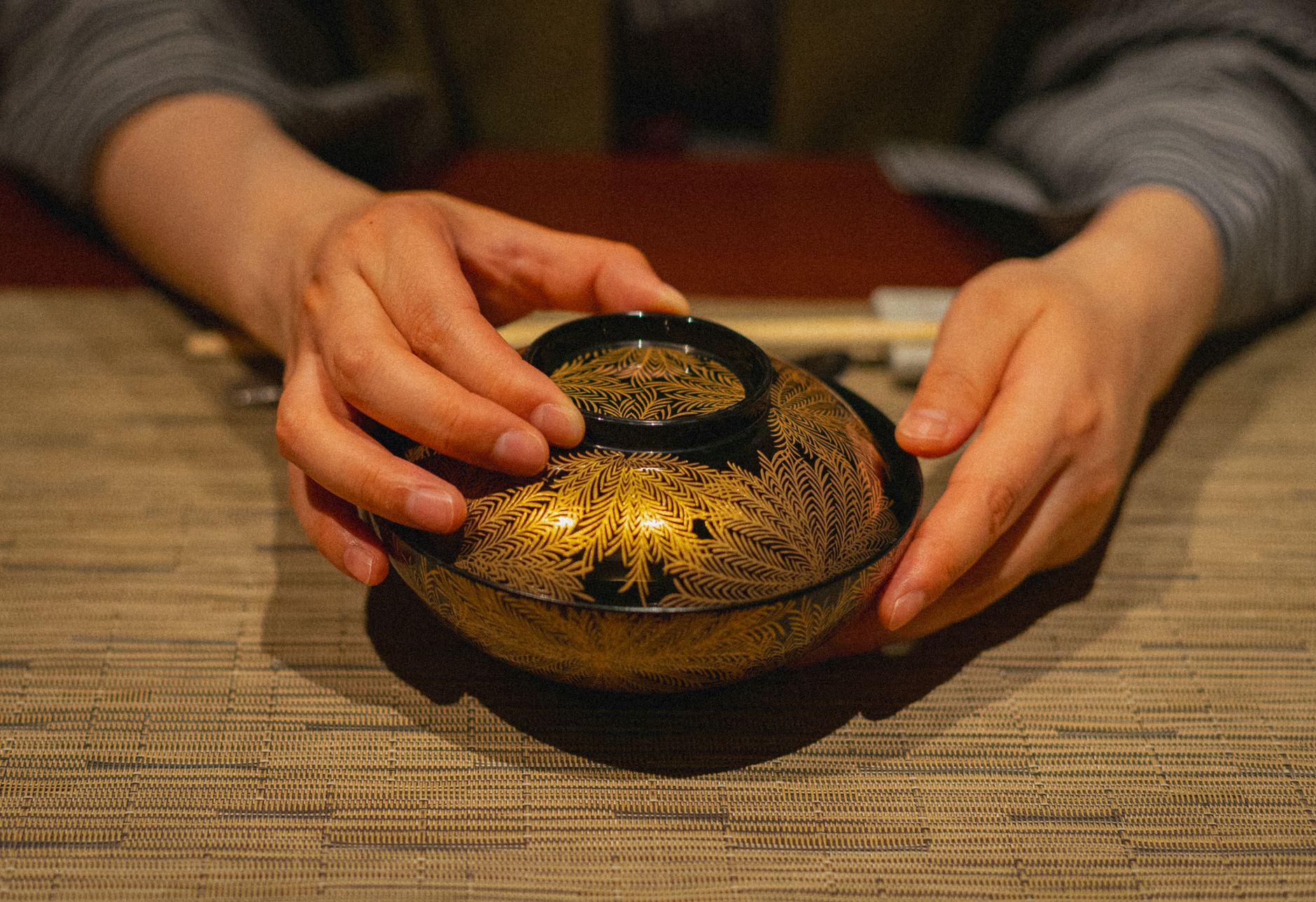
True traditional kintsugi uses urushi, the sap of the lacquer tree, which takes weeks to cure and can cause skin reactions if mishandled. Artisans layer it carefully, then apply gold powder while the lacquer is still tacky. It's slow. It's exacting. It demands patience.
Most kintsugi kits designed for home use take a different approach. They use modern adhesives—epoxy resins or food-safe glues—mixed with mica powder or gold-toned pigment to mimic the look. Purists will tell you it's not "real" kintsugi. And they're right, technically. But for someone wanting to repair a cherished mug or explore the meditative practice of mending, these kits offer an honest entry point.
The question isn't whether it's authentic. It's whether the act itself—slowing down, honoring what's broken, choosing repair over replacement—carries meaning for you.
What you'll actually need
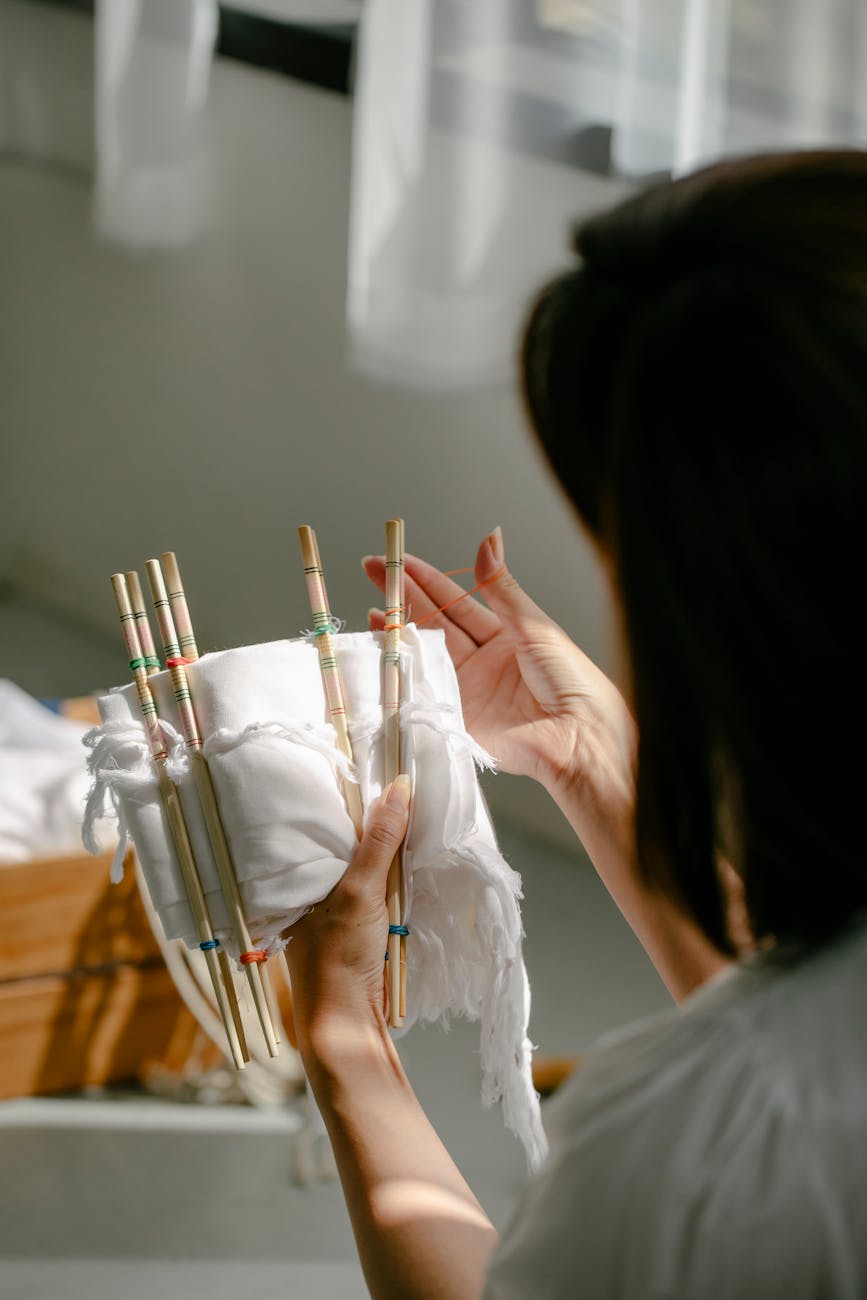
A basic home kintsugi setup is surprisingly minimal. You need a two-part epoxy or specialized kintsugi adhesive, metallic powder (gold, silver, or bronze-toned), a fine brush or toothpick for application, and something to mix on. Painter's tape helps hold pieces in position while the adhesive sets.
The broken ceramic itself matters. Clean breaks with large fragments are easiest for beginners. Shattered pieces or items with missing shards become exponentially harder. Start with something simple—a plate with two or three pieces, not a teacup blown into twenty fragments.
Kintsugi teaches you to see the crack as the most honest part of the object.
And crucially: time. Epoxy-based repairs still need 24 hours to cure fully. Rushing ruins everything. This is not a quick fix. It's a practice in waiting.
The actual process (simplified)
You'll dry-fit the pieces first, seeing how they align without glue. Then you apply a thin line of adhesive to one edge, press the pieces together, and hold or tape them in place. Excess glue squeezes out—you'll wipe most away, but leave a thin bead along the seam.
Once cured, you mix a small amount of fresh adhesive with your metallic powder and carefully paint it over the seam. The goal isn't to hide the repair line but to gild it, to draw the eye deliberately toward the history.
It won't look like a museum piece on your first try. The line may wobble. The gold may clump. That's part of it.
Why bother at all
Kintsugi at home isn't about becoming a master craftsperson. It's about sitting with something broken and choosing to give it another chapter. In a culture that defaults to replacement, to overnight shipping, to disposability, there's something quietly radical about spending an evening mending a bowl.
The Japanese concept here isn't just aesthetic. It's mottainai—the sense that waste is regrettable, that objects carry value beyond function. Kintsugi makes that philosophy visible.
Your first repair will be imperfect. The seams will show your inexperience. But that's exactly the point—the golden lines don't erase the break. They acknowledge it, and ask you to see beauty there anyway.
FAQ
Chaware curates authentic Japanese crafts — straight from the makers in Japan to your table.
Explore the Chaware collection →