The History of Japanese Lacquer Art: From Ancient Origins to Modern Mastery
On this page
A single drop of tree sap, refined over millennia into an art form that has outlasted empires. Japanese lacquer doesn't just coat objects—it transforms them into something that can survive fire, water, and centuries.
When trees became treasure
The story begins in the Jōmon period, over 9,000 years ago, when someone discovered that the toxic sap of the urushi tree (Toxicodendron vernicifluum) could become something extraordinary. Early Japanese craftspeople learned to refine this milky resin into a lustrous coating that hardened into one of nature's most durable finishes. Archaeological digs have unearthed Jōmon combs and containers still gleaming with their original lacquer, preserved in waterlogged soil while everything around them rotted away.
The urushi tree yields only about 200 grams of usable sap per year. Harvesters must wound the bark in precise patterns, collecting the resin drop by precious drop during summer months. It's agricultural alchemy—coaxing liquid gold from a tree that will take fifteen years to mature.
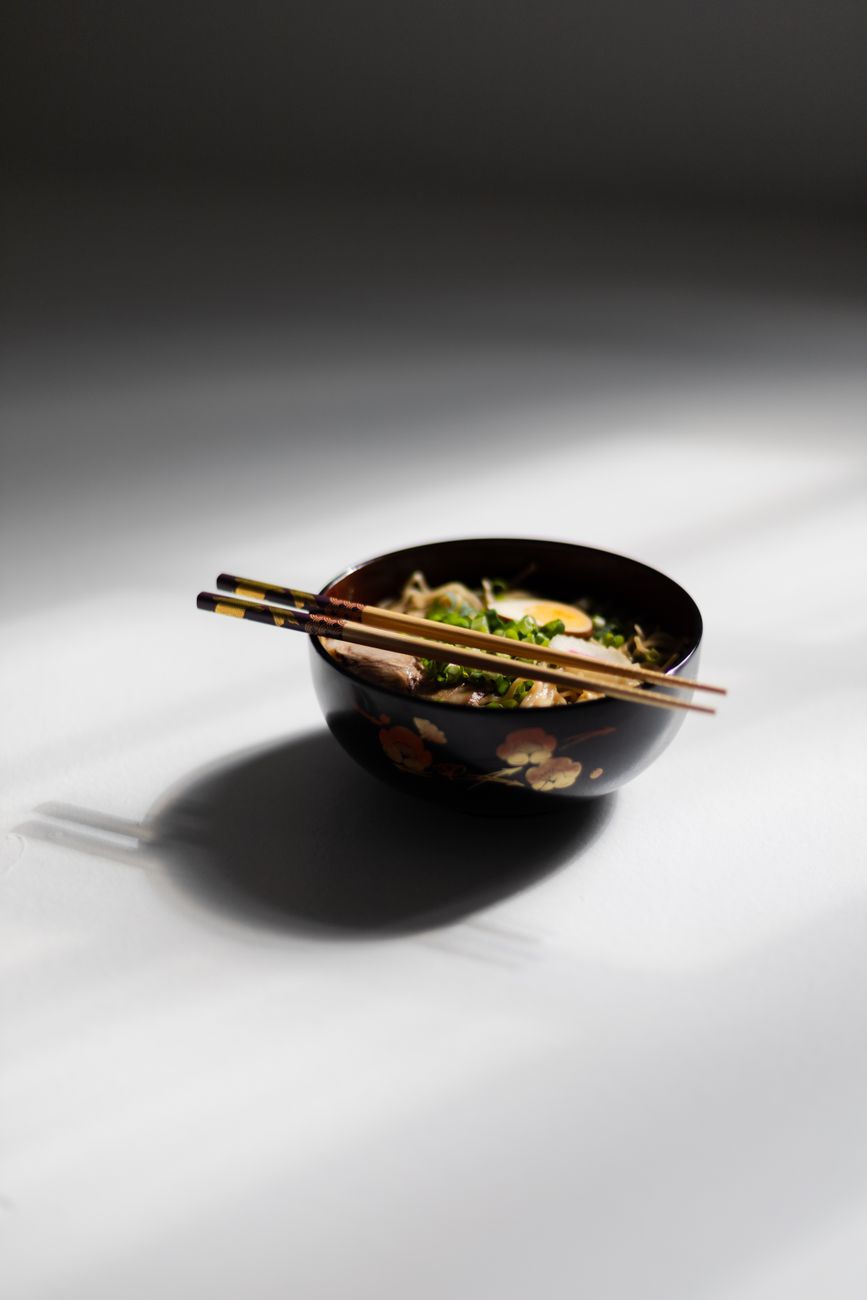
Maki-e and the golden age
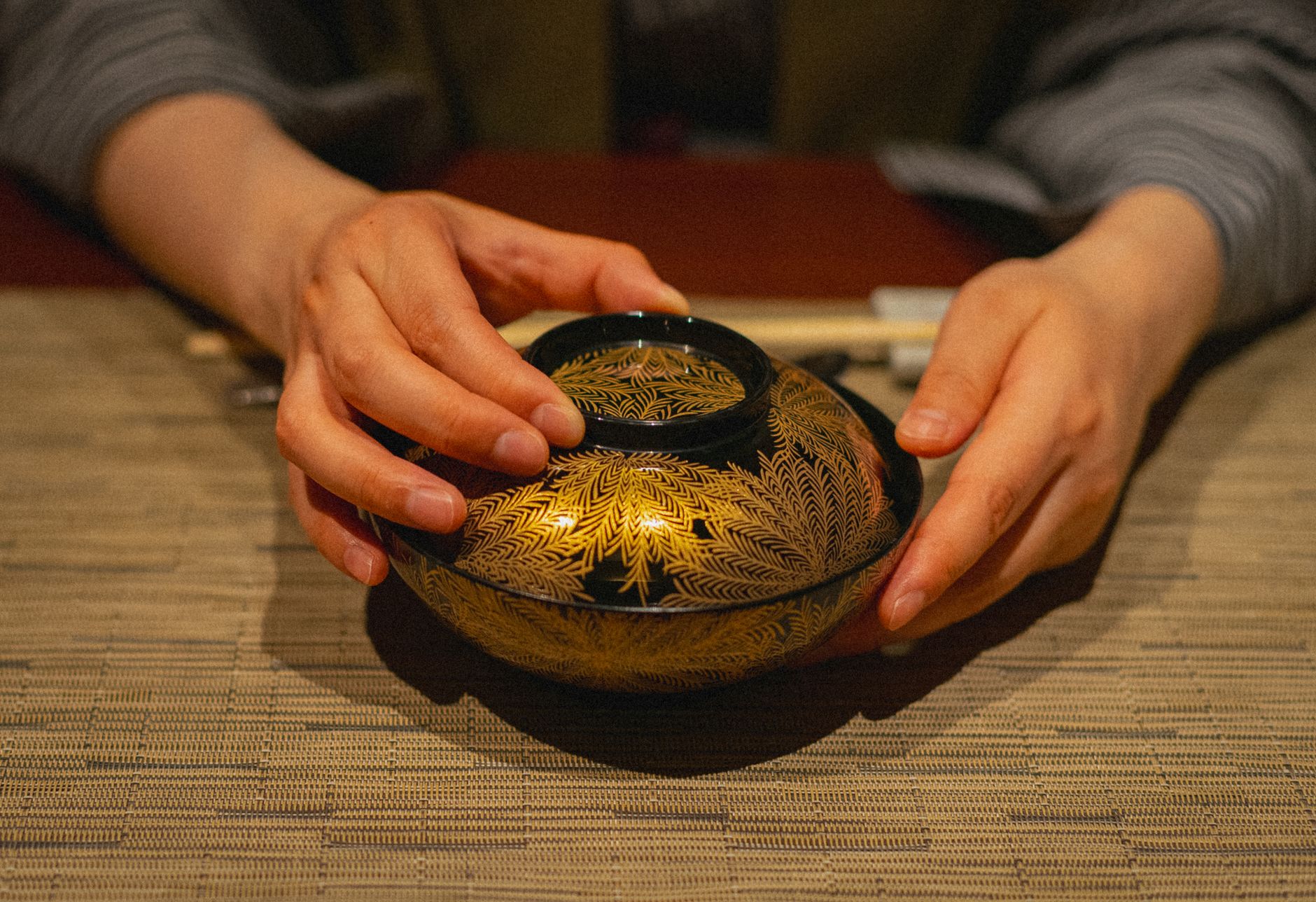
By the Heian period, lacquer had evolved from protective coating to canvas. Aristocrats commissioned works using maki-e, a technique where gold and silver powder is sprinkled onto wet lacquer to create intricate designs. Imagine sitting in a dimly lit palace, watching candlelight catch the metallic particles embedded in a writing box—each speck placed with intention, each layer requiring days to cure in controlled humidity.
The process demanded obsessive patience. A single piece might require thirty layers of lacquer, each one hand-applied, dried, polished smooth, then built upon. The best workshops maintained specific humidity levels and temperatures, understanding intuitively what modern chemistry would later confirm: urushi polymerizes through an enzyme reaction with moisture in the air.
The finest lacquerware isn't painted—it's grown, layer by microscopic layer, in the marriage of tree sap and time.
What war and tea ceremonies taught lacquer
The samurai class reshaped lacquer's purpose. They needed armor that could withstand blade strikes while remaining light enough to fight in. Lacquer answered: coating leather and metal with layers that absorbed impact while adding almost no weight. Battle brought pragmatism, but the tea ceremony brought philosophy.
Wabi-sabi aesthetics—finding beauty in imperfection and transience—transformed how artisans approached their work. Rather than hiding wood grain, they began celebrating it. Simple tea caddies with subtle, almost austere decoration became more valued than ornate pieces dripping with gold. The craft learned restraint.
The chemistry of eternity
Modern analysis reveals why lacquered objects survive when everything else fails. Urushi contains urushiol, which cross-links into a polymer harder than most synthetic resins. It's waterproof, heat-resistant, and remarkably kind to whatever it coats—wood beneath century-old lacquer often looks freshly cut. The material resists acids, alkalis, and alcohol. Museums struggle to find cleaning methods that won't damage artifacts around lacquerware, because the lacquer itself is virtually indestructible.
Yet it remains entirely natural. Biodegradable in the right conditions, toxic in its raw state, transforming through patient human intervention into something that outlasts the hands that made it.
Living tradition
Today's urushi artisans still tap trees by hand, still wait days between layers, still work in humidity-controlled rooms. The techniques haven't changed because they can't be improved—only learned, practiced, refined through decades of discipline. The tree sap that Jōmon craftspeople gathered still flows, still hardens into that distinctive depth of black or vermillion that no synthetic has quite matched.
The art persists not despite its difficulty, but because of it—each piece a small rebellion against disposability, a quiet insistence that some things are worth the wait.
FAQ
Chaware curates authentic Japanese crafts — straight from the makers in Japan to your table.
Explore the Chaware collection →