How Furoshiki Cloth Became a Wrapping Art
On this page
A single square of cloth can carry a watermelon, wrap a gift, become a bag, and then fold flat into your pocket. That's the quiet genius of furoshiki.
The bathhouse origins nobody talks about
The word furoshiki literally means "bath spread"—and yes, it started in Japan's public bathhouses during the Edo period. Bathers would stand on their personal cloth squares while changing, then use the same fabric to bundle up their clothes and carry them home. Practical, portable, and endlessly reusable.
What began as a bathroom necessity evolved into something far more elegant. By the 18th century, merchants were wrapping goods in dyed and patterned cloths, transforming a utilitarian object into a carrier of identity and taste.
When wrapping became an art form
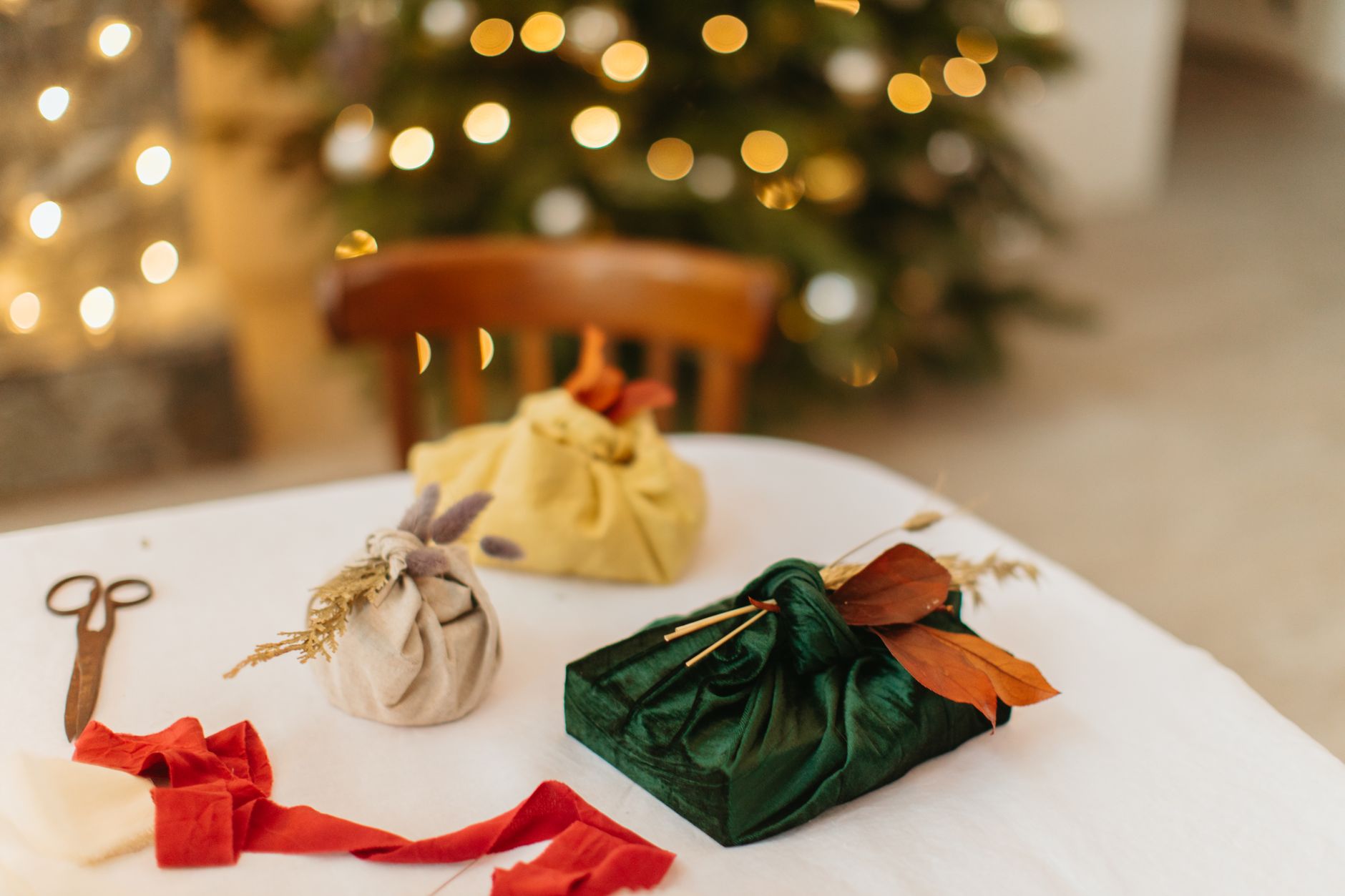
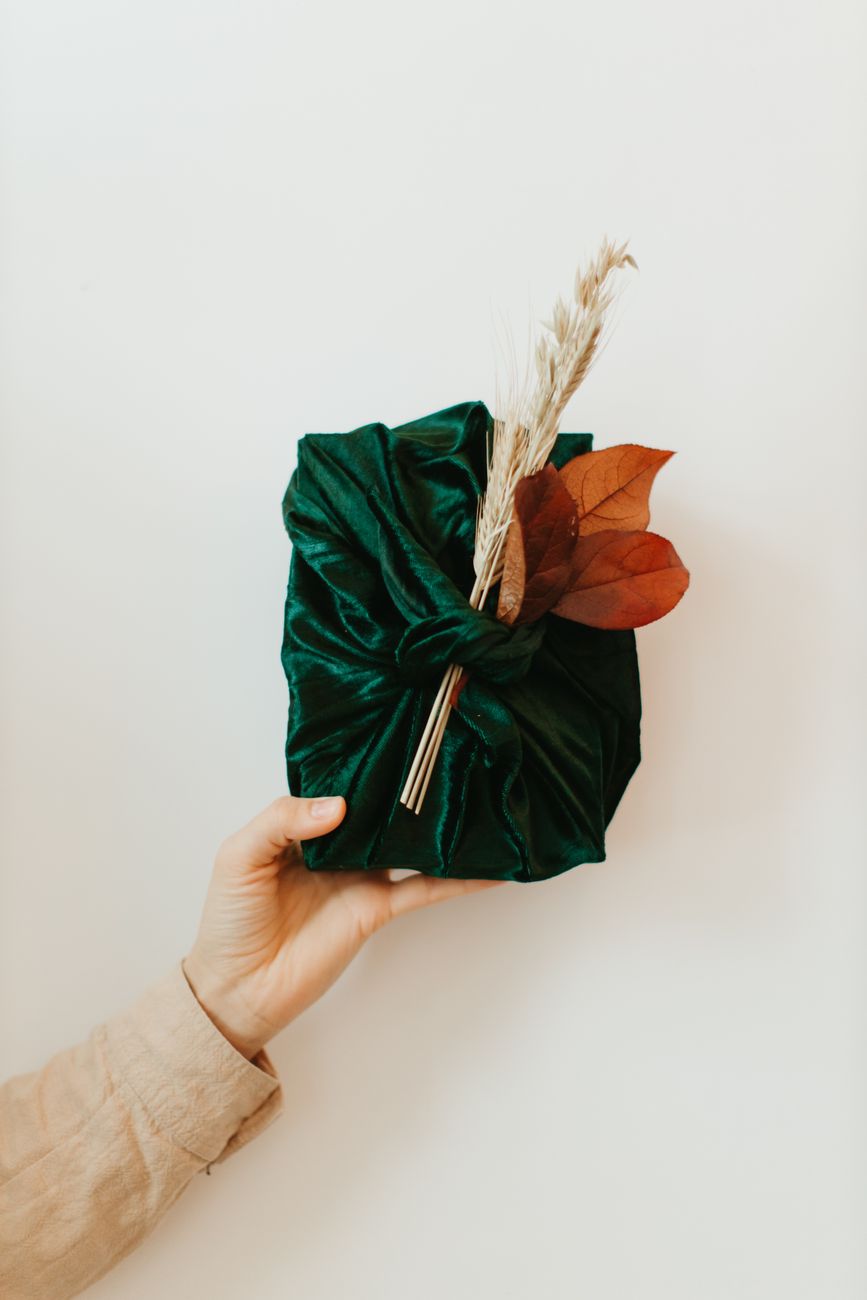
Unlike Western gift wrap—designed to be torn and discarded—furoshiki wrapping is meant to be admired, then carefully undone and returned. The cloth itself is part of the gift.
The fold, the knot, the drape: each choice communicates care.
Traditional designs range from celebratory motifs like cranes and pine trees to bold geometric patterns and seasonal florals. The fabric choice matters too: chirimen (crepe silk) for formal occasions, cotton for everyday use, rayon for its drape and sheen. Even the size tells a story—a small chukin (around 45cm) for lunch boxes, a large ni-shaku-yontan (90cm) for bottles or bulky items.
The technique itself is surprisingly intuitive. There's the basic tsutsumi (single knot wrap) for books, the bin tsutsumi (bottle wrap) that cradles two bottles securely, and the elegant hana tsutsumi (flower wrap) that gathers fabric into petal-like folds. No tape. No waste. Just geometry and a good knot.
Why it nearly disappeared—and how it came back
Post-war Japan embraced convenience. Plastic bags were modern, disposable, effortless. Furoshiki felt old-fashioned, a relic of grandmothers and tradition.
But the 2000s brought a reckoning. Japan's Ministry of the Environment launched a furoshiki revival campaign in 2006, reframing the cloth as an eco-solution rather than a nostalgic throwback. Suddenly, carrying a furoshiki wasn't about clinging to the past—it was about rejecting single-use culture.
Designers began creating contemporary patterns. Department stores offered wrapping workshops. Young people discovered that furoshiki could be a tote bag for the farmer's market, a scarf, a wall hanging, a picnic blanket.
It adapted because that's what it was always designed to do.
The lesson hiding in plain cloth
Furoshiki challenges the idea that objects should have one fixed purpose. The same square that wraps a gift today becomes a carrying cloth tomorrow and a decorative accent next week. It's designed for transformation.
There's something quietly radical about that. In a world optimized for disposability, furoshiki insists on longevity, versatility, and the small ritual of tying a careful knot. It asks you to slow down for thirty seconds. To make the wrapping part of the gesture.
And when you unfold a gift wrapped in furoshiki, you're not tearing through paper. You're untying someone's intention, fold by fold.
FAQ
Chaware curates authentic Japanese crafts — straight from the makers in Japan to your table.
Explore the Chaware collection →