Otoshidama: The Japanese Tradition of Giving New Year Money to Children
On this page
The crisp rustle of a small decorated envelope, passed from adult hand to child's palm on the first morning of the year, carries more than money—it carries hope, blessing, and a distinctly Japanese understanding of what the new year should bring.
The small envelope with enormous meaning
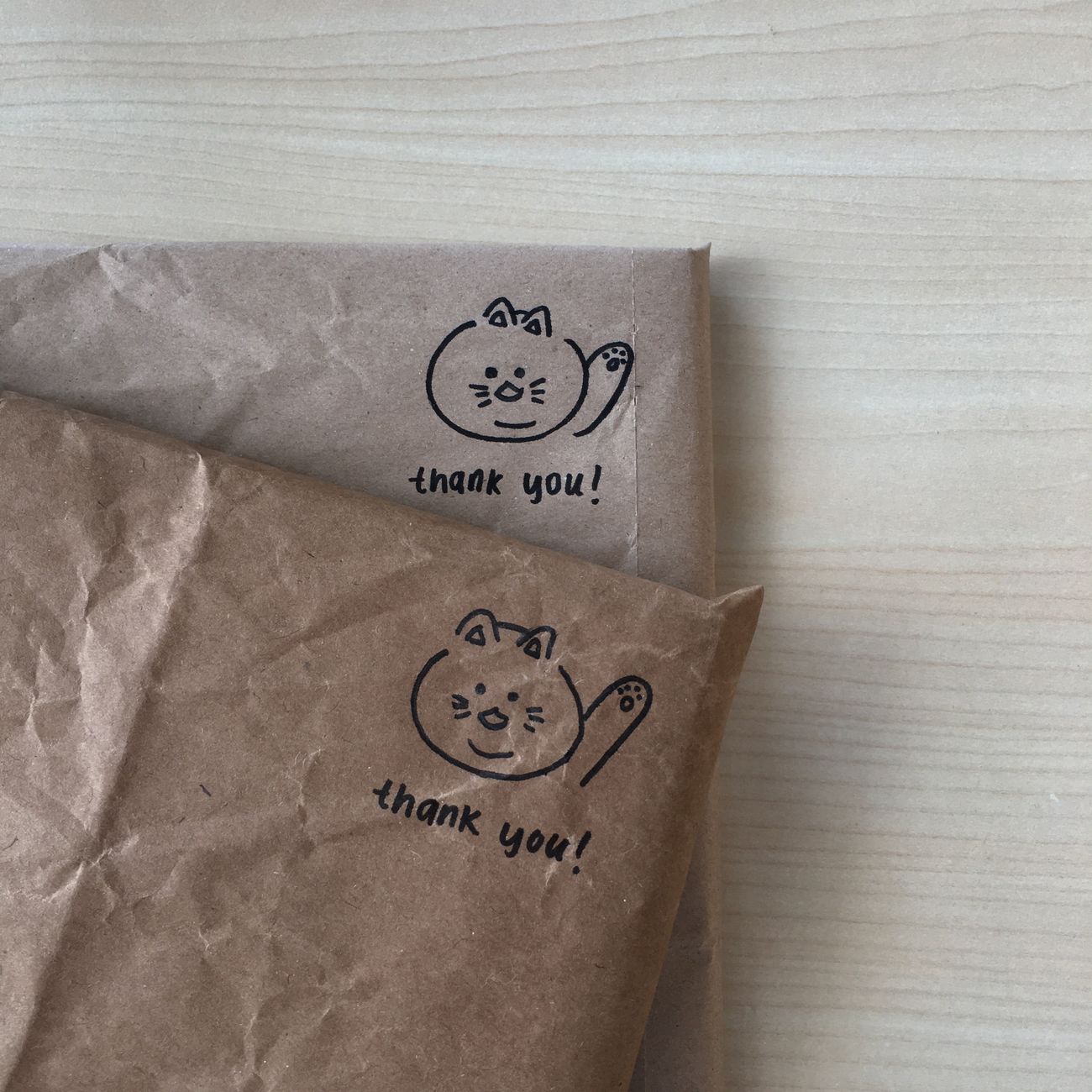
Otoshidama (お年玉) literally translates to "New Year's jewel" or "gift of the year," though what children receive inside isn't a gemstone. It's cash, carefully folded and tucked into special envelopes called pochibukuro (ぽち袋), designed specifically for this tradition. The practice centers on one simple gesture: adults give monetary gifts to children and teenagers during the first days of January, typically through the seventh.
But this isn't pocket money or allowance. It's ritual.
From rice cakes to crisp bills
The tradition stretches back centuries, though its form has shifted dramatically. During the Edo period, wealthy merchant families gave mochi (rice cakes) to servants and apprentices as New Year gifts—offerings of sustenance to ensure a prosperous start. Samurai families distributed small gifts to their retainers. The gifts weren't random acts of generosity; they were transfers of good fortune from those with established luck to those still building theirs.
The shift to money came during the Meiji era, as Japan's economy modernized and paper currency became commonplace. What remained constant was the underlying philosophy: the new year is a time of renewal, and children—standing at the threshold of their futures—deserve a tangible blessing to carry forward.
Otoshidama isn't payment for good behavior; it's an investment in a child's unwritten year.
The unspoken mathematics of giving
How much goes into each envelope follows an intricate, largely unspoken code. Grandparents typically give more than aunts and uncles. Age matters—a five-year-old might receive 1,000 yen, while a high school student could expect 5,000 to 10,000 yen. Families negotiate these amounts through observation and tradition rather than explicit discussion, creating a delicate economy of affection and appropriateness.
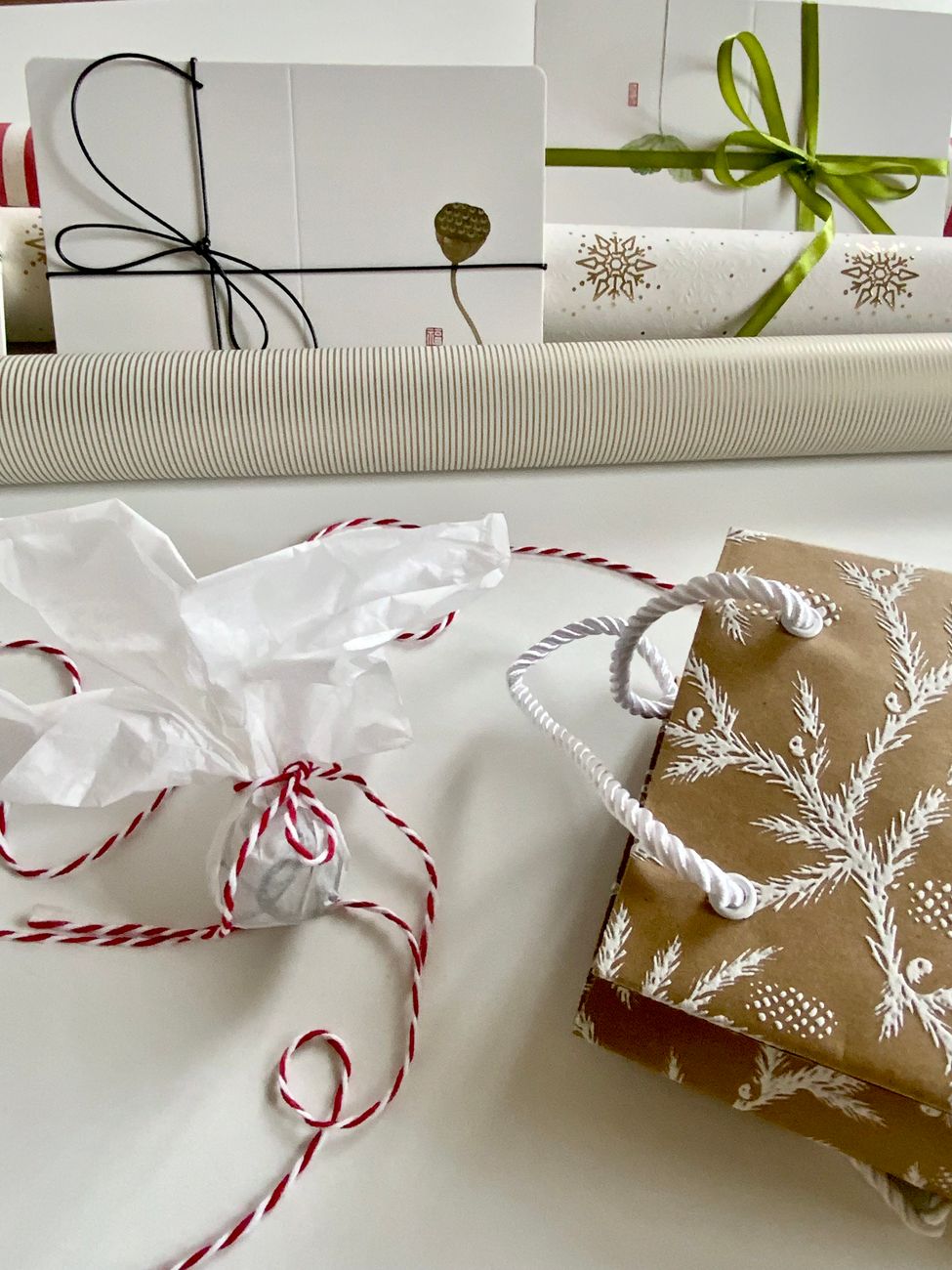
The envelopes themselves tell stories. Some feature zodiac animals for the incoming year, others showcase playful illustrations or elegant calligraphy. You'll find them stacked in stationery shops every December, alongside New Year cards and ceremonial decorations. Choosing the right envelope is part of the gift—too childish for a teenager invites embarrassment; too plain for a young child misses the joy.
What children do with their fortune
The ritual doesn't end with receiving. Many parents encourage children to save their otoshidama in special accounts, teaching patience and planning. Some families let younger children spend a portion while banking the rest. Others make the post-New Year shopping trip—where children deliberate over toys, books, or games with their own funds—part of the tradition itself.
This financial education happens organically, wrapped in celebration rather than lecture. A child counting bills from multiple relatives learns addition and comparison. A teenager deciding between immediate gratification and saving for something larger learns consequence. The lesson arrives not as a parent's directive but as the year's first gift.
The weight of a light envelope
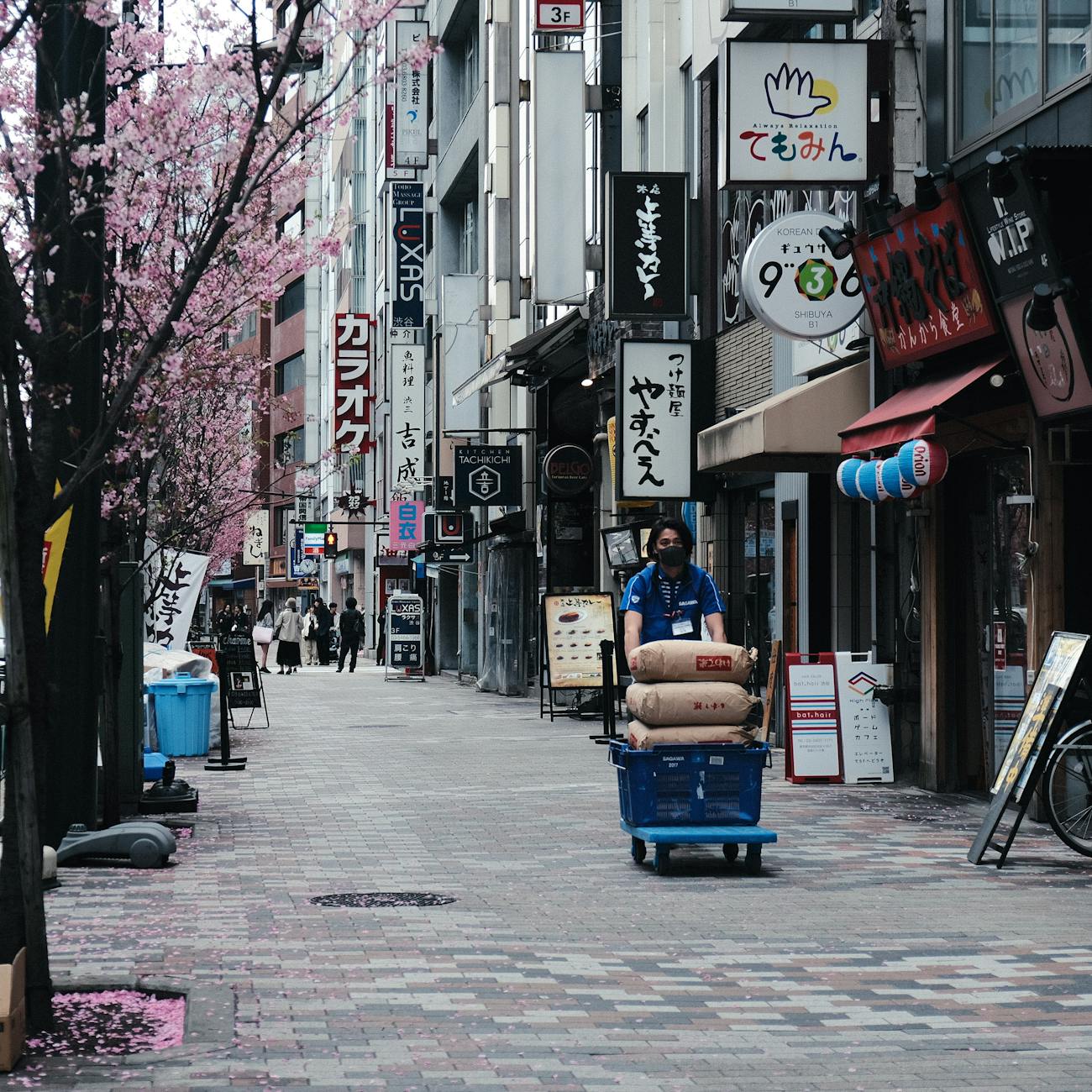
Walk through Japan in early January and you'll see it everywhere: children clutching small envelopes, families making their first shrine visits with pockets full of pochibukuro, the quiet exchange of fortune between generations. The amounts may seem modest by some measures, but the gesture carries the full weight of Japanese family structure—respect for elders, investment in youth, the cyclical nature of fortune and responsibility.
The envelope is small enough to slip into a child's pocket, light enough to forget it's there. But the tradition it represents? That stays heavy with meaning, year after year.
FAQ
Chaware curates authentic Japanese crafts — straight from the makers in Japan to your table.
Explore the Chaware collection →