Japanese Gift Etiquette: The Art of Giving and Receiving Gifts Respectfully
In Japan, the way you give a gift matters just as much as what's inside.
I once watched a grandmother in Kyoto present a box of sweets to her neighbor. She held it with both hands at chest level, bowed slightly, and said softly, "Tsumaranai mono desu ga..." — literally, "This is a boring thing, but..." It wasn't self-deprecation. It was grace. By downplaying her gift, she elevated the relationship itself.
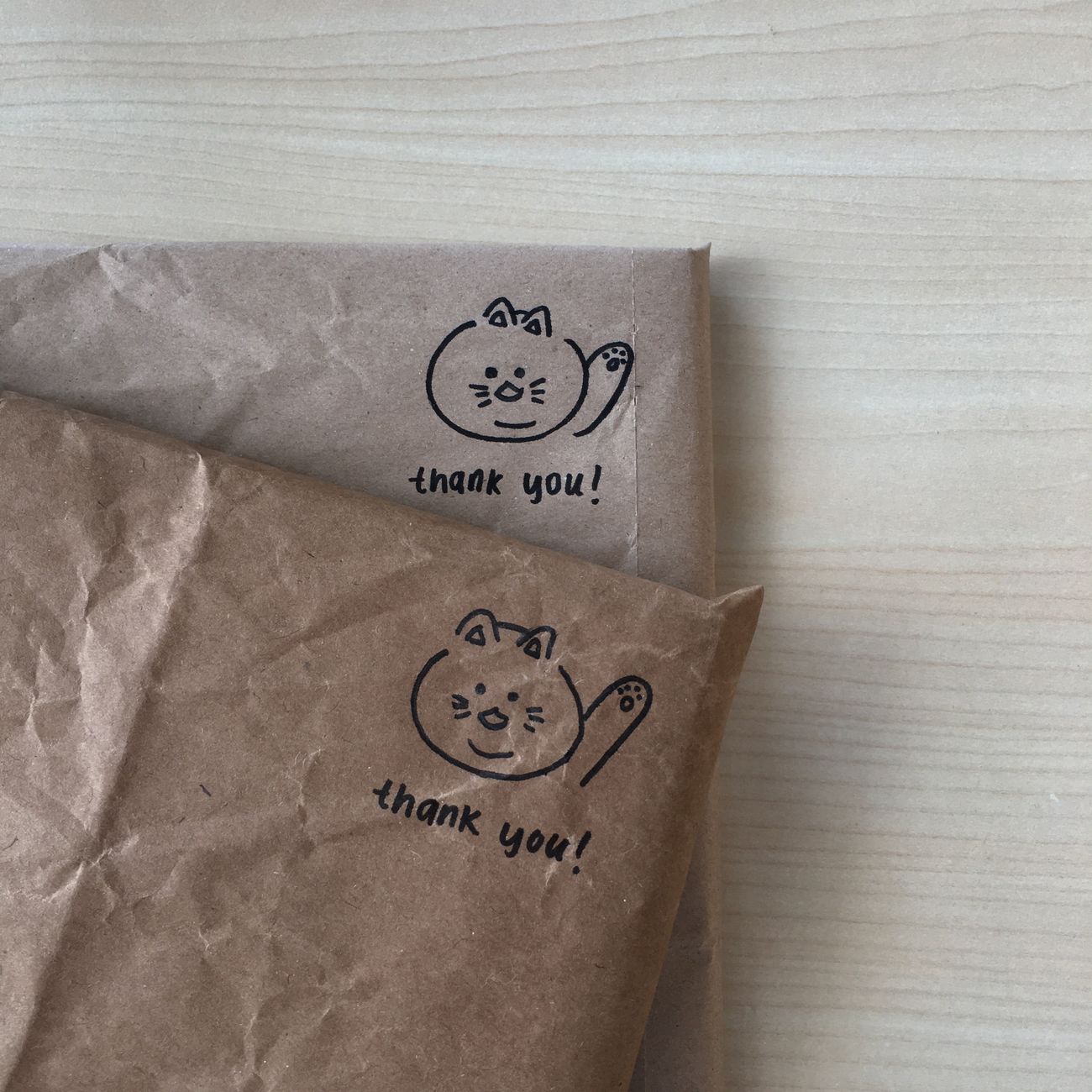
This is *tsutsumi* culture — the art of wrapping, not just paper around an object, but intention around gesture. Gifts are given and received with two hands, never one. The giver often apologizes for the gift's inadequacy, even if it's expensive. The receiver doesn't open it in front of the giver; that would shift focus from connection to evaluation. Wrapping is never torn hastily. It's carefully undone, respected, sometimes even reused.
Timing matters, too. Bringing a gift when visiting someone's home is expected — it's called *omiyage* or *temiyage*. But you don't hand it over at the doorway. You wait until you're seated, settled. And if you're the receiver, you don't simply say "thank you" once. You acknowledge the gift again the next time you meet: "That tea you brought was wonderful."
This isn't about rules for rules' sake. It's about *creating space* for gratitude to live longer than a moment. In a culture where harmony is precious and words are carefully chosen, the ritual of exchange becomes a language in itself.
The next time you give something — anything — try holding it with both hands. You might feel the difference.
FAQ
Chaware curates authentic Japanese crafts — straight from the makers in Japan to your table.
Explore the Chaware collection →