Why Japanese Pottery Embraces Natural Imperfections: The Philosophy of Wabi Sabi Pottery
On this page
A teacup cracks in the kiln. Most potters would toss it aside. In Japan, they might name it a masterpiece.
The philosophy that turned flaws into beauty
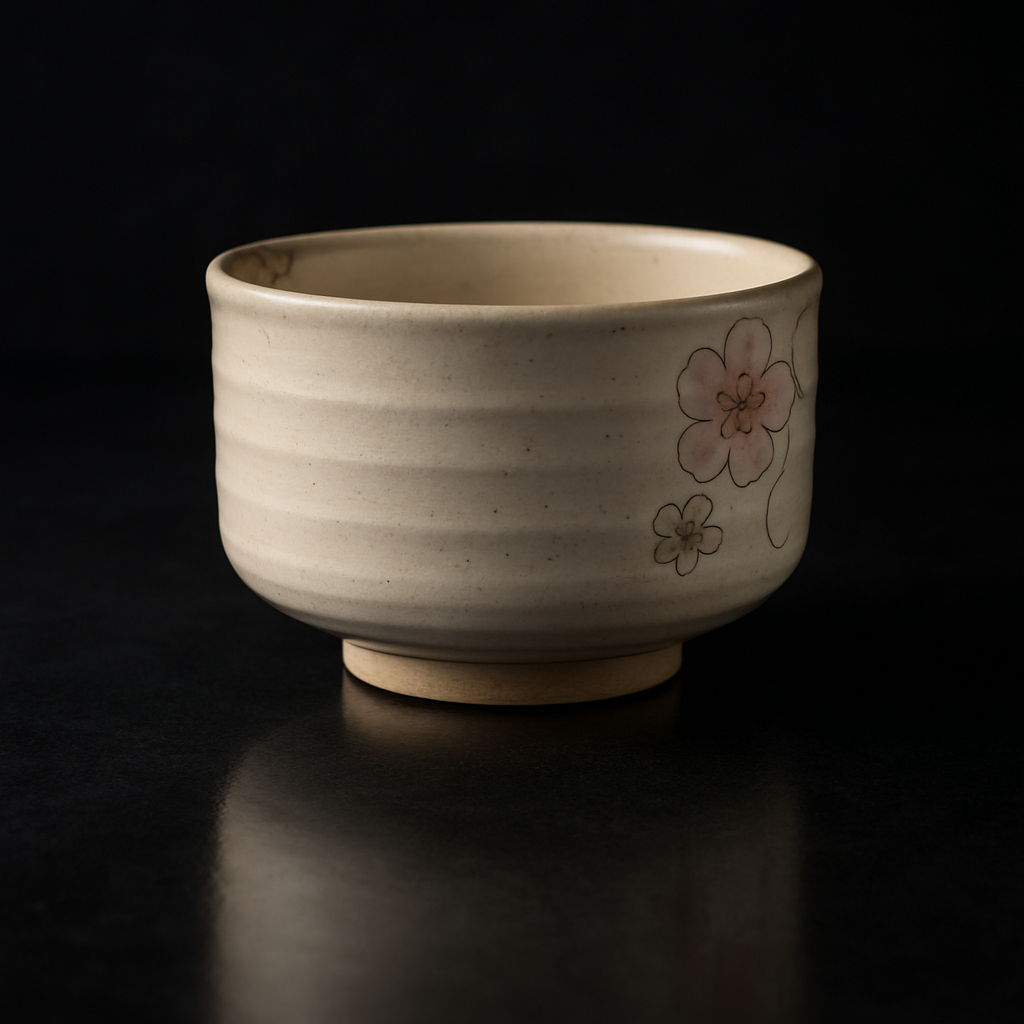
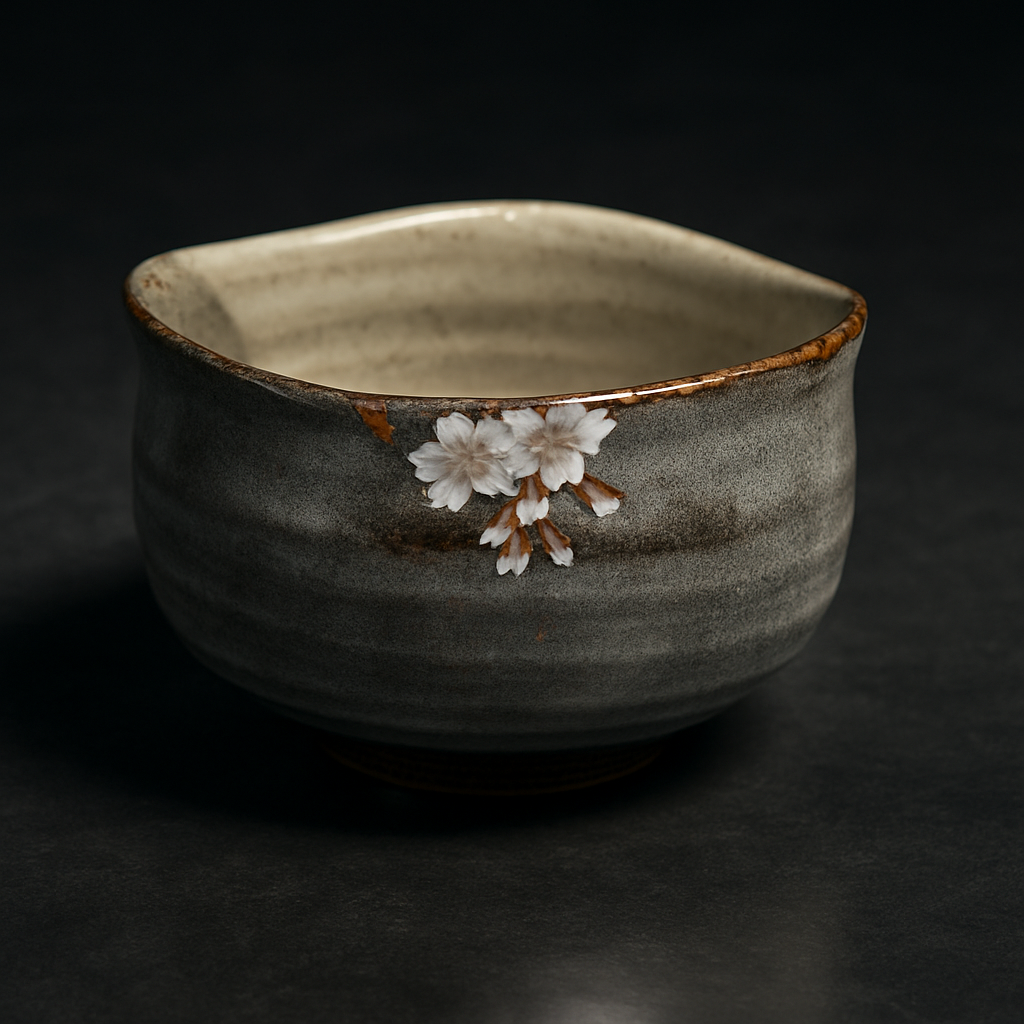
Japanese pottery doesn't hide its humanity. The fingerprint pressed into clay, the glaze that pooled unevenly, the crack sealed with gold—these aren't mistakes tolerated in spite of perfection. They are the perfection.
This worldview has a name: wabi-sabi, a aesthetic philosophy born from Zen Buddhism that finds profound beauty in impermanence, imperfection, and incompleteness. While Western ceramics traditions long pursued flawless symmetry and uniformity, Japanese potters were doing something radically different—celebrating the irregular, the aged, the worn.
Wabi speaks to rustic simplicity and quietness. Sabi captures the beauty that comes with time and use. Together, they create an aesthetic that sees a chipped rice bowl not as damaged goods, but as an object made more beautiful by its journey through the world.
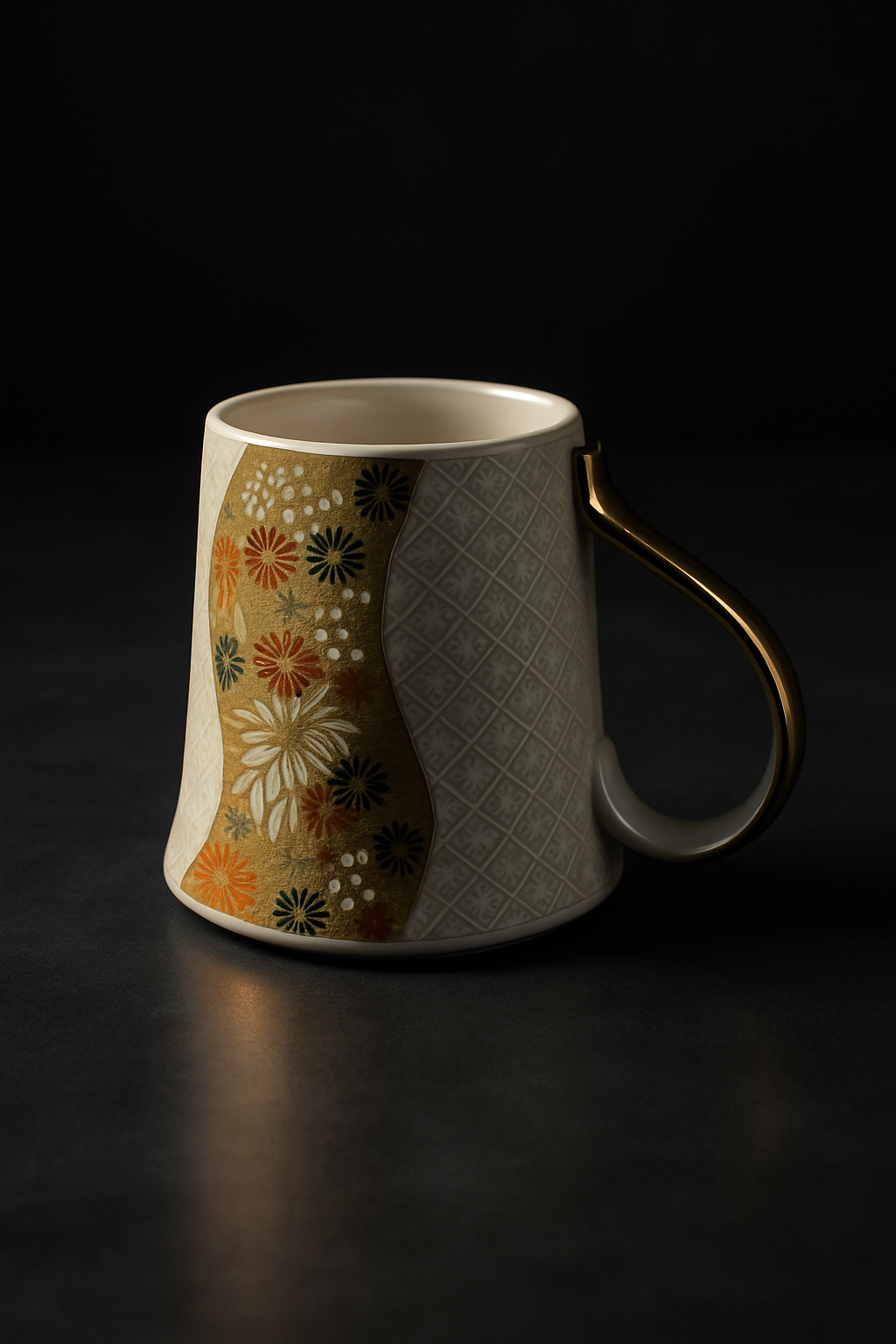
When tea masters chose rough over refined
The transformation happened during the 16th century tea ceremony movement. Tea master Sen no Rikyū famously rejected the perfect Chinese porcelains that wealthy samurai coveted, choosing instead humble Korean peasant bowls—asymmetrical, rough-textured, utterly unpretentious.
In wabi-sabi pottery, the mark of the maker's hand isn't something to erase—it's the entire point.
This wasn't mere contrarianism. Rikyū understood that perfection creates distance. A flawlessly smooth, symmetrical vessel sits on a pedestal, admired but untouchable. An irregular bowl with a wobbling foot ring invites you to hold it, to notice how it fits your particular hands, to see the ridge where the potter's thumb steadied the rim.
The techniques that embrace chance
Japanese potters developed methods that actively court unpredictability. Anagama wood-firing, where pots spend days in flame-licked chambers, leaves each piece marked differently by ash and heat. The potter loads the kiln knowing they won't control exactly what emerges.
Raku firing pulls glowing-hot pottery from the kiln and plunges it into combustible material—sawdust, leaves, paper. Thermal shock creates crackling patterns called kannyu that spiderweb across the glaze, each piece utterly unique.
Even the clay itself tells stories. Shigaraki pottery celebrates ishihaze—the "stone burst" where natural pebbles in the clay explode during firing, leaving small craters. Most ceramic traditions would call this a defect. Japanese potters call it character.
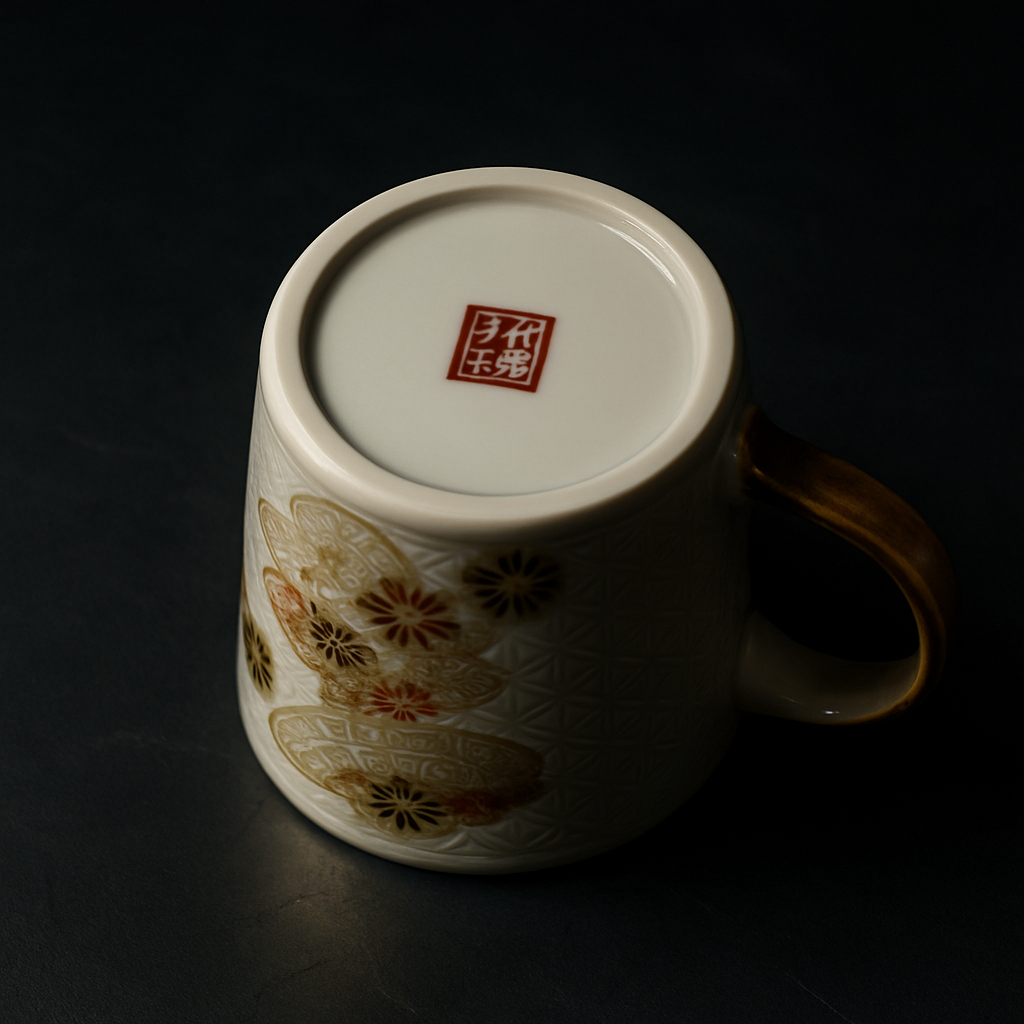
Why imperfection feels more honest
There's profound truth in wabi-sabi pottery that speaks across centuries. We live in imperfect bodies, in homes that weather and age, surrounded by objects that chip and fade. The Western pursuit of flawlessness—the factory-perfect plate, the algorithm-smoothed photograph—creates a strange dissonance with lived reality.
A wabi-sabi bowl meets you where you are. Its slight asymmetry, its glaze that thickened unexpectedly at the rim, its clay body showing through where the potter's hand gripped too firmly—these imperfections don't diminish the object. They prove it was made by human hands, shaped with intention, marked by chance and fire and time.
The Japanese potter doesn't fight against entropy. They collaborate with it.
The crack that becomes golden
Perhaps the ultimate expression is kintsugi—the art of repairing broken pottery with lacquer mixed with gold powder. The repair isn't hidden. The golden seams become the bowl's most striking feature, a gleaming history of damage and healing.
It's a metaphor made tangible: our breaks and repairs are part of our story, not shameful secrets to conceal. The bowl that shattered and was mended is more valuable, more beautiful, more itself than it ever was whole and new.
The fingerprint in the clay will outlast the hand that made it.
FAQ
Chaware curates authentic Japanese crafts — straight from the makers in Japan to your table.
Explore the Chaware collection →