The Meaning of Bowing in Japan: A Guide to Understanding This Essential Gesture
You watch someone across the train platform dip their head to answer a phone call. No one's there to see it—but the bow happens anyway.
In Japan, bowing isn't just politeness. It's a language spoken with the spine.
The grammar of angles
Not all bows say the same thing. A quick nod—about 15 degrees—is the everyday bow, the eshaku. You'll see it dozens of times a day: thanking a cashier, greeting a colleague, acknowledging a neighbor. It's the punctuation mark of daily life.
Drop to 30 degrees and you've entered keirei territory—respect made visible. This is for customers, teachers, someone's grandmother. Your back straightens, your hands rest at your sides or clasp in front, and you hold the angle for a beat longer than feels natural at first.
Then there's saikeirei, the deep bow of 45 degrees or more. Apology. Profound gratitude. The kind of moment that requires your whole body to speak.
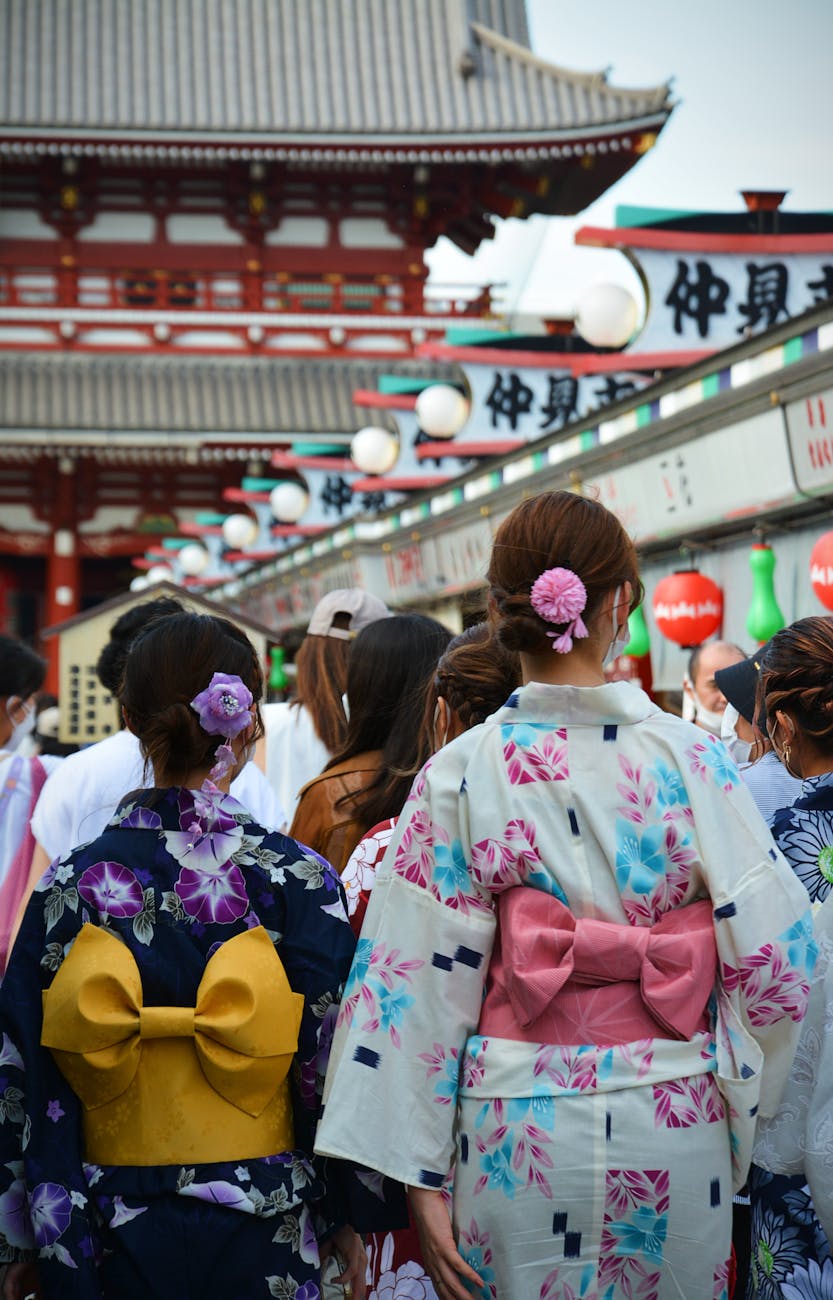
What your body is actually saying
The bow does something words alone can't: it makes you physically vulnerable. You break eye contact. You expose the back of your neck. In a culture where ma—the meaningful space between things—matters as much as the things themselves, that pause at the bottom of a bow carries weight.
The depth of the bow is less about hierarchy and more about the depth of feeling in that specific moment.
Children learn it young, but not from etiquette books—from watching. They see their parents bow to the deliveryman, to the temple, to an empty dojo before practice begins. The body learns before the mind explains why.
When the bow bends the rules
Here's what catches newcomers off guard: context bends every rule. A 15-degree nod might be perfectly respectful between longtime colleagues of equal rank. But the same angle from a junior employee to a company president? That's a miscalculation.
The person of lower status bows deeper and longer. But in service contexts—restaurants, hotels, shops—staff bow deepest of all, regardless of the customer's age or status. The math changes depending on where you stand.
And sometimes, the bow becomes almost comically recursive. Two people meet. Both bow. Both try to out-respect each other. The bows multiply, a gentle volley of deference that ends only when someone finally smiles and breaks the spell.
The bow you can't see
Walk past a tokonoma alcove in a traditional room, and you might notice someone bow to the scroll hanging there. Answer the phone, and the bow happens even though the person on the other end will never see it.
This is where bowing transcends etiquette and becomes something closer to philosophy. The gesture isn't performed for the other person—it's performed because of who you want to be in that interaction. The bow shapes the bower.
In tea ceremony, you bow to your host, to the alcove, to the tea itself. Each bow resets your attention, empties you of distraction, makes space for what comes next. It's not submission. It's preparation.
The train doors open. The person pockets their phone and straightens their shoulders, already bowing slightly toward the day ahead.
FAQ
Chaware curates authentic Japanese crafts — straight from the makers in Japan to your table.
Explore the Chaware collection →