Why You Remove Shoes in Japanese Homes: History, Meaning, and Etiquette

You step through the door, and the first thing you do is stop. Before anything else—before greeting, before bowing—you remove your shoes.
It's not just politeness. It's architecture.
The threshold that changes everything
Japanese homes are designed around a subtle but powerful division: genkan (玄関), the sunken entryway where the outside world ends, and the raised floor where home begins. This isn't metaphor—it's literal. The moment you step up from the genkan onto the main floor, you cross from public to private, from dirt to sacred.
Shoes stay below. Always.
The genkan acts as an airlock between two worlds. You wouldn't track the train station, the convenience store parking lot, or the public restroom into the space where children play on the floor and families gather around low tables. The floor isn't just walked on—it's lived on.
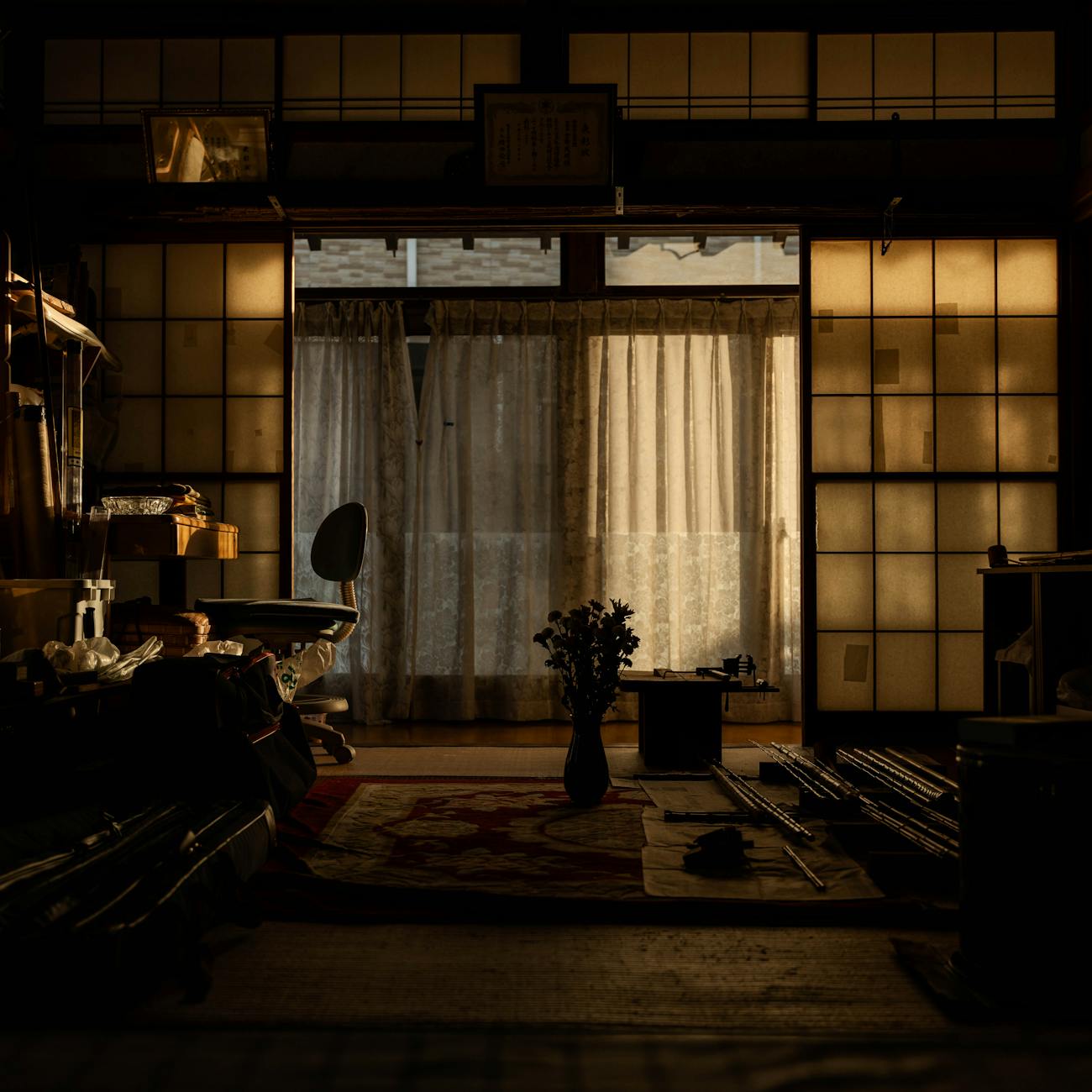
Tatami taught Japan to think differently about floors
Before chairs became common, Japanese life happened at floor level. Sleeping on futon laid directly on tatami mats. Eating at low tables while kneeling. The floor wasn't a surface beneath you—it was with you.
Tatami, woven from rush grass, is soft, fragrant, and vulnerable. It bruises. It stains. It demands respect. You don't walk on tatami in outdoor shoes any more than you'd walk on a dinner table.
The Japanese floor is not beneath you—it is part of the room you inhabit.
Even in modern homes with hardwood or tile, the logic persists. Floors are clean enough to sit on, to let toddlers crawl across, to set a teacup down without a second thought. This changes how you move through space.
Slippers, socks, and the ballet of indoor footwear
Removing shoes is only the beginning. Inside, you'll often switch to uwabaki (indoor slippers) provided by your host—but even these have rules. Slippers for the main rooms. Different slippers for the bathroom. Never slippers on tatami.
Socks are the universal safe zone. Clean, soft, respectful. Going barefoot can actually be considered slightly rude in someone else's home—too casual, too intimate. You're a guest, not family.
And here's the detail visitors rarely expect: the direction your shoes face matters. After removing them, turn them to point toward the door, toes out, ready for exit. It's a small gesture that says I won't overstay, I respect your space, I'm mindful.
What it really teaches you
This isn't about cleanliness alone—though yes, Japanese homes are remarkably clean. It's about transition. Awareness. The conscious act of shedding the outside before entering the inside.
You can't rush it. You can't forget. Every time you come home, you pause, you bend down, you mark the boundary. It's a daily ritual that reminds you: this space is different.
For visitors, it feels like a small hassle at first. Then you realize how much calmer it feels to move through a home where the street never intrudes, where the floor is always clean, where every surface is treated with quiet care.
The shoes stay at the door. But what you're really leaving behind is the noise, the hurry, the carelessness of the world outside.
You step up, and the home receives you.
FAQ
Chaware curates authentic Japanese crafts — straight from the makers in Japan to your table.
Explore the Chaware collection →