Traditional Footwear in Japan: Understanding Geta, Zori, and Tatami Etiquette
On this page
You step into a temple, a tearoom, someone's home — and the ritual is instant. Shoes off. But the story doesn't end there.
The threshold is sacred
Japan's relationship with footwear is built on separation: inside from outside, clean from unclean, sacred from mundane. Remove your shoes and you're not just following a rule — you're crossing a boundary that's been honored for centuries. The genkan, that lowered entryway in traditional homes, exists solely to mark this transition. Outdoor shoes stay behind. Indoor slippers move you forward. And when you reach the tatami room, even those slippers come off.
This isn't about hygiene alone. It's about respect for space, for craftsmanship, for the people who inhabit it.
Geta click, zori whisper
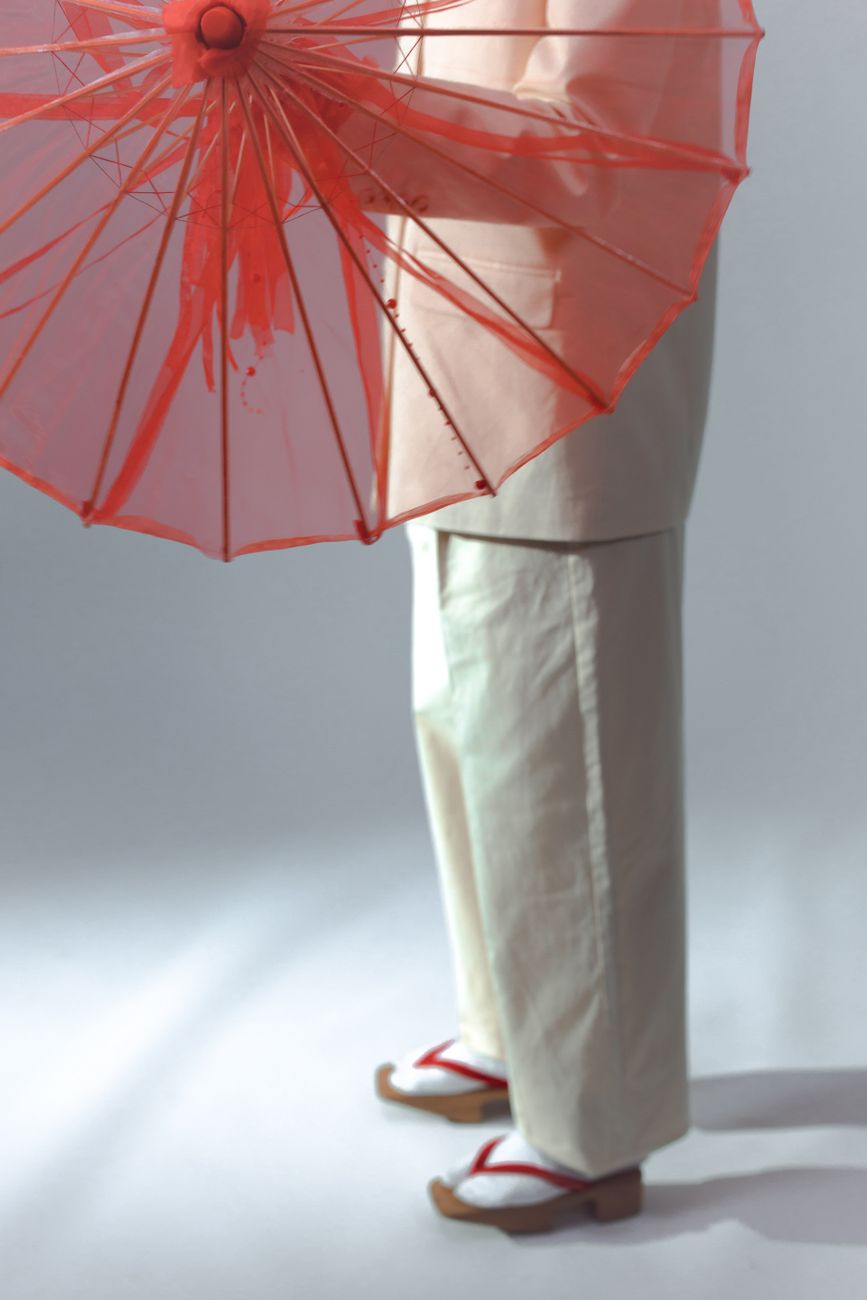
Traditional Japanese footwear moves with you in a completely different way than Western shoes. Geta — those elevated wooden sandals with two "teeth" underneath — were designed to keep kimono hems dry and clean above muddy streets. They click when you walk, a sound so distinctive it once signaled someone's approach in the quiet lanes of Edo. You don't stride in geta. You adjust your gait, shorten your steps, find a rhythm that keeps them on your feet.
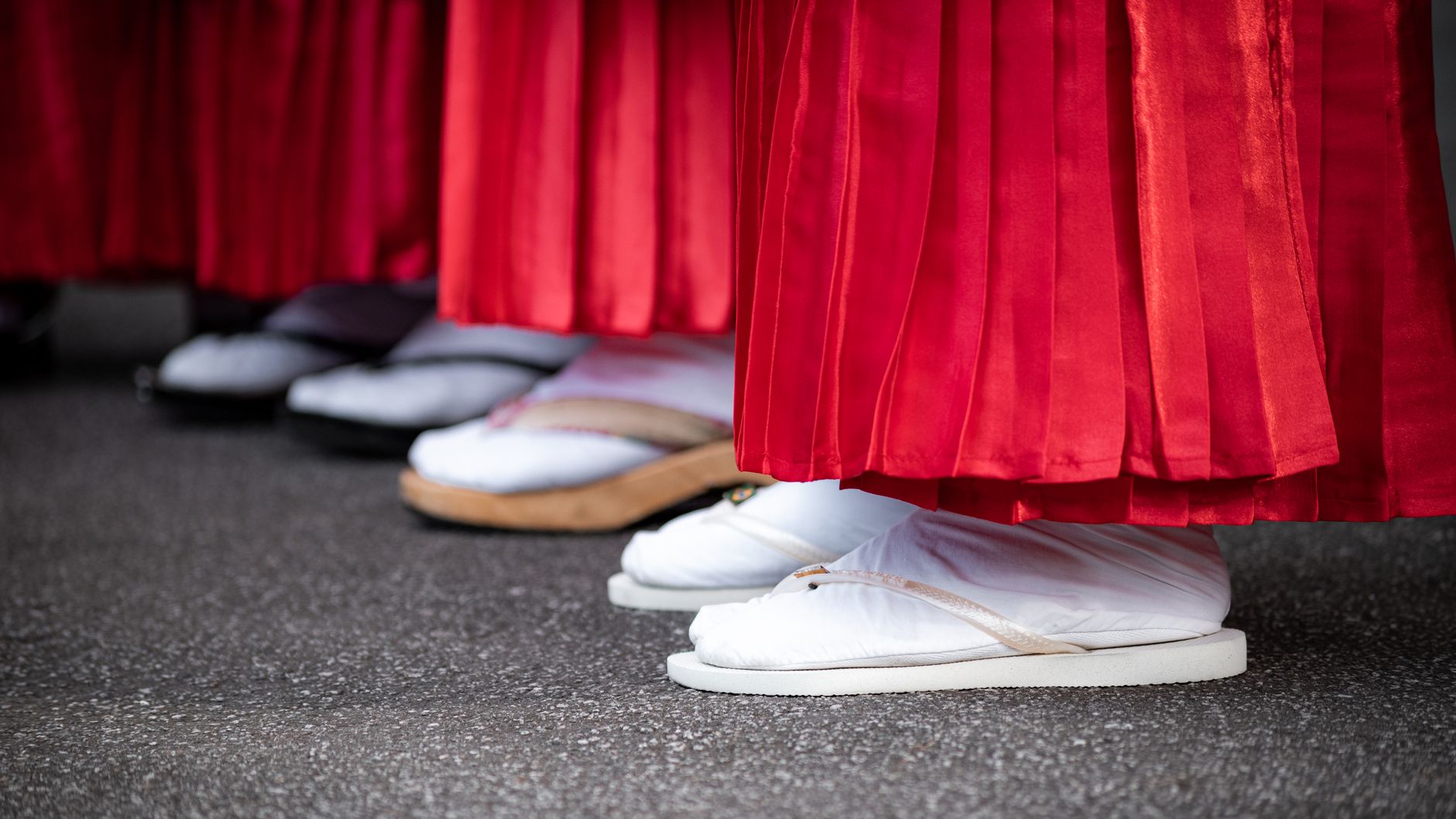
Zori, by contrast, are flat-soled and silent. Originally made from rice straw, later from leather, fabric, or vinyl, they're the more formal cousin. Worn with kimono for ceremonies, tea gatherings, weddings. The thong strap — the hanao — sits between your big toe and second toe, and if you've never worn them, that grip takes getting used to.
Both demand something from you: awareness, balance, a slightly altered relationship with the ground.
Tatami deserves tenderness
Walk onto tatami in outdoor footwear and you've committed a serious breach. These woven rush mats aren't just flooring — they're living surfaces that breathe, age, and require care. Tatami was once a luxury reserved for nobility; today it defines the traditional Japanese room, setting the tone for tea ceremony, meditation, sleep.
Tatami asks you to move softly, to honor the room by lightening your presence.
Even indoor slippers are removed before stepping onto tatami. You walk barefoot or in tabi (split-toe socks). The texture underfoot is firm but yielding, faintly grassy, cool in summer. It bruises easily under hard soles, stains from moisture, and ages poorly when disrespected. Treating it gently isn't fussiness — it's an acknowledgment that some materials require our adaptation, not the other way around.
The unspoken choreography
Navigating a traditional space means reading the cues. At a ryokan, house slippers wait at the genkan. Bathroom slippers stay in the bathroom — wear them elsewhere and you'll be gently corrected, or quietly judged. At temples, rows of removed shoes signal where the sacred begins. You slip yours off, turn them to face outward (ready for your exit), and step up.
Geta and zori aren't fastened tightly; they're held on by friction and technique. Walk heel-first, let your toes grip slightly, keep your posture upright. It's a small recalibration, but it changes how you move through the world — more deliberate, more present, more attuned to texture and transition.
The footwear teaches the etiquette. And the etiquette teaches you to notice thresholds you might otherwise have crossed without thinking.
FAQ
Chaware curates authentic Japanese crafts — straight from the makers in Japan to your table.
Explore the Chaware collection →