Ryokan Etiquette: Essential Manners for Staying at a Traditional Japanese Inn
On this page
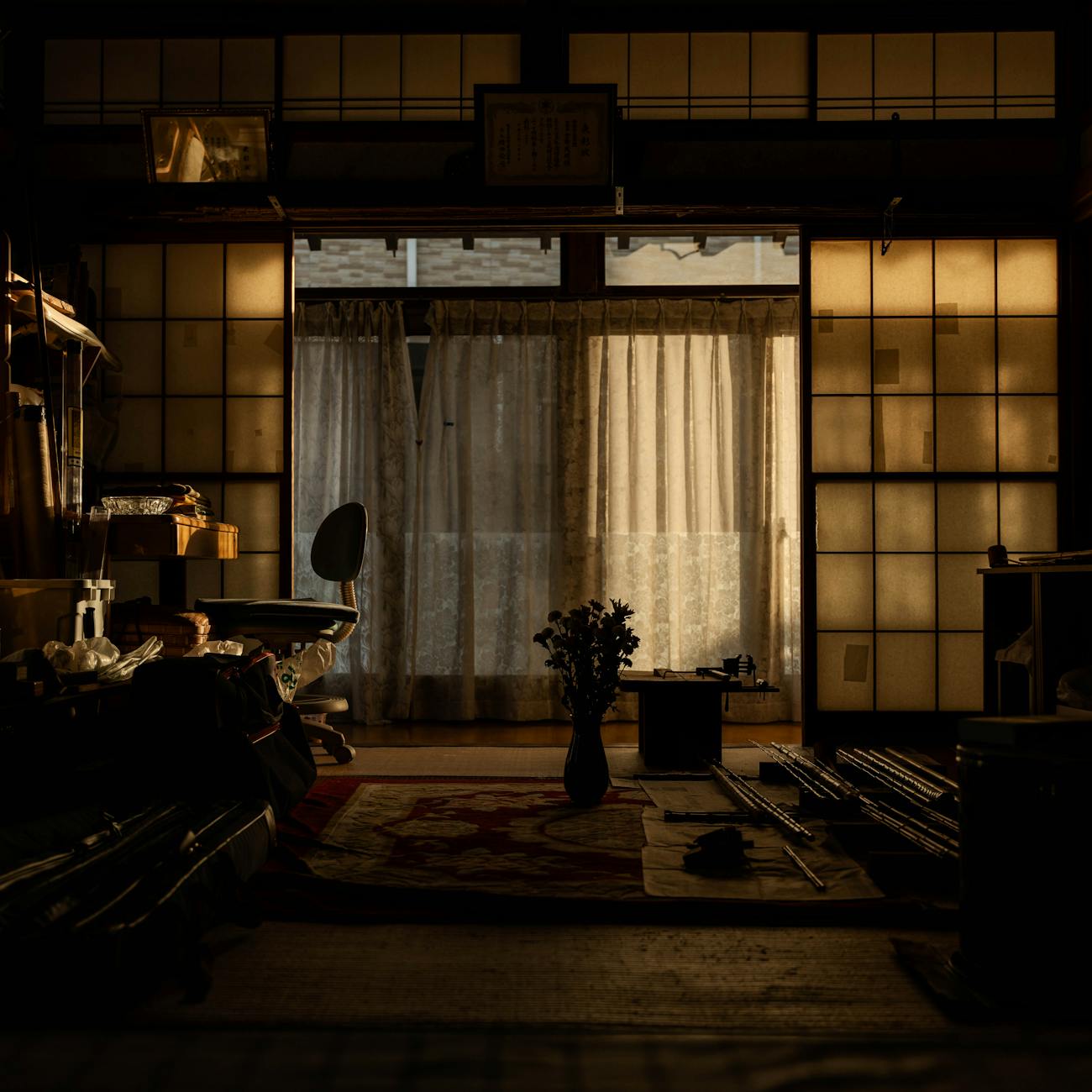
You slide open the latticed door and step from your shoes onto tatami that whispers underfoot. The scent of fresh rushes mingles with hinoki wood and something you can't quite name—centuries, maybe.
A ryokan isn't a hotel. It's a threshold into a choreography of care that predates your great-grandparents, and you're about to become part of it.
The shoes come off, and so does the outside world
At the genkan entrance, you'll see the line—literal or understood—that divides street from sanctuary. Remove your shoes. Face them toward the door as you step up.
The slippers waiting for you are for hallways only. Never wear them on tatami. Never wear them in your guest room. And absolutely never wear them into the toilet, which has its own dedicated pair stationed just inside. Miss this detail and you'll track the unthinkable across sacred space.
Some guests panic about the slipper choreography. Don't. Just remember: bare feet or socks on tatami, slippers on wood or tile, toilet slippers stay in the toilet.
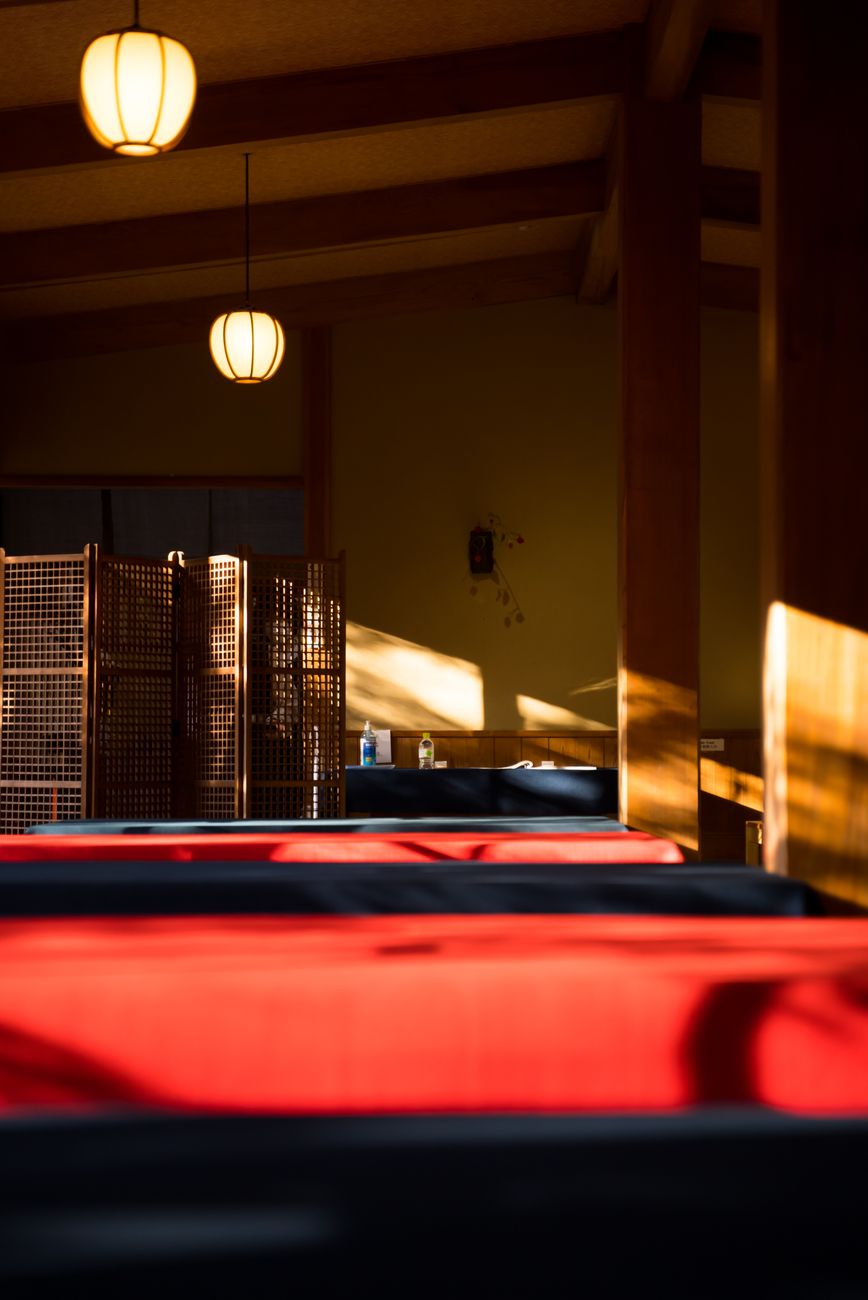
Your room is not empty—it's full of intention
The tokonoma alcove isn't decorative filler. It's the spiritual anchor of the room, often displaying a scroll chosen for the season or a single stem of arranged flowers. Don't put your luggage there. Don't lean against it. Admire it the way you'd admire someone's grandmother—with a bit of reverent distance.
Your futon won't be visible when you arrive. Staff will lay it out while you're at dinner, transforming the room as quietly as snow accumulating. In the morning, you can fold it yourself or leave it—both are acceptable, though folding it shows you understand the grammar of the space.
The ryokan teaches you that luxury isn't about what's added, but what's been carefully taken away.
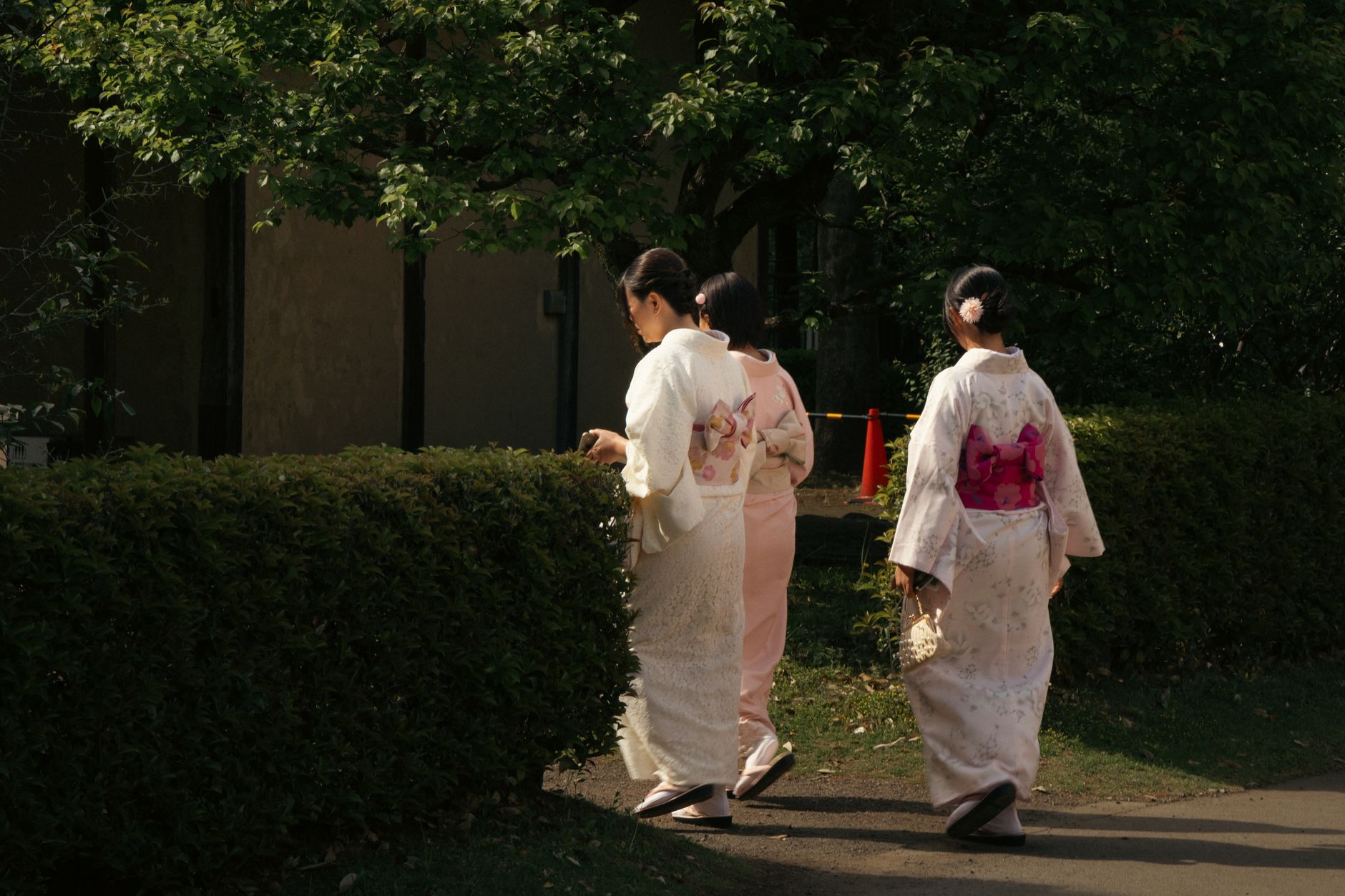
The yukata cotton robe in your room isn't pajamas—it's your evening uniform. Wrap left side over right (right over left is reserved for dressing the deceased), tie with the narrow belt, then add the wider obi sash. Wear it to dinner, to the bath, even for a stroll outside if the ryokan permits. You'll feel self-conscious for about four minutes, then never want to take it off.
The bath is a ritual, not a rinse
The onsen or communal bath operates on one inviolable principle: you wash before you soak. Completely. The water you're about to enter is shared, sometimes sacred, always respected.
Sit on the low stool. Soap, scrub, rinse thoroughly using the wooden bucket or handheld shower. Only then do you approach the bath itself. Submerge slowly—the water's hotter than you expect. No swimming. No splashing. Your small modesty towel stays out of the water; most people fold it on their head or set it aside.
Some baths are silent. Others hum with quiet conversation. Read the room.
Breakfast might arrive while you're still dreaming
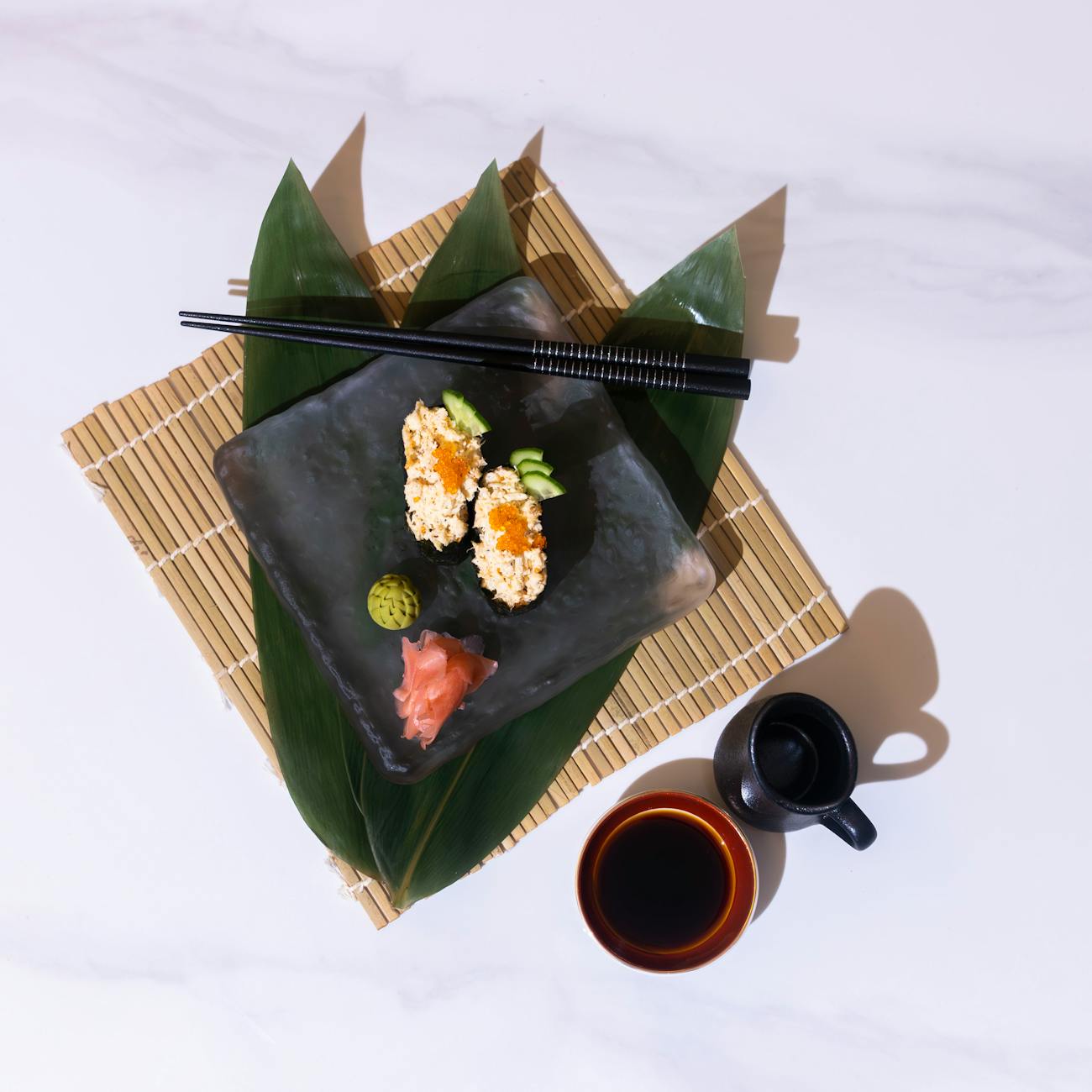
Ryokan meals appear on lacquered trays like edible haiku—kaiseki courses or traditional breakfasts of grilled fish, rice, miso soup, pickles, rolled omelet. Everything is intentional, from the seasonal garnish to the ceramic vessel it's served in.
Eat what you can. Finish your rice if possible—it's the anchor of the meal. If you have dietary restrictions, mention them when booking, not at the table. The kitchen plans days ahead.
Morning comes early here. The rice is cooked at dawn. The fish is local. The pickles were likely made in-house months ago, waiting in cedar barrels for this exact morning, this exact guest.
---
You'll leave your ryokan the same way you entered—shoes in hand, the outside world waiting. But something in your rhythm will have shifted, slowed, remembered what stillness used to feel like.
FAQ
Chaware curates authentic Japanese crafts — straight from the makers in Japan to your table.
Explore the Chaware collection →