Risshun: The First Day of Spring in the Japanese Calendar
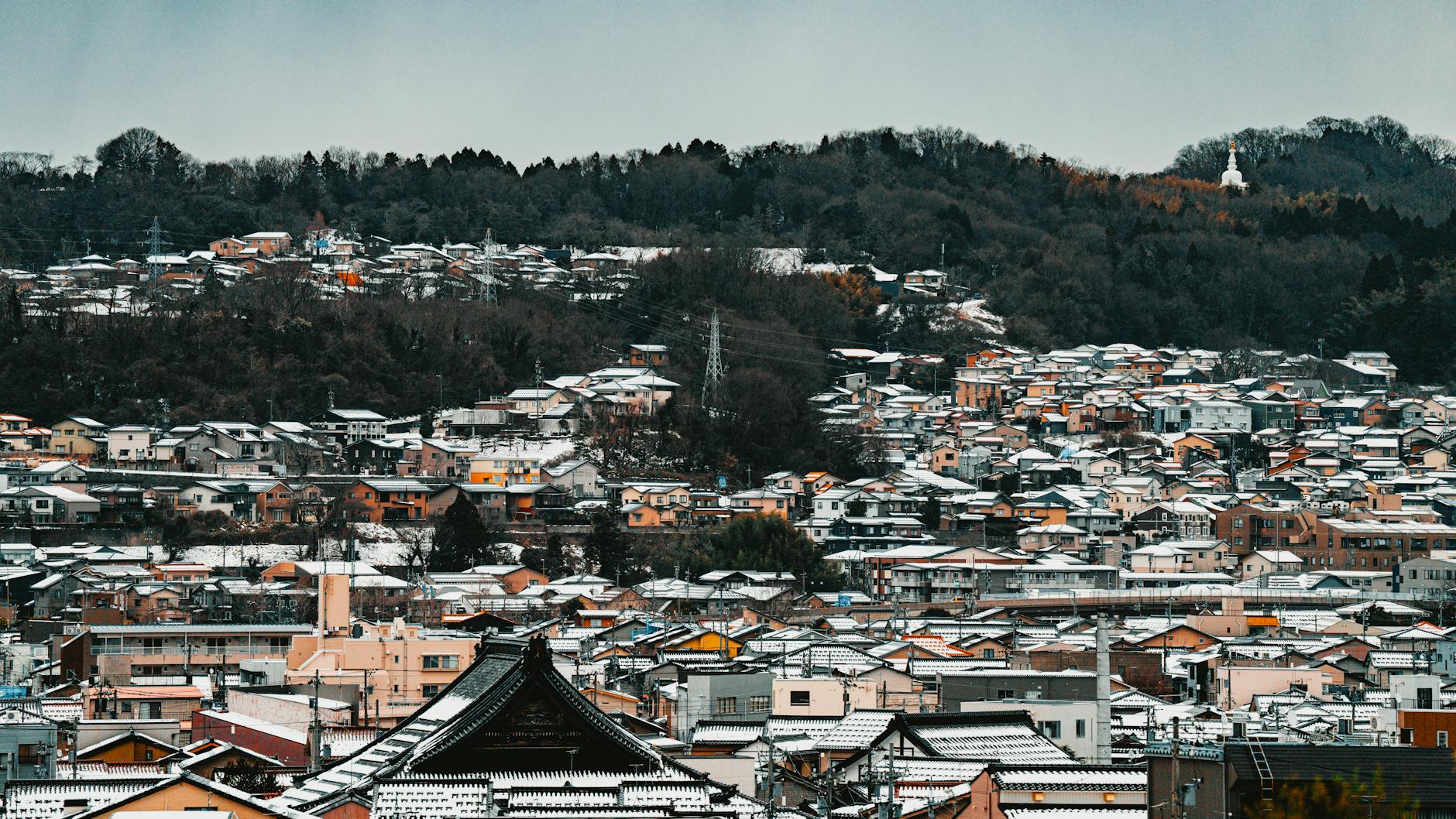
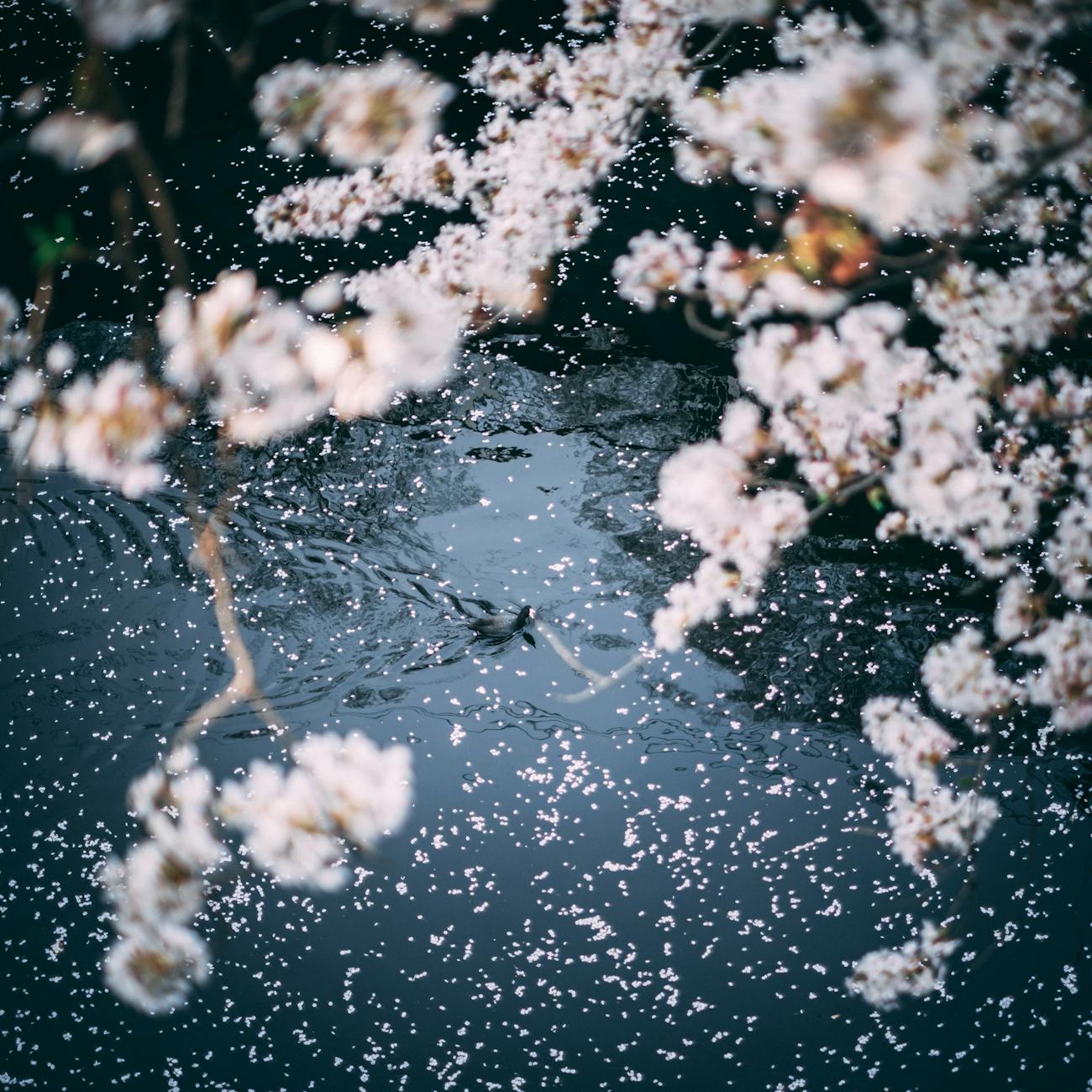
The plum trees bloom while snow still clings to the eaves. Spring in Japan doesn't wait for warmth—it begins with an idea.
When the Calendar Whispers Change
Risshun (立春) arrives each year around February 4th, marking the official first day of spring according to the traditional East Asian lunisolar calendar. But step outside on this day and you'll find no cherry blossoms, no gentle breezes. In most of Japan, February still means frost-bitten mornings and winter coats.
So why call it spring?
Because risshun doesn't measure what is—it marks the turning point, the moment when daylight begins its slow reclamation of the sky. It's the promise before the proof.
The Day After Setsubun
Risshun holds special significance because it follows setsubun (節分), the bean-throwing ritual that drives out demons and misfortune. Together, these two days form a hinge in the Japanese year: one night to purge the old, one dawn to welcome the new.
Traditionally, families would hang fresh shinboku (sacred evergreen branches) above their doorways on risshun morning. Some still do. The greenery represents vitality pushing through the cold—a physical reminder that beneath frozen ground, roots are already stirring.
The timing feels almost defiant. Spring declared in winter's grip.
Risshun teaches that beginnings don't wait for perfect conditions—they create them.
Reading the Subtle Signs
In the old agrarian calendar, risshun was a farmer's alert. Time to check seed stores, repair tools, watch for the first insects emerging. The word itself—立 (ritsu, to stand or establish) and 春 (haru, spring)—carries this sense of spring rising up, taking its position.
Even now, traditional confectioneries release special sakuramochi and other spring sweets on or just after risshun, filled with sweet bean paste that echoes the purifying beans of setsubun. Tea ceremony practitioners shift their arrangements, introducing the first plum branches to the tokonoma alcove.
These aren't nostalgic gestures. They're a practiced attentiveness to cyclical time, a refusal to let the Gregorian calendar flatten the year into sameness.
The Eighty-Eight Nights
Risshun also serves as the anchor point for counting toward hachijūhachi-ya (八十八夜)—the eighty-eighth night after risshun, which falls in early May. This date traditionally signals the perfect moment to harvest the finest shincha (new tea), when young leaves hold maximum flavor and vitality.
Tea farmers in regions like Shizuoka and Uji still time their first flush harvest by this ancient count. Risshun, then, isn't merely symbolic—it's functional, a calibration point for the agricultural year that produces one of Japan's most refined pleasures.
The calendar becomes a kind of slow clock, measuring not hours but the earth's patient transformations.
Living Between Seasons
Modern Japan operates on the Gregorian calendar, yet risshun persists—on weather reports, in temple announcements, in the quiet knowledge that seasons are more nuanced than four neat boxes. It's a reminder that spring isn't a switch that flips, but a gradual brightening, a lengthening, an accumulation of small warmths.
Perhaps that's the real gift of risshun: permission to begin before you're ready, to name the spring while winter still holds the world.
The plum blossoms already know.
FAQ
Chaware curates authentic Japanese crafts — straight from the makers in Japan to your table.
Explore the Chaware collection →