The Cherry Blossom Meaning: Why Sakura Symbolize Impermanence in Japan
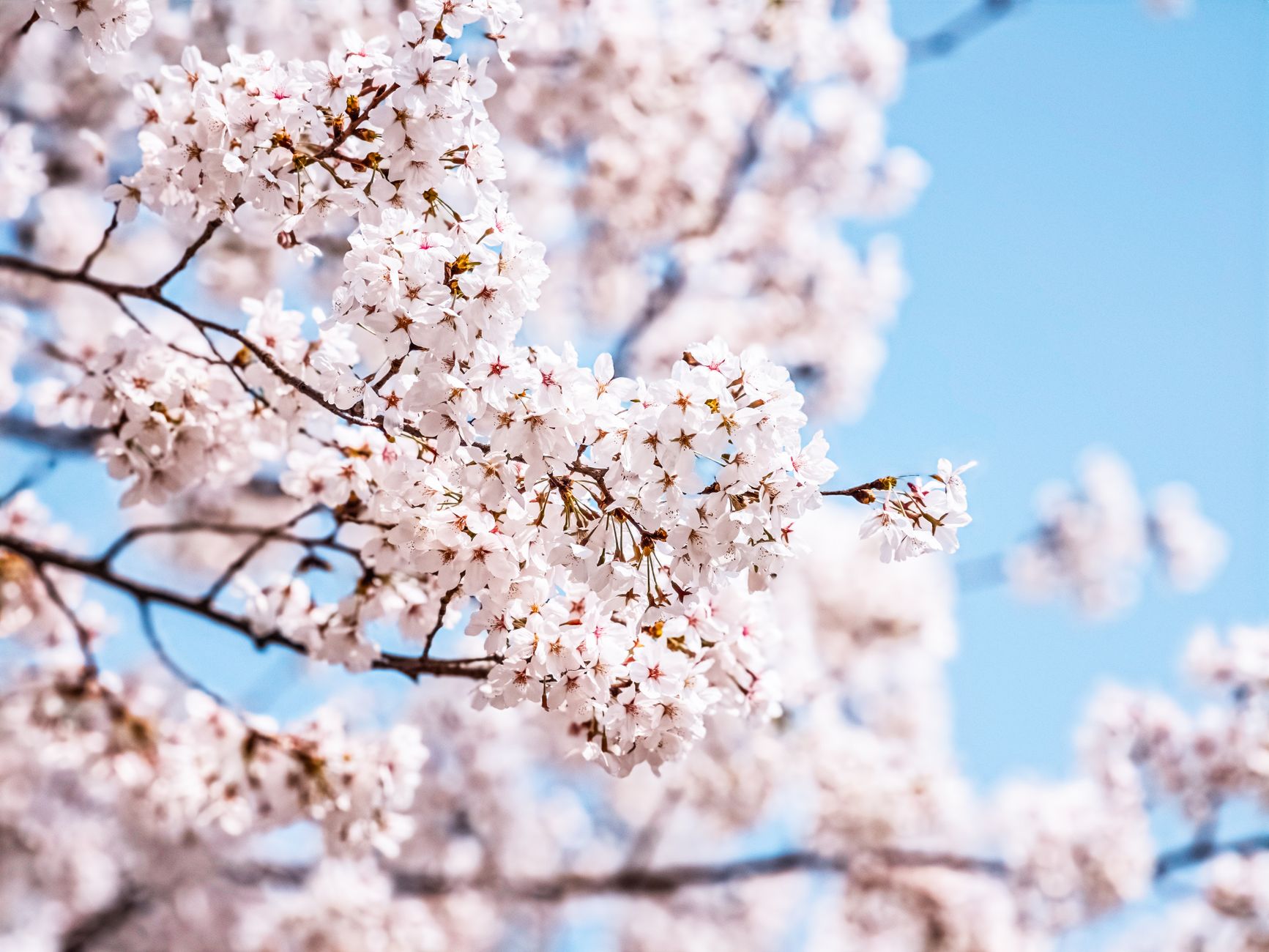
The petals fall at the height of their beauty.
It's a strange thing, isn't it? In most cultures, flowers at peak bloom represent triumph, abundance, the pinnacle of life. But in Japan, cherry blossoms—sakura—are most beloved precisely when they begin to scatter. The moment they let go is the moment they mean the most.
The bloom that refuses to stay
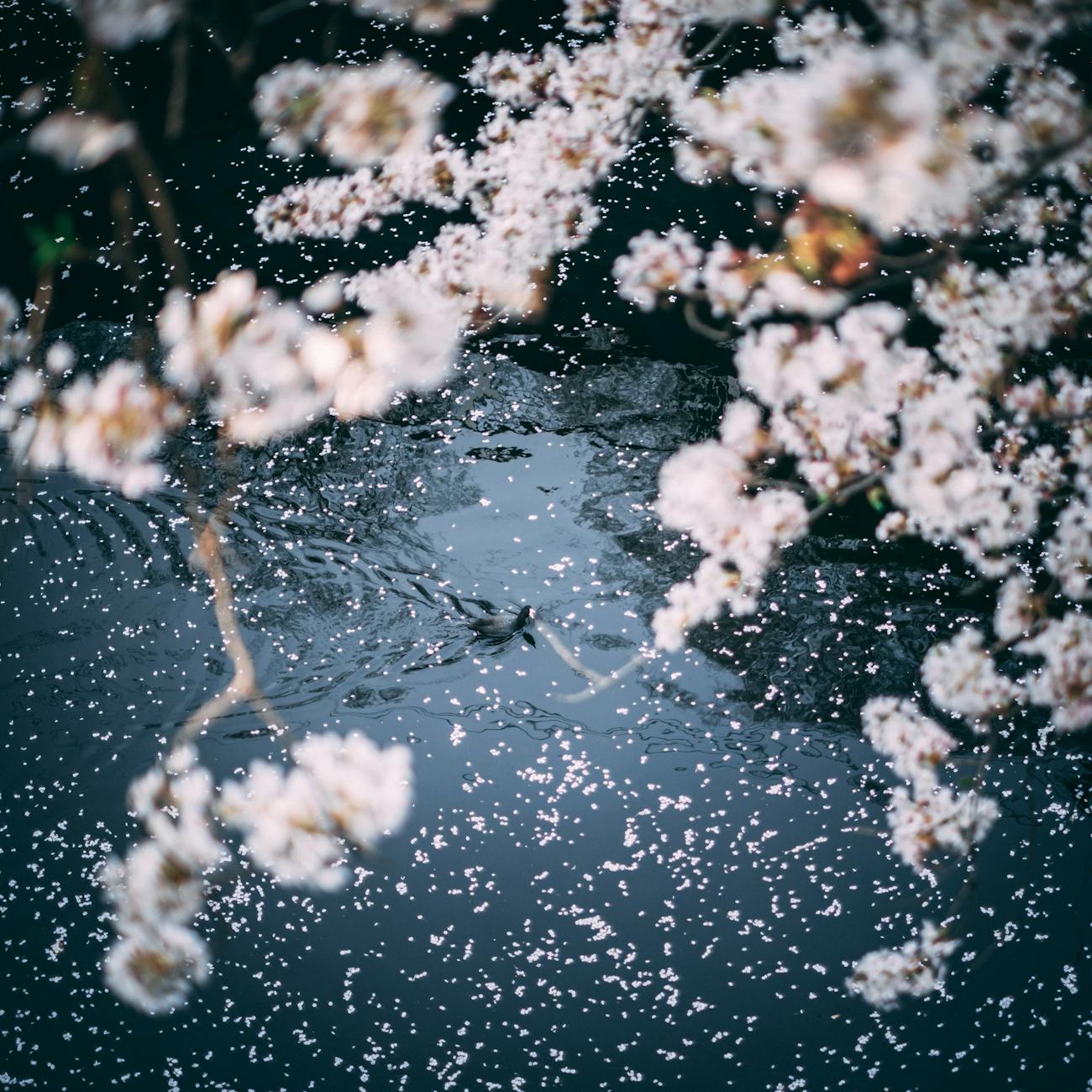
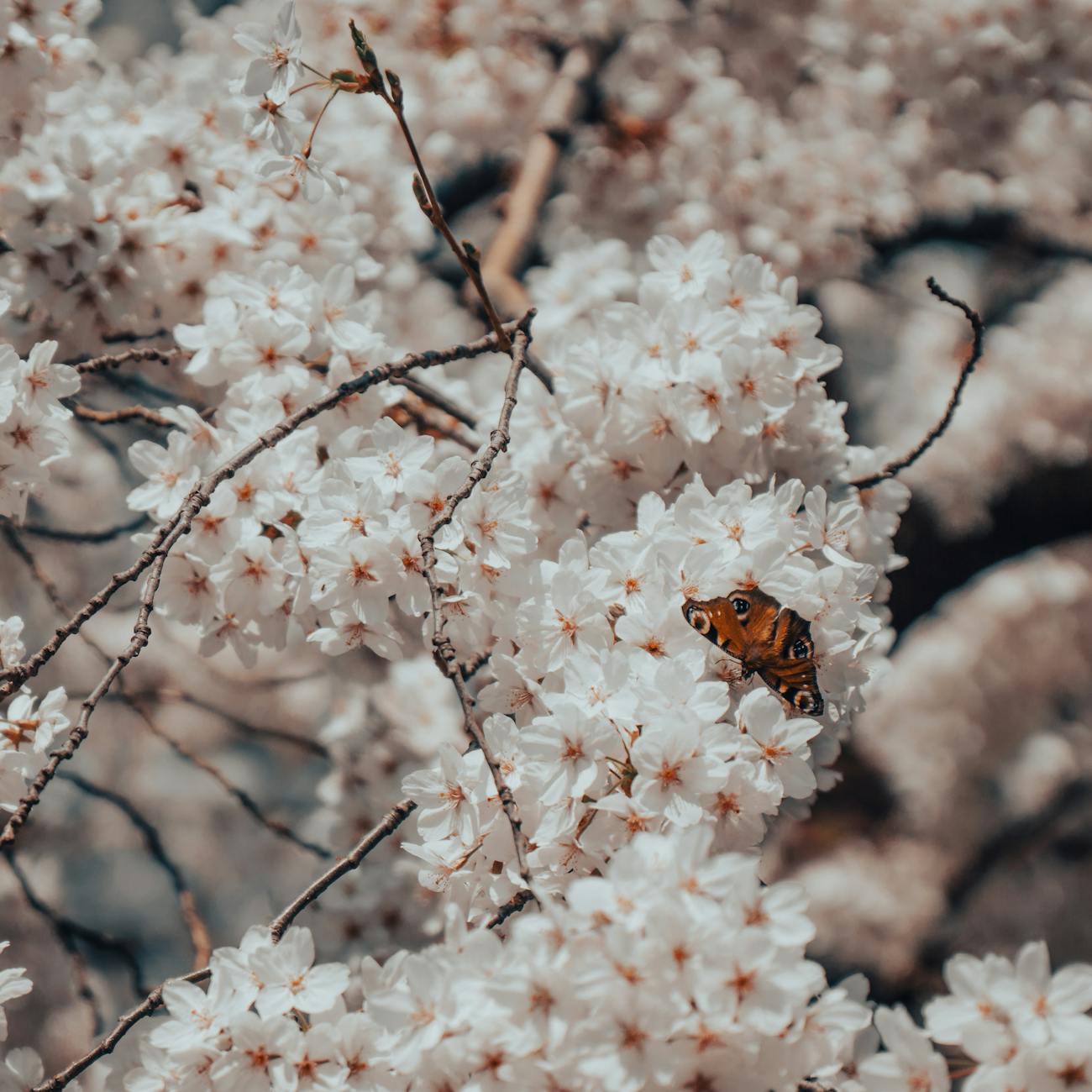
Sakura trees explode into clouds of pale pink for roughly one week each spring. Sometimes less. A sudden rainstorm or strong wind can strip entire branches overnight, carpeting the ground in a soft, fleeting snow.
This brevity isn't seen as tragic. It's the entire point.
The Japanese have a word for this aesthetic and philosophical concept: mono no aware, often translated as "the pathos of things" or "a sensitivity to ephemera." It's the bittersweet awareness that beauty exists because it doesn't last. Cherry blossoms are the national embodiment of this idea—nature's annual reminder that nothing, no matter how beautiful, remains.
Samurai, blossoms, and the art of letting go
For centuries, cherry blossoms held particular resonance with the samurai class. Warriors saw themselves reflected in the sakura's fate: a life of discipline and beauty, followed by a sudden, graceful end. The blossoms didn't wither slowly or cling to the branch. They fell at their peak, intact and dignified.
To live beautifully and to die at the right moment—this was the samurai ideal, written in petals.
This symbolism runs through Japanese poetry, visual art, and even wartime propaganda (though that darker appropriation is a more modern distortion of an older, quieter philosophy). At its heart, the connection between sakura and impermanence isn't about glorifying death—it's about accepting the transience of all things with grace.
Hanami: sitting beneath the truth
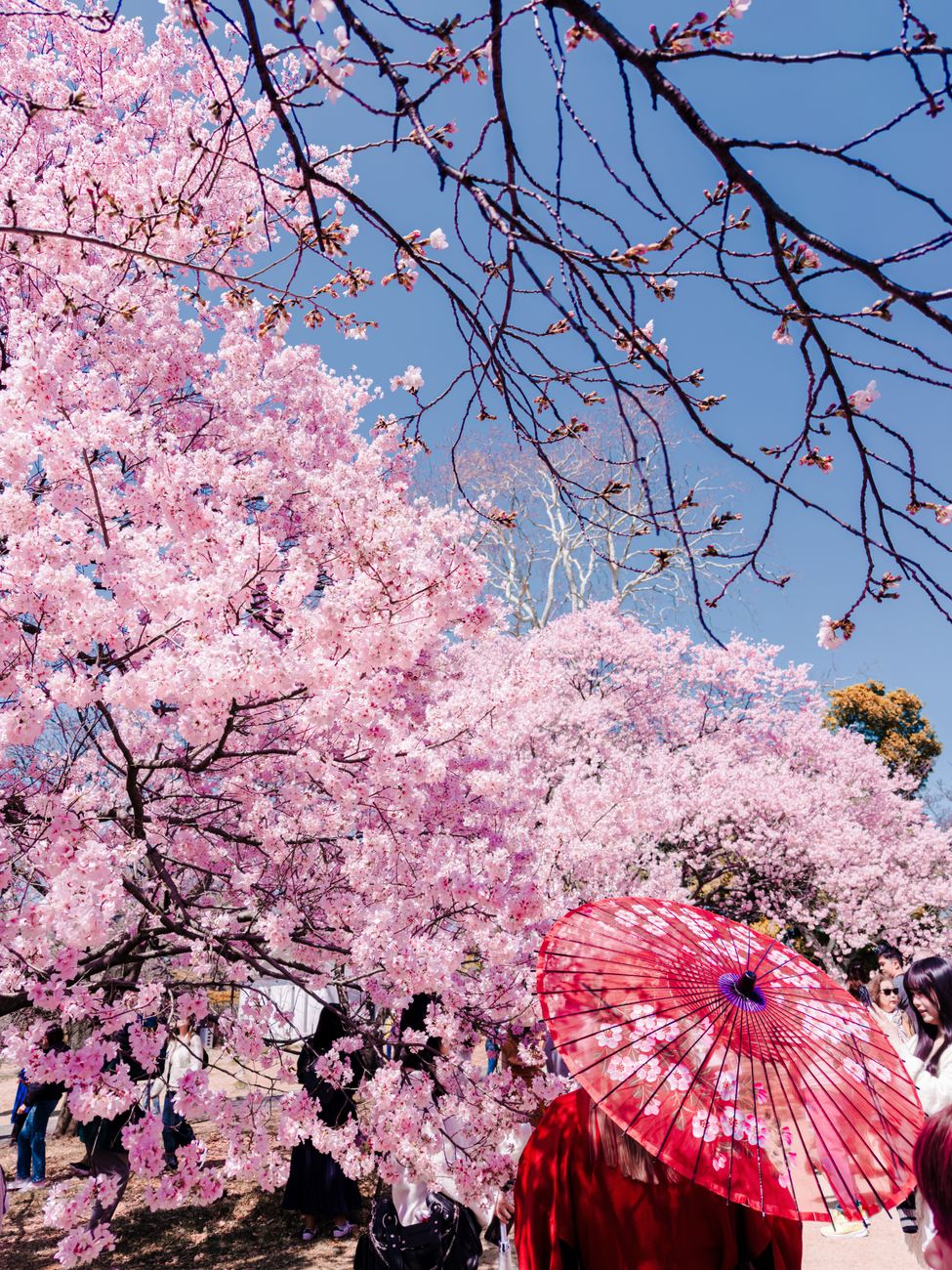
Every spring, millions gather under cherry trees for hanami—literally, "flower viewing." Families spread tarps, share food, drink sake, laugh under branches heavy with blooms. It's a celebration, yes, but also a meditation.
You sit. You look up. You watch petals drift down into your cup, onto your shoulder, across the grass. You know they'll be gone soon. Everyone knows. And somehow that makes the moment sweeter, more urgent, more alive.
Hanami isn't about capturing the perfect Instagram shot (though plenty do). It's about being present with something that won't wait for you. The blossoms teach you to show up, to notice, to let the moment be enough.
Why impermanence matters now
In a world obsessed with preservation—filtered photos, anti-aging creams, cloud backups of every memory—sakura season offers a different invitation. It asks you to love something you cannot keep.
The blossoms don't apologize for falling. They don't try to last longer than they should. They simply bloom, stun the world for a handful of days, and let go.
And every year, people wait for them. Not despite their brevity, but because of it.
The petals will fall again this spring, just as they have for centuries. The question is whether you'll be there, standing beneath them, learning what they've always known: that the most beautiful things are the ones we cannot hold.
FAQ
Chaware curates authentic Japanese crafts — straight from the makers in Japan to your table.
Explore the Chaware collection →