Hanami: A Complete Guide to Japan's Cherry Blossom Viewing Tradition
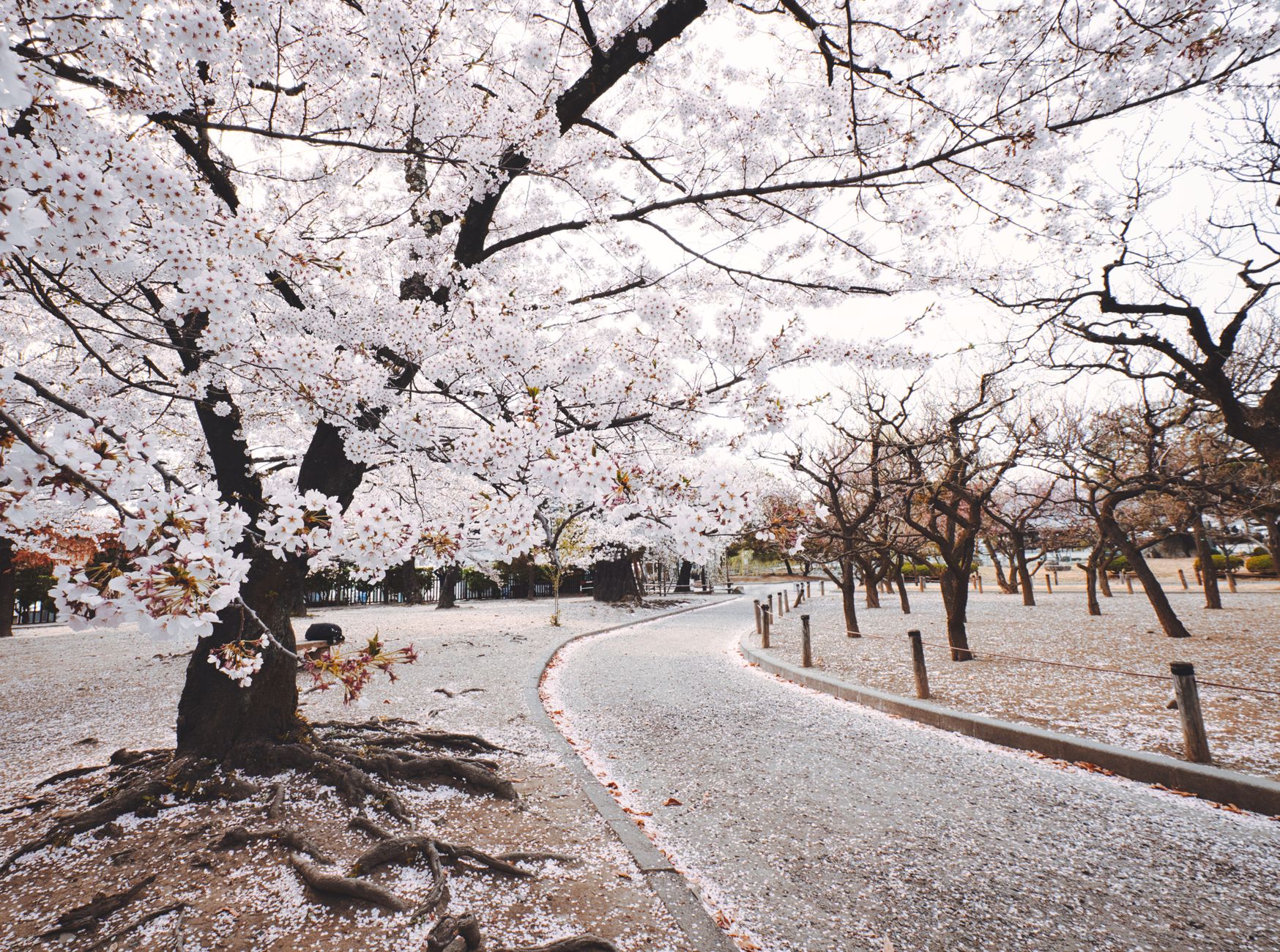
The petals are falling, and all of Japan stops to watch.
Every spring, millions gather beneath flowering trees to do something that might look, to the outside observer, remarkably simple: sit, eat, drink, and stare upward at blossoms that will be gone within a week. This is hanami—cherry blossom viewing—and it's far more than a picnic under pretty trees.
The beauty that doesn't wait
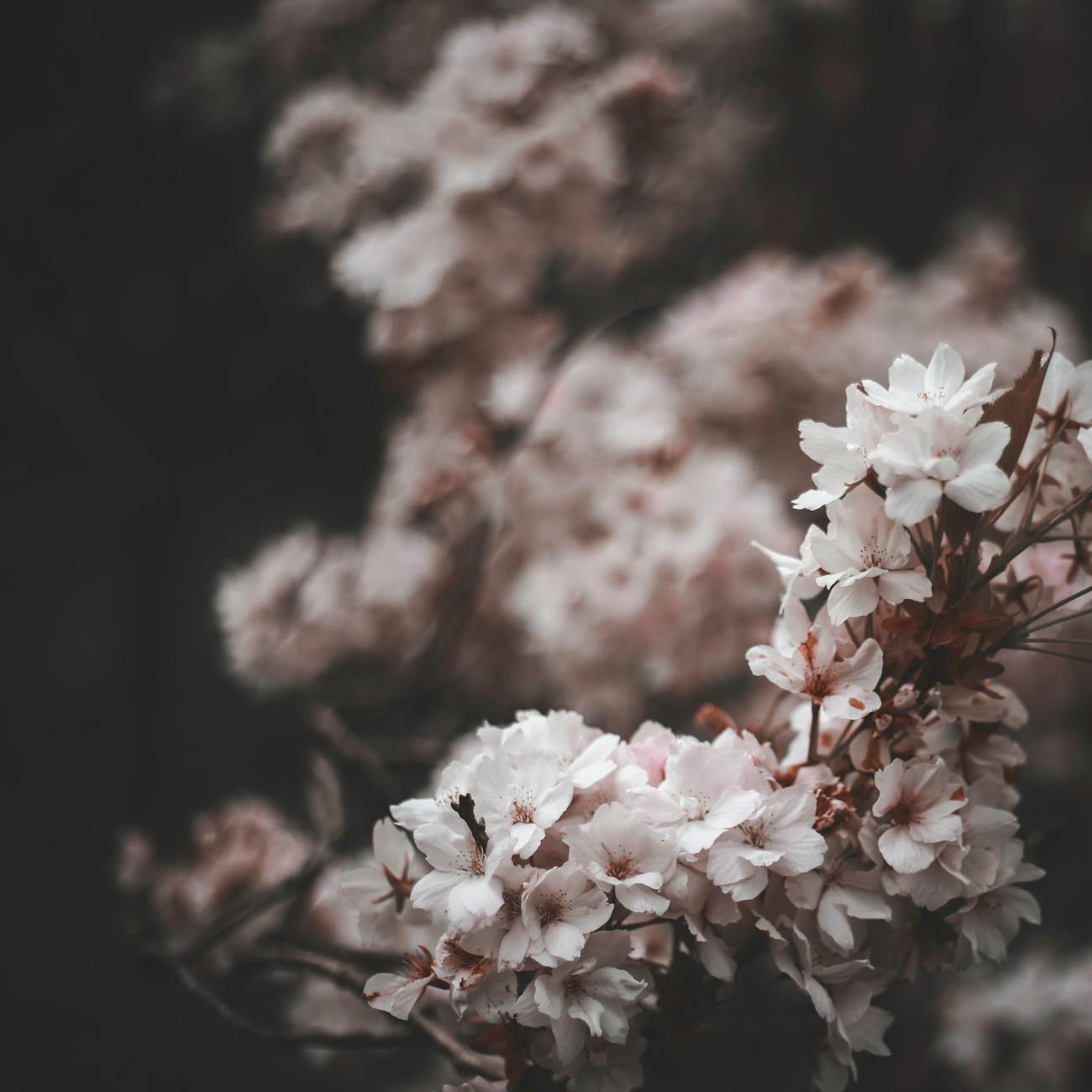
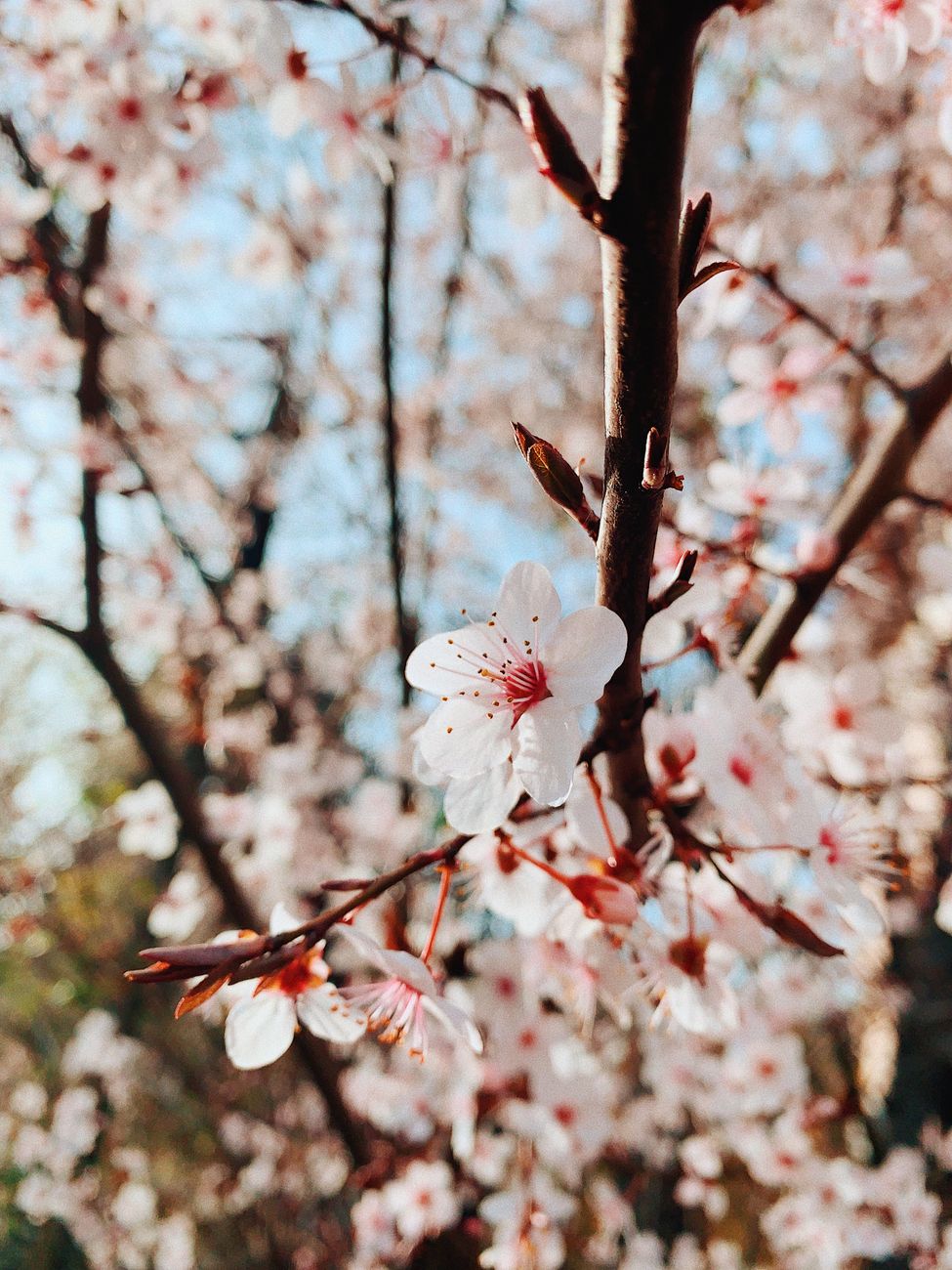
Sakura (cherry blossoms) bloom for roughly one week. Maybe ten days if you're lucky. The entire country follows the sakura zensen—the cherry blossom front—as it sweeps north from Okinawa in January to Hokkaido in May, a slow pink wave that moves with the warming earth. Weather reports track it like a storm system. Train stations post updates. People plan their year around it.
This brevity is the point. The blossoms arrive suddenly, peak brilliantly, then scatter—a living reminder of mono no aware, the poignant awareness of impermanence that threads through Japanese aesthetics. You can't save them. You can't extend them. You can only show up.
What actually happens at hanami
You claim your spot early—sometimes absurdly early. In popular parks, people arrive at dawn to spread blue tarps beneath the trees, staking territory for their group's evening gathering. By afternoon, the parks transform into temporary villages of colleagues, families, and friends sitting in circles, sharing food and sake as petals drift down into cups and onto plates.
Hanami is less about admiring from a distance and more about living beneath the blossoms.
The food matters. Bento boxes appear, often elaborately packed. Dango (sweet rice dumplings) are traditional, especially hanami dango—three-colored spheres of pink, white, and green skewered together. Fried chicken. Onigiri. Sake, beer, or sweet amazake. The meal unfolds slowly, punctuated by laughter, toasts, and the occasional gust that sends a flurry of petals across the gathering.
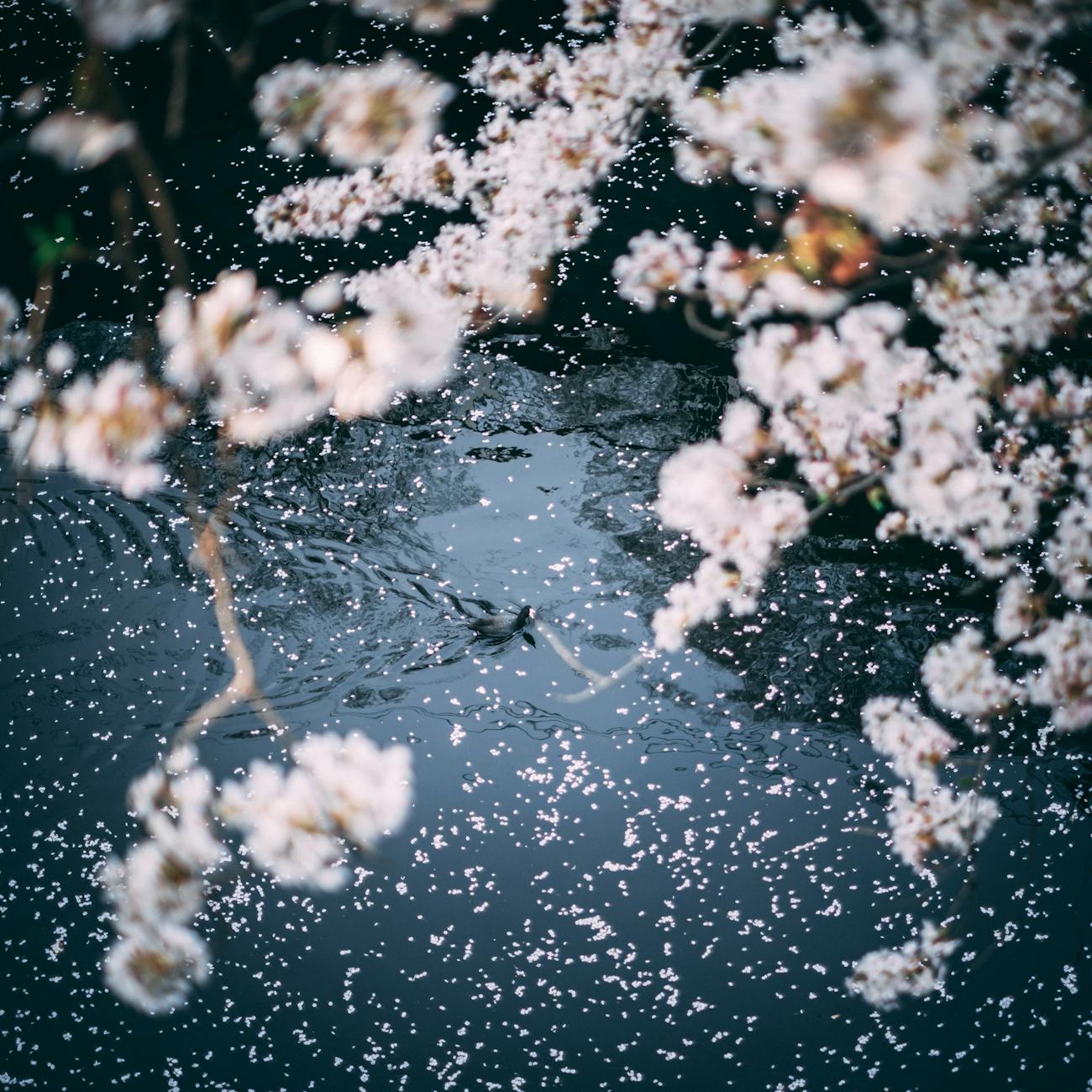
At night, some parks light the trees from below—yozakura, night blossom viewing. The flowers glow ghostly and strange against the dark, their whiteness amplified, their fragility more pronounced.
The history beneath the branches
Hanami wasn't always democratic. A thousand years ago, it belonged to the imperial court—aristocrats composed poems beneath flowering trees, linking blossoms to themes of love, loss, and the fleeting nature of beauty. Samurai adopted the practice centuries later, drawn perhaps to the parallel between the brief life of a blossom and the warrior's own uncertain existence.
By the Edo period, cherry blossom viewing had spread to commoners, becoming the raucous, joyful, slightly chaotic spring festival it remains today. The trees themselves were planted deliberately—along rivers, in temple grounds, throughout city parks—transforming hanami from elite pastime to national ritual.
How to hanami with intention
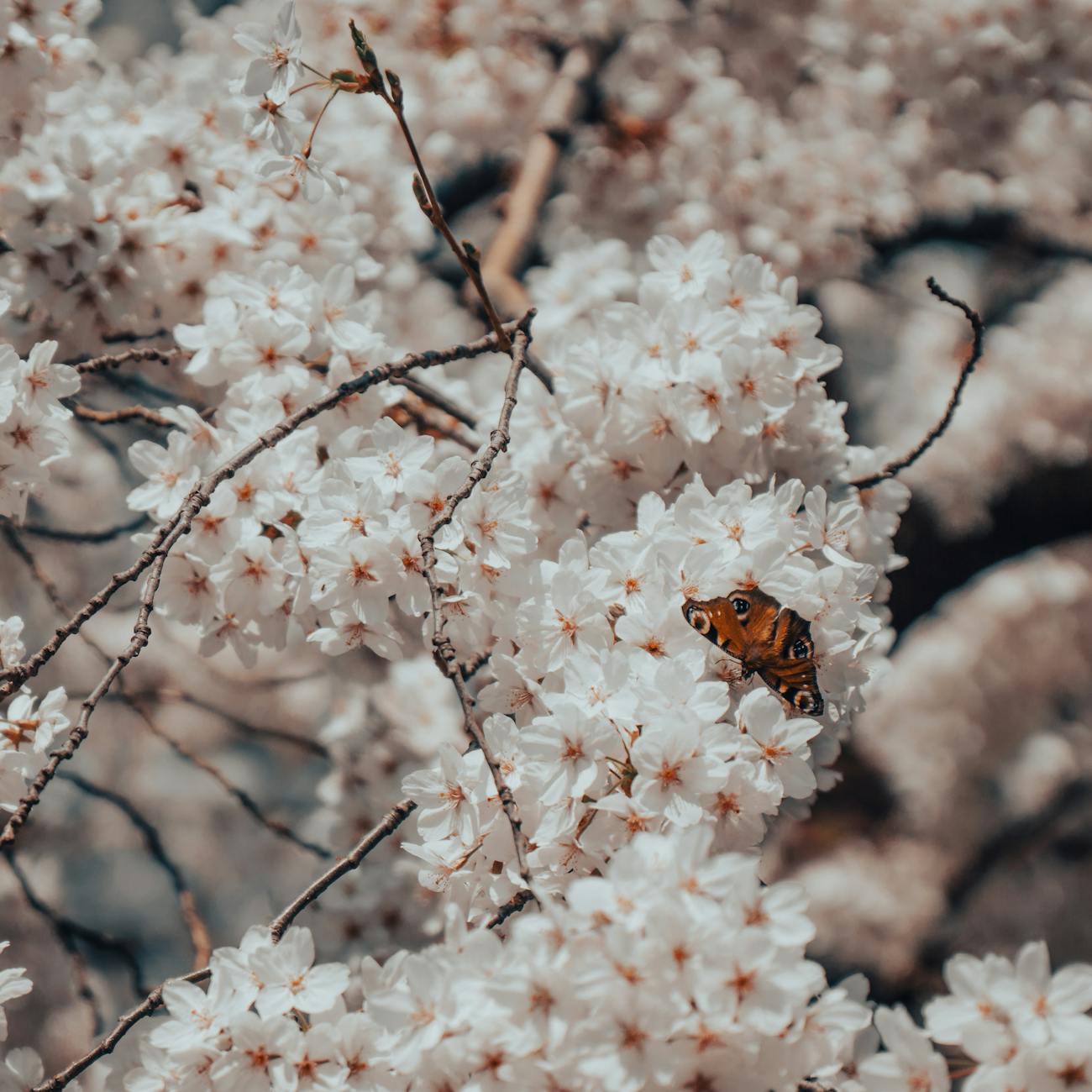
If you find yourself in Japan during sakura season, skip the selfie scramble. Arrive as the light softens. Bring something to sit on, something to share, and someone to share it with—or go alone and simply be still. Notice how the blossoms look backlit. Notice their faint scent, easy to miss in the noise. Notice the people around you doing the same thing humans have done here for centuries: pausing, together, to acknowledge what won't last.
The petals will fall whether you're watching or not. Hanami is the choice to watch anyway.
FAQ
Chaware curates authentic Japanese crafts — straight from the makers in Japan to your table.
Explore the Chaware collection →