The Philosophy Behind Wabi-Sabi in Tea Houses: Where Imperfection Becomes Beauty
On this page
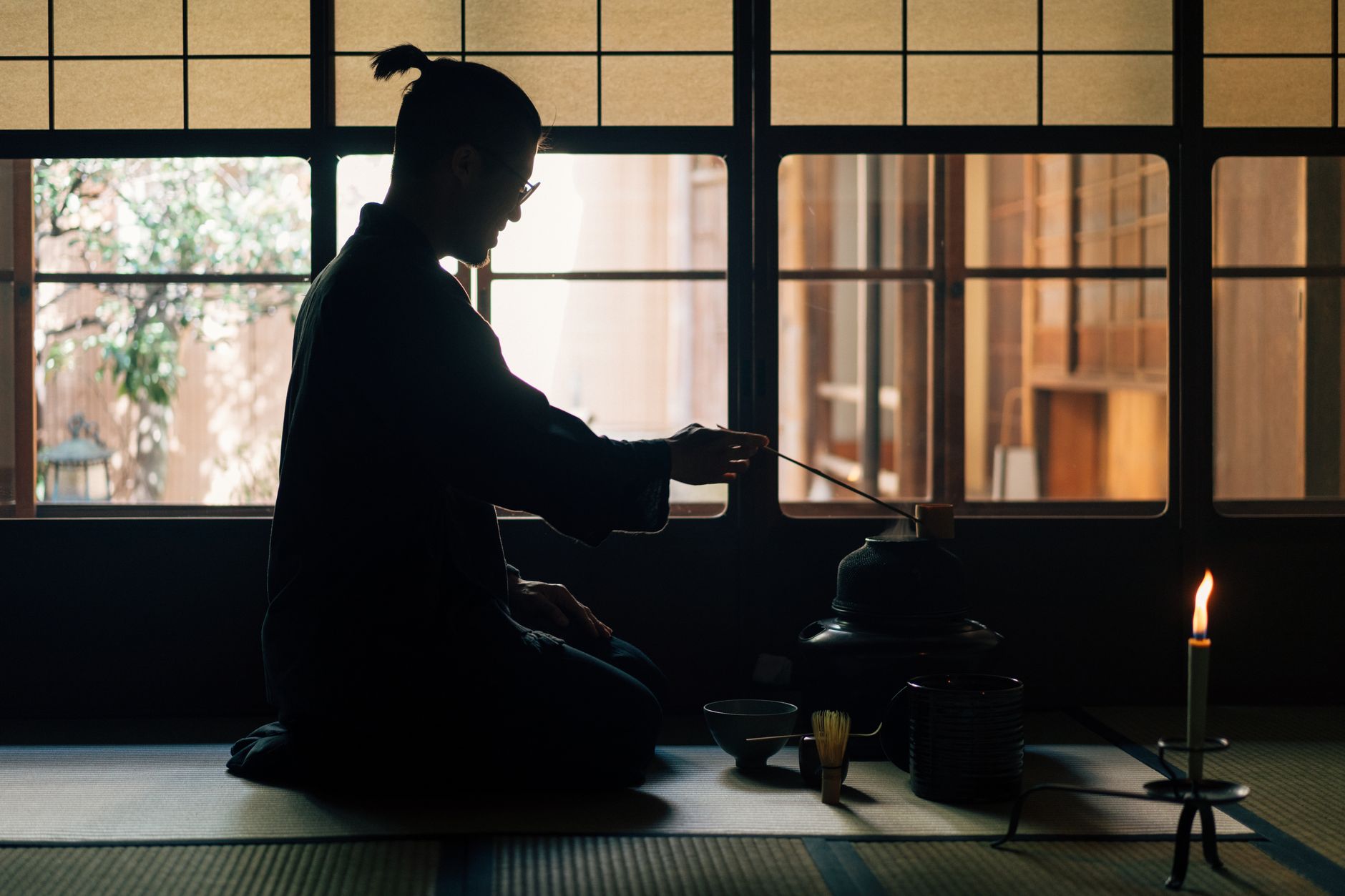
You kneel on the tatami, your knees pressing into woven grass that still smells faintly of summer. The tea house ceiling is so low you could graze it with your fingertips—and that's entirely the point.
The beauty of being small
Wabi-sabi didn't arrive in Japanese tea houses by accident. It was deliberately invited in, championed by 16th-century tea master Sen no Rikyū, who believed luxury was the enemy of truth. He stripped tea rooms down to their bones: rough clay walls left unfinished, a single crooked flower in a cracked vase, doorways so narrow that samurai had to leave their swords—and their egos—outside.
The aesthetic wasn't poverty. It was precision in what to remove.
In a wabi-sabi tea house, asymmetry isn't a flaw—it's the signature. A support beam might show its natural curve rather than being planed straight. The alcove (tokonoma) might hold a scroll with deliberate ink smudges, or a ceramic bowl with a glaze that pooled unevenly in the kiln. These aren't mistakes waiting to be corrected. They're invitations to look closer, to find richness in restraint.
What happens when nothing competes for attention
Step into a traditional tea house and count the colors. You'll rarely get past five. Earthen browns, charcoal grays, the pale gold of aged bamboo, the green-black of matcha. This isn't minimalism for its own sake—it's about creating a visual quiet so profound that a single red maple leaf becomes an event.
In wabi-sabi, imperfection is not tolerated—it's celebrated as evidence of a life fully lived.
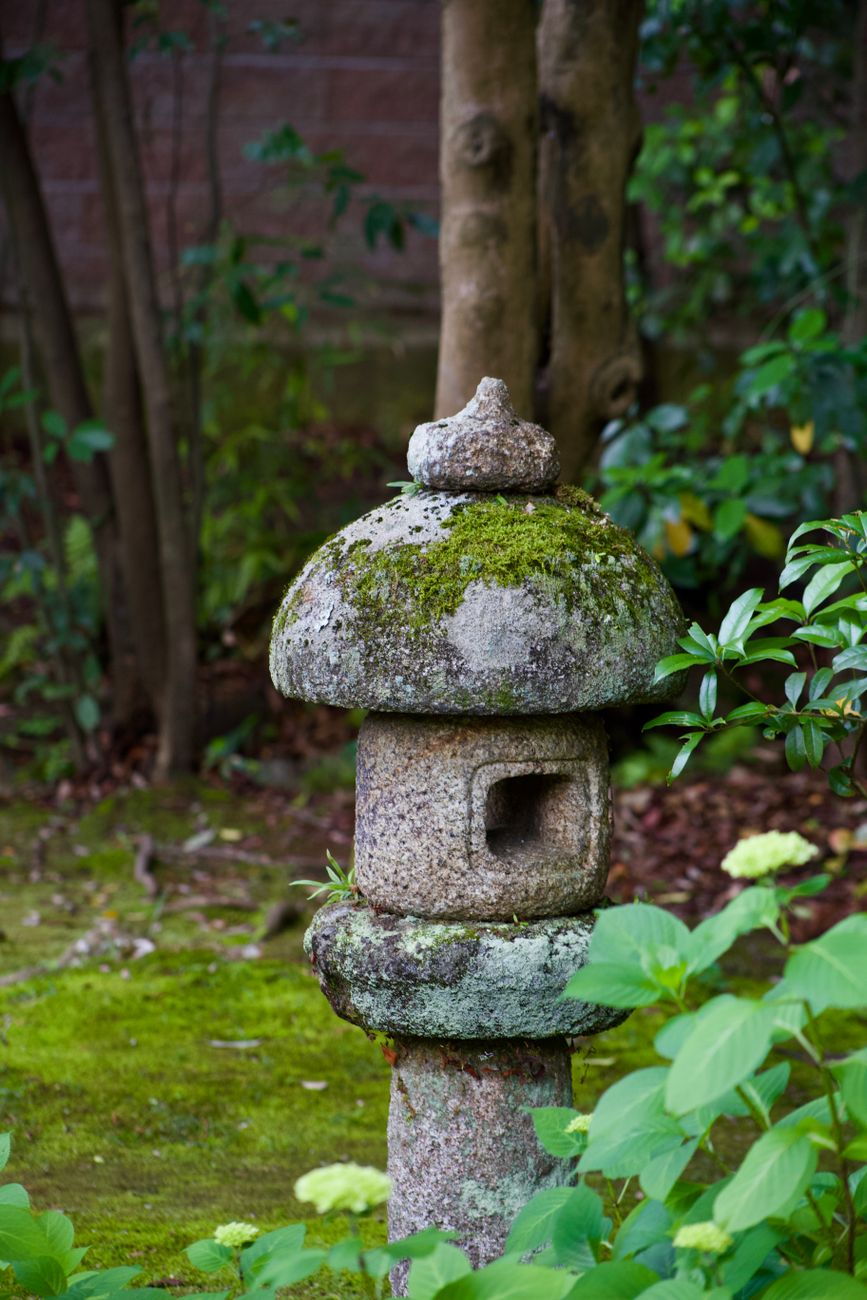
The materials themselves tell stories of time passing. Wood darkens where hands have touched it for generations. Clay walls develop hairline cracks that map the seasons. Rain stains trace paths down stone. Western design often fights against aging; wabi-sabi tea house aesthetics collaborate with it, understanding that patina is a form of honesty.
The entrance that makes you humble
The nijiriguchi—the tiny crawl-through entrance to many tea houses—measures roughly two feet square. Everyone, regardless of rank, must bow deeply and enter on hands and knees. You can't rush through it. You can't bring weapons through it. You can't maintain pretense through it.
This forced humility isn't about submission. It's about reset. The moment your body folds to fit through that small opening, you're practicing a physical form of wabi: the acceptance of simplicity, the acknowledgment that you are not the center of the universe. The tea room becomes a pocket of equality, where the only hierarchy is between guest and host, and even that is fluid.
Why the walls stay unfinished
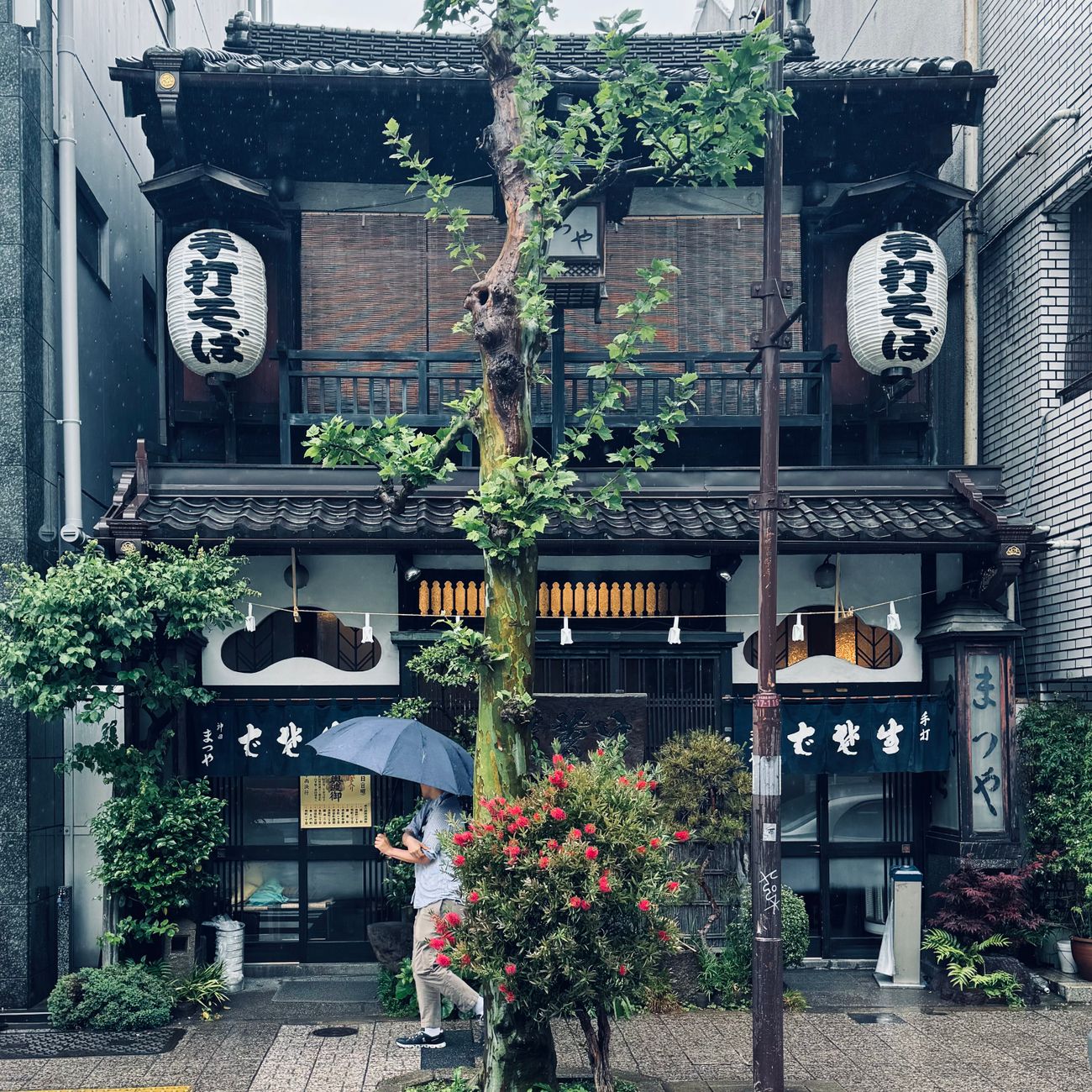
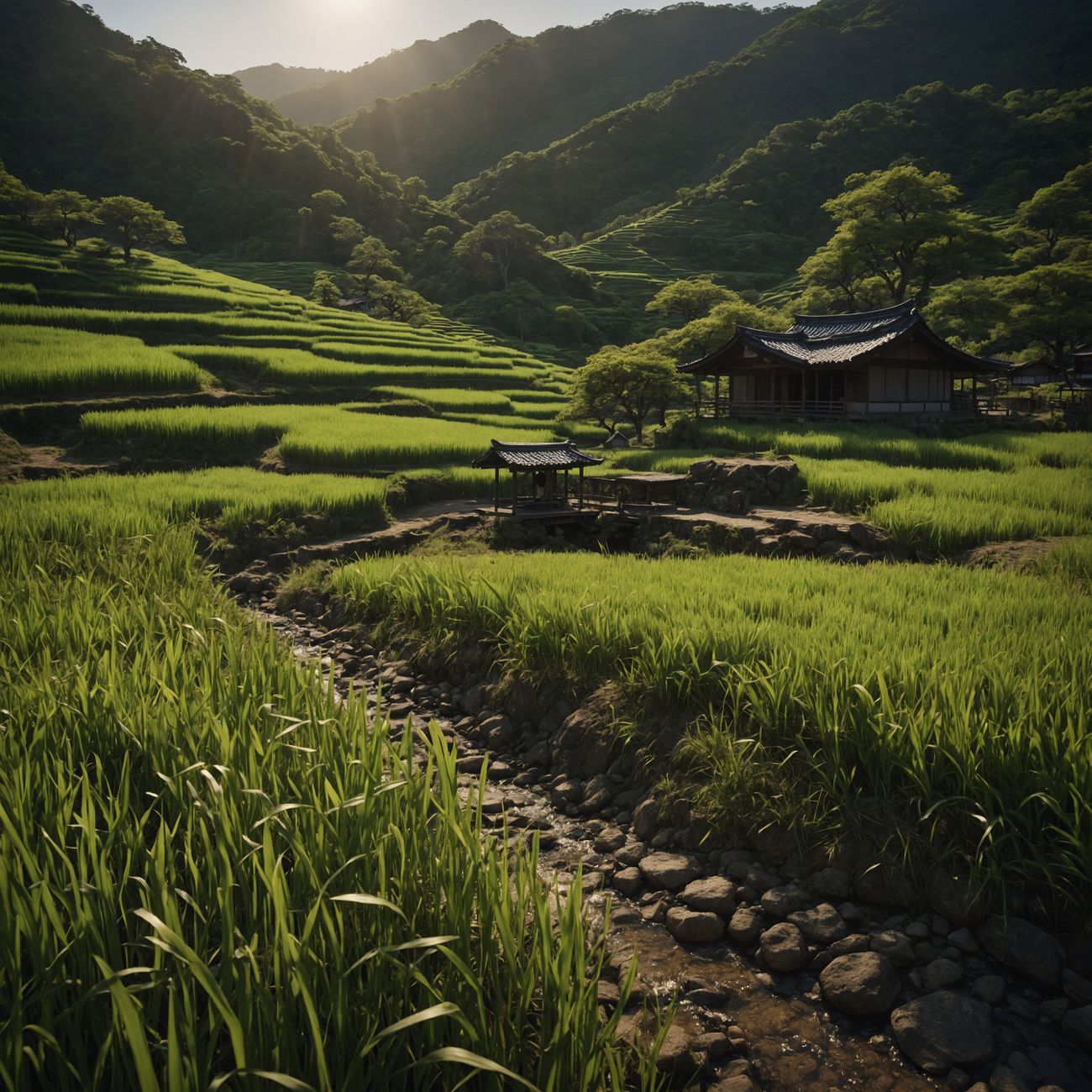
Walk around Kyoto and you'll notice that many historic tea houses look almost unbuilt—exposed wooden framework, clay walls with visible straw fibers, corners that don't quite meet. This isn't neglect. It's sabi: the aesthetic of natural aging, the visible hand of time, the understanding that completion is a kind of death.
A perfectly smooth, sealed wall suggests nothing more can happen to it. A textured, porous surface promises change. It will darken. It will weather. It will absorb the smoke of a hundred tea ceremonies and the humidity of a thousand summer rains. The tea house becomes a living archive, recording time in stains and shadows.
The paradox sits at the heart of it all: by designing for impermanence, these structures achieve a permanence that polished marble never could. Because they were never trying to defeat time—just to dance with it, one careful step at a time.
FAQ
Chaware curates authentic Japanese crafts — straight from the makers in Japan to your table.
Explore the Chaware collection →