Understanding Tatami Room Layout: A Guide to Traditional Japanese Floor Design
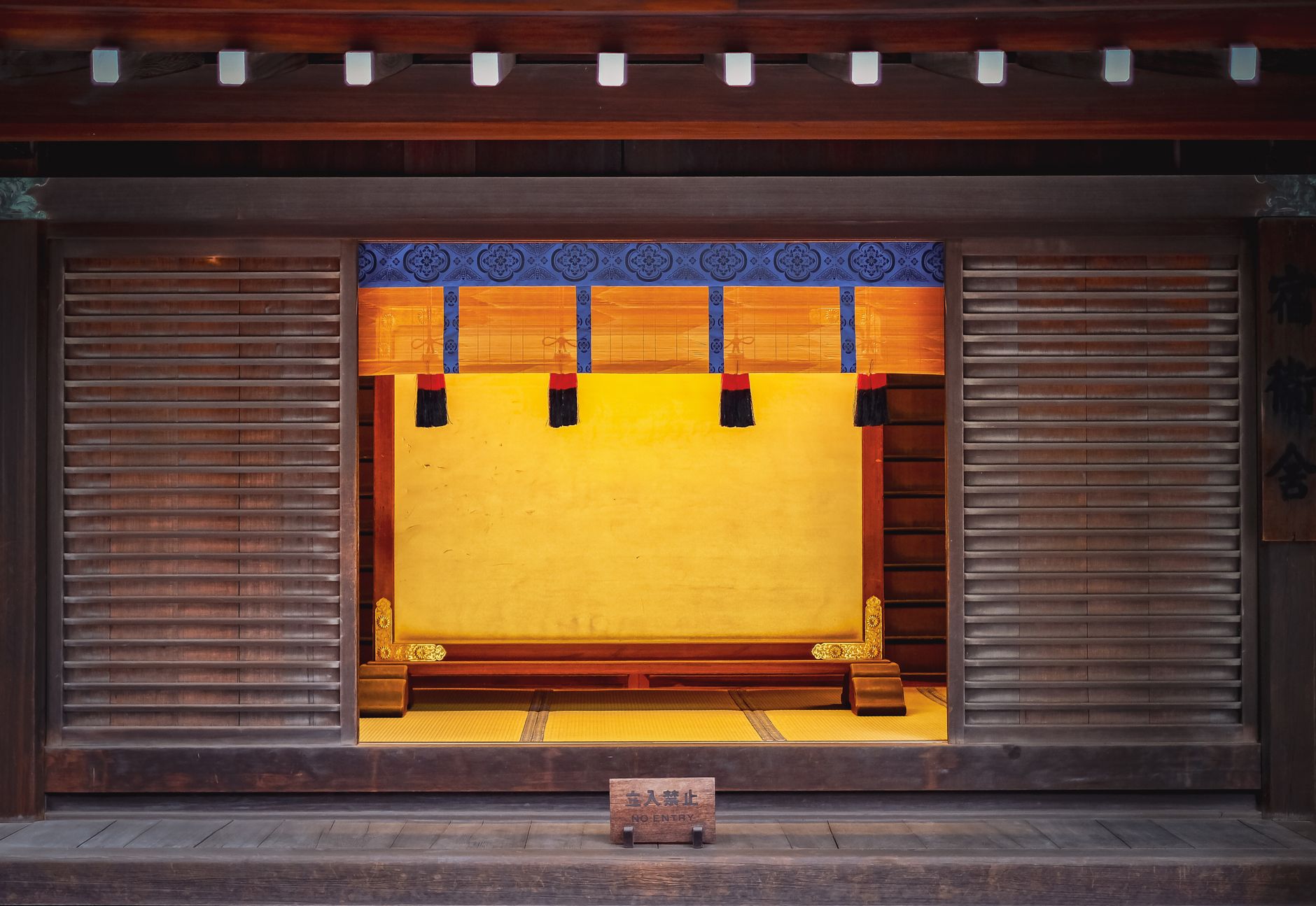
You step into a traditional Japanese room, and something feels different. The floor isn't just a floor—it's a grid, a measuring system, a whisper of how people have lived here for centuries.
The room that measures itself
Tatami mats aren't decoration. They're the architecture itself.
In Japan, room size is still counted not in square meters, but in mats: a six-mat room, an eight-mat room, a four-and-a-half-mat tea room. Each mat follows a ratio that's remained unchanged for hundreds of years—roughly twice as long as it is wide. Stand in the doorway of a traditional home, and you're reading the room's dimensions through its woven surface.
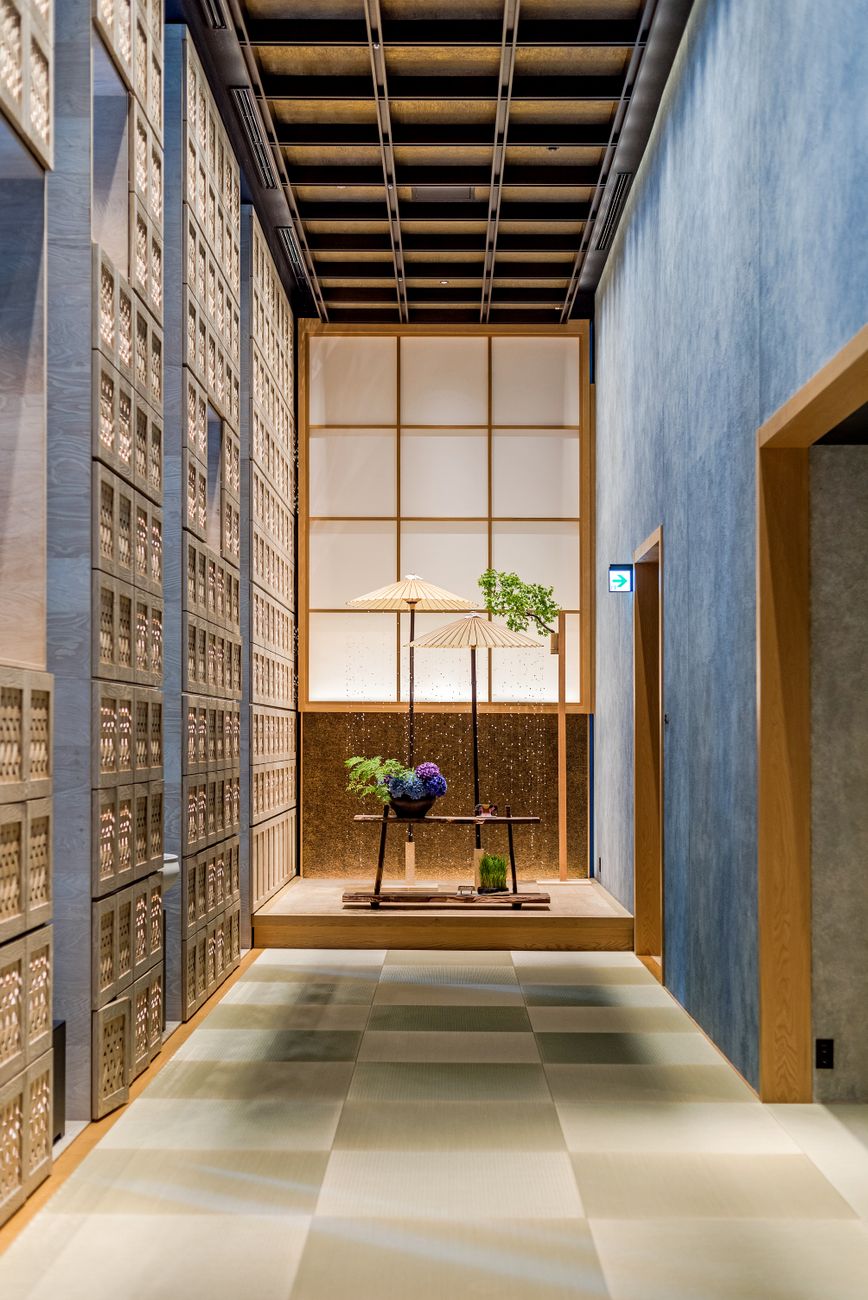
The mats lock together in patterns that shift depending on the room's size. A four-and-a-half-mat layout radiates from a center point. A six-mat room staggers them like brickwork. An eight-mat room creates symmetry. The Japanese have a superstition about these arrangements: never let four corners meet at one point. It forms a cross pattern called inauspicious, a shape associated with funerals.
One size does not fit all
Here's where it gets tricky: tatami mats aren't actually standardized across Japan.
A kyōma mat from the Kyoto-Osaka region measures about 95.5 by 191 centimeters. Head to Tokyo, and you'll find the slightly smaller edoma standard—roughly 88 by 176 centimeters. The difference emerged centuries ago from how builders approached construction. Kyoto craftsmen sized rooms to fit the mats. Edo (Tokyo) builders did the opposite—they built the frame first, then cut mats to fit.
The mat didn't just fill the room; in Kyoto, the mat was the room.
This regional variation still exists. Modern apartment listings in Japan will specify not just the number of mats, but sometimes which standard they're using. A six-mat room in Kyoto feels noticeably more spacious than its Tokyo equivalent.
The grammar of placement
Walk carefully. There's an etiquette to tatami.
You don't step on the cloth borders between mats—the heri. Traditionally, family crests were sometimes woven into these edges, making it disrespectful to tread on them. Even in homes without crests, the habit persists. It's also practical: the borders wear faster under foot traffic.
Furniture arrangement follows the grid. Low tables center on mat intersections. Futons align with the mat's length. The entire room becomes modular, adaptable. By day, a sitting room. By night, a bedroom. The mats don't just cover the floor—they organize how life unfolds across it.

Breathing floors
Tatami does something remarkable: it regulates.
Woven from soft igusa rush grass over a rice straw or synthetic core, each mat absorbs moisture when the air is humid and releases it when dry. The material stays cool in summer, insulating in winter. New tatami carries a distinct grassy scent—fresh, green, slightly sweet—that fades over the first year into something earthier.
The mats require maintenance. They're flipped and rotated, replaced every few years depending on wear. Some families mark the seasons by when they air out the tatami, lifting them to let the underside breathe. It's a floor that demands attention, that ages visibly, that asks you to care.
In a world of static surfaces, tatami remains alive—expanding, contracting, softening underfoot with each passing year.
FAQ
Chaware curates authentic Japanese crafts — straight from the makers in Japan to your table.
Explore the Chaware collection →