Why Japanese Meals Use Many Small Dishes: The Art of Ichiju-Sansai
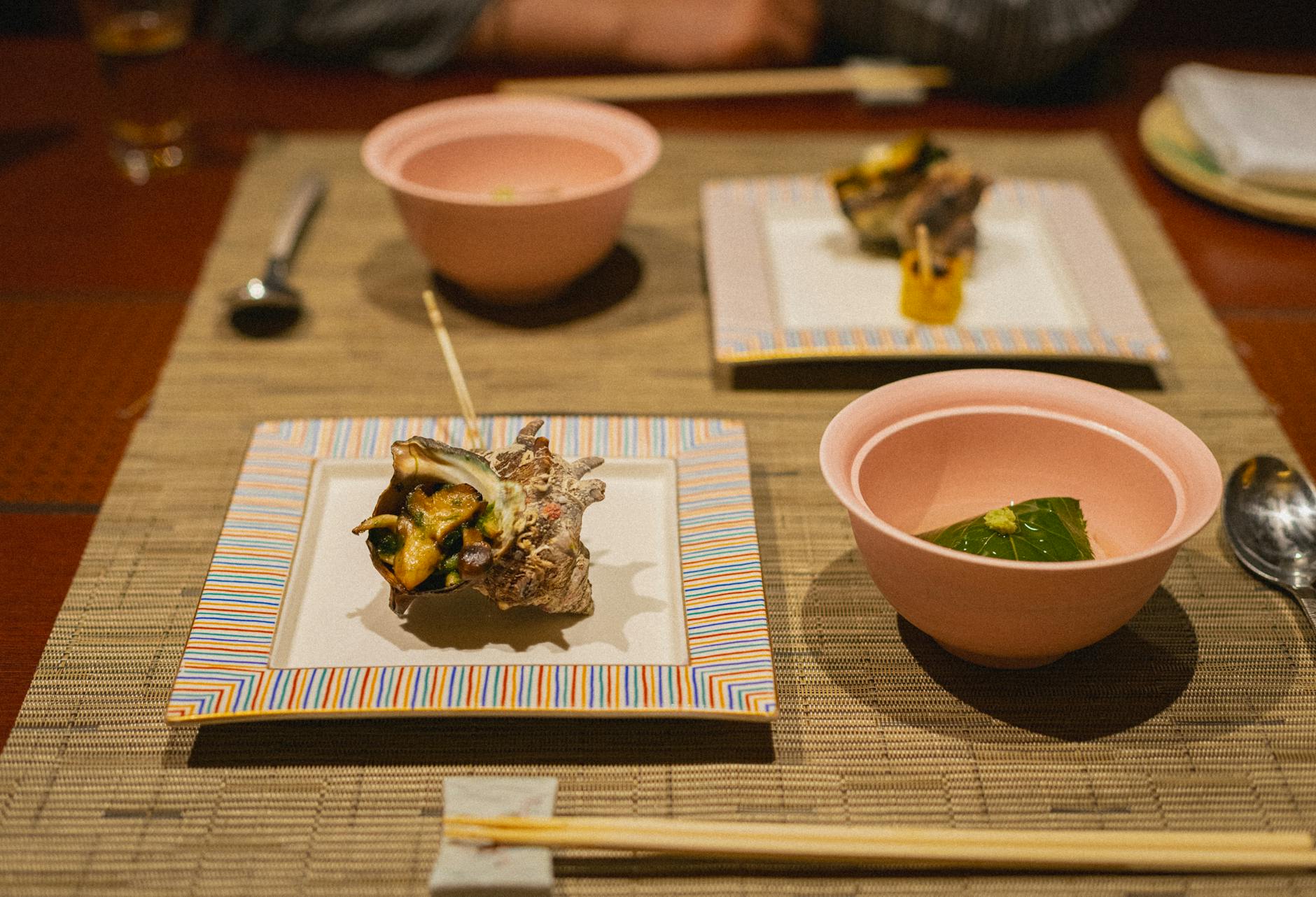
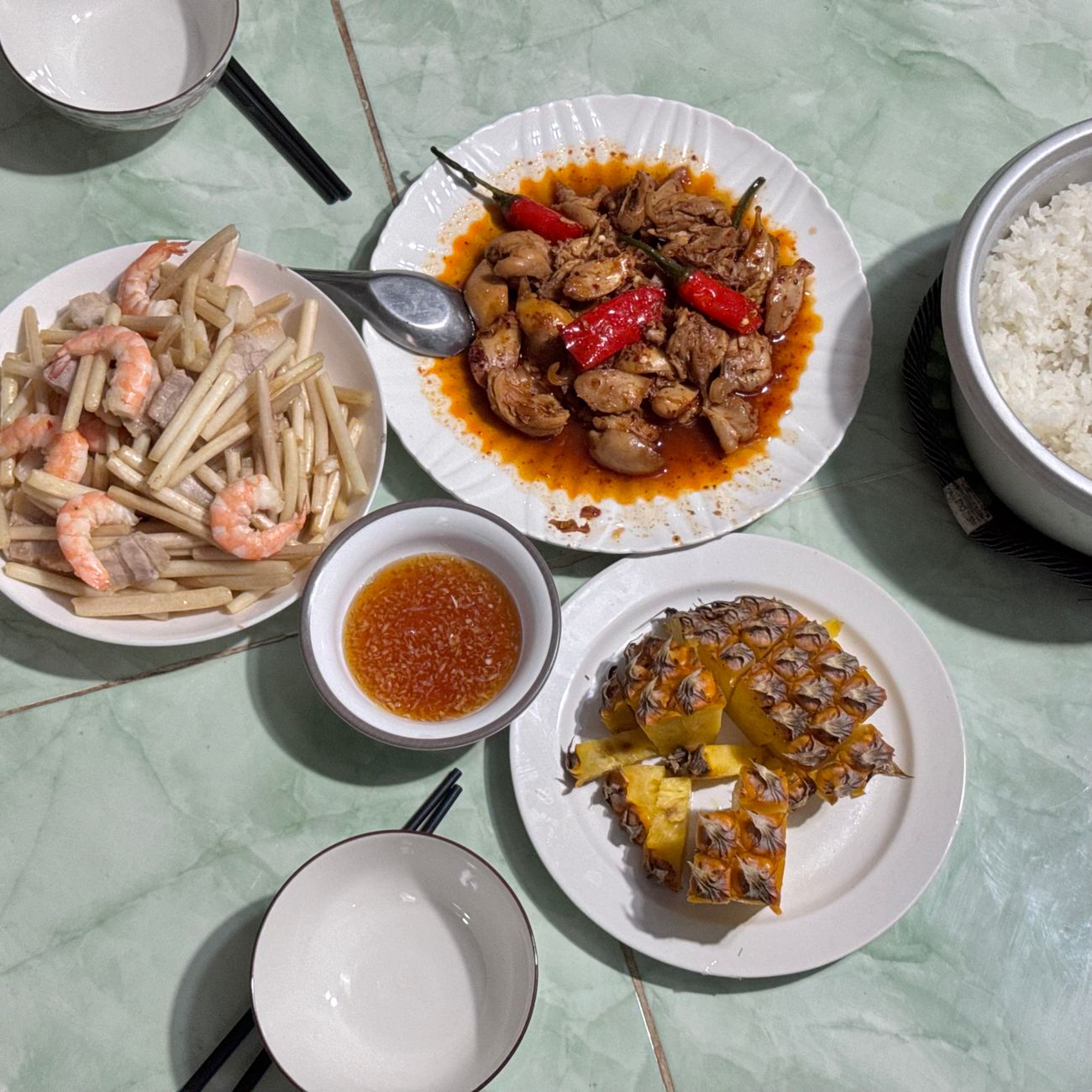
You sit down to a Japanese meal and suddenly you're surrounded by dishes. Not one big plate—five, six, sometimes more tiny bowls and plates, each holding just a few bites. It feels like a puzzle, or maybe a gift. But why?
The philosophy hiding in plain sight
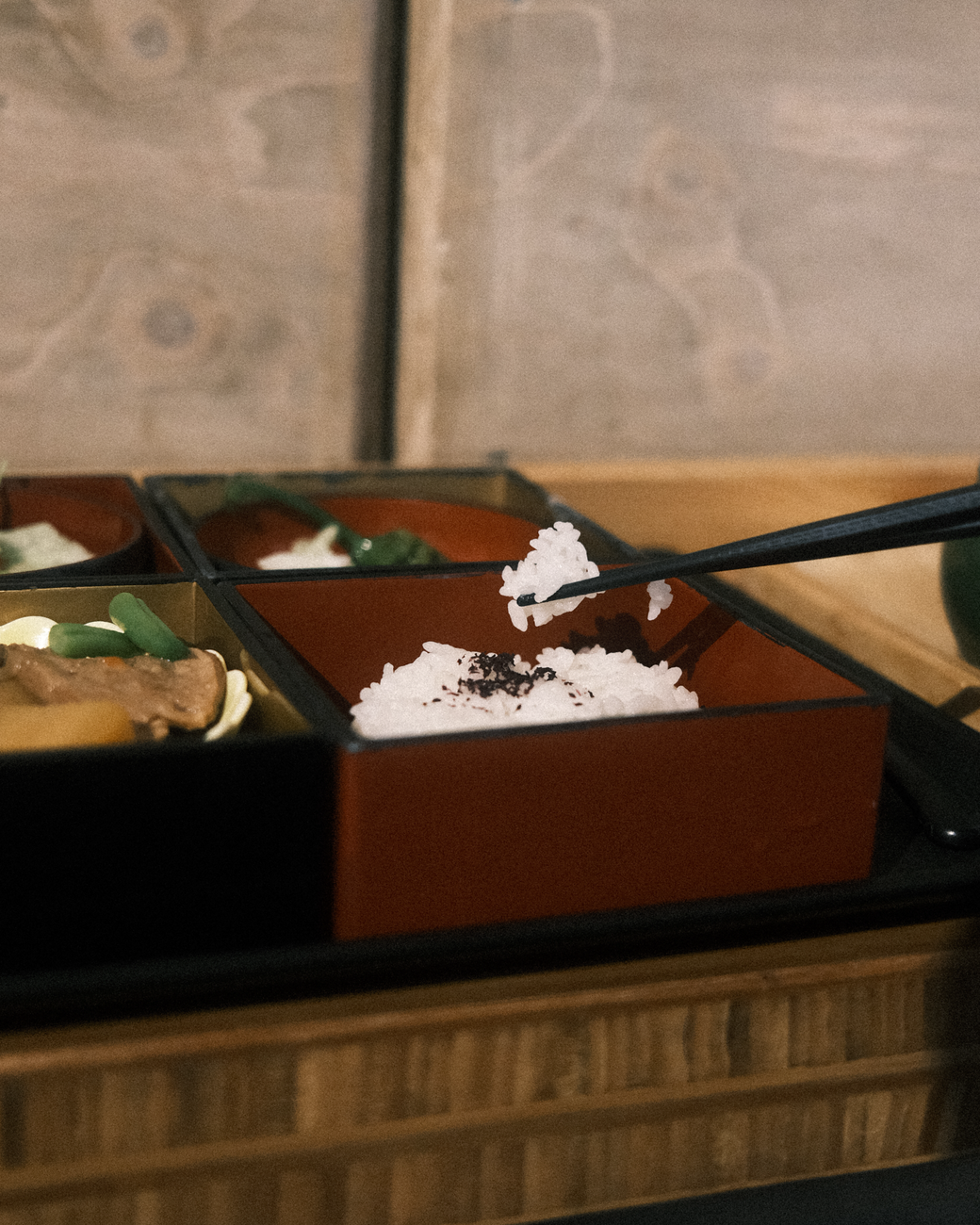
Japanese dining doesn't follow the Western logic of "main dish plus sides." Instead, it embraces ichiju-sansai—literally "one soup, three dishes"—a framework that's shaped home cooking for centuries. Rice and soup anchor the meal, while three small dishes (usually a protein, a simmered vegetable, and a pickled or raw element) orbit around them. Each gets its own vessel.
This isn't about portion control. It's about balance—nutritional, visual, seasonal. The meal becomes a composition, not a pile.
Space teaches the eye to slow down
When food is separated into small dishes, you see it differently. A single pickled plum glows against white porcelain. Simmered kabocha sits alone in a black lacquer bowl, its orange flesh almost luminous. The visual breathing room forces you to notice color, shape, texture.
Each dish becomes a frame, and the food inside it—a small, deliberate statement.
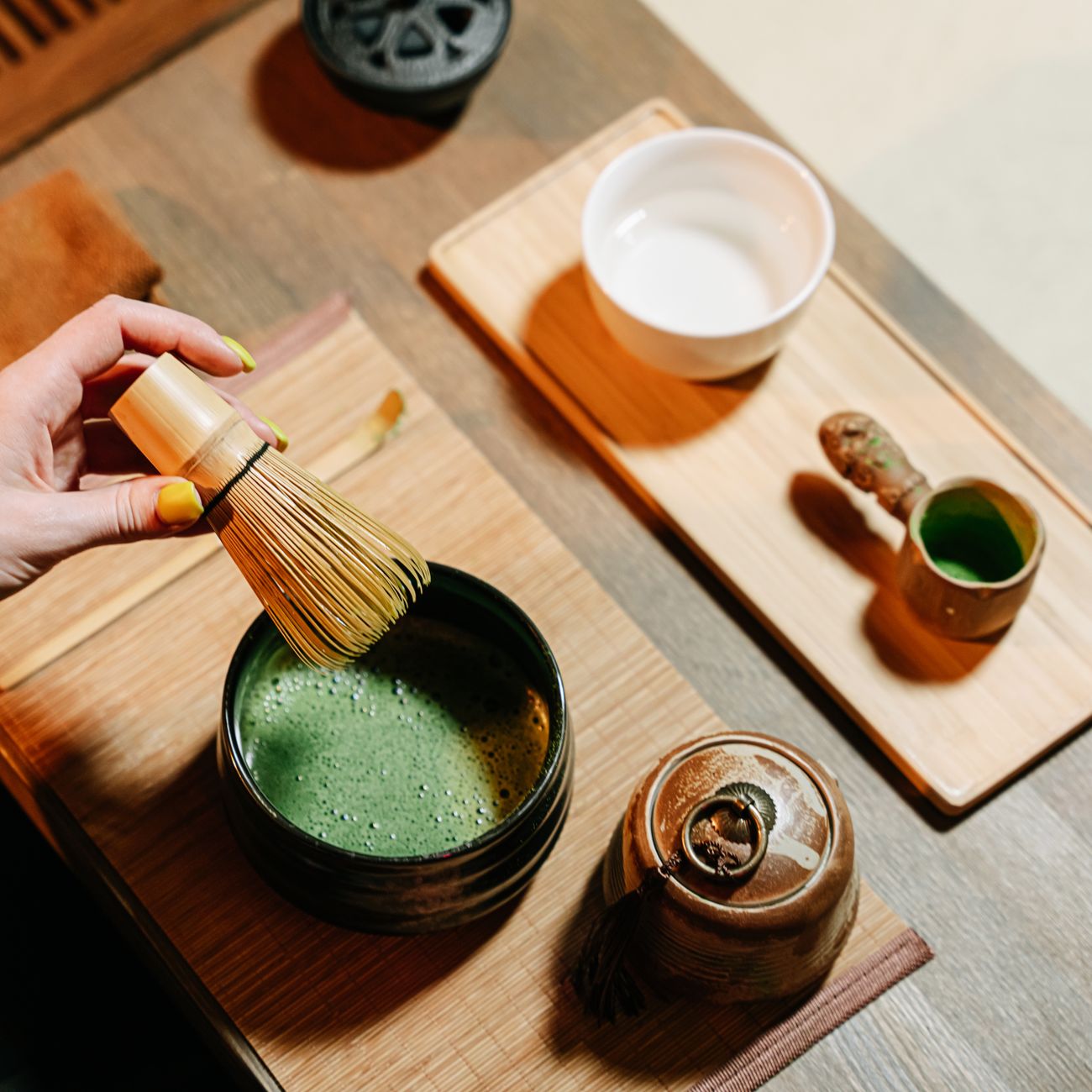
This aesthetic principle comes from wabi-sabi and tea culture, where restraint and emptiness hold as much meaning as what's present. The space around the food isn't wasted—it's intentional.
Harmony demands variety
Japanese cuisine prizes goho, the five flavors: sweet, sour, salty, bitter, umami. A traditional meal tries to include all five, which is nearly impossible if everything's heaped together. Small dishes let each flavor stand alone, then converse with the others.
You might taste miso's earthy depth, then cleanse your palate with crisp daikon pickles, then move to the clean bitterness of blanched greens with sesame. The meal unfolds in chapters, not one long paragraph.
Temperature and texture shift too—hot soup, cool tofu, crunchy pickles, silky simmered fish. Your senses stay awake.
The ceramic landscape of the table
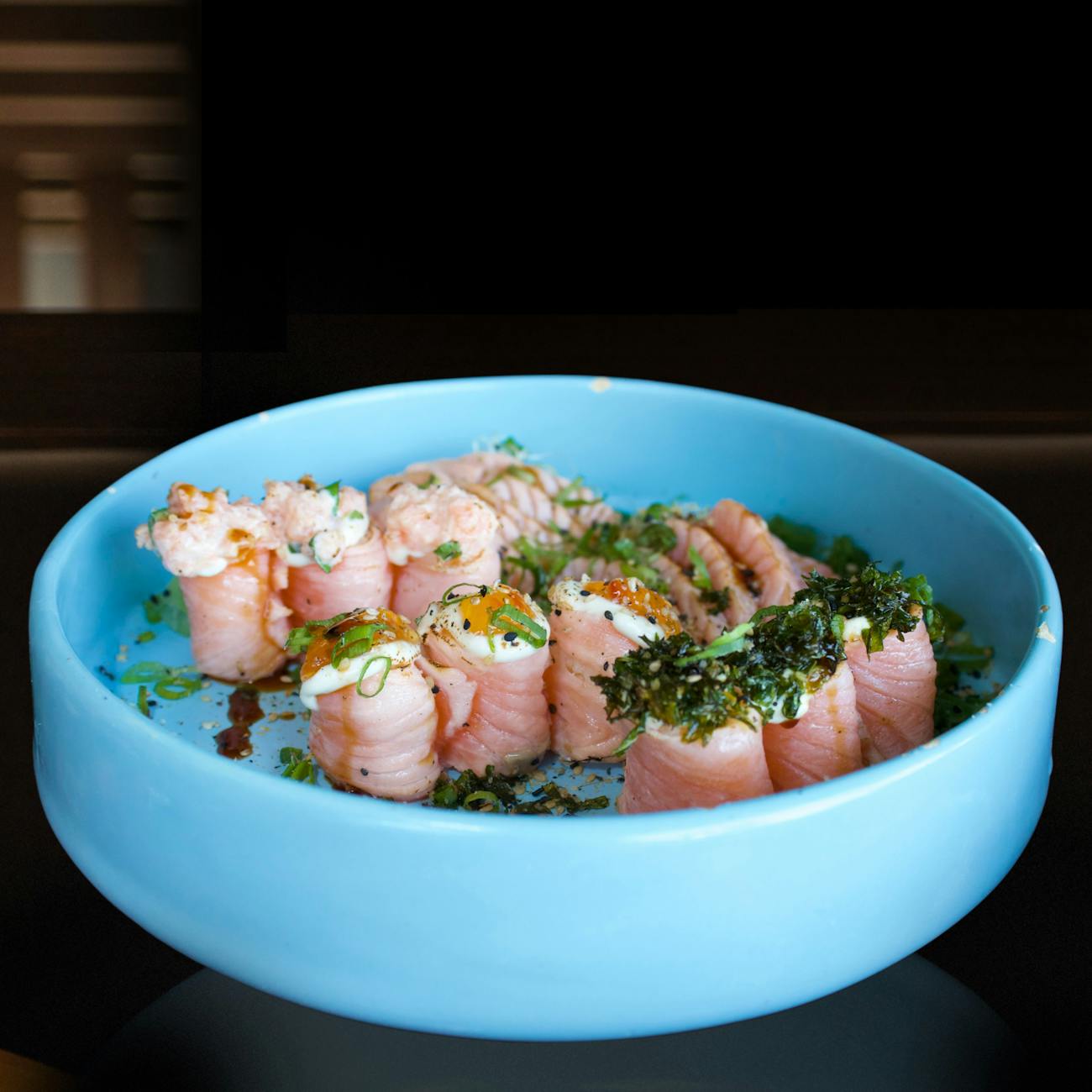
Here's where the dishes themselves matter. A Japanese table isn't dressed in matching dinnerware—it's a curated collection. Rough stoneware next to smooth porcelain. Matte black beside glossy blue-and-white. Seasonal motifs appear and disappear: cherry blossoms in spring, maple leaves in autumn.
The variety of vessels mirrors the variety of food. And because each dish is small, the cook (or host) can choose a bowl that genuinely suits what's inside it. Delicate glass for chilled tofu in summer. A deep, warm-toned bowl for winter stew.
This practice has roots in kaiseki, the multi-course cuisine born from tea ceremony, where each dish arrives on pottery chosen to complement not just the food, but the season, the occasion, the guest.
A meal that asks you to participate
Eating from many small dishes requires you to pay attention. You can't zone out and shovel. You choose what to eat next, mixing and matching flavors, building your own rhythm. Rice acts as a neutral reset between tastes. Soup warms and centers you.
It's a kind of mindfulness that doesn't announce itself. The structure does the work.
In a culture where meals have long been communal and seasonal ingredients fleeting, this format also celebrates abundance in a different key—not more of one thing, but more kinds of things, each given its moment and its own small stage.
The table becomes a landscape. And you, moving through it, taste the seasons turning.
FAQ
Chaware curates authentic Japanese crafts — straight from the makers in Japan to your table.
Explore the Chaware collection →