Ichiju Sansai: The Meaning Behind Japan's Balanced Meal Philosophy
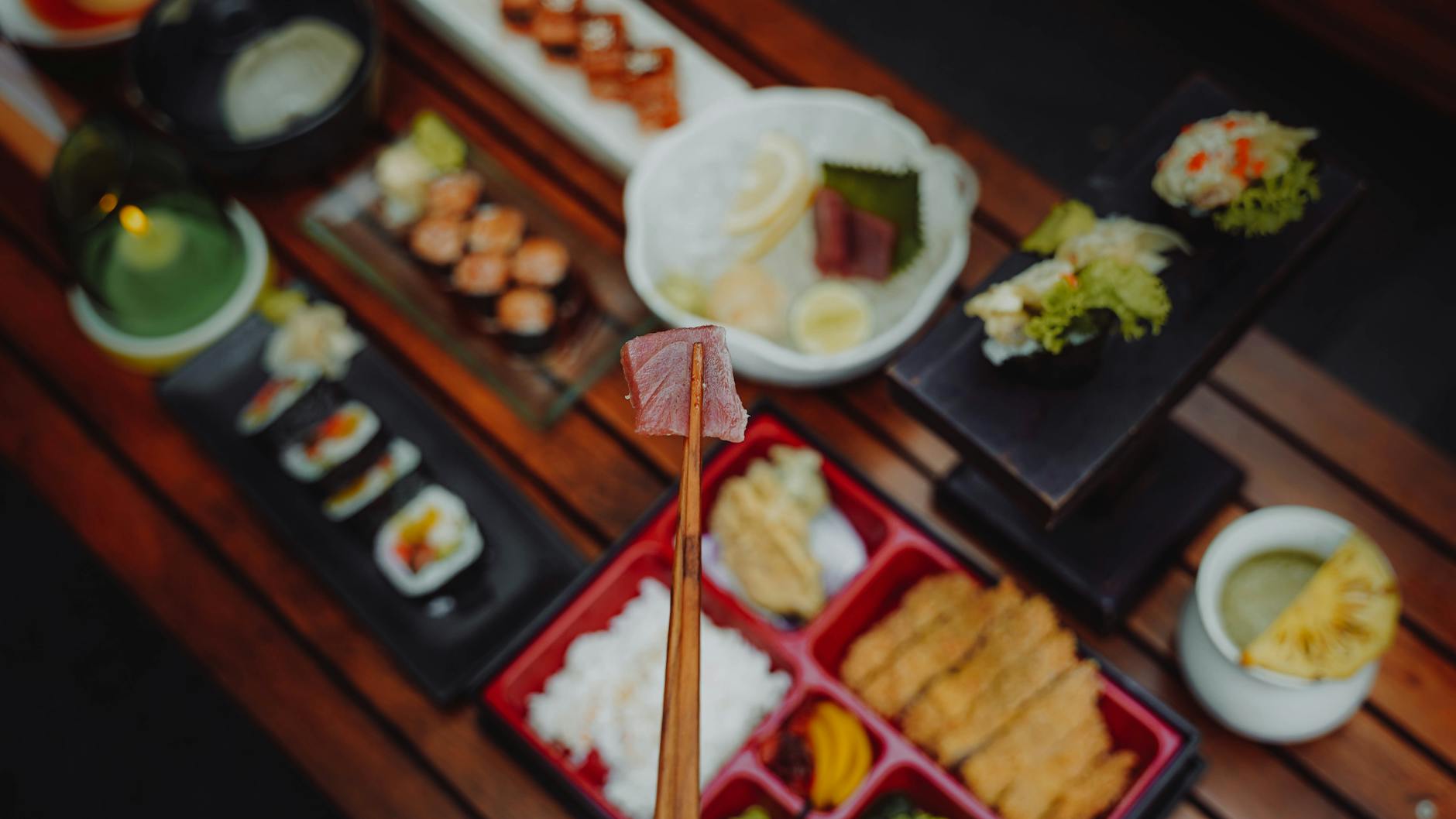
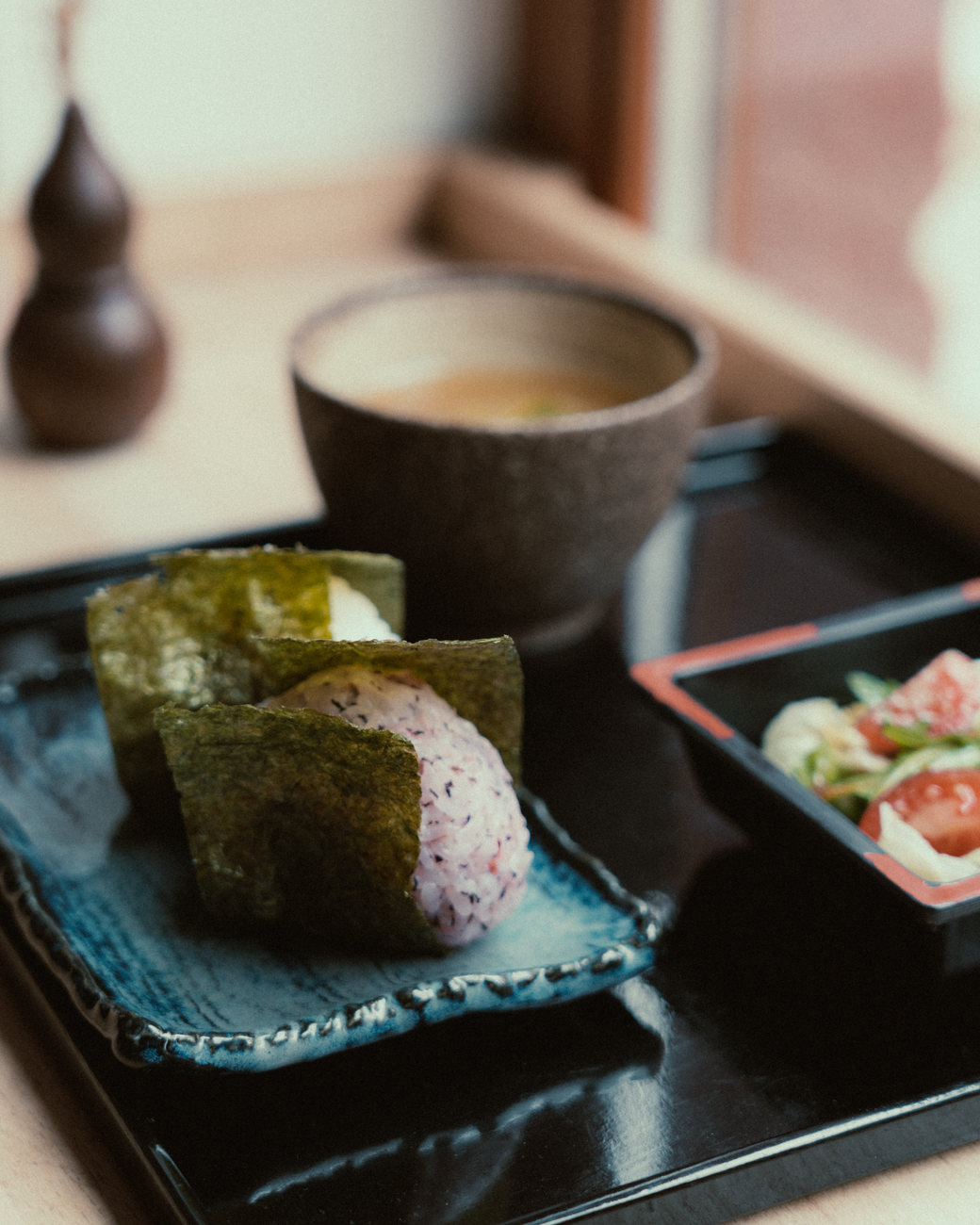
You set down the tray and everything clicks into place: a bowl of miso soup, a small dish of rice, three little plates arranged like satellites around them. It looks simple—almost spare. But this is ichiju sansai, and it contains an entire philosophy of eating.
The equation that shaped a nation's table
Ichiju sansai translates literally to "one soup, three dishes," and it's been the blueprint for Japanese meals since the Muromachi period, roughly six centuries ago. The formula is deceptively straightforward: a bowl of soup (usually miso), a serving of rice, one main dish (typically protein), and two side dishes (often vegetables, pickles, or small preparations that shift with the seasons).
But calling it a "formula" misses the point entirely. This isn't a rigid rule—it's a framework for balance.
What your grandmother knew about proportion
The genius of ichiju sansai lies in what it quietly accomplishes. Each element plays a role: the soup hydrates and warms, the rice anchors, the main dish satisfies, and the sides introduce variety in texture, flavor, and color. Together, they create nutritional completeness without excess.
Ichiju sansai teaches that a good meal is not about abundance, but about rightness.
This wasn't designed by nutritionists with spreadsheets. It emerged from centuries of observation—what keeps a body working through rice planting season, what settles well before sleep, what uses the last of the daikon before it wilts. The traditional Japanese diet, built on this structure, has become a model studied worldwide for its links to longevity and health.
And yet, it never feels clinical. There's room for pleasure, for the sharp pop of pickled plum against soft rice, for the way a piece of grilled fish flakes under chopsticks.
The art of enough
In a culture that gave the world the term mottainai—that untranslatable sense of regret over waste—ichiju sansai makes practical sense. It's a structure that discourages overbuying, overcooking, overeating. Each dish is modest in portion but complete in presence.
Walk into a home where ichiju sansai is practiced and you'll notice something: the cook isn't stressed. There's no frenzy of a dozen pots. Three preparations, manageable and focused. The rice cooks itself. The soup comes together in minutes if you have dashi ready. The sides might be as simple as blanched greens with sesame, or leftover simmered vegetables from yesterday.
This is food as daily practice, not performance.
How it lives today
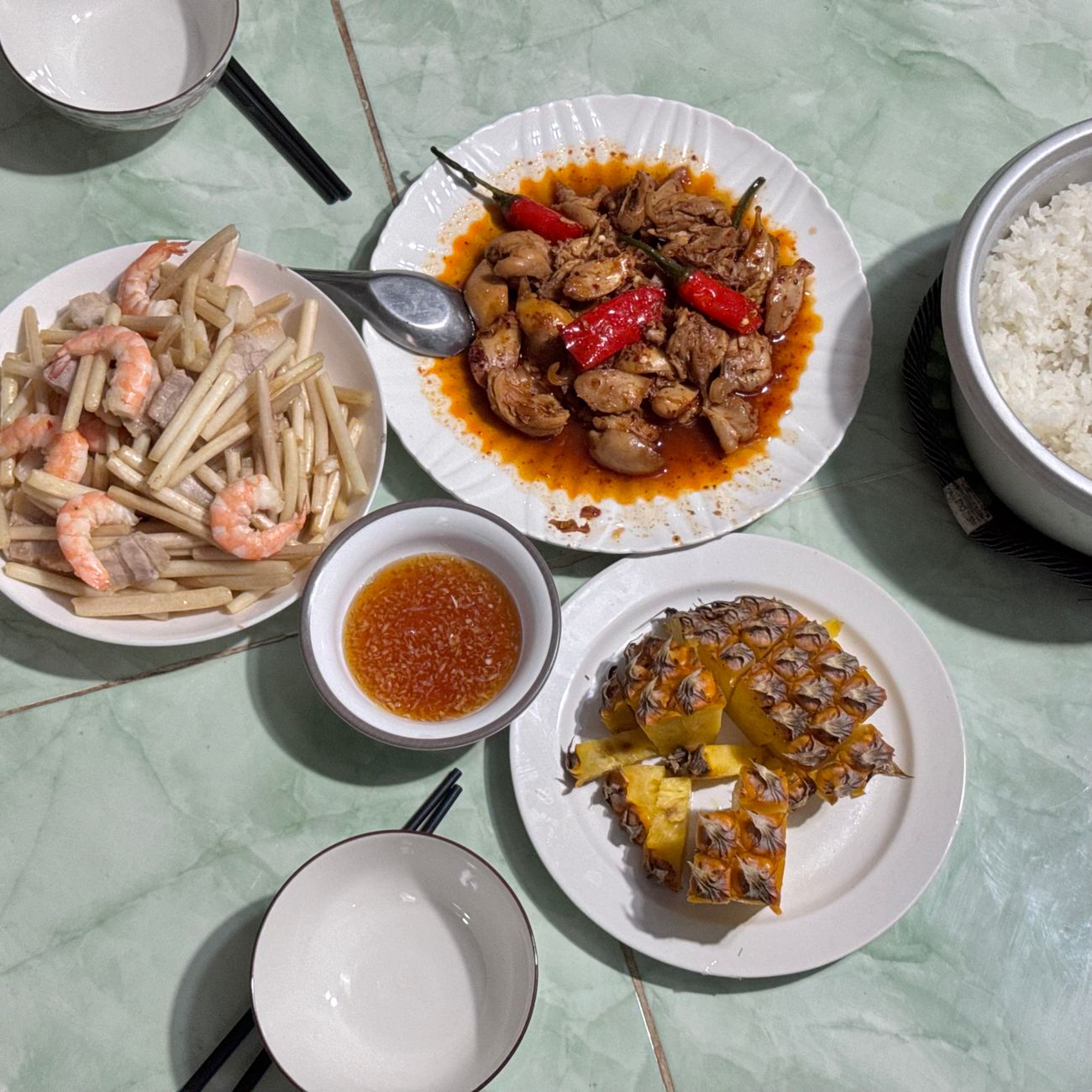
Modern Japanese life has complicated things, of course. Convenience stores offer entire bentos. Families eat in shifts. But ichiju sansai persists, adapted. A working parent might serve store-bought pickles alongside homemade soup. A grandmother might expand to ichiju gosai (one soup, five dishes) for a special dinner, the structure flexing but never breaking.
The principle holds: variety without chaos, satisfaction without heaviness, beauty without pretense.
Even the tableware reflects this. The rice bowl, the soup bowl, the small plates—each has its place, its purpose, its particular shape. Nothing matches exactly, but everything belongs.
Stand in front of your own table tonight and imagine it: the quiet integrity of a meal that knows what it is. Not too much. Not too little. Just enough, arranged with care.
FAQ
Chaware curates authentic Japanese crafts — straight from the makers in Japan to your table.
Explore the Chaware collection →