How to Set a Japanese Table: A Beginner's Guide to Authentic Dining
You set down a bowl. Then another. Suddenly you're hesitating—does the rice go on the left or the right?
Setting a Japanese table isn't about memorizing rigid rules. It's about rhythm, respect, and a centuries-old logic that puts harmony between diner and dish at the center. Once you understand the why, the where falls into place naturally.
Rice on the left, soup on the right
The foundation is deceptively simple: your gohan (rice bowl) always sits to your left, your miso-shiru (miso soup) to your right. This isn't arbitrary. Most people are right-handed, so the soup—sipped frequently throughout the meal—stays within easy reach. The rice, eaten steadily but less frantically, rests on the left where your left hand can lift it while chopsticks work from the right.
This left-right pairing echoes deeper symbolism, too. In Shinto tradition, the left side holds higher status. Rice, the sacred staple, claims that position of honor.
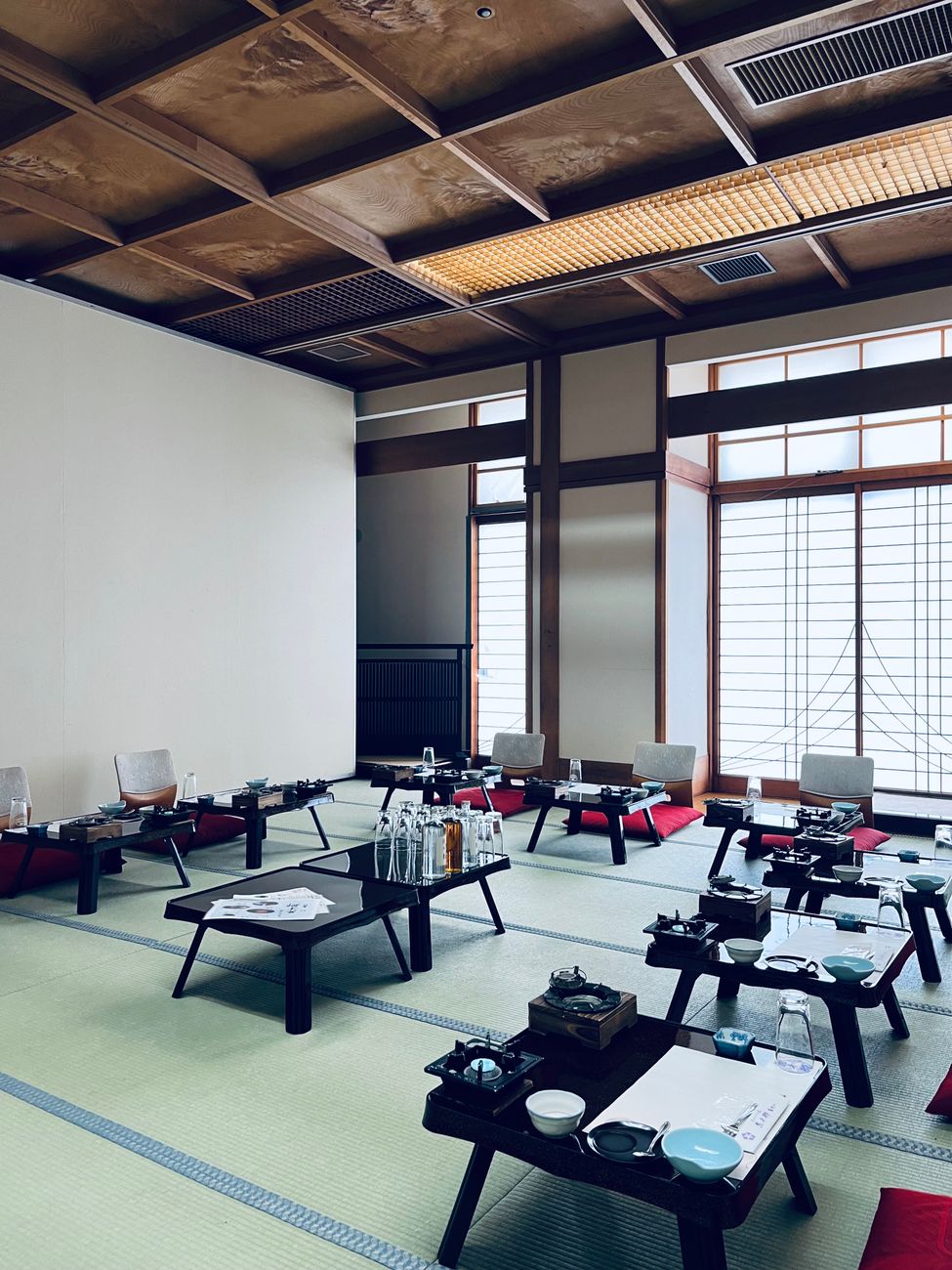
The far side belongs to the main dish
Beyond your rice and soup, the back of your tray or placemat is reserved for okazu—side dishes. The largest or most important dish, often grilled fish or simmered vegetables, takes center stage in the back. Smaller plates—pickles, a cold tofu, seasoned greens—flank it to the left and right.
Think of it as a gentle hierarchy. Your eyes travel from the essentials (rice, soup) up to the supporting flavors. Nothing crowds. Nothing competes.
The Japanese table is composed, not crowded—each dish has its place and its breath.
Chopsticks rest horizontally, tips to the left
Your hashi (chopsticks) lie horizontally in front of everything else, tips pointing left. Never stick them upright in rice—that's reserved for funeral rites. Never cross them, never pass food chopstick-to-chopstick. The horizontal rest isn't just polite; it's a pause, a boundary between you and the meal before you begin.
If you're using a hashioki (chopstick rest), it sits just in front of your rice bowl, a tiny pedestal of ceramic or wood that keeps your tips from touching the table. It's a small gesture, but it sets the tone.
Symmetry and the unspoken order
Traditional Japanese table settings follow a principle called ichiju-sansai: one soup, three sides (plus rice). Even if you're serving more or fewer dishes, the underlying logic persists—balance, not excess. Odd numbers. Negative space. A visual calm that lets each bowl breathe.
You'll notice seasoned cooks avoid serving everything in the same color or shape. A round bowl, a rectangular plate, a small square dish. Glazed ceramic next to rustic stoneware. The variety isn't random—it's composed, like a still life you're about to dismantle with your chopsticks.
What about tea?
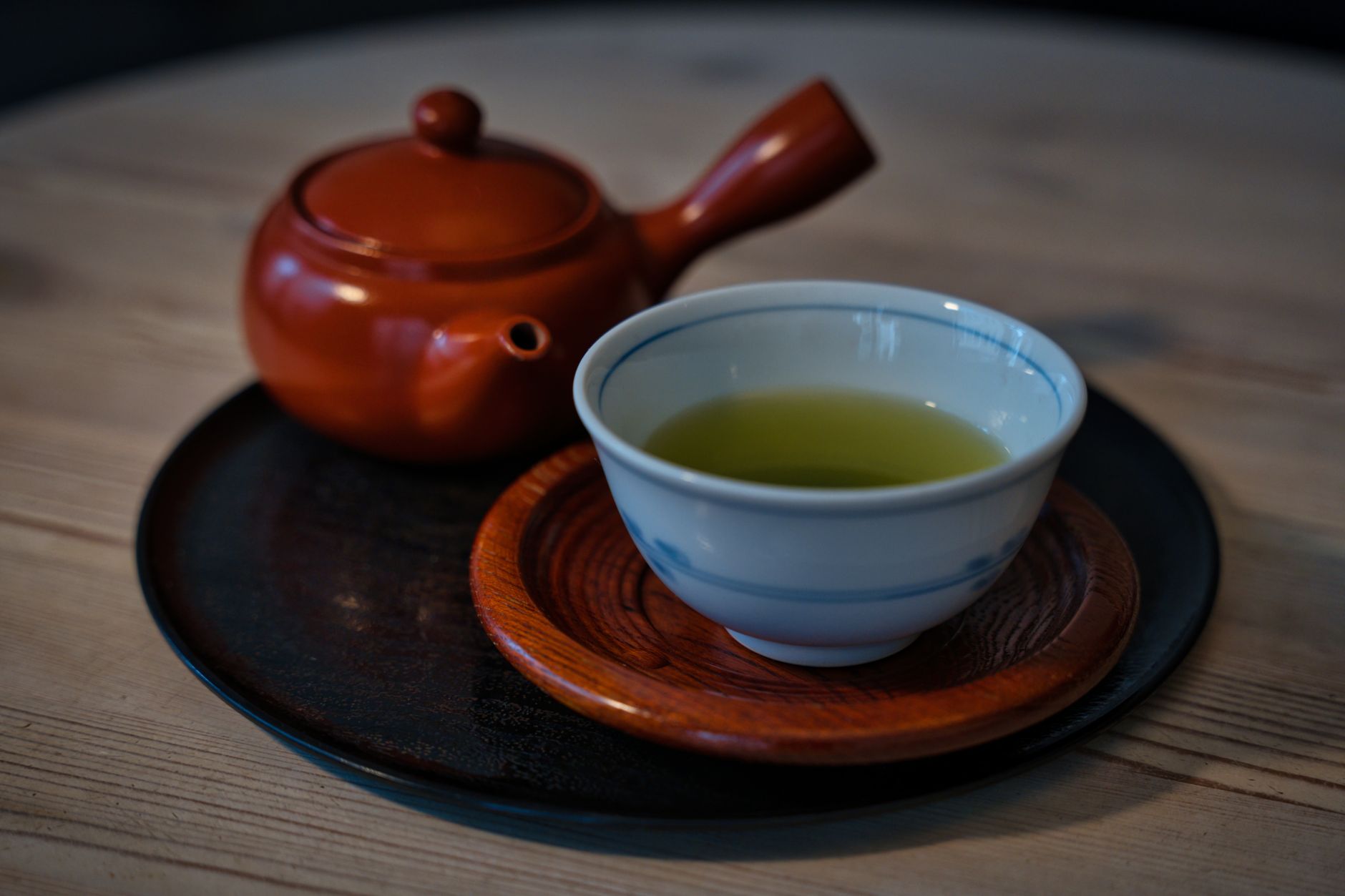
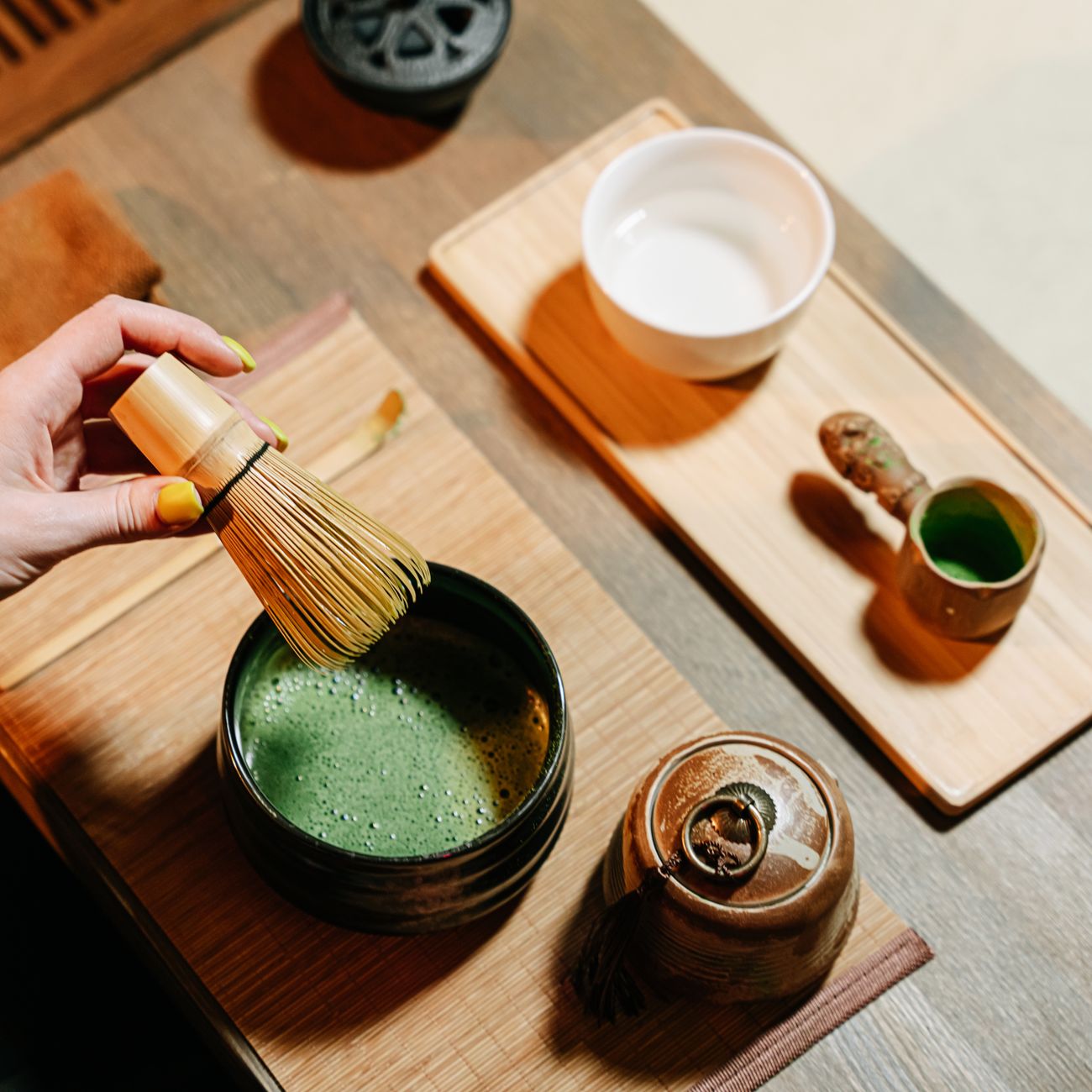
Ocha (green tea) typically arrives after the meal, not during. If you do serve it alongside, it sits to the right of your soup bowl, or just beyond it. The teacup, often handleless, is meant to be cradled in both hands—a moment of warmth and quiet before or after the eating itself.
---
Once you see the logic—left hand, right hand, front to back, breath between each element—you stop second-guessing. You set the table the way generations have, not because someone told you to, but because it simply makes sense.
FAQ
Chaware curates authentic Japanese crafts — straight from the makers in Japan to your table.
Explore the Chaware collection →