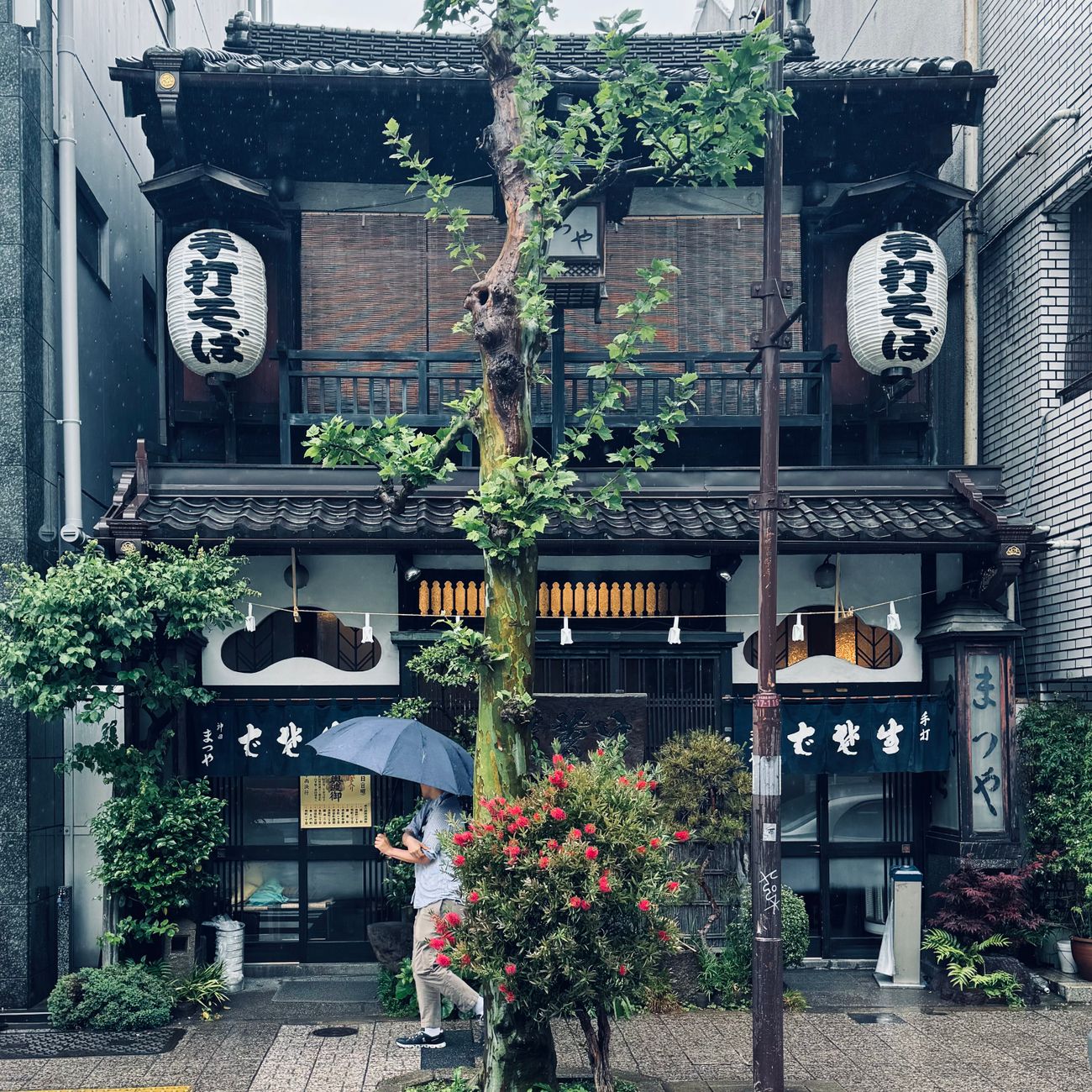
Why Kyoto Machiya Are So Long and Narrow: The Story Behind Japan's 'Eel Bed' Houses
On this page
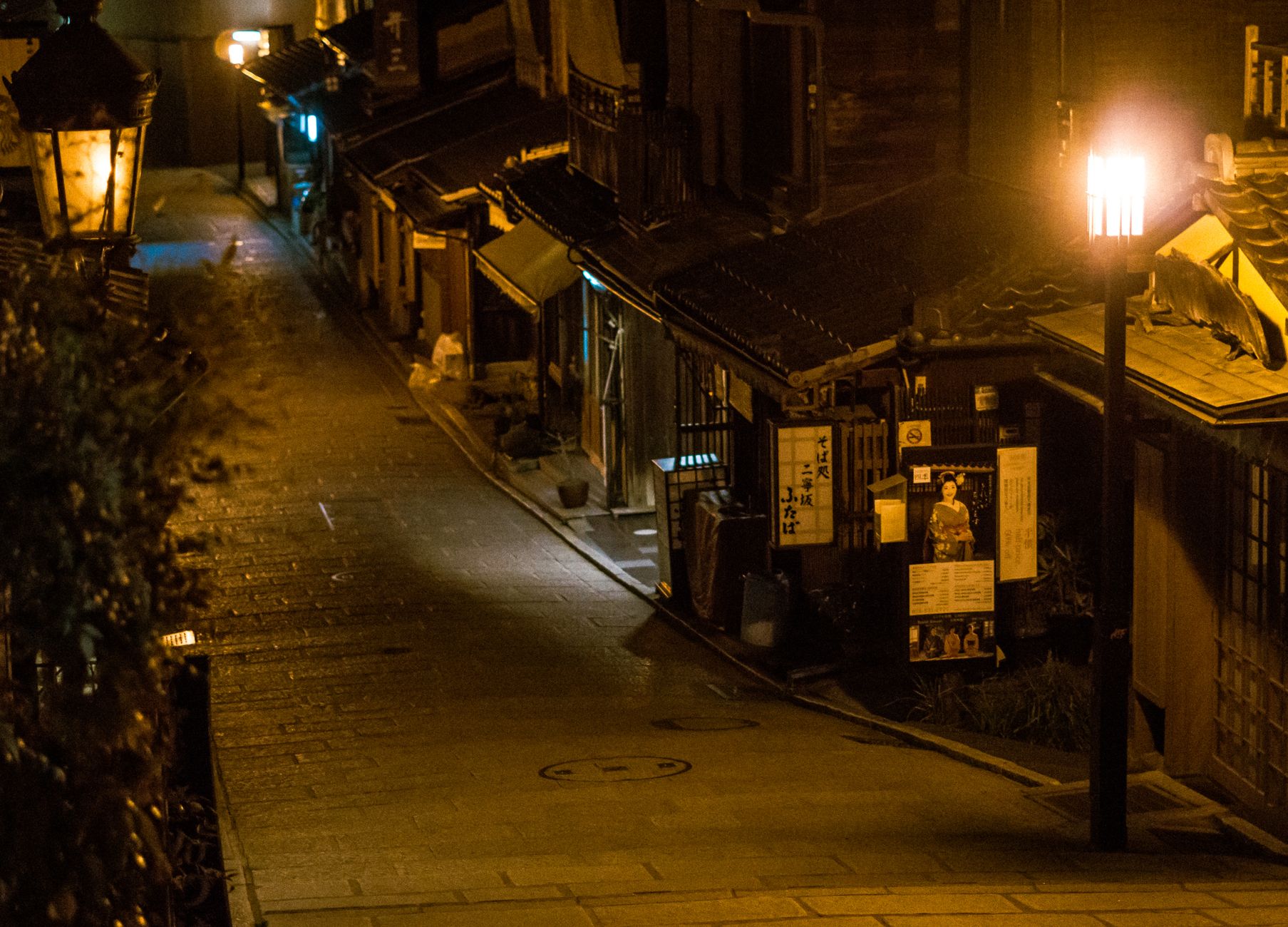
Stand on a Kyoto side street and peer between two traditional wooden townhouses. You'll notice something odd: you can see all the way through to a garden at the back, as if you're looking down a tunnel.
These ribbon-thin buildings aren't accidents of eccentric design. They're clever acts of tax resistance frozen in wood and tile.
The tax that shaped a city
Kyoto's iconic machiya townhouses earned their peculiar proportions from an old taxation system that charged property owners based on street frontage, not total area. The wider your building faced the road, the more you paid.
Merchants and craftspeople responded with ruthless spatial efficiency. They built deep and narrow—sometimes stretching sixty feet back while claiming just twelve feet of taxable street exposure. The Japanese called these slender structures unagi no nedoko, or "eel beds," after the long wooden boxes used to keep live eels fresh at market.
It was architectural judo: turning a financial burden into a defining aesthetic.
Light, air, and the garden you can't see from the street
Walk through a traditional machiya and you'll discover it's not one solid block. Strategic voids puncture the length of the building—small open-air courtyards called tsuboniwa that pull light and ventilation deep into the interior.
These pocket gardens serve as the lungs of the house. In Kyoto's humid summers, they create convection currents that draw hot air up and out. In a fifteen-foot-wide building with no side windows, these courtyards meant the difference between livable and suffocating.
The front room faced the street for business. The middle held the family's private quarters. And at the very back, invisible from the public road, sat the main garden—a reward for those who ventured all the way through.
Flexibility built into the bones
The machiya wasn't designed for one fixed purpose—it was designed to adapt.
Sliding shoji screens and removable fusuma panels meant interior spaces could morph throughout the day. Morning: a shopfront. Afternoon: a workspace. Evening: sleeping quarters. The same square footage served multiple lives.
Ground floors typically featured exposed wooden lattice fronts called koshi that allowed shopkeepers to see out while keeping interiors shaded and semi-private. Upstairs, small windows with bamboo blinds maintained the delicate balance between light and discretion that defined merchant-class life.
This wasn't minimalism as aesthetic choice—it was pragmatic choreography in tight quarters.
Why some still stand
Many machiya vanished during Japan's modernization push. Concrete boxes offered more interior space, required less maintenance, and didn't carry the stigma of old-fashioned living.
But the survivors tell a different story. Their narrow profiles created intimate streetscapes that modern urban planning struggles to replicate. Their passive cooling systems work without electricity. And their flexible interiors adapt more gracefully to contemporary needs than their rigid modern replacements.
Today, renovated machiya house cafes, galleries, guesthouses, and workshops. The eel bed layout that once dodged taxes now offers something rarer: a sense of measured pace in a compressed world, where depth matters more than width.
Step inside one and you'll understand why a tax loophole became a cultural legacy.
FAQ
Chaware curates authentic Japanese crafts — straight from the makers in Japan to your table.
Explore the Chaware collection →