Matcha vs Green Tea: Understanding the Differences Beyond the Powder
You don't drink matcha the way you drink green tea. You consume it entirely — leaf, essence, and all.
That single difference ripples outward into everything: preparation, taste, history, even the posture you take when holding the bowl. One tea asks you to steep and discard. The other asks you to ingest the whole story.
The leaf that never leaves
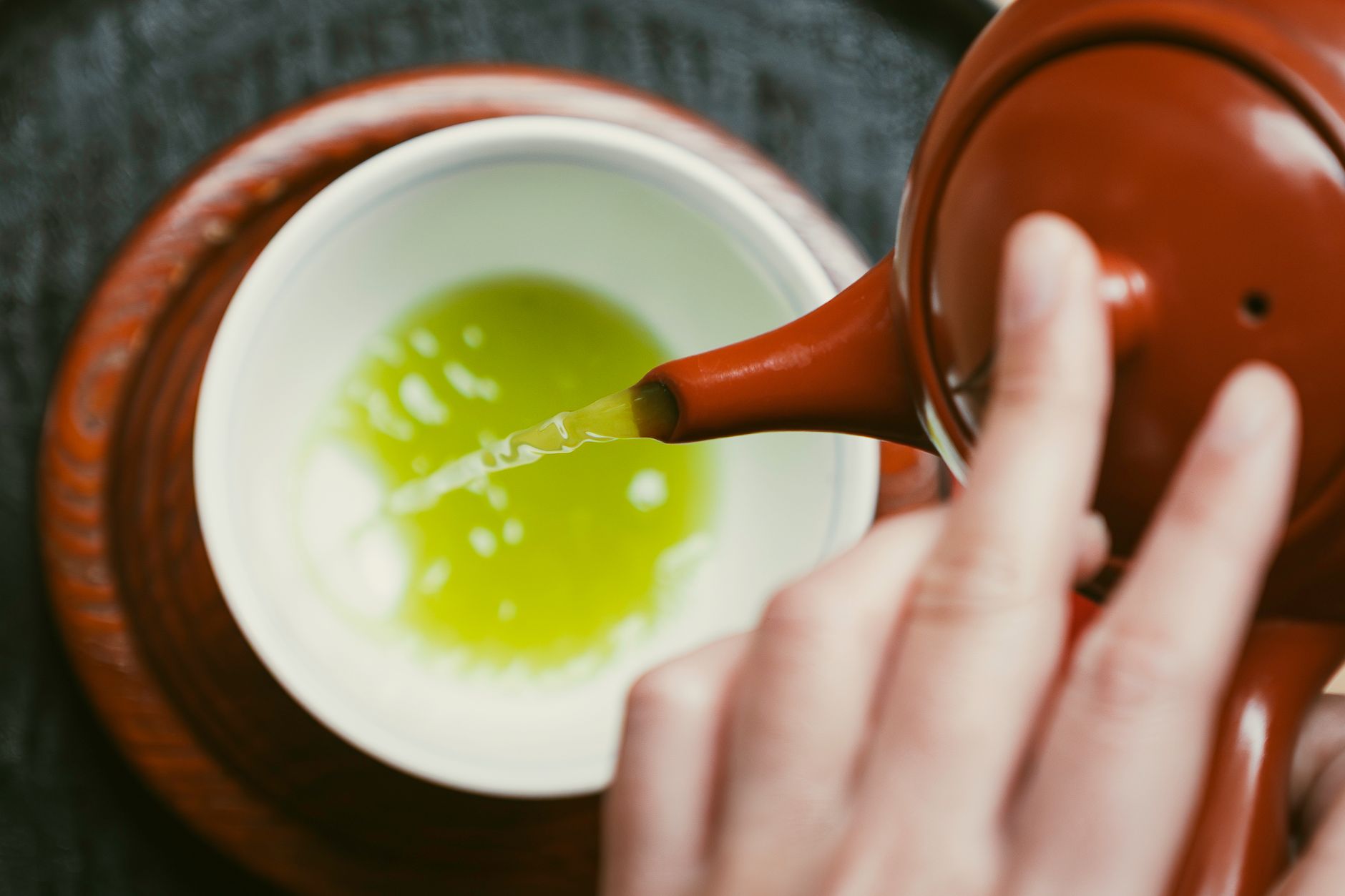
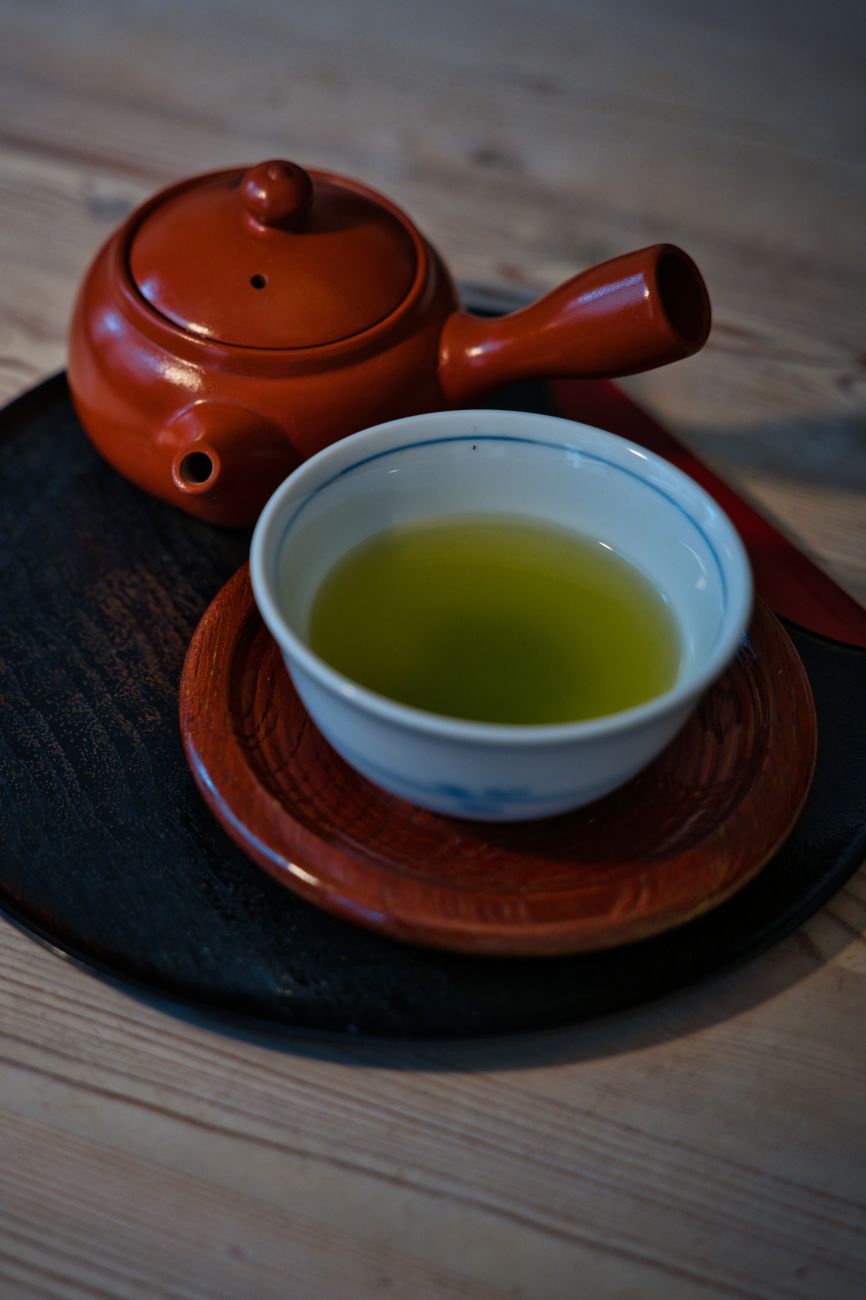
With regular green tea — sencha, gyokuro, even hojicha — you're brewing an extract. Hot water passes through the leaves, pulls out flavor and nutrients, and moves on. The leaves stay behind, spent.
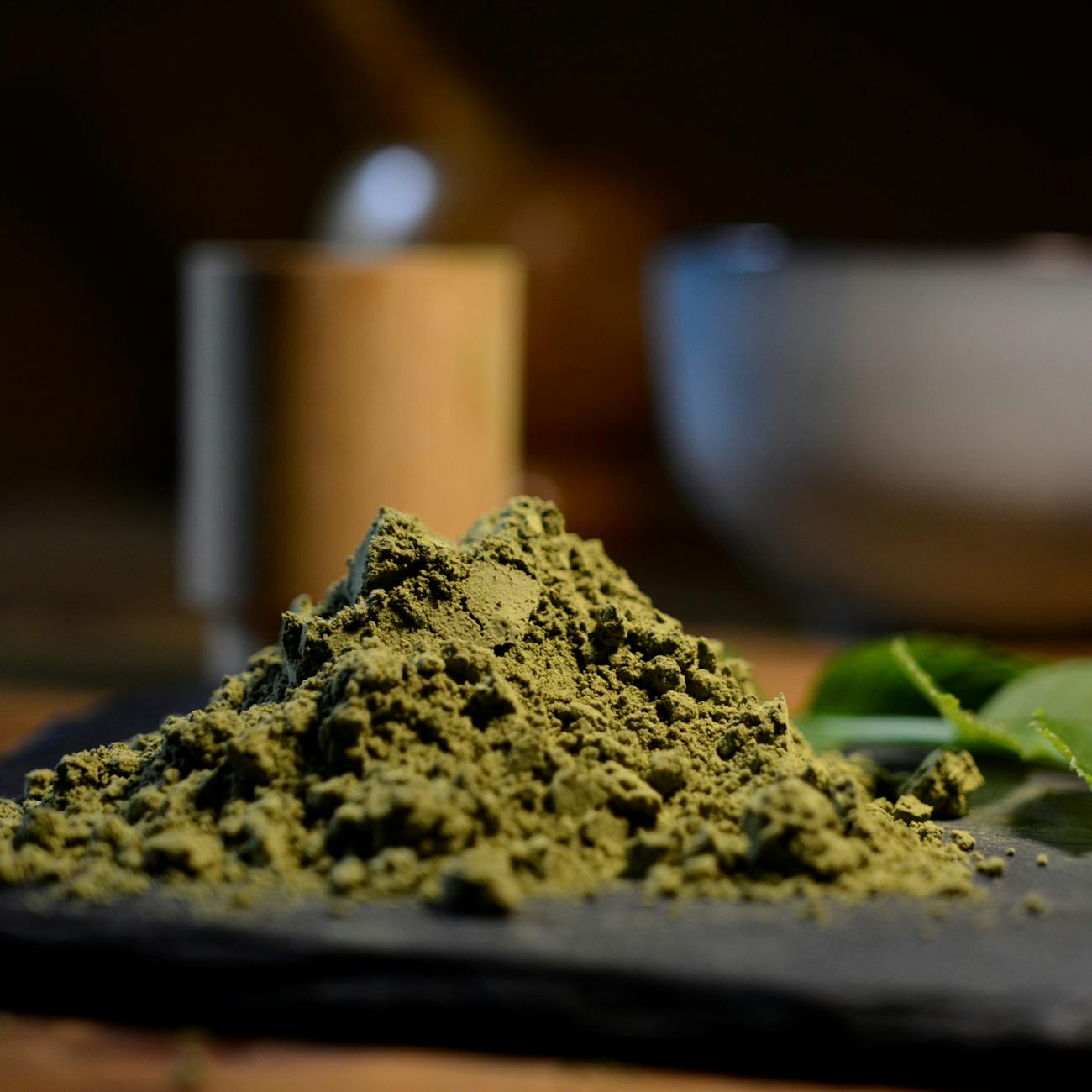
Matcha refuses that separation. The entire leaf is stone-ground into a fine powder, whisked into water, and drunk. Nothing is left behind. You're not sipping an infusion; you're drinking the plant itself, in its most concentrated form.
The Japanese tea ceremony, chanoyu, was built around this totality. Matcha doesn't just flavor water — it transforms it into something opaque, jade-green, alive.
Shade, patience, stone
Not all green tea leaves become matcha. Weeks before harvest, the finest tea plants are covered with bamboo mats or tarps, plunging them into shadow. This forces the leaves to produce more chlorophyll and L-theanine, deepening their color and umami sweetness.
After harvest, the leaves are steamed, dried, and stripped of stems and veins. What remains — the pure leaf tissue, called tencha — is ground between granite stones. Slowly. A single stone mill produces only about 40 grams of matcha per hour.
The powder that emerges is so fine it clings to your fingertips like silk.
This labor makes matcha rare and precious. Sencha can be mass-produced with machines. Matcha demands time, darkness, and stone.
Bitterness, sweetness, and the body's response
Taste them side by side and the difference is immediate. Sencha is delicate, grassy, refreshing — a whisper. Matcha is a declaration: vegetal, creamy, almost thick, with a umami undertow that lingers long after you've swallowed.
Because you ingest the whole leaf, matcha delivers more of everything. More caffeine than sencha, but also far more L-theanine, the amino acid that promotes calm focus. The result is a different kind of alertness — steady, clear, without the jitter.
Regular green tea gives you what the water can extract. Matcha gives you the whole archive: fiber, antioxidants, chlorophyll, all the compounds locked inside the cell walls. It's not just stronger. It's structurally different.
Two paths, one plant
Both come from the same species: Camellia sinensis. Both are steamed, not oxidized, preserving their green color and fresh character. Both are deeply woven into Japanese daily life.
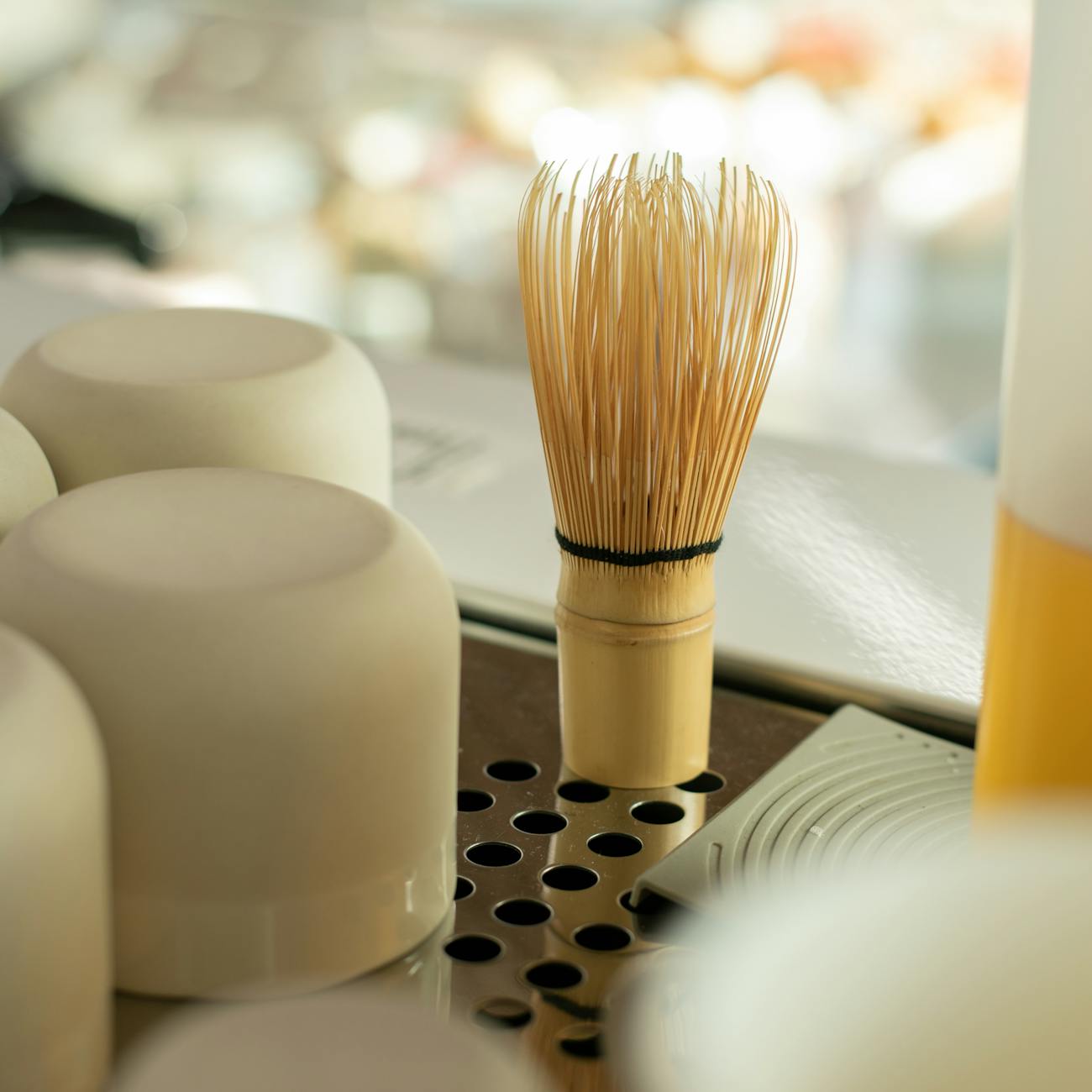
But sencha is the tea of ease and repetition — brewed in a kyusu teapot, poured into small cups, shared casually throughout the day. Matcha is the tea of ceremony and intention, whisked in a chawan bowl with a bamboo chasen, prepared one serving at a time.
You can drink sencha while doing other things. Matcha asks you to stop.
The powder and the ritual
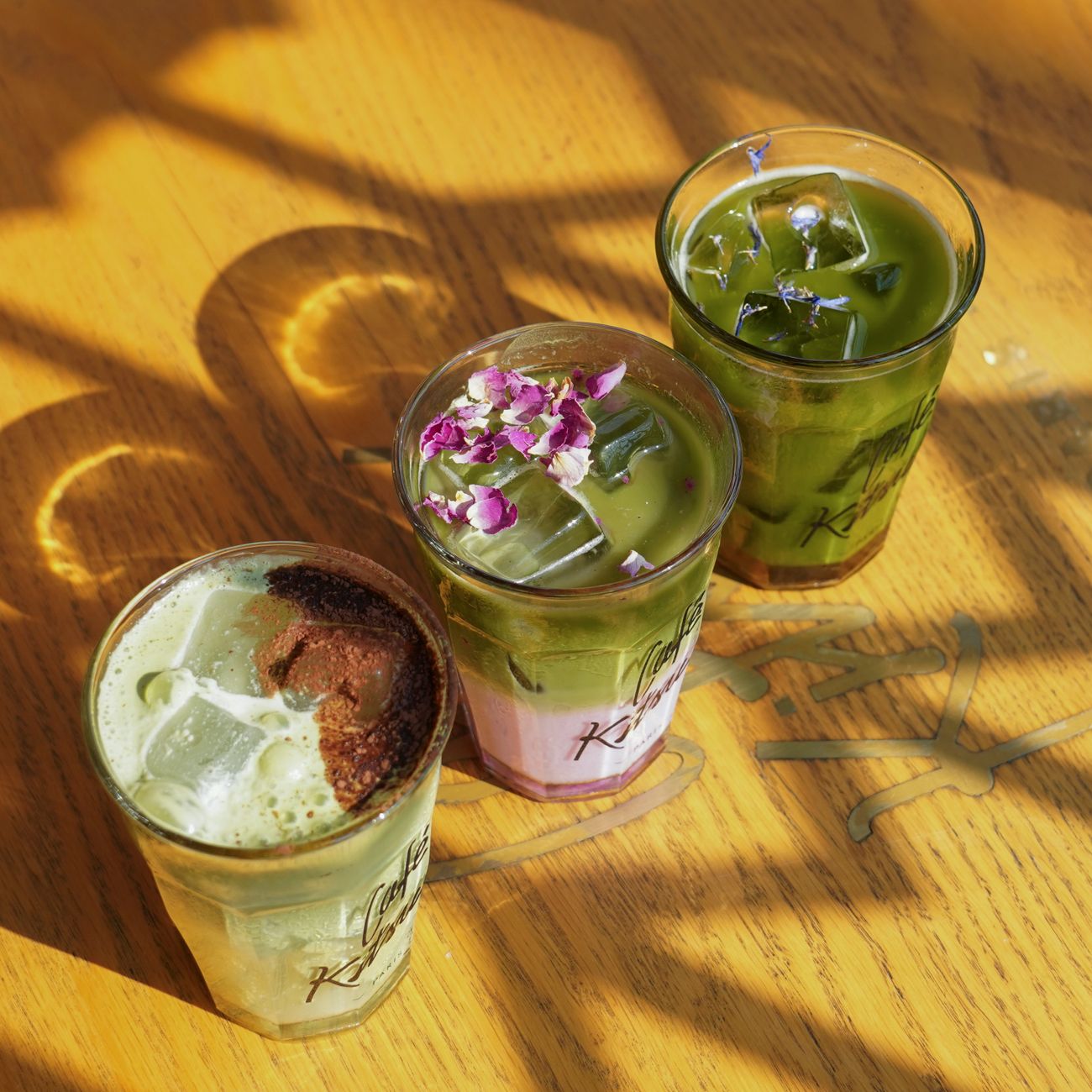
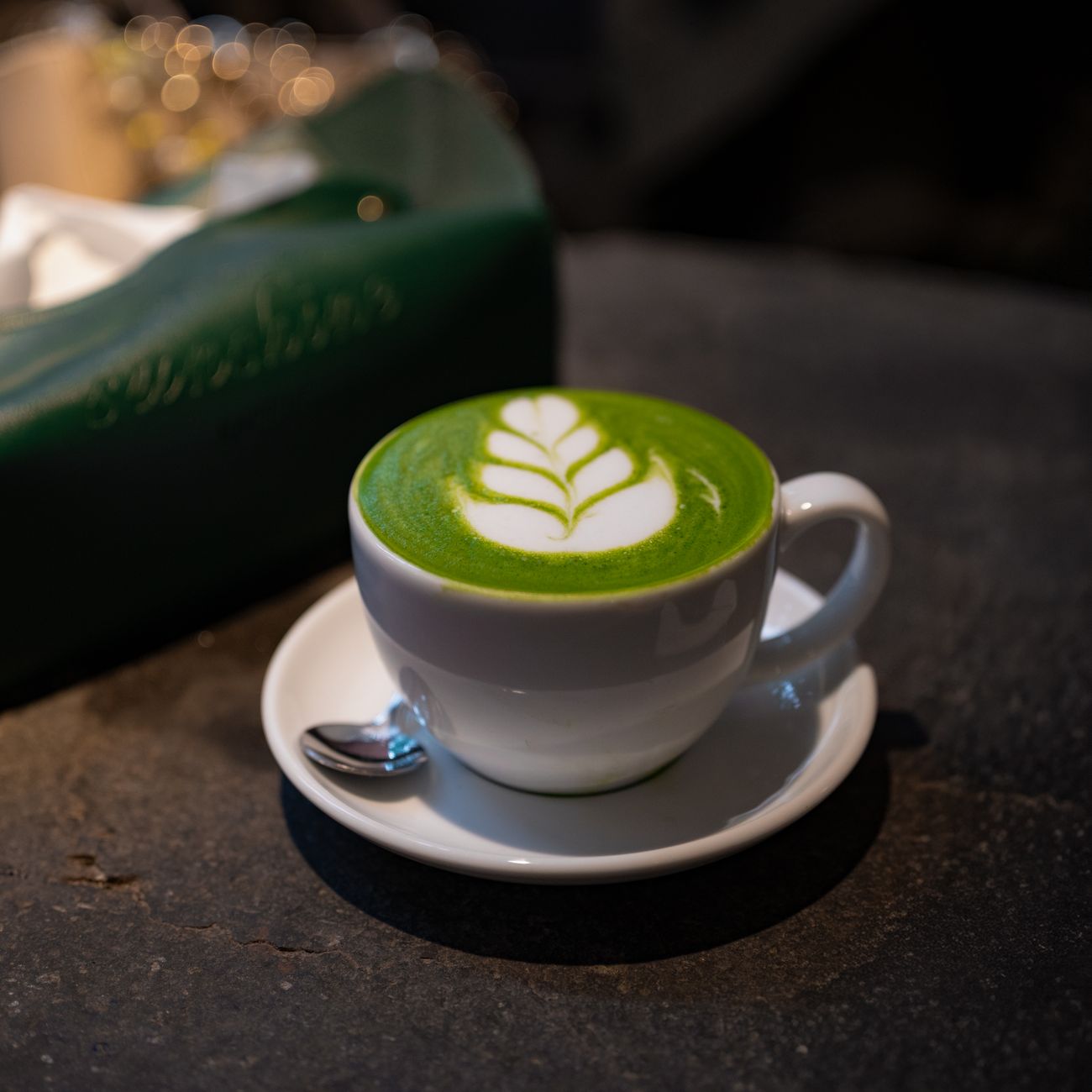
Today, matcha appears in lattes, desserts, smoothies — contexts unimaginable in its ceremonial origins. But even in a to-go cup, the fundamental difference remains. You're still drinking the leaf. You're still taking in everything it has to offer, unfiltered.
Sencha teaches you about subtlety and release. Matcha teaches you about totality and presence.
One is an echo. The other is the voice itself.
FAQ
Chaware curates authentic Japanese crafts — straight from the makers in Japan to your table.
Explore the Chaware collection →