What Is Matcha? The Story Behind Japan's Emerald Tea Powder
You've probably seen it everywhere—the vivid green powder swirled into lattes, dusted over desserts, even folded into ice cream. But matcha is far older, and far quieter, than its current fame suggests.
The powder that changed a ceremony
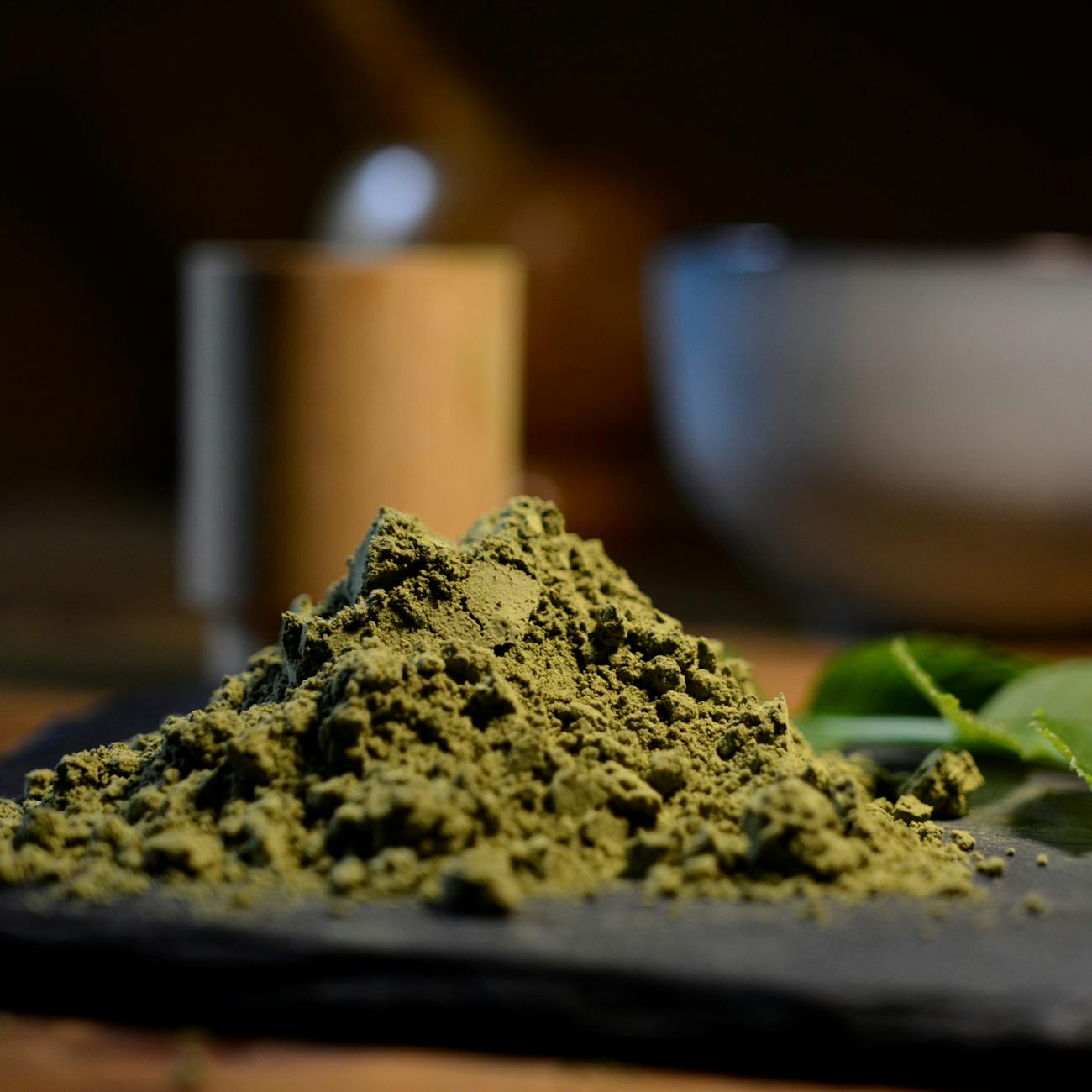
Matcha (抹茶) isn't just powdered green tea. It's tencha leaves—shade-grown, steamed, dried, and stone-ground into a talc-fine powder so delicate it dissolves entirely into water. You're not steeping and discarding leaves here. You're drinking them whole.
This matters. Because matcha was born not from convenience, but from a need for focus. Zen monks in 12th-century Japan drank it to stay alert during long meditation sessions. The caffeine was gentle, sustained by an amino acid called L-theanine that softens the jolt into a calm, bright clarity. It became the drink of presence.
A green worth waiting for
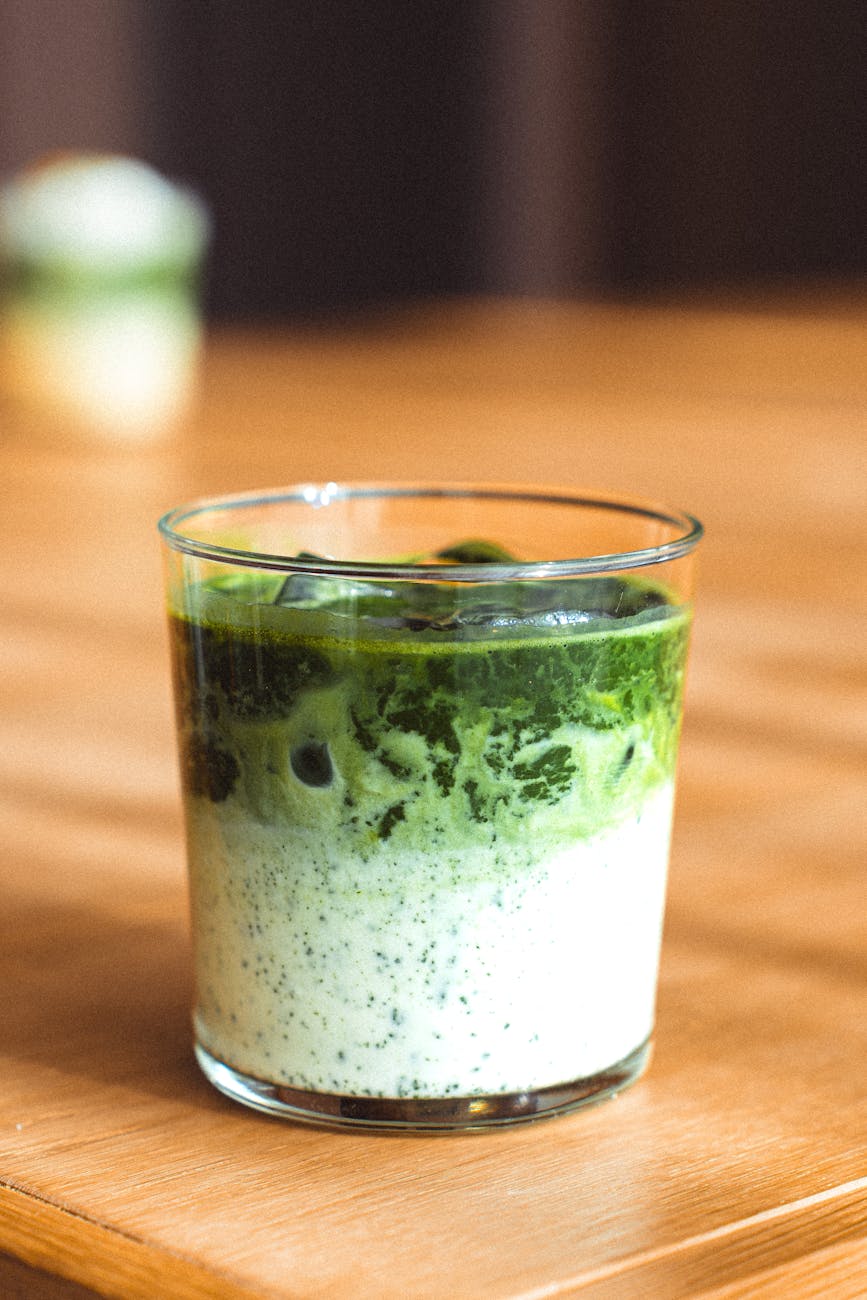
The best matcha comes from plants hidden under shade for weeks before harvest. Farmers drape fields in tana structures—bamboo frames covered with rice straw or modern netting—blocking up to 90% of sunlight. The leaves, starved of light, flood with chlorophyll and amino acids, reaching for what little sun filters through.
The result? That luminous green. That umami-rich sweetness with almost no bitterness.
After steaming to halt oxidation, the leaves are dried and de-veined. What's left—pure leaf flesh—is ground between slow-turning granite stones. It takes an hour to produce just 30 grams. You can taste the patience.
Matcha doesn't steep. It suspends, turning water into liquid jade.
From Uji to the world
Japan's matcha heartland is Uji, a mist-wrapped region near Kyoto where tea has grown for over 800 years. The rolling hills, the quality of the soil, the microclimate—it all aligns. Uji matcha remains the gold standard, though regions like Nishio in Aichi and parts of Shizuoka and Kagoshima now produce their own exceptional powders.
But geography is only part of it. What makes matcha matcha is the chanoyu tradition—the Japanese tea ceremony where every gesture, every angle of the bowl, every whisked motion carries intention. Matcha was never meant to be rushed. It was meant to be felt.
What you're actually tasting
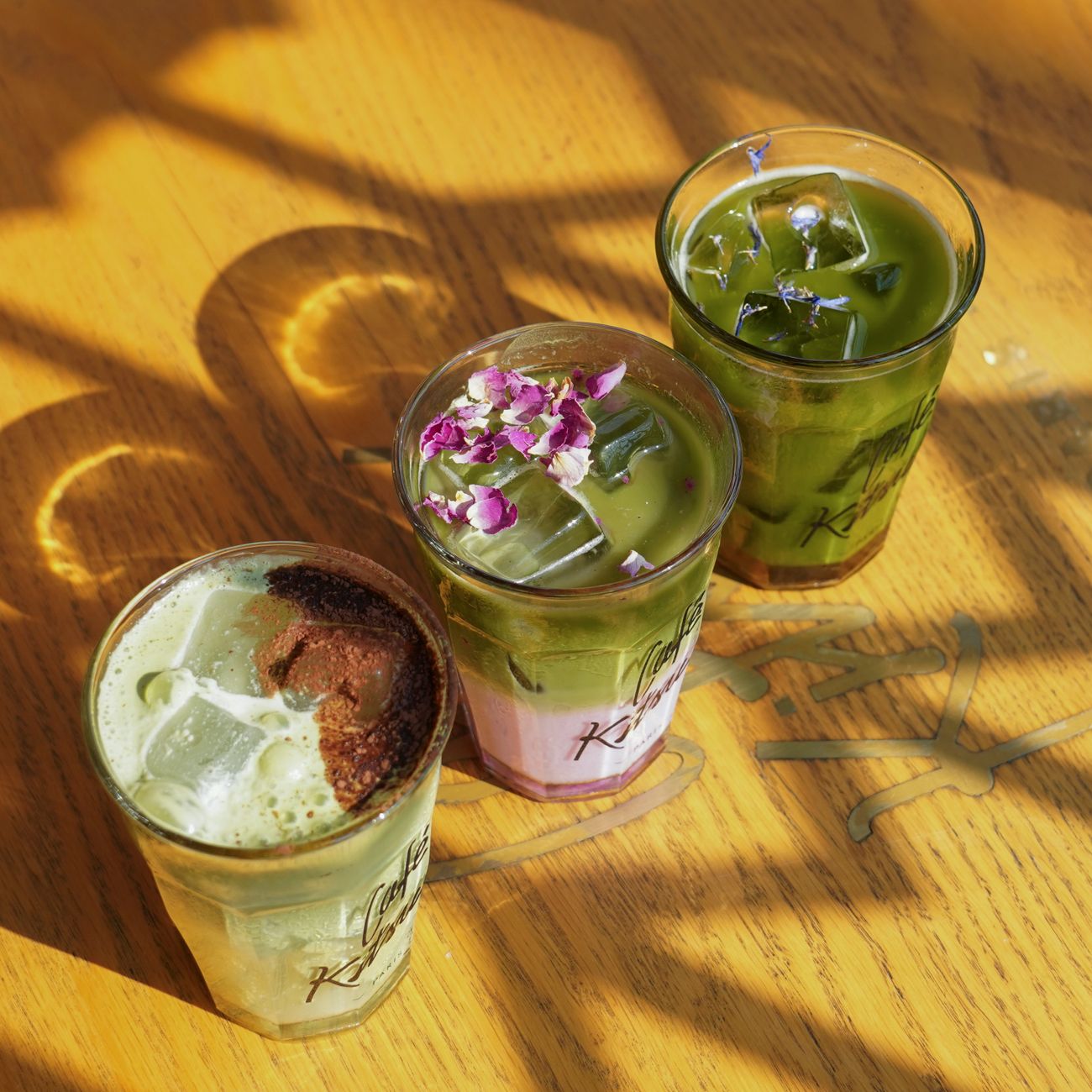
Good matcha should smell grassy and sweet, like fresh-cut bamboo or steamed edamame. On the tongue: creamy, subtly sweet, with a whisper of ocean minerality. There's no astringency if it's whisked properly—just a lingering, gentle finish.
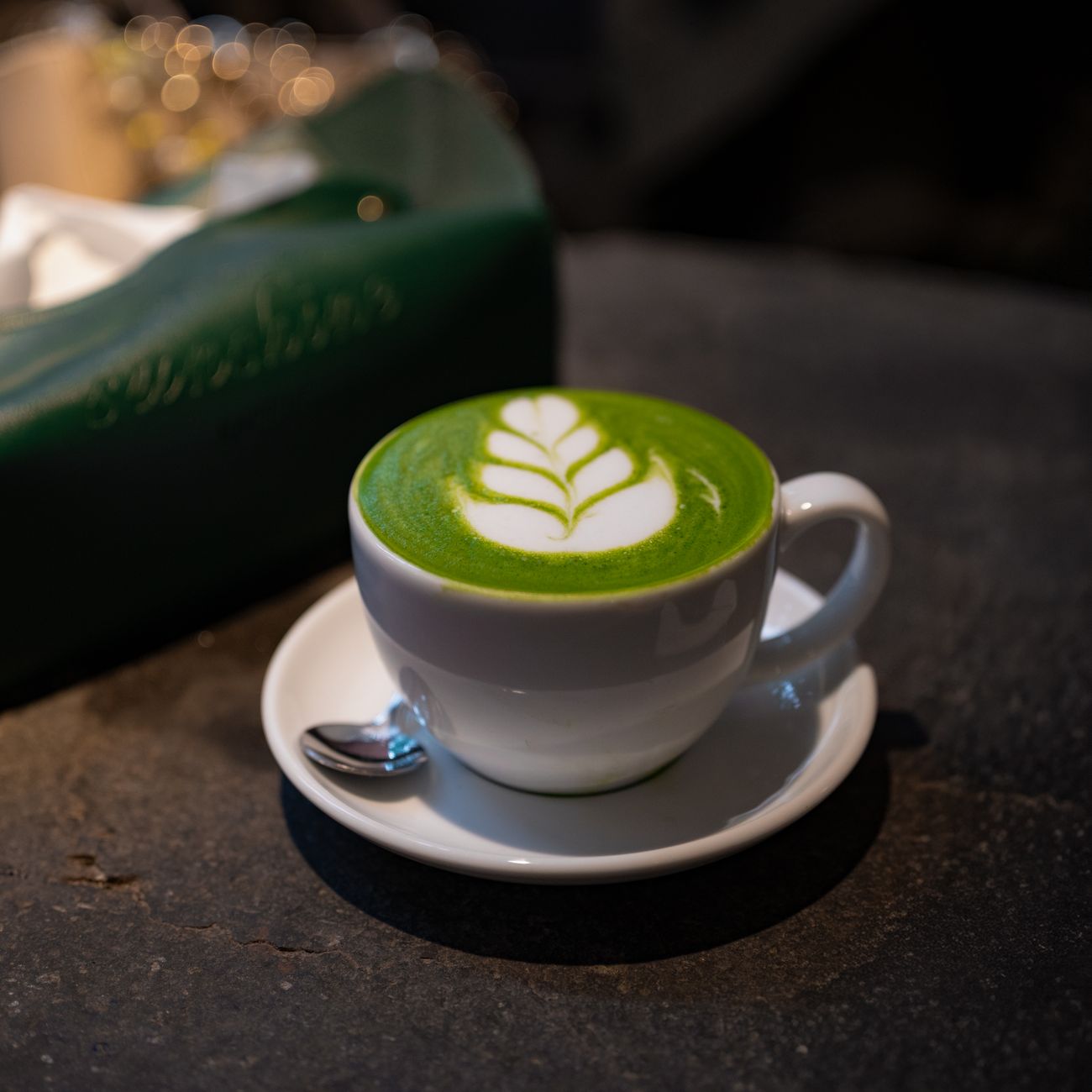
Lower grades—often labeled culinary matcha—are more bitter, better suited for baking or blending into milk. Ceremonial grade is the one you sip straight, whisked with hot (not boiling) water in a wide bowl until it froths like sea foam.
The color tells you everything. Bright, electric green means freshness and careful storage. Dull, yellowish powder has oxidized—still drinkable, but the magic has faded.
Beyond the bowl
Today, matcha has traveled far from the tea room. It colors croissants in Paris, flavors gelato in Milan, swirls through oat milk in Brooklyn. Some purists bristle. Others see it as matcha doing what it's always done—adapting, traveling, crossing borders while keeping its green heart intact.
What hasn't changed is the quiet it asks of you. Even in a paper cup, matcha invites a pause. A breath. A moment before the first sip, when the world smells like spring and stone and something impossibly old made new again.
FAQ
Chaware curates authentic Japanese crafts — straight from the makers in Japan to your table.
Explore the Chaware collection →