How to Whisk Matcha Properly: A Beginner's Guide to the Traditional Japanese Method
The first time you whisk matcha, you'll probably make mud. Thick, clumpy, bitter mud that bears no resemblance to the jade-green clouds you've seen masters create. But there's a reason the whisk exists—and a reason it looks nothing like the wire balloon whisks in your drawer.
The tool that thinks in circles
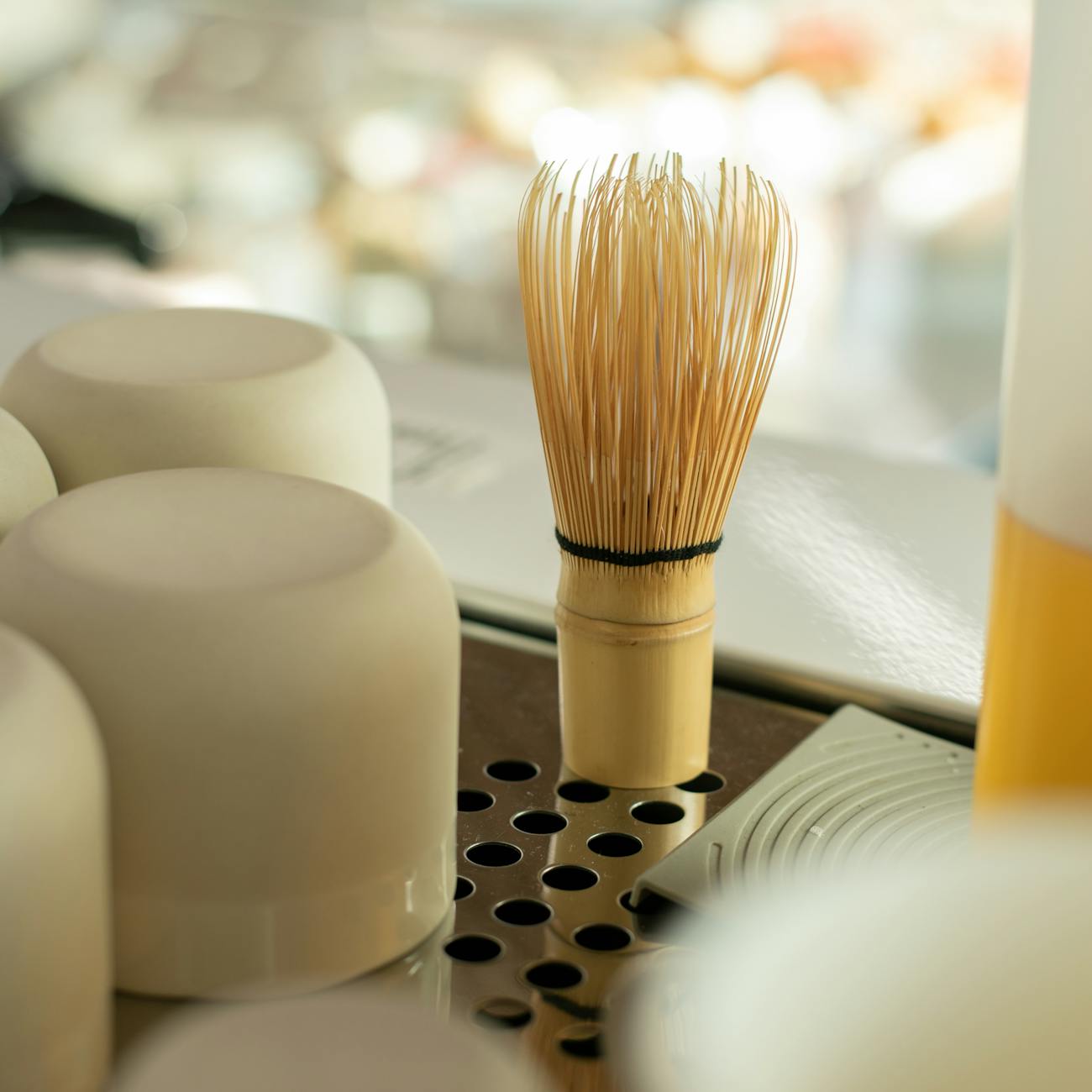
The chasen, or bamboo whisk, wasn't designed for convenience. It was designed for a specific physics problem: how to suspend fine powder in water without a blender, without clumping, and with enough air to create foam that enhances both texture and flavor.
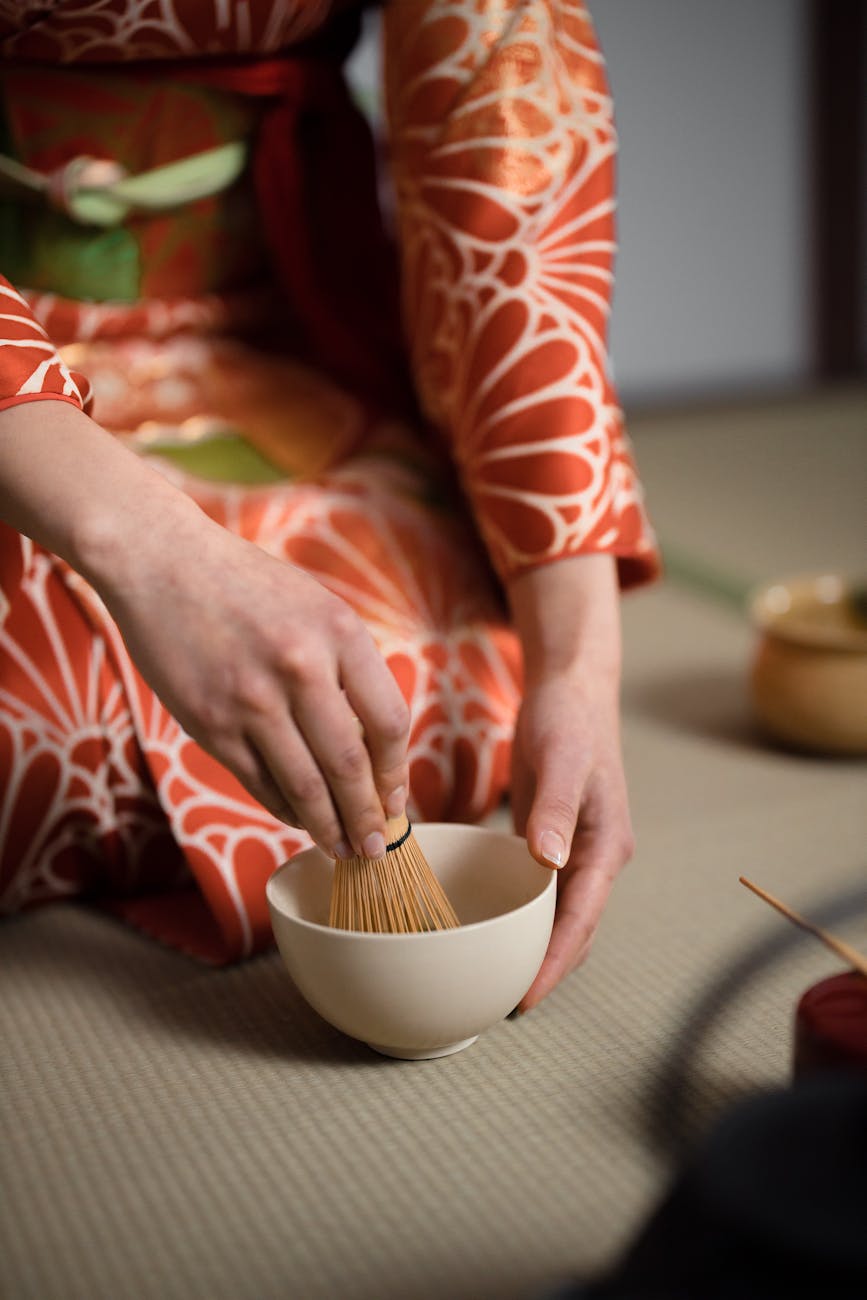
Traditional chasens are hand-carved from a single piece of bamboo, split into 80 to 120 fine tines. Each tine flexes independently. When you whisk in the proper motion—a rapid zigzag, not a circle—those tines don't just stir. They aerate, fracture clusters of powder, and create microscopic vortices that hold the matcha in suspension.
It's engineering disguised as craft.
The wrist, not the arm
Here's what no one tells beginners: you're not beating eggs.
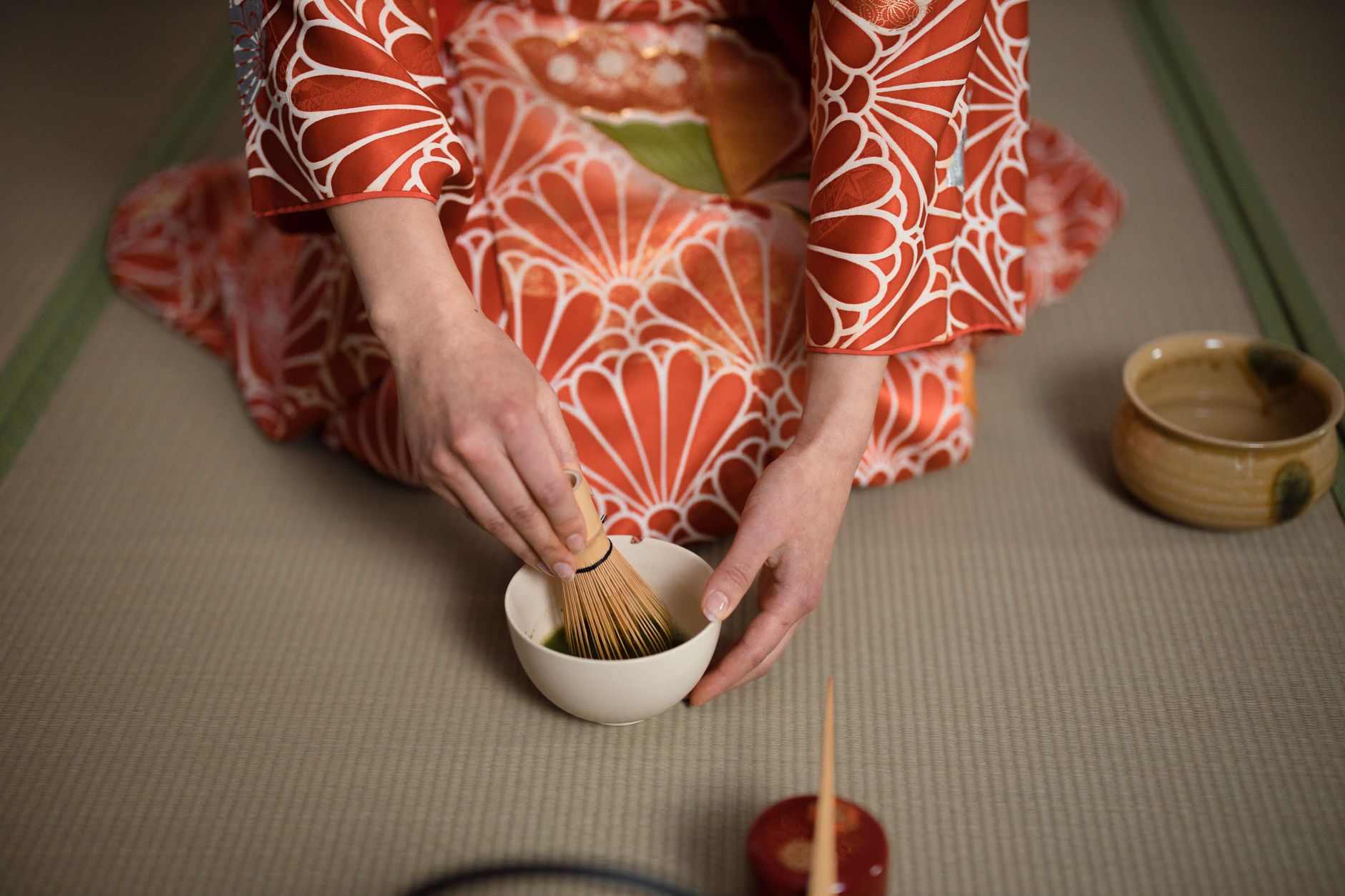
The motion comes entirely from the wrist, in a tight M or W shape across the surface of the tea. Your arm stays still. The whisk should barely touch the bottom of the bowl. Speed matters—brisk, light, confident—but tension doesn't. Grip the chasen like you'd hold a pencil while sketching, not like you're wringing out a towel.
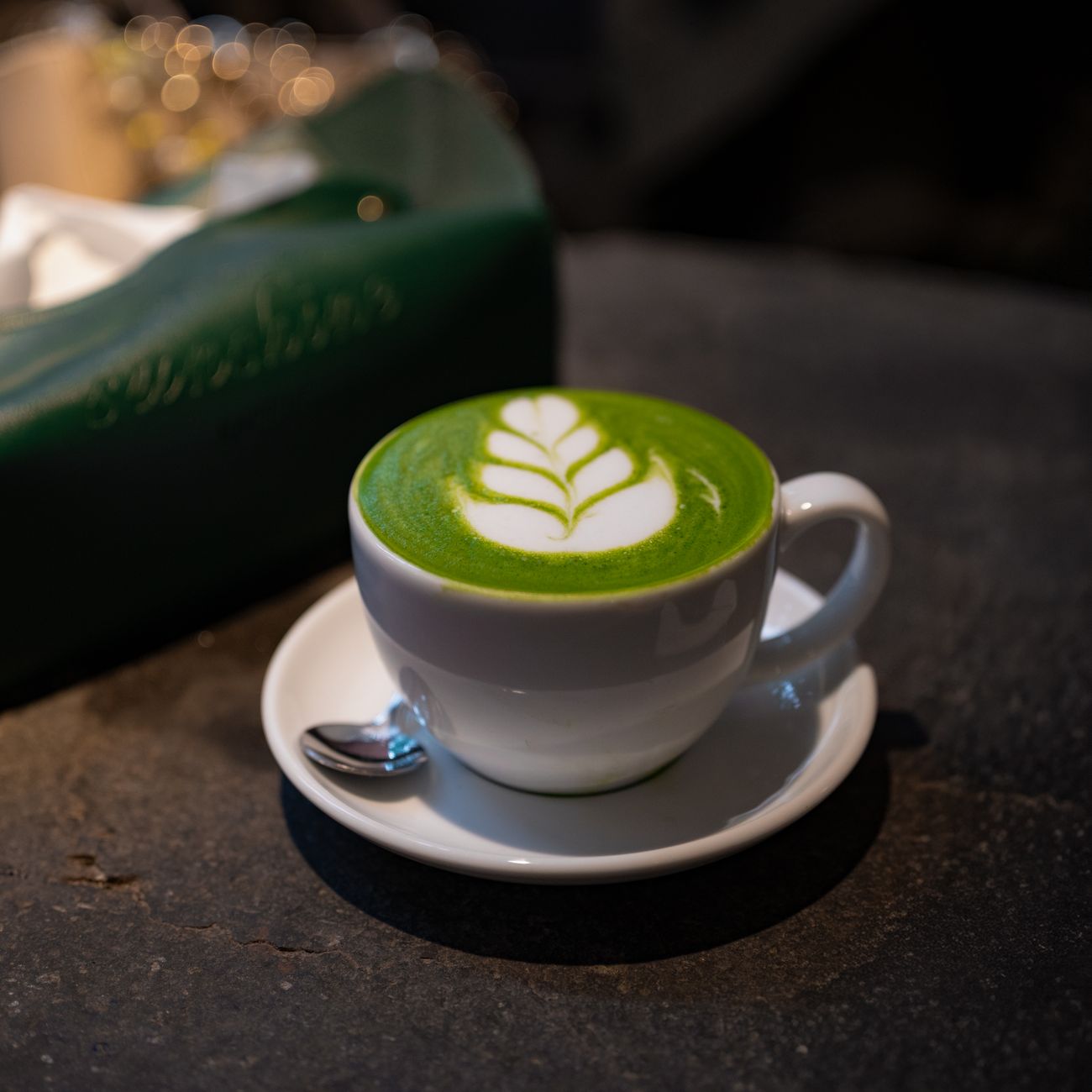
Thirty seconds. That's usually enough. You'll know you're done when the surface is covered in fine, uniform foam with no visible lumps floating beneath. The tea should look alive.
The sound of a proper whisk is a soft rustle, not a clatter—bamboo on ceramic, rhythm without violence.
Water temperature is half the battle
Matcha is fragile. Pour boiling water directly onto the powder and you'll scald it, turning sweetness into astringency and bright green into murky olive.
The ideal temperature sits around 70–80°C (160–175°F). If you don't have a thermometer, let your kettle rest for two minutes after boiling. You want water hot enough to release the tea's umami and natural sweetness, cool enough to preserve its color and avoid bitterness.
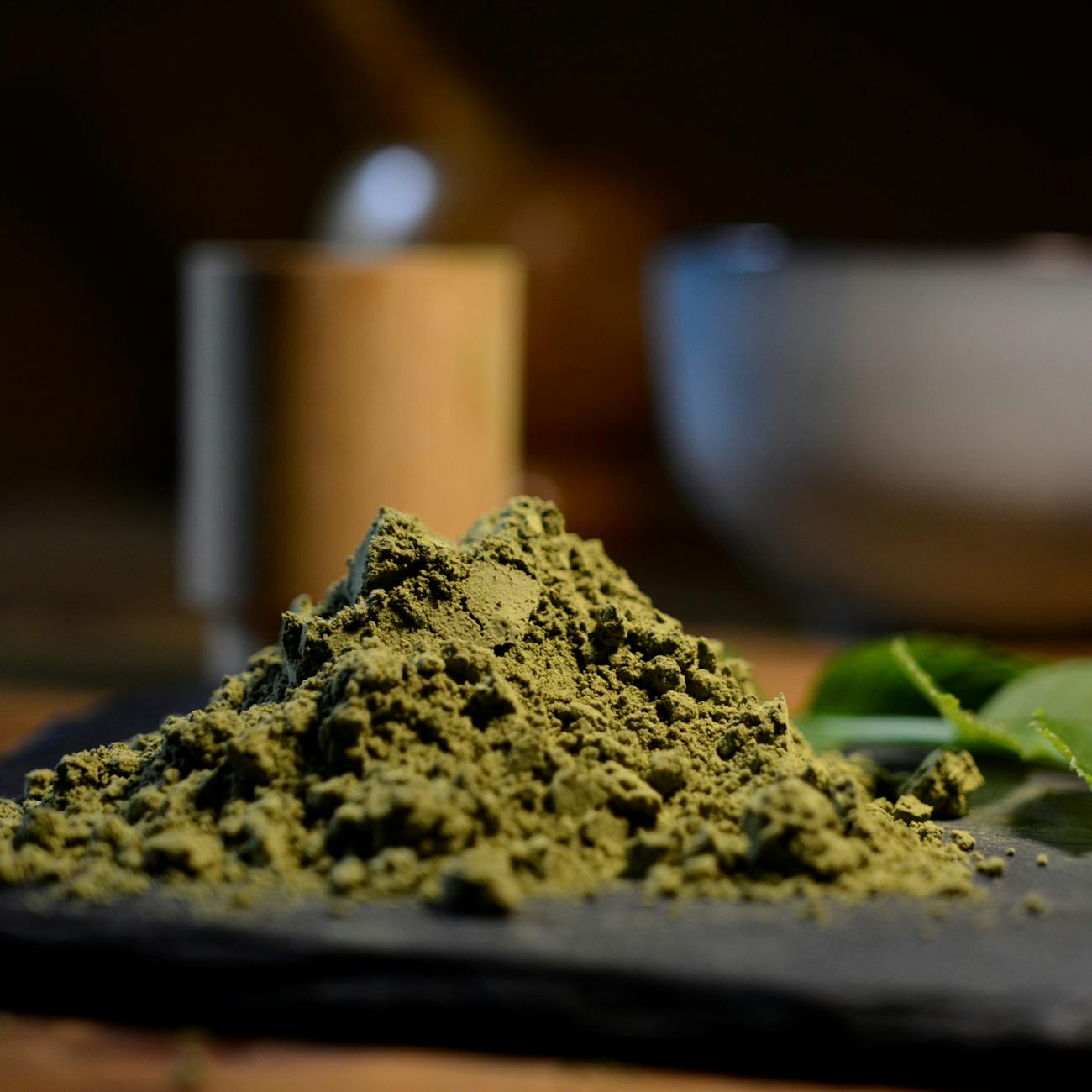
And yes, sift your matcha first. A small mesh strainer breaks up clumps before they ever meet water. This one step eliminates half the frustration beginners face.
What the bowl knows
In tea ceremony, the chawan (tea bowl) isn't just a cup—it's chosen for how it fits your hands, how it holds heat, how its shape guides the whisk. You don't need a ceremonial bowl to make good matcha, but you do need enough room to move.
A wide, shallow bowl gives the whisk space to work. A narrow mug forces you to scrape the sides, damaging both tines and motion. If you're starting out, anything with a flat bottom and room for your wrist to move will do.
The bowl becomes your partner in the process, not just a container.
The reset at the end
After whisking, lift the chasen straight up through the center of the foam, then gently tap it once against the bowl's rim. It's a tiny gesture, almost ceremonial, but it serves a purpose: it releases any tea caught between the tines and leaves the surface clean.
Then rinse the whisk immediately in warm water—never soap—and let it air dry upright on a kusenaoshi, the small ceramic stand that holds the tines in their original shape.
Good matcha isn't about perfection. It's about presence—the quiet focus of thirty seconds spent doing one thing well, the way hands have done it for centuries.
FAQ
Chaware curates authentic Japanese crafts — straight from the makers in Japan to your table.
Explore the Chaware collection →