Ceremonial vs Culinary Matcha: Understanding the Difference
You've seen the bright green powder whisked into a frothy cloud, but not all matcha is created equal. Some is meant to be sipped in silence, some to be baked into cookies—and the difference goes far deeper than price.
The powder that changed with purpose
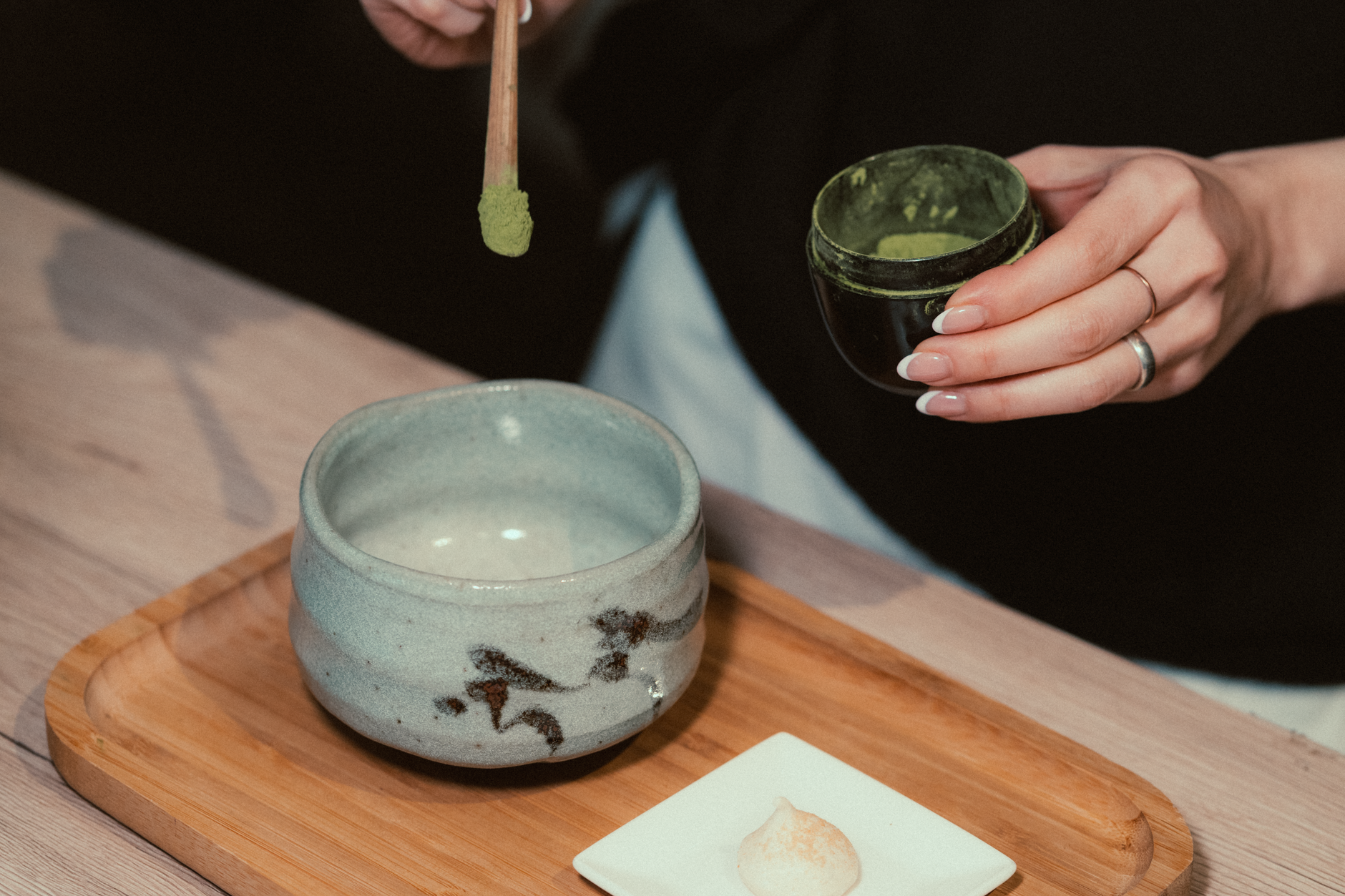
When Buddhist monks brought tea seeds from China to Japan in the 12th century, they weren't thinking about lattes. They cultivated matcha as a meditation tool—a drink to keep them alert through long hours of seated practice. The powder became inseparable from chanoyu, the Japanese tea ceremony, where every gesture carries meaning and every bowl tells a story.
Ceremonial grade matcha is the direct descendant of that monastic tradition. It's made exclusively from the youngest, most tender leaves of the first spring harvest, shade-grown for weeks to concentrate chlorophyll and amino acids. The stems and veins are meticulously removed. What remains is stone-ground on granite mills at a pace so slow it takes an hour to produce just 30 grams.
The result? A powder fine as silk, vivid as new grass, with a flavor that balances vegetal sweetness and umami depth. It's designed to be whisked with hot water and nothing else—no milk, no sugar to hide behind.
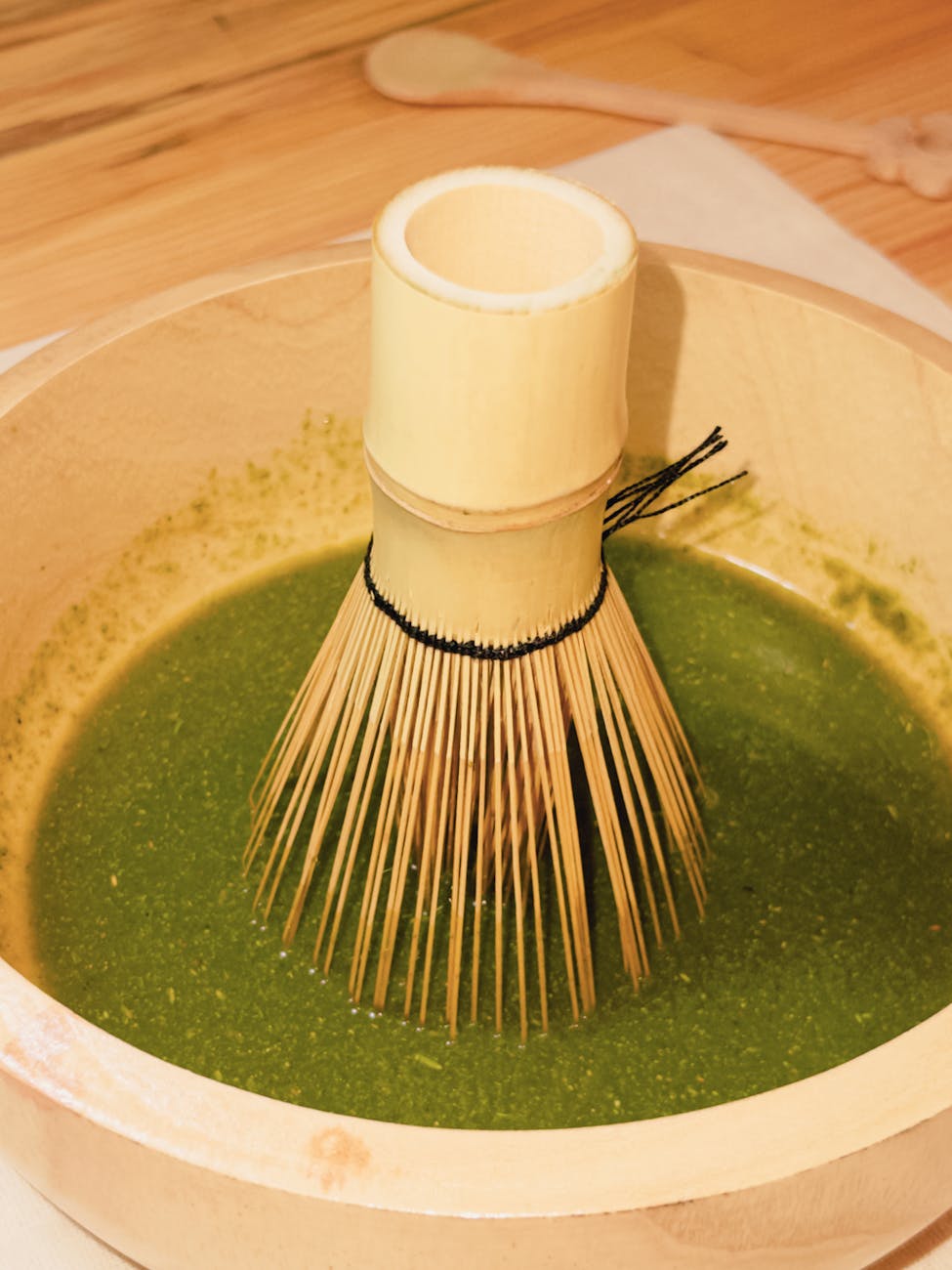
When practicality entered the bowl
Culinary grade matcha emerged not from ceremony, but from the kitchen's need for efficiency. It's made from later harvests—leaves that have seen more sun and developed a stronger, more astringent character. Stems might stay in. The grinding doesn't need to be as painstakingly fine.
This isn't a lesser tea. It's a different tool.
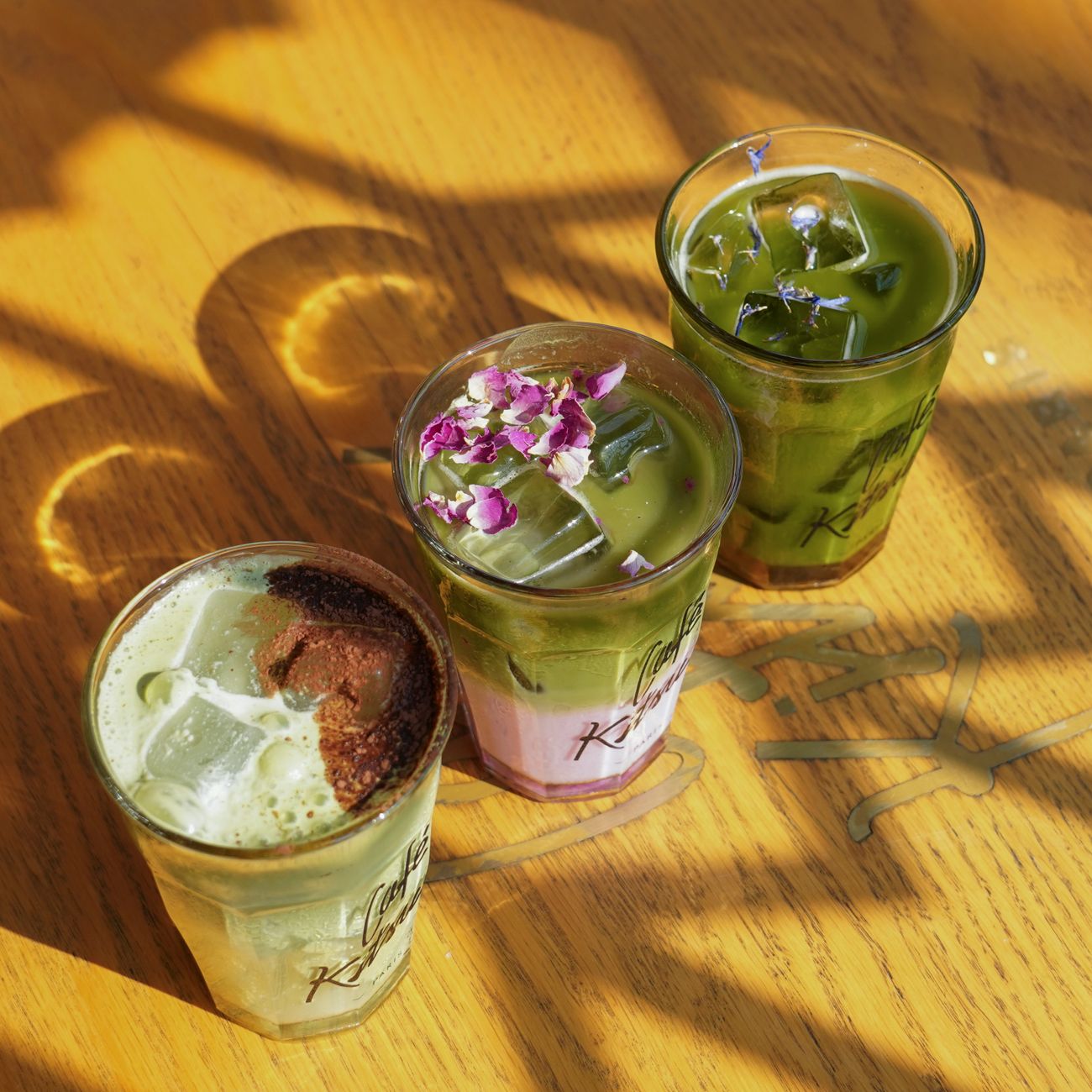
Culinary matcha carries bolder, more robust flavor—exactly what you want when it needs to punch through milk, sugar, or batter.
It's the matcha that goes into your morning smoothie, your cheesecake, your bread dough. Where ceremonial grade whispers, culinary grade projects. The bitterness that would be harsh on its own becomes a sophisticated counterpoint to sweetness in a latte or a white chocolate ganache.
Reading the leaves (or the label)
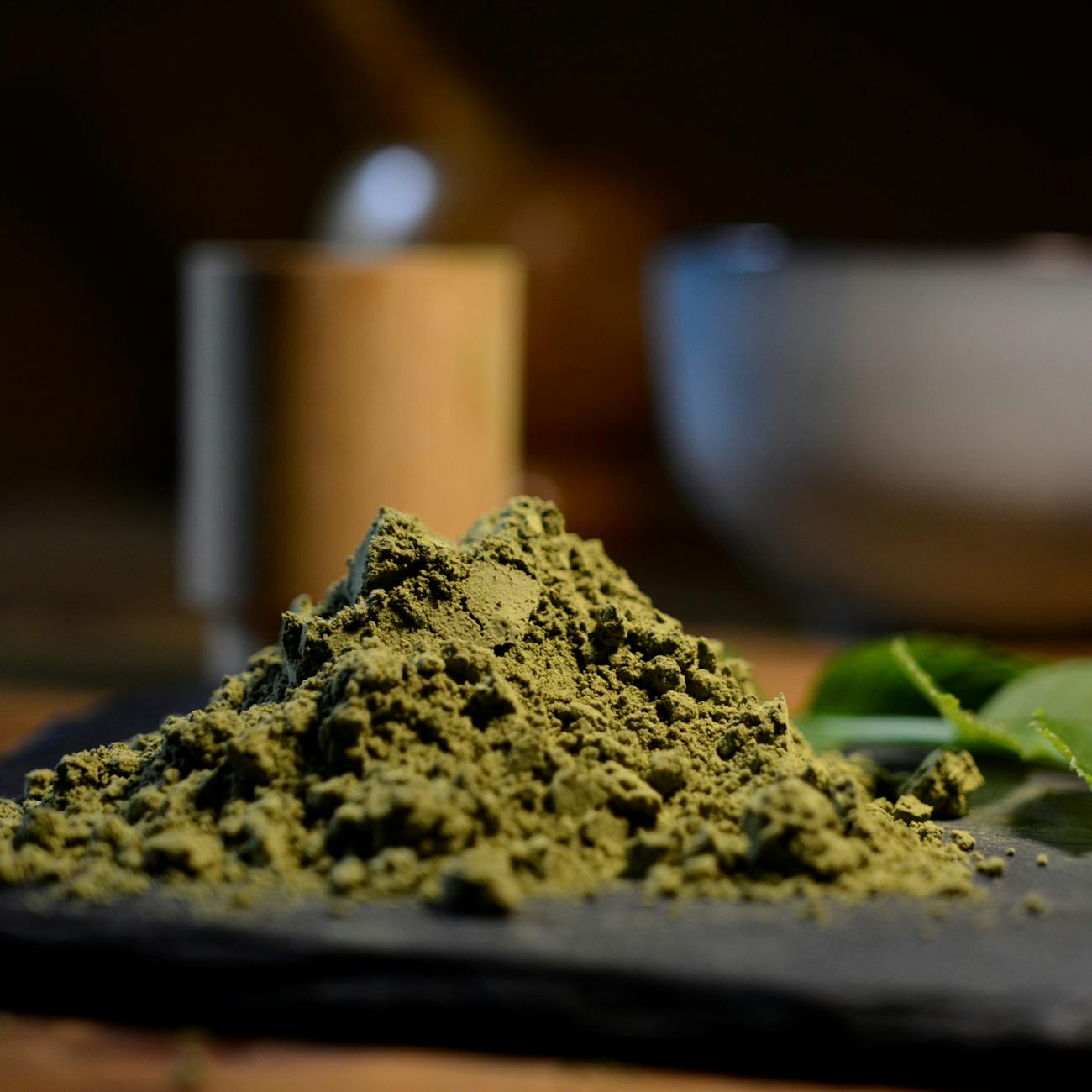
The visual difference is immediate if you know what to look for. Ceremonial matcha glows—a luminous, almost neon green that speaks to high chlorophyll and careful processing. The texture is impossibly fine, clinging to the side of the container like powdered jade.
Culinary matcha tends toward olive or khaki tones. The texture may be slightly coarser, and the aroma more vegetal, sometimes edging into hay-like territory. Neither is wrong. They're honest expressions of different leaves with different destinies.
Price tells part of the story too. Ceremonial grade can cost ten times as much, reflecting the labor of shade cultivation, selective harvesting, and glacial grinding. Culinary grade's efficiency makes it accessible for cooking in quantity—which is exactly the point.
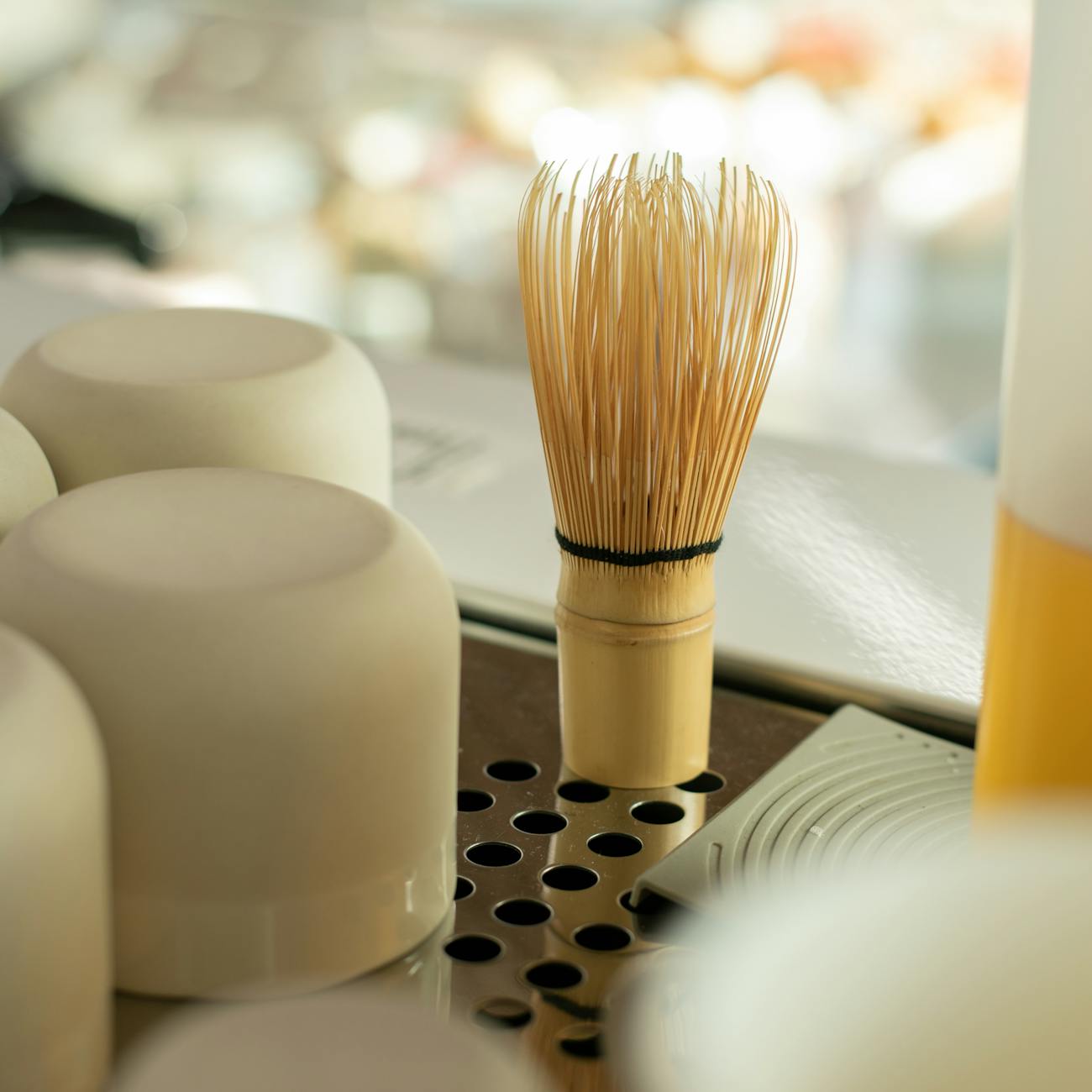
Choosing your path
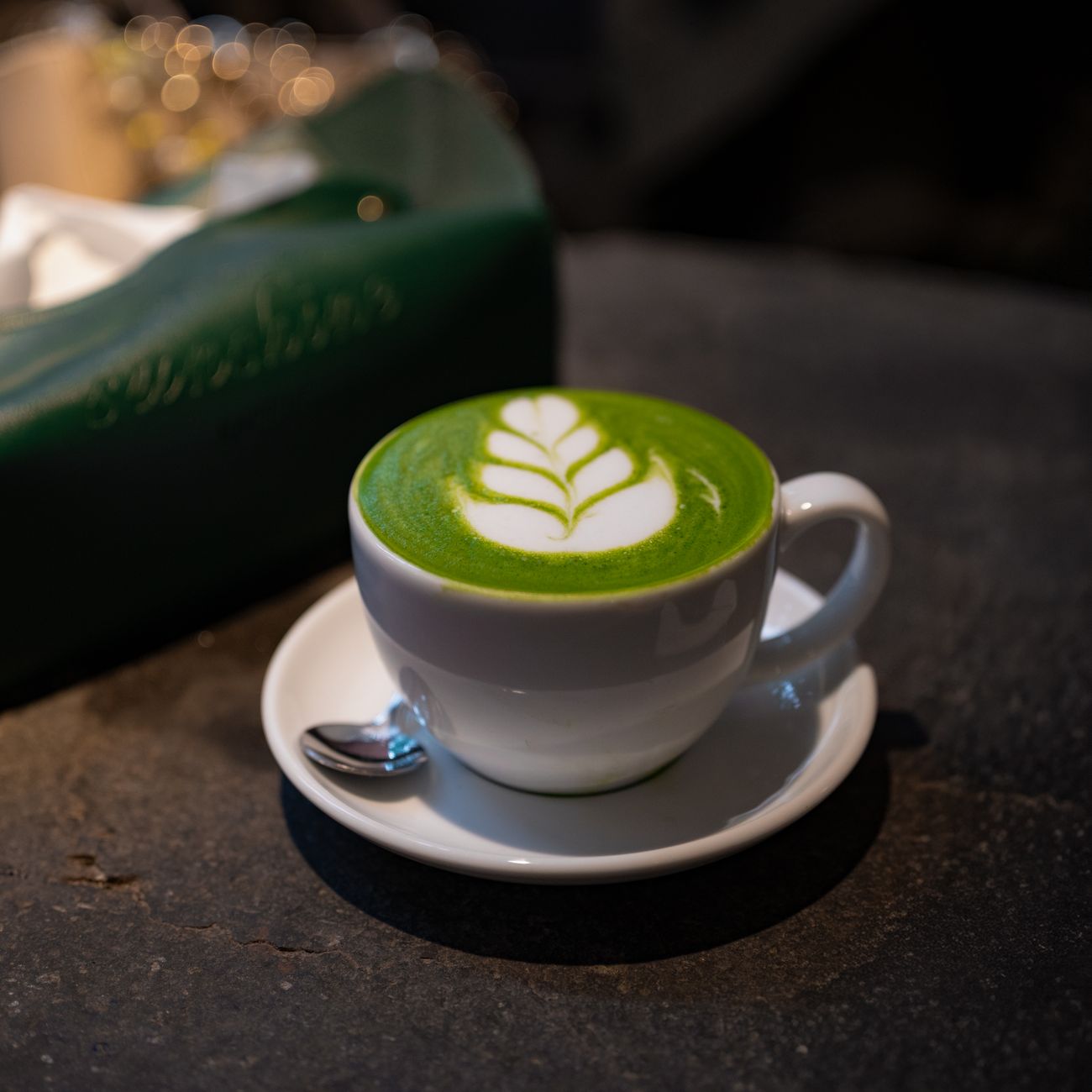
If you're whisking a bowl for quiet morning contemplation, ceremonial grade honors that intention. If you're experimenting with matcha pancakes or trying to nail the perfect iced latte, culinary grade won't just save you money—it'll actually taste better in context.
The Japanese tea masters understood something we're still learning: the right tool depends entirely on the moment you're in. Sometimes that moment calls for stillness and a ceramic bowl. Sometimes it calls for a blender and almond milk.
Both are matcha. Both are valid. The only mistake is using ceremony where you need utility, or utility where you're seeking ceremony.
FAQ
Chaware curates authentic Japanese crafts — straight from the makers in Japan to your table.
Explore the Chaware collection →