The Art of Japanese Fermentation: How Ancient Microbes Shape a Culinary Tradition
The smell hits you first—earthy, tangy, alive. Walk into any traditional Japanese kitchen, and you'll notice it: the quiet hum of transformation happening in ceramic crocks, wooden barrels, and cool shadowed corners.
The invisible architect of flavor
Fermentation isn't a cooking technique in Japan. It's a philosophy.
Where Western kitchens might reach for butter or cream to build depth, Japanese cooks have spent centuries coaxing umami from stillness and time. Koji (rice inoculated with Aspergillus oryzae mold) works like a patient alchemist, breaking down starches and proteins into something far more complex than their origins. It's the invisible ingredient behind miso, sake, soy sauce, and mirin—the foundational flavors that make Japanese cuisine taste like itself.
This isn't preservation for survival's sake, though it began that way. It's transformation as craft. The same rice that fills your bowl becomes, through koji's intervention, the sweet depth in your soup or the brightness in your marinade.
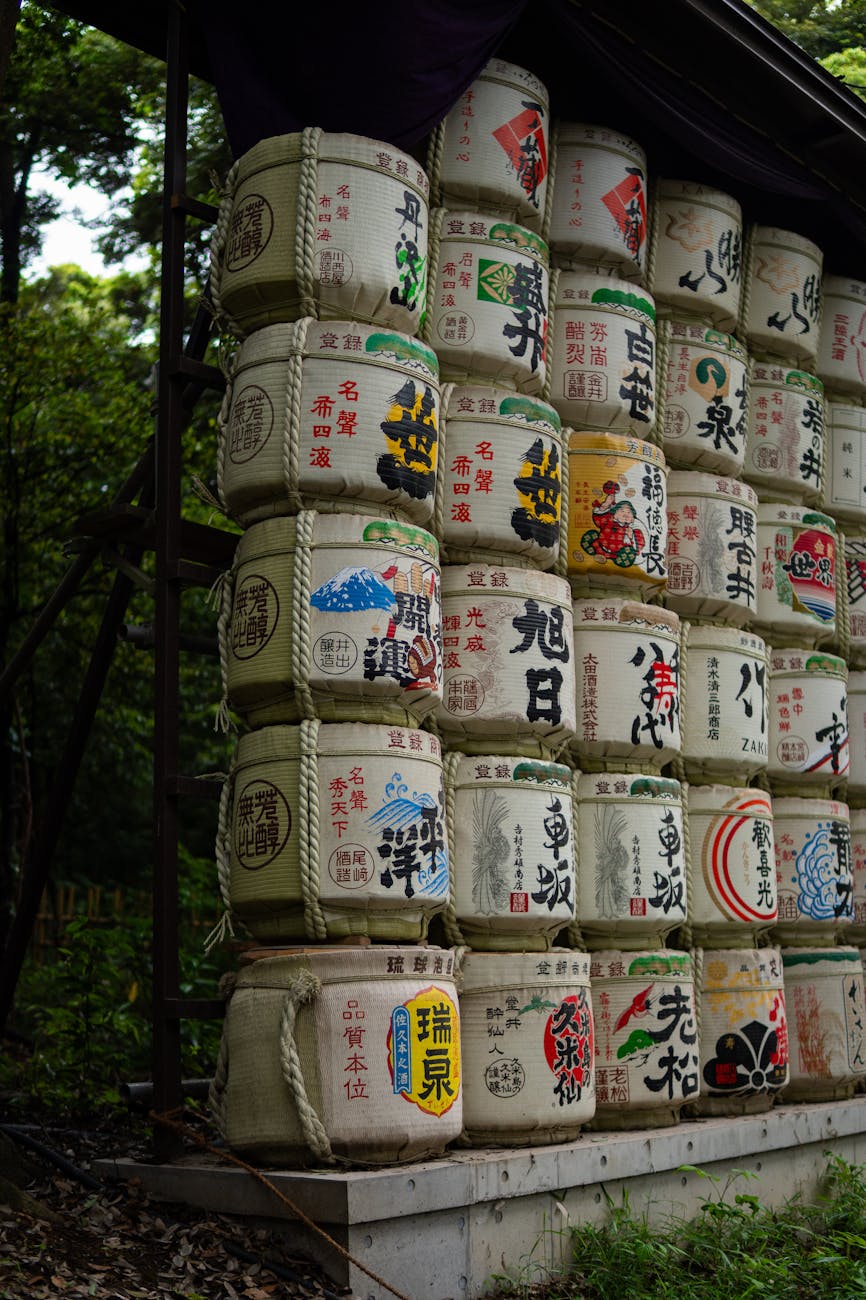
Breakfast, built on billions of bacteria
Pour miso soup over rice at breakfast. Tuck natto—those infamous sticky, pungent fermented soybeans—beside a raw egg. Add a few slices of tsukemono, vegetables pickled in rice bran.
You've just eaten several thousand years of microbial wisdom before 8 AM.
In Japan, fermentation doesn't hide in condiments—it sits center stage at every meal.
Nukazuke, vegetables buried in a living bed of rice bran, require daily attention. You plunge your hands into the nukadoko (the fermentation bed), turning and mixing, keeping the bacteria happy. The bed itself becomes an heirloom, passed down through generations, each family's colony of microbes as unique as a fingerprint. Some are over a hundred years old.
The long wait for depth
Speed has no place in a barrel of soy sauce.
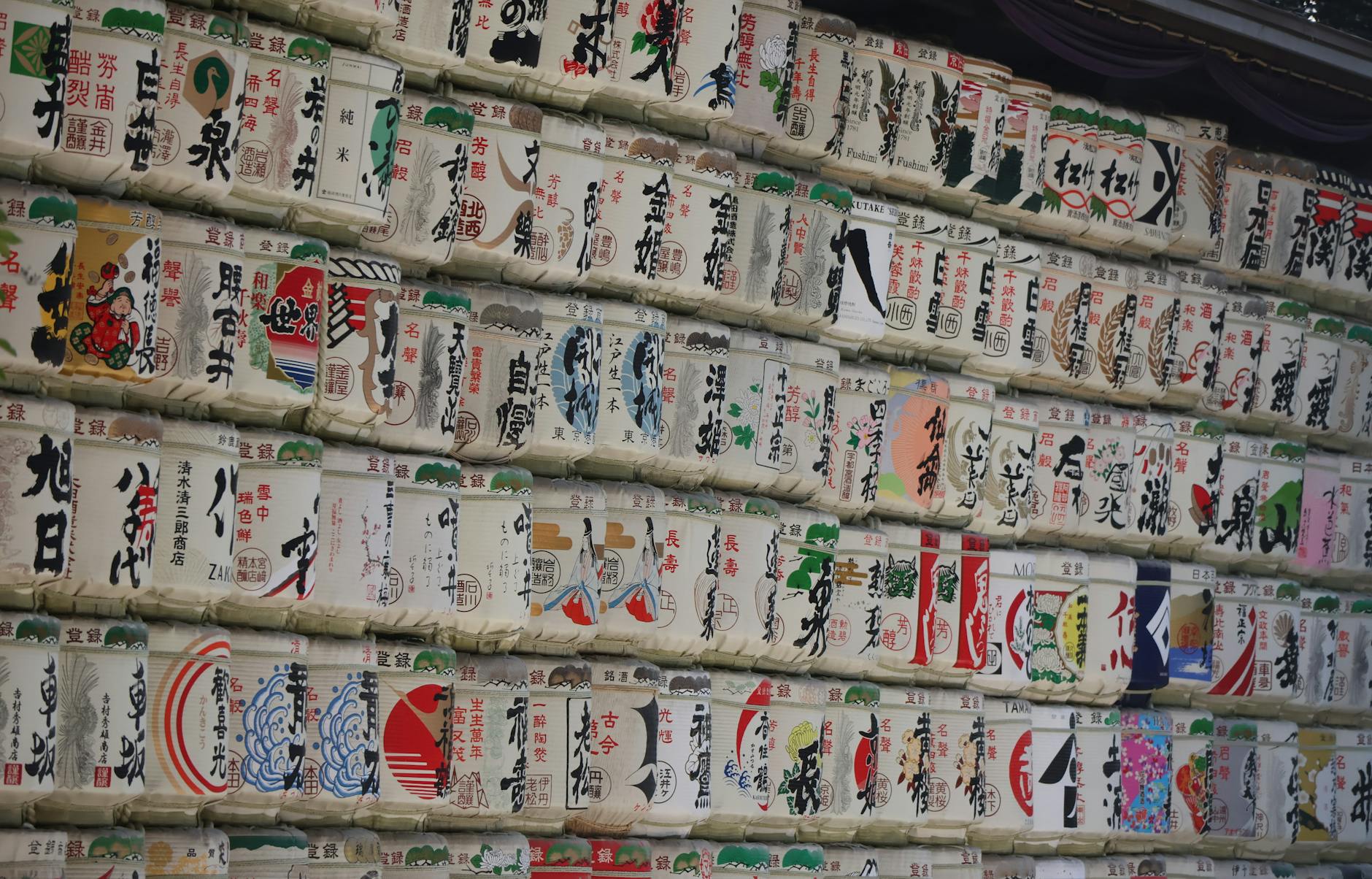
Traditional brewing methods measure time in seasons, not hours. Soybeans and wheat meet koji, salt, and water in massive cedar barrels, then wait. Six months. A year. Sometimes three. The brewers don't rush the moromi (fermenting mash)—they listen to it, smell it, taste it. They know the difference between transformation and rot lives in patience and attention.
Modern industrial methods can produce soy sauce in weeks using temperature control and chemical shortcuts. It tastes like the difference between a photograph and standing in the actual place. The depth isn't there. The layers haven't had time to develop.
This is why a decades-old miso tastes like condensed time—darker, more complex, almost meaty without any meat involved.
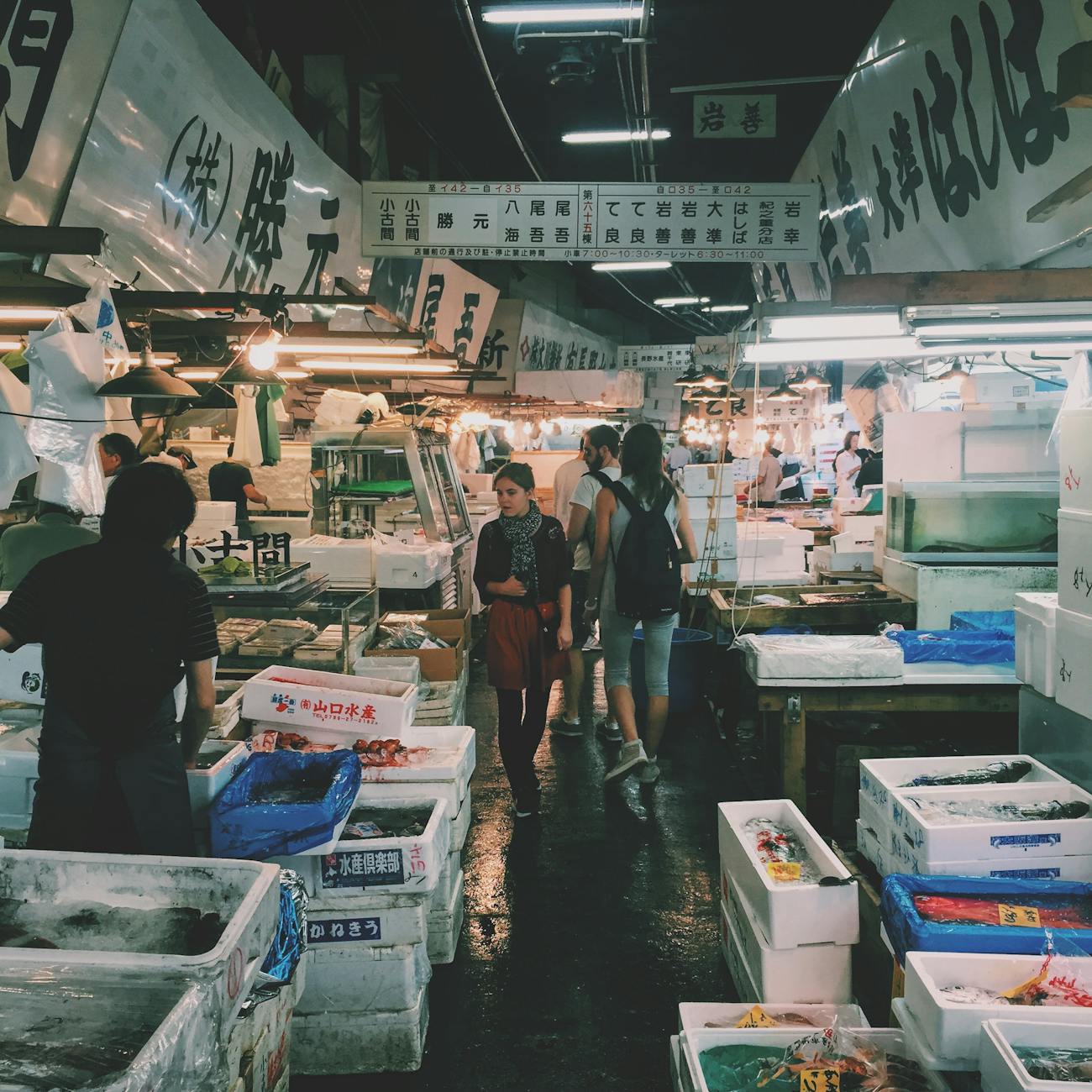
Winter's insurance policy, summer's refreshment
In a country of humid summers and scarce refrigeration for most of its history, fermentation was survival technology. But Japanese cooks elevated necessity into art.
Amazake, a sweet fermented rice drink, warms winter bellies and cools summer afternoons depending on how it's served. Pickled plums (umeboshi) turn astringent fruit into something that lasts years and settles upset stomachs. Fermented fish (kusaya, shiokara) transformed coastal catches into protein that wouldn't spoil.
Each region developed its own fermented specialties based on what grew nearby: mountain vegetables, coastal fish, local grains. The microbial terroir—the specific yeasts and bacteria floating in each valley's air—made every town's pickles taste distinctly of that place.
A living tradition
Today's Japanese kitchen still hums with this invisible work. The convenience store sells a dozen varieties of miso. Home cooks still tend their nukadoko. Craft brewers experiment with wild yeasts and ancient methods.
Fermentation in Japan never stopped being alive.
FAQ
Chaware curates authentic Japanese crafts — straight from the makers in Japan to your table.
Explore the Chaware collection →