Why Umami Is Central to Japanese Food Culture
You already know what sweet, salty, sour, and bitter taste like. But can you describe umami?
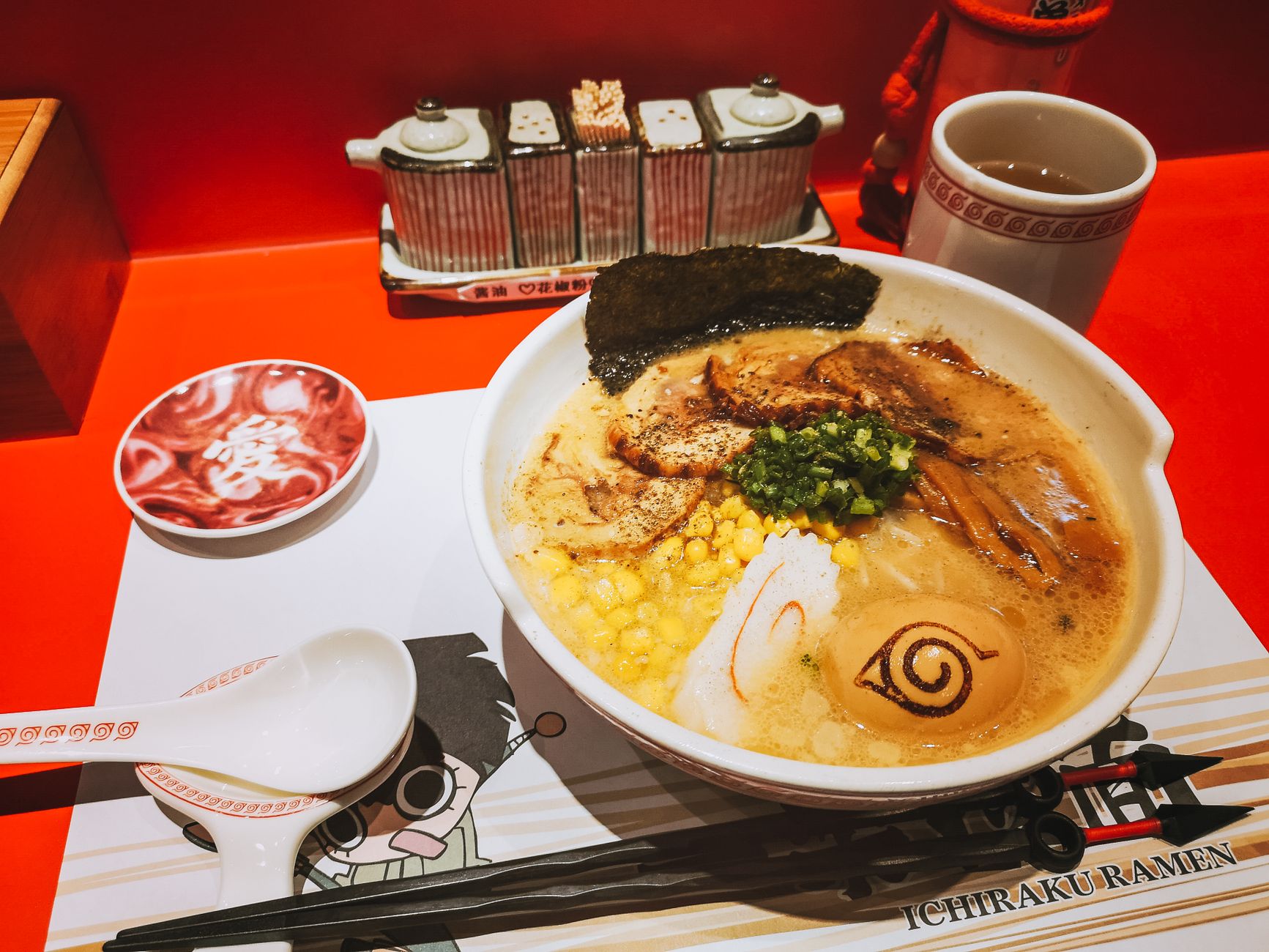
It's the ghost note in miso soup, the lingering warmth in kombu broth, the reason you can't stop eating that bowl of ramen. In Japan, umami isn't just a flavor—it's a philosophy of cooking, a way of building depth without shouting for attention.
The taste that doesn't translate
For centuries, Japanese cooks understood something Western cuisine had no word for. They knew that certain ingredients—dried kelp, aged bonito flakes, fermented soybeans, shiitake mushrooms—added a savory richness that made everything else taste more like itself. They called it umai, meaning delicious.
In 1908, Tokyo chemist Kikunae Ikeda finally isolated what his tongue already knew: glutamate, the compound responsible for that elusive fifth taste. He named it umami—literally "pleasant savory taste." But Japan had been cooking with it for over a thousand years.
The discovery wasn't academic curiosity. It was reverse-engineering what grandmothers already did by instinct.
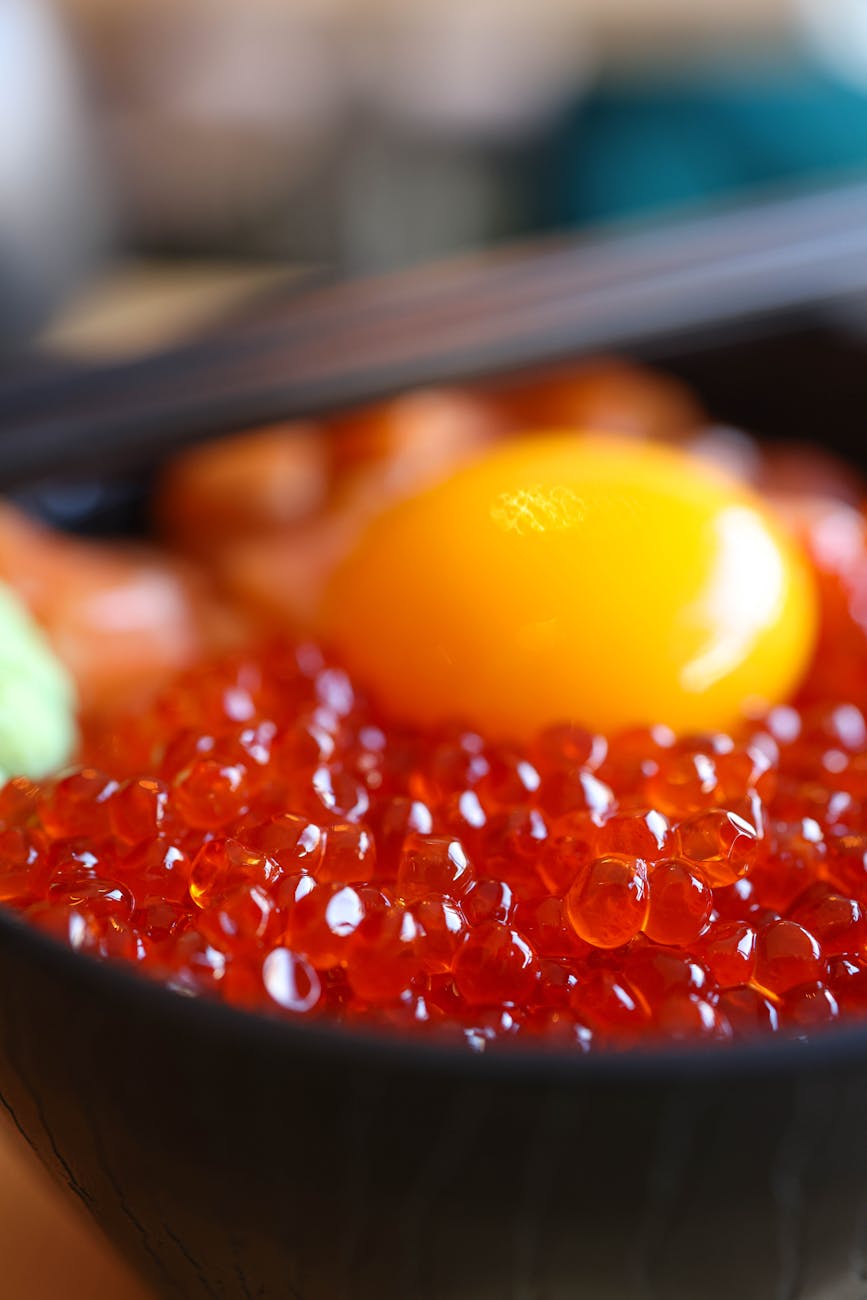
Dashi: the invisible foundation
Walk into any Japanese kitchen in the early morning and you might catch the scent of dashi being prepared—a clear broth made from kombu seaweed and katsuobushi (shaved, smoked, fermented skipjack tuna). It looks like nothing. It tastes like everything.
Dashi doesn't announce itself; it makes other ingredients sing.
This is umami's magic. It doesn't dominate. It amplifies. A handful of spinach wilted in dashi tastes greener, more alive. Tofu simmered in it becomes worth paying attention to. Western stocks rely on long simmering and fat for body; dashi achieves depth in minutes through pure extraction of glutamates and nucleotides.
The result is a cooking style that feels light but never thin, subtle but never bland.
Fermentation as time travel
Japanese cuisine treats time as an ingredient. Miso paste ferments for months or years, breaking down soybeans into concentrated umami. Shoyu (soy sauce) undergoes a similar transformation—wheat and soy left to the slow work of koji mold and salt.
Even the katsuobushi in your dashi has been smoked, sun-dried, and aged with beneficial mold until it becomes the hardest food in the world, a block of pure savory intensity that must be shaved like wood.
This patience isn't precious or performative. It's practical. Fermentation preserves, yes, but more importantly, it creates—building flavors that fresh ingredients simply cannot produce. The umami in aged miso is exponentially richer than in the raw beans it came from.
Why it matters beyond Japan
Understanding umami changes how you taste everything. That addictive quality in Parmesan cheese, tomatoes, mushrooms, aged meats? Glutamate. Your tongue has been responding to it your whole life; you just didn't have the vocabulary.
But Japanese cuisine doesn't just use umami—it structures entire meals around it, layering sources to create what food scientists call synergy: kombu's glutamates plus katsuobushi's inosinate create a flavor greater than the sum of its parts.
It's why a bowl of rice, miso soup, grilled fish, and pickles feels complete in a way that's hard to articulate. The umami isn't loud. It's foundational. It's the reason you finish the meal satisfied but not heavy, nourished but not stuffed.
The flavor you can't quite name is doing exactly what it's supposed to do: disappearing into harmony.
FAQ
Chaware curates authentic Japanese crafts — straight from the makers in Japan to your table.
Explore the Chaware collection →