Why Japanese Chopsticks Are Pointed: The Design Behind the Tip
You've probably never thought twice about why the chopsticks in front of you taper to a point. But once you know, you'll never pick them up the same way again.
A tool shaped by the ocean
Japanese chopsticks—hashi—end in delicate, precise tips, unlike the blunt-ended chopsticks common in China or Korea. The reason isn't aesthetic whimsy. It's rooted in what Japan eats, and how.
Japan is an island nation where fish has been the heart of the meal for centuries. Those pointed tips were designed to lift tiny bones from cooked fish, to tease apart flaky flesh, to navigate the architecture of a grilled mackerel or steamed sea bream with surgical care. You're not just eating—you're performing a small, mindful act of separation.
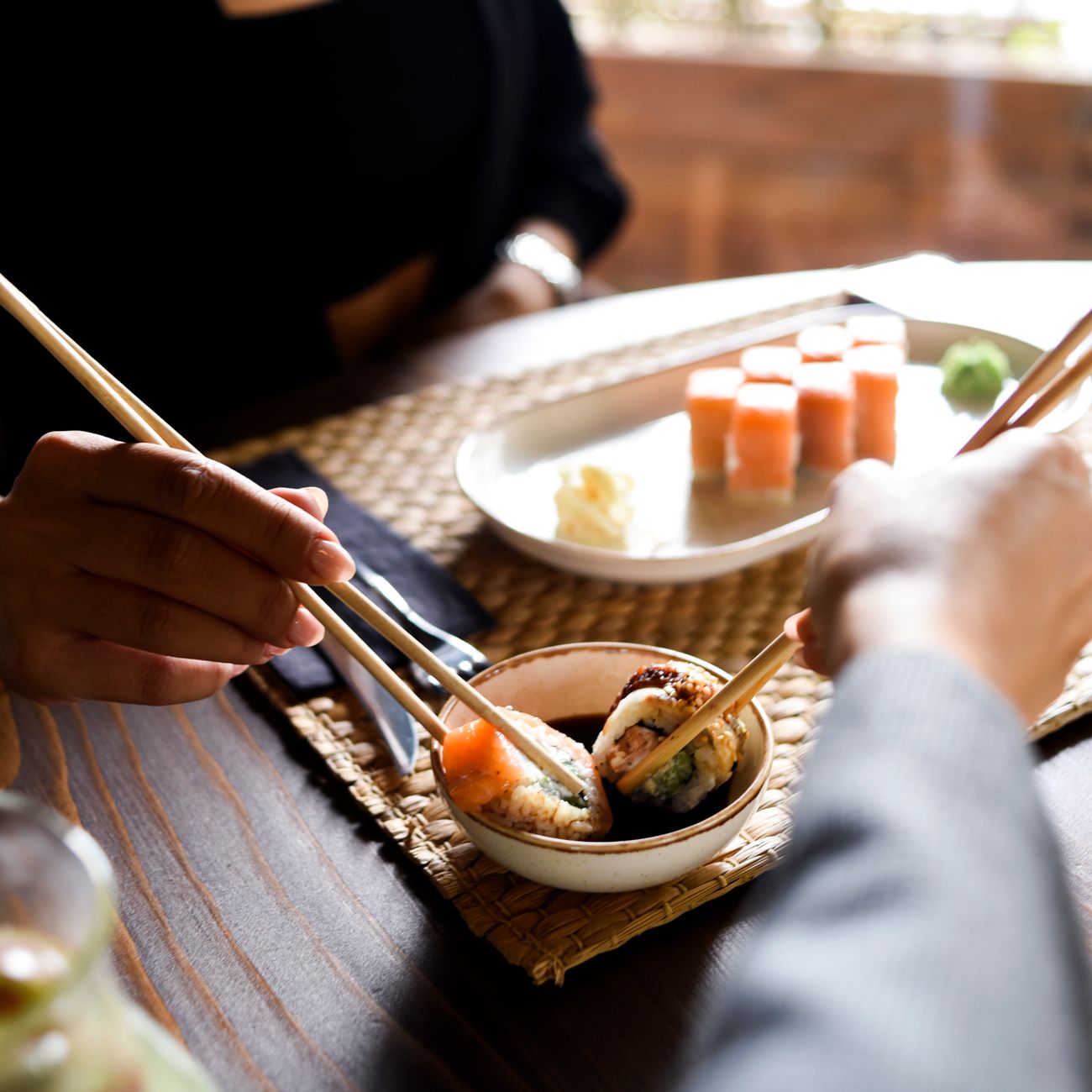
The taper also allows you to pick up a single grain of rice, a sliver of pickled ginger, a translucent slice of sashimi. Precision matters in a cuisine built on subtlety.
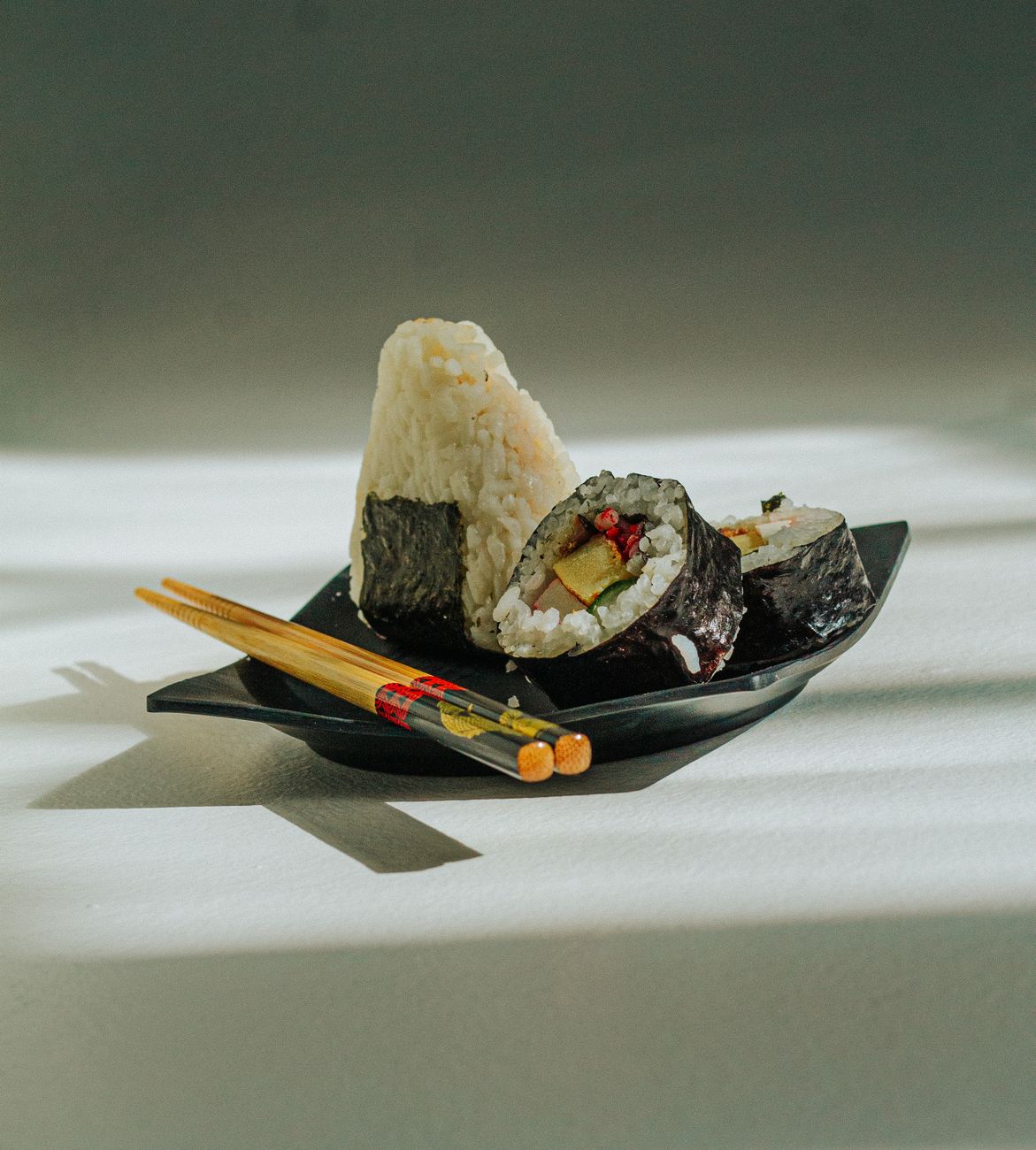
The grammar of respect
But there's more than function at work. The pointed tip connects to deeper cultural values—particularly the idea of mottainai, a sense of wastefulness avoided, and respect for ingredients.
In Japanese food culture, every grain of rice matters, and the tool must honor that.
When you use chopsticks that can handle the delicate and the small, you're less likely to crush, drop, or waste. You slow down. You pay attention. The shape enforces a kind of reverence that becomes second nature.
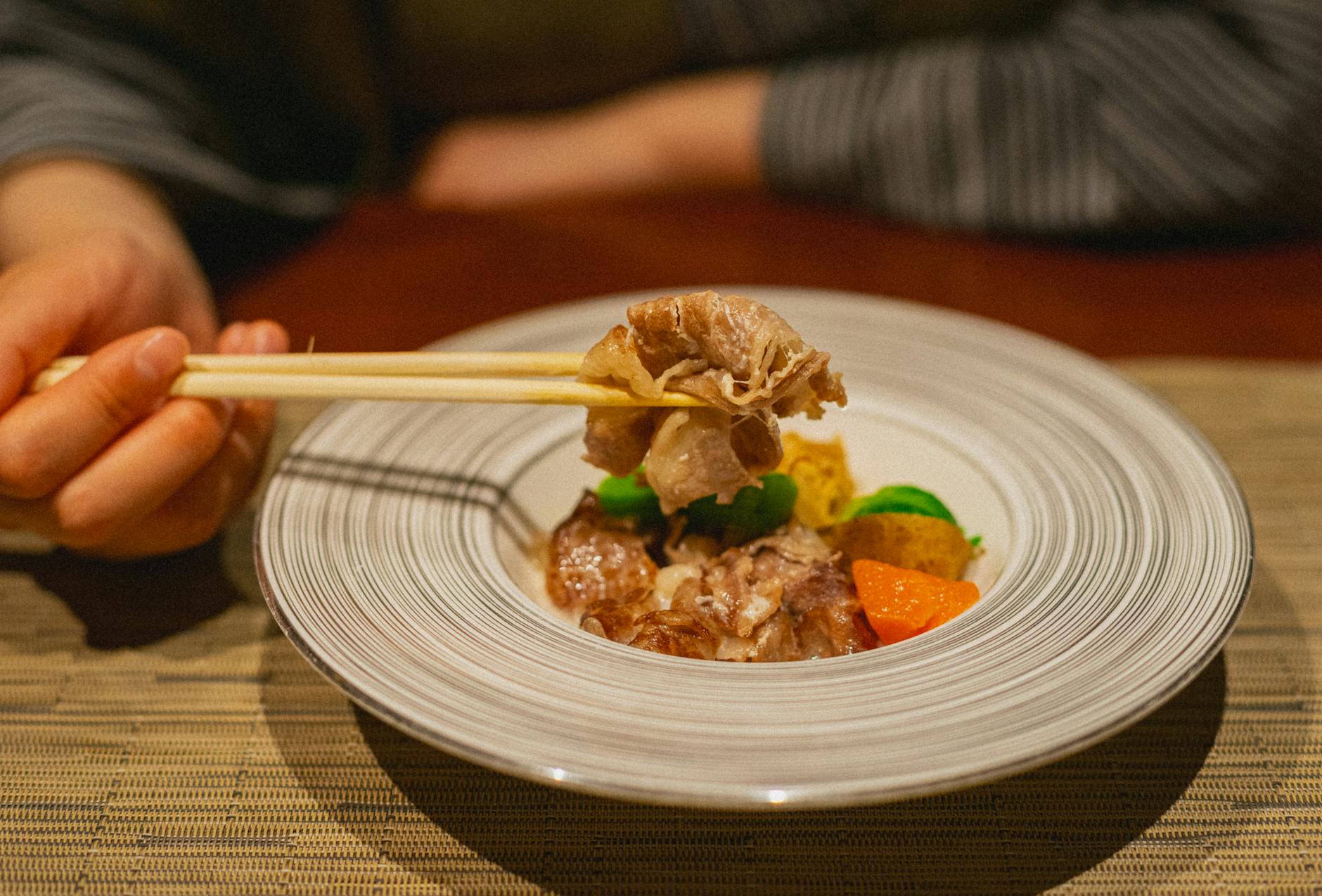
This also extends to the communal table. Pointed chopsticks make it easier to serve yourself from shared dishes without disturbing the arrangement or taking more than your portion. Consideration is built into the utensil itself.
Craft that fits the hand
Japanese chopsticks are also shorter and lighter than their continental cousins—typically around 20 to 23 centimeters. They're meant to be held closer to the tip, in a grip that emphasizes control and gentleness rather than leverage.
Craftspeople have refined this form over generations. Many are made from a single piece of wood—cypress, cherry, ebony—shaped, lacquered, sometimes inlaid. The taper isn't arbitrary. It's the result of understanding how the hand moves, how the wrist turns, how the fingers need to feel resistance and release.
You might notice that disposable waribashi (split wooden chopsticks) still keep that taper, even in their humble, everyday form. The shape is so essential to the experience that it persists across every tier of quality.
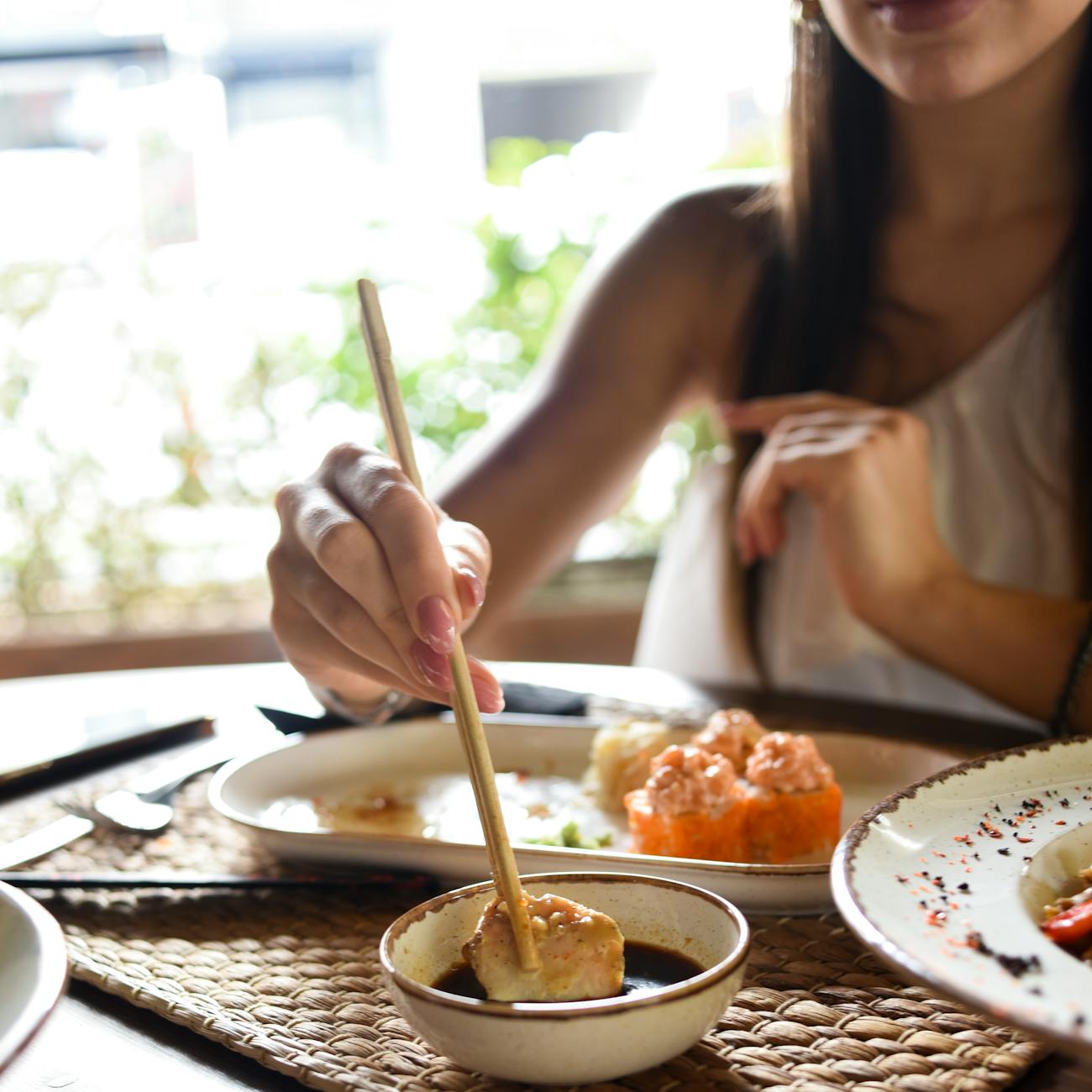
Not just Japanese—but distinctly so
Other cultures that use chopsticks made different choices. Chinese chopsticks are longer, often cylindrical or blunt, suited to reaching across large shared platters and gripping heavier, oiled dishes. Korean chopsticks are frequently made of flat metal, a material tied to historical court customs and durability.
Japan chose wood, brevity, and the point. It's a choice that mirrors the broader aesthetics of Japanese craft: restraint, specificity, and an attention to the tiny gesture.
The next time you hold a pair, notice the way the tips meet. That narrow margin is where care lives.
FAQ
Chaware curates authentic Japanese crafts — straight from the makers in Japan to your table.
Explore the Chaware collection →