How to Hold Chopsticks Correctly: A Step-by-Step Guide to Proper Technique
You've probably been holding them wrong your whole life. And that's okay.
The grip that travels through time
In Japan, chopstick technique isn't just table manners—it's a physical inheritance passed from parent to child, generation to generation, like the shape of a smile or the cadence of a laugh. The hashi rest lightly between your fingers, an extension of the hand rather than tools you wrestle with. When you hold them correctly, they move with the precision of calligraphy brushes, picking up a single grain of rice or gripping a slippery piece of ginger with equal ease.
The method hasn't changed in centuries because it doesn't need to.
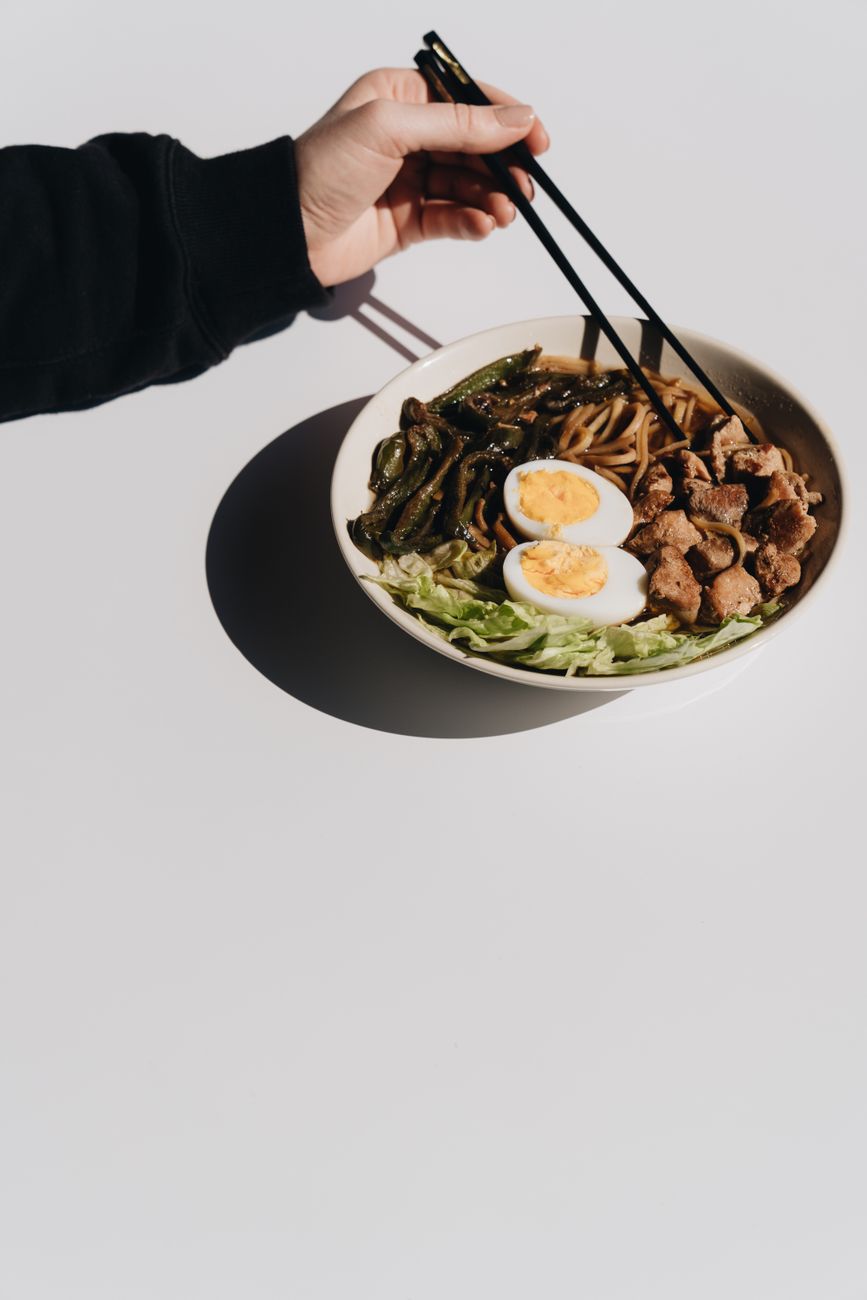
The architecture of the hold
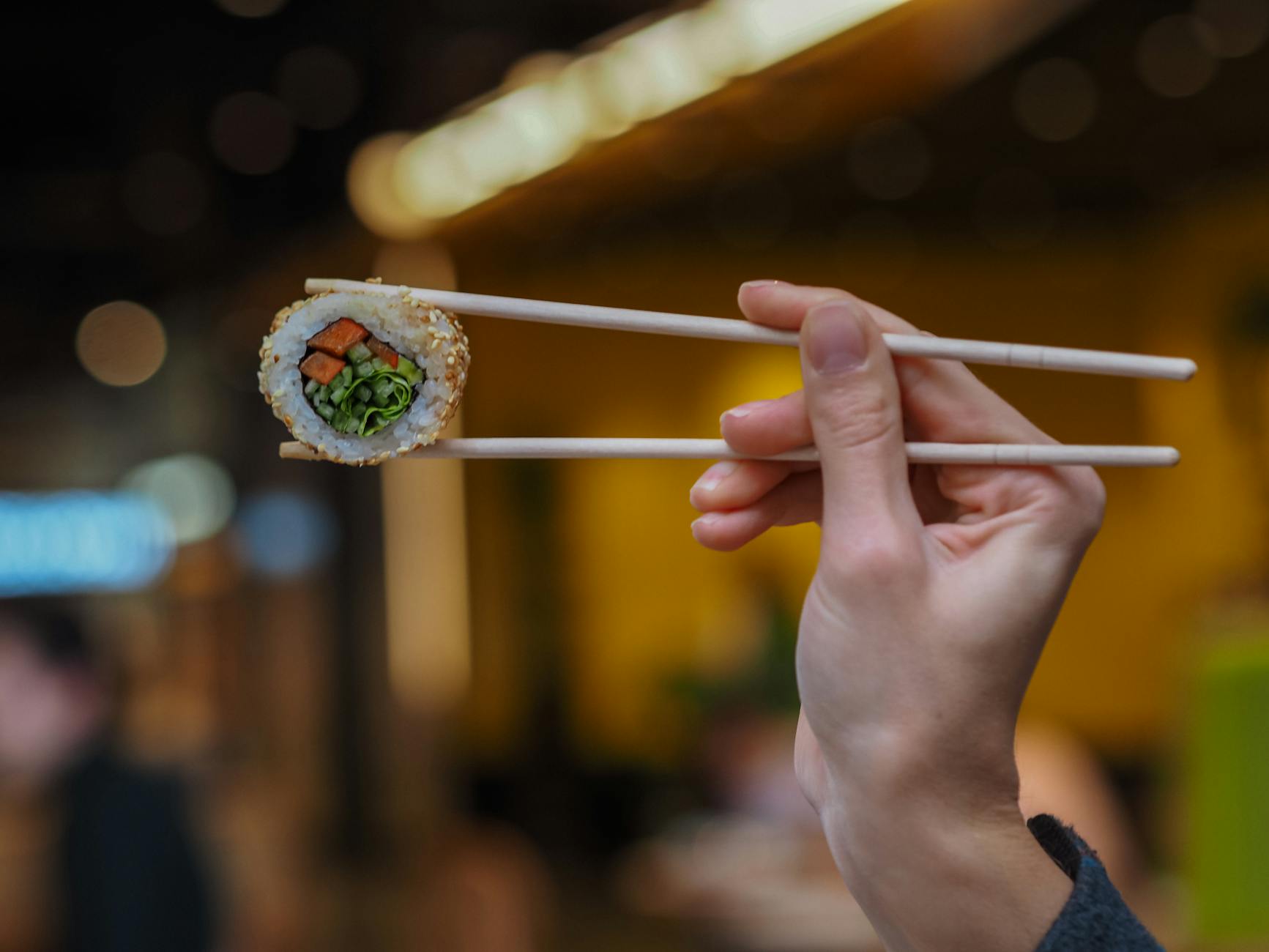
Your bottom chopstick stays completely still. Think of it as the foundation—it nestles in the valley between your thumb and index finger, supported by your ring finger. This one never moves.
The top chopstick is the dancer. Hold it like a pencil, controlled by your thumb, index, and middle fingers. This is the chopstick that does all the work, pivoting down to meet its partner in a gentle pinch. Your ring finger and pinky stay relaxed, curved naturally rather than splayed out in tension.
The tips should meet cleanly, like closing a book.
When held properly, chopsticks become quiet—no clicking, no scraping, just the soft sound of wood meeting porcelain.
What everyone gets wrong
Most beginners grip both chopsticks in a fist, squeezing them like they're trying to strangle the utensils into submission. This creates the telltale crossed-tip tangle, where the chopsticks fight each other instead of working together. You'll recognize it immediately: loud clicking sounds, dropped food, and a growing sense of defeat.
Others hold them too high up the shaft, which sacrifices all control. The sweet spot is about one-third from the top—close enough to the tips for precision, high enough for leverage.
And then there's the death grip. White knuckles. Tense shoulders. Chopsticks aren't a test of strength. They respond to lightness.
The practice no one mentions
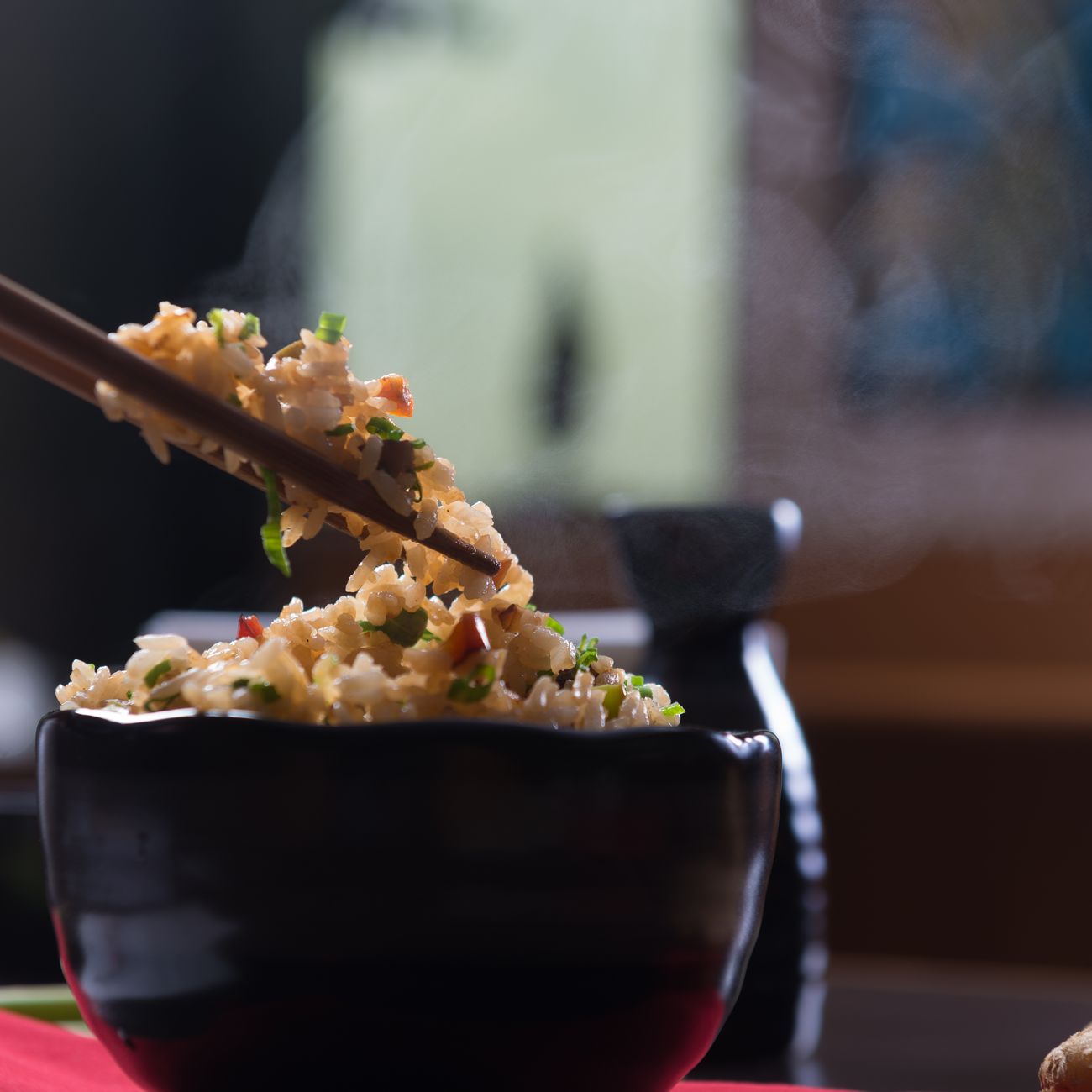
In traditional households, children practice with dried beans, moving them one by one from bowl to bowl. It's meditation disguised as a game. The repetition builds muscle memory in your fingers—those small, precise movements that feel impossible at first and then, suddenly, don't.
Start with larger items. Edamame beans still in their pods. Pieces of tamagoyaki. Work your way down to rice, which requires the tips to align perfectly, forming a small cage that holds without crushing.
Your hand will get tired. That's normal. The muscles between your thumb and index finger aren't used to this particular choreography. But within a few meals, the movement begins to feel less like conscious effort and more like instinct.
The unspoken etiquette
Once you've found the grip, you've only learned the grammar. The poetry comes in how you use them. Never point with chopsticks. Never spear your food. Never pass food directly from your chopsticks to someone else's—this gesture appears only at funerals, where mourners pass cremated bones.
These aren't arbitrary rules. They're the accumulated wisdom of a culture that has elevated the simple act of eating into something worth doing beautifully.
---
The first time you pick up a slippery mushroom cleanly, without thinking about your fingers, you'll understand why the technique has survived unchanged. It just works. And it always has.
FAQ
Chaware curates authentic Japanese crafts — straight from the makers in Japan to your table.
Explore the Chaware collection →