Why You Should Never Stick Chopsticks Into Rice: Understanding the Taboo
You reach for your chopsticks at dinner, rice bowl in hand. Then you pause—where do you rest them?
Whatever you do, don't stand them upright in the rice. In Japan, this simple act carries the weight of a funeral.
The bowl that feeds the dead
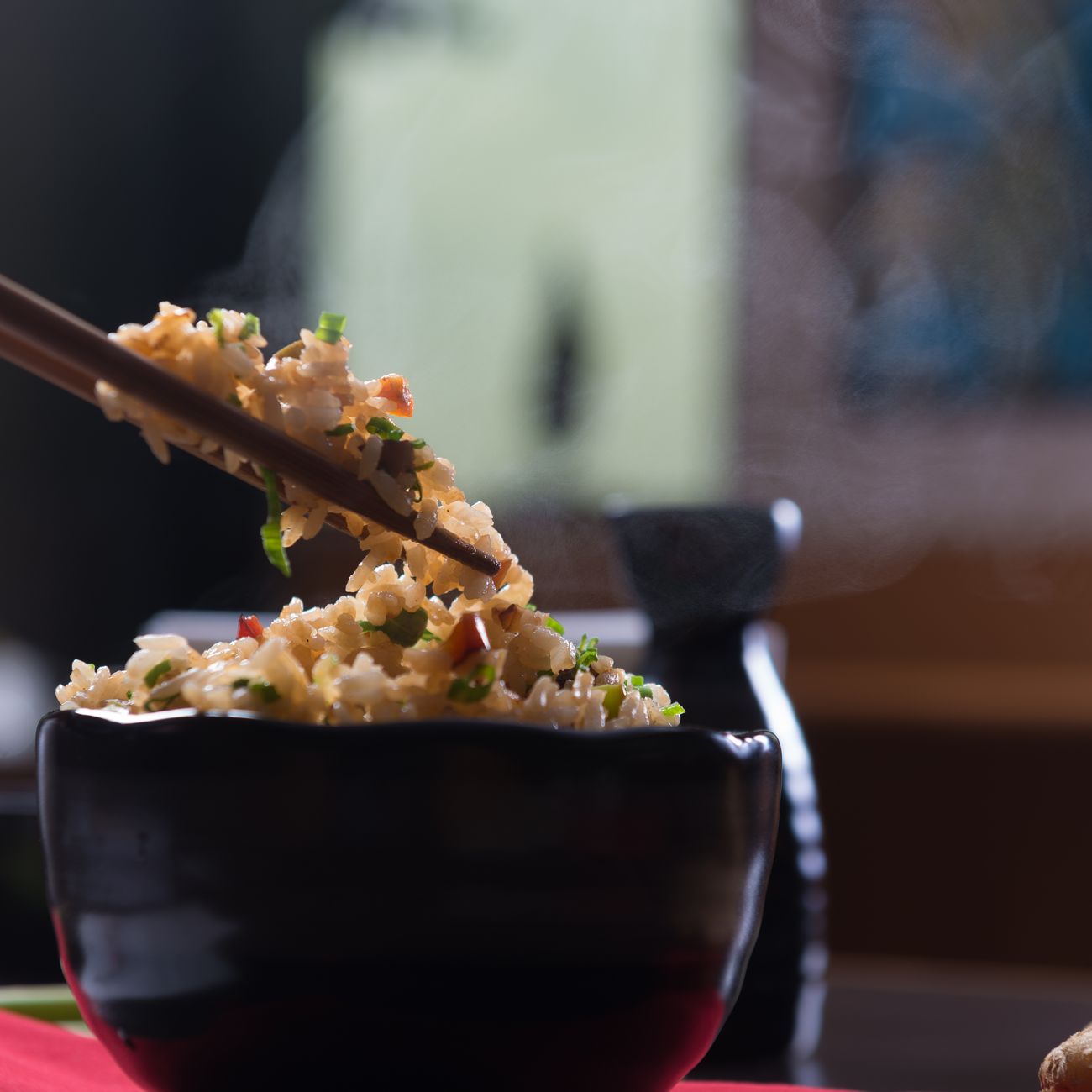
Standing chopsticks vertically in a bowl of rice—a practice called tatebashi or hotokebashi—is reserved for one occasion only: offerings to the deceased. At Buddhist funeral altars and memorial services, a bowl of rice with chopsticks standing straight up is placed before the spirit of the departed. It's a meal for the afterlife.
This isn't superstition. It's ritual grammar, a visual language everyone understands.
When you mimic this gesture at the dinner table, you're essentially setting a place for a ghost. The message is unmistakable, and deeply unsettling to anyone who grew up with this knowledge.
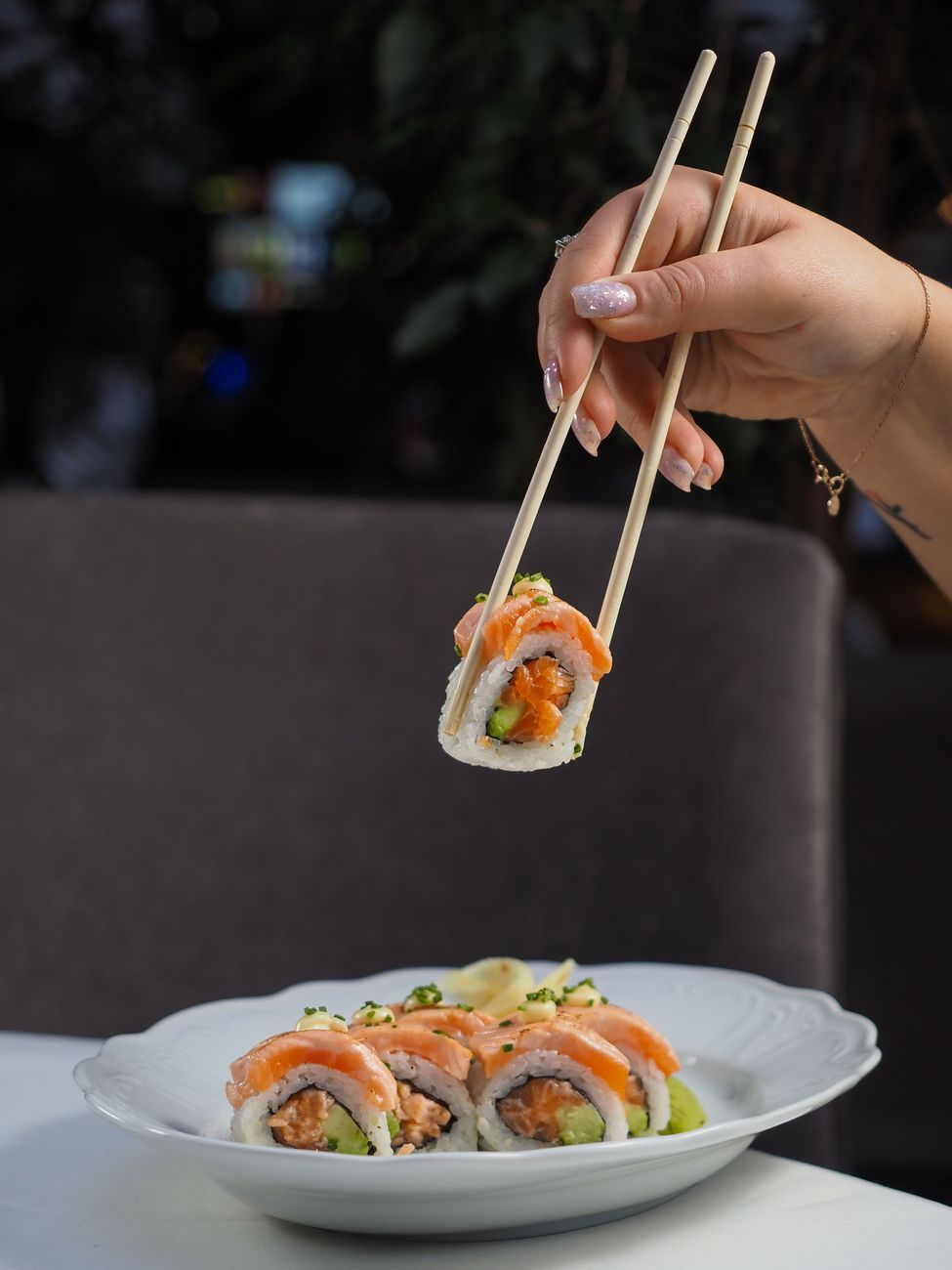
What the chopsticks say
Japanese table manners are quiet contracts. They communicate respect—for the food, the cook, the people around you, and the unseen world that hovers at the edges of daily life.
Kiraibashi—the umbrella term for chopstick taboos—includes more than just standing them upright. Passing food chopstick-to-chopstick (hashiwatashi) echoes another funeral rite, where family members transfer bone fragments from the cremated remains. Stabbing food with chopsticks (sashigashi) suggests violence. Waving them around (mayoibashi) shows indecision and carelessness.
Each gesture with chopsticks is a sentence; some sentences you don't want to speak at the table.
These aren't arbitrary rules. They're rooted in centuries of Shinto and Buddhist practice, where the boundary between the living and the dead is porous, maintained through careful attention to objects and gestures.
Where the chopsticks rest instead
So what do you do when you need to set your chopsticks down?
Most Japanese tables offer a hashioki—a small ceramic, wood, or bamboo rest designed precisely for this purpose. It keeps the tips elevated and clean, a tiny pedestal of respect. If there's no rest available, lay them horizontally across the edge of your plate or bowl, tips pointing left (in the traditional arrangement, though modern practice is more flexible).
Never across the top of the rice bowl. Never pointed at someone. And certainly never vertical.
The hashioki itself can be a small work of art—glazed porcelain shaped like a leaf, a minimalist wooden bar, a playful seasonal motif. It's one more reminder that Japanese dining considers the entire landscape of the table, not just the food.
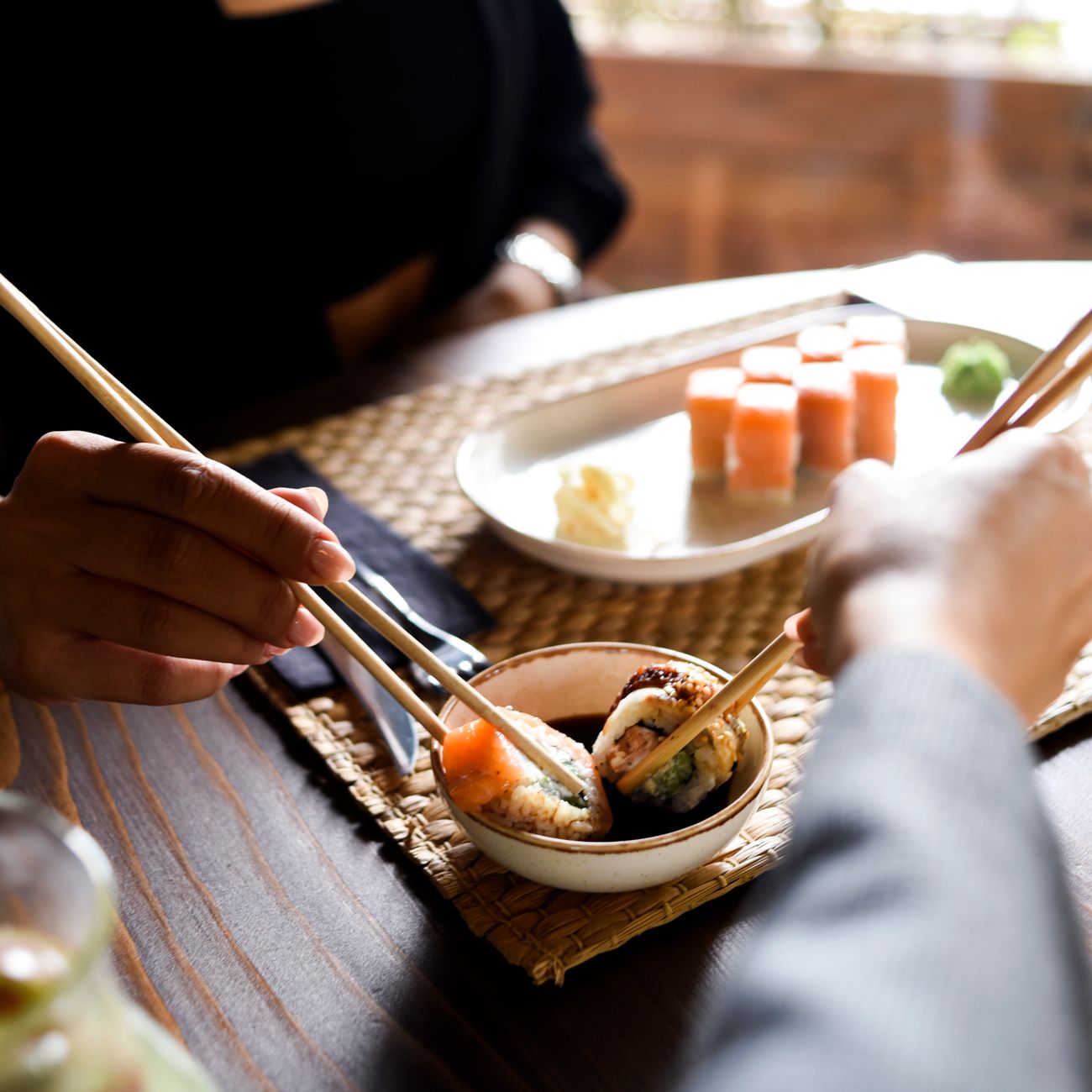
The weight of small things
Understanding tatebashi means understanding how meaning accumulates in gestures. In a culture where much goes unspoken, objects carry messages. A vertical chopstick is a flag. A misplaced gesture is a word out of place.
For visitors to Japan, learning these nuances isn't about fear of offense—most Japanese hosts are generous with foreigners' mistakes. It's about recognizing that every culture has its own poetry of objects, its own ways of honoring the line between sacred and ordinary.
The rice bowl is everyday. The standing chopsticks transform it into an altar.
That transformation happens in an instant, with a single gesture. And now you know not to make it.
FAQ
Chaware curates authentic Japanese crafts — straight from the makers in Japan to your table.
Explore the Chaware collection →