What Are Japanese Chopsticks? A Beginner's Guide to Hashi Culture
You lift a pair of chopsticks from the table, and without thinking, you've just picked up 3,000 years of history.
Not just smaller — different
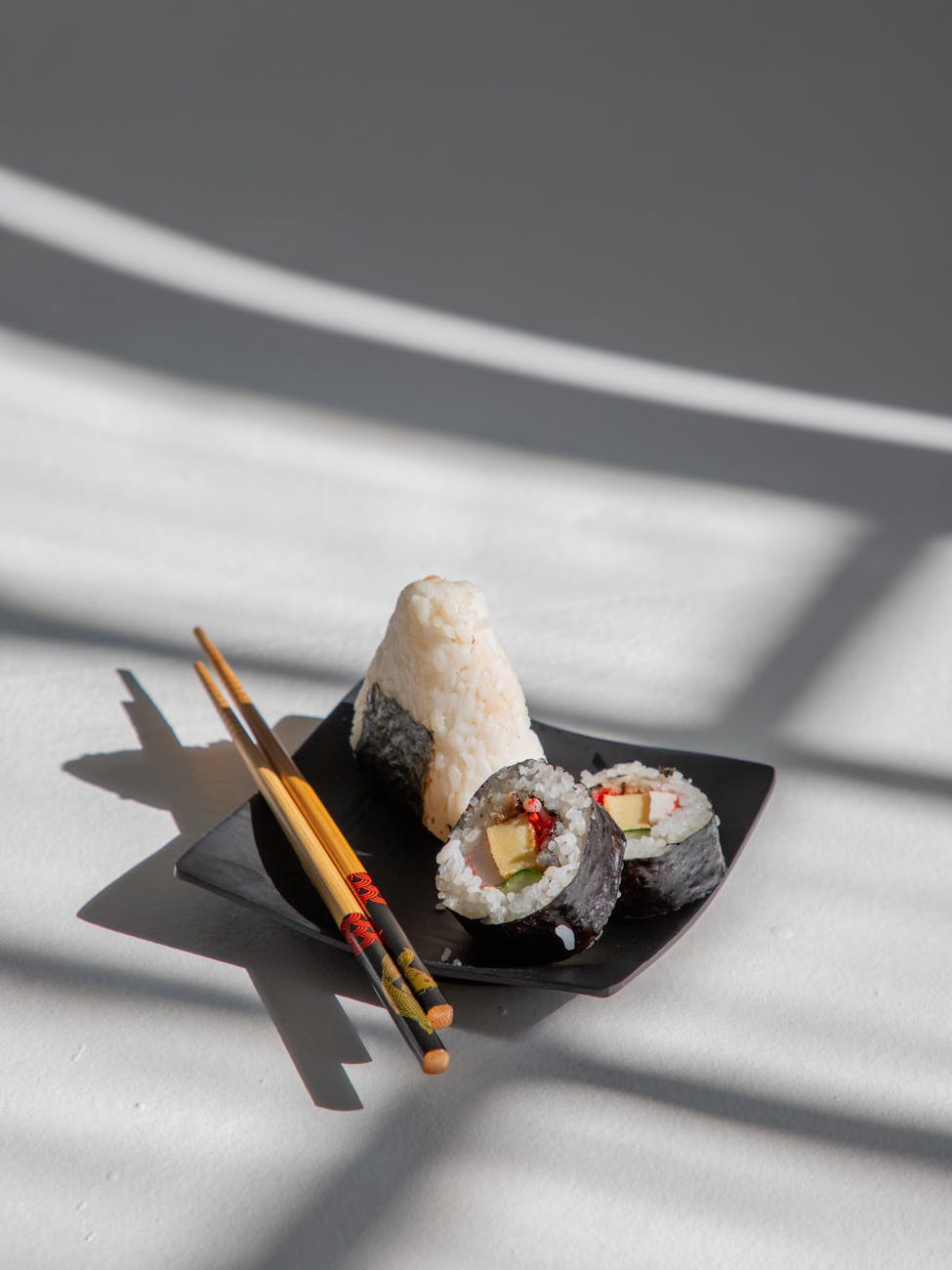
Japanese chopsticks stand apart the moment you hold them. Where Chinese chopsticks are long and blunt, and Korean ones flat and metal, hashi — the Japanese word for chopsticks — are shorter, tapered, and often made of wood or lacquer. They come to a delicate point, designed for a cuisine built on precision: lifting a single grain of rice, teasing apart flaky fish, pinching a sliver of pickled ginger.
This isn't about efficiency. It's about intimacy with your food.
The taper reflects something deeper in Japanese aesthetics — the idea that refinement lies in subtlety, that the tool should disappear into the gesture. You don't wield hashi. You guide them.
A tool shaped by an island
Japan's chopstick culture evolved alongside its geography. Surrounded by ocean, the diet leaned heavily on fish — delicate, boned, easily shredded. The pointed tips became essential. You needed to navigate around tiny bones, separate translucent slices of sashimi, lift soft tofu without crushing it.
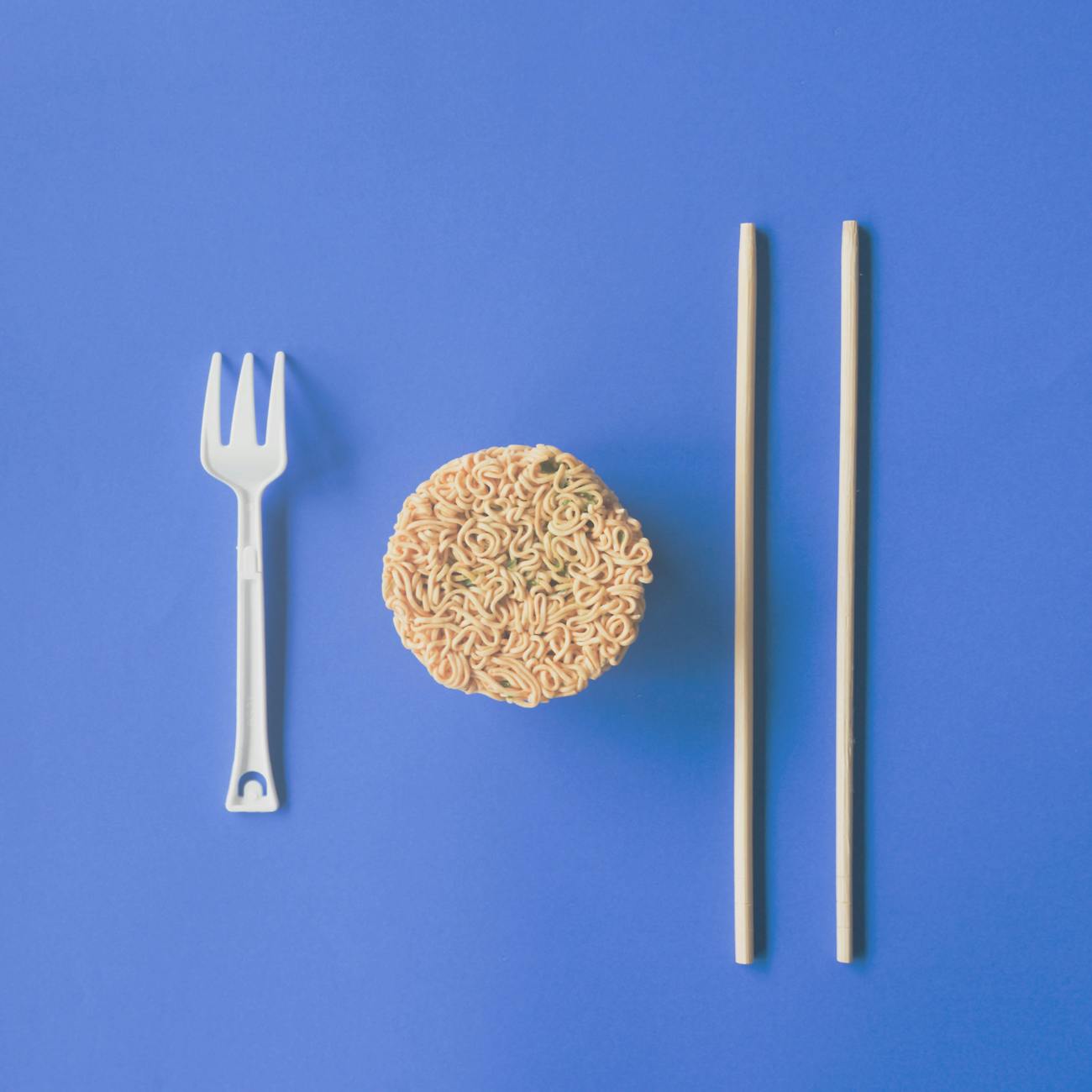
Length, too, tells a story. Japanese chopsticks are typically 20–23 centimeters, shorter than their continental cousins. Why? Meals were individual, not communal. You weren't reaching across a shared table. Your bowl came to you, close and personal.
The shape of the chopstick is the shape of the meal itself.
The unspoken rules
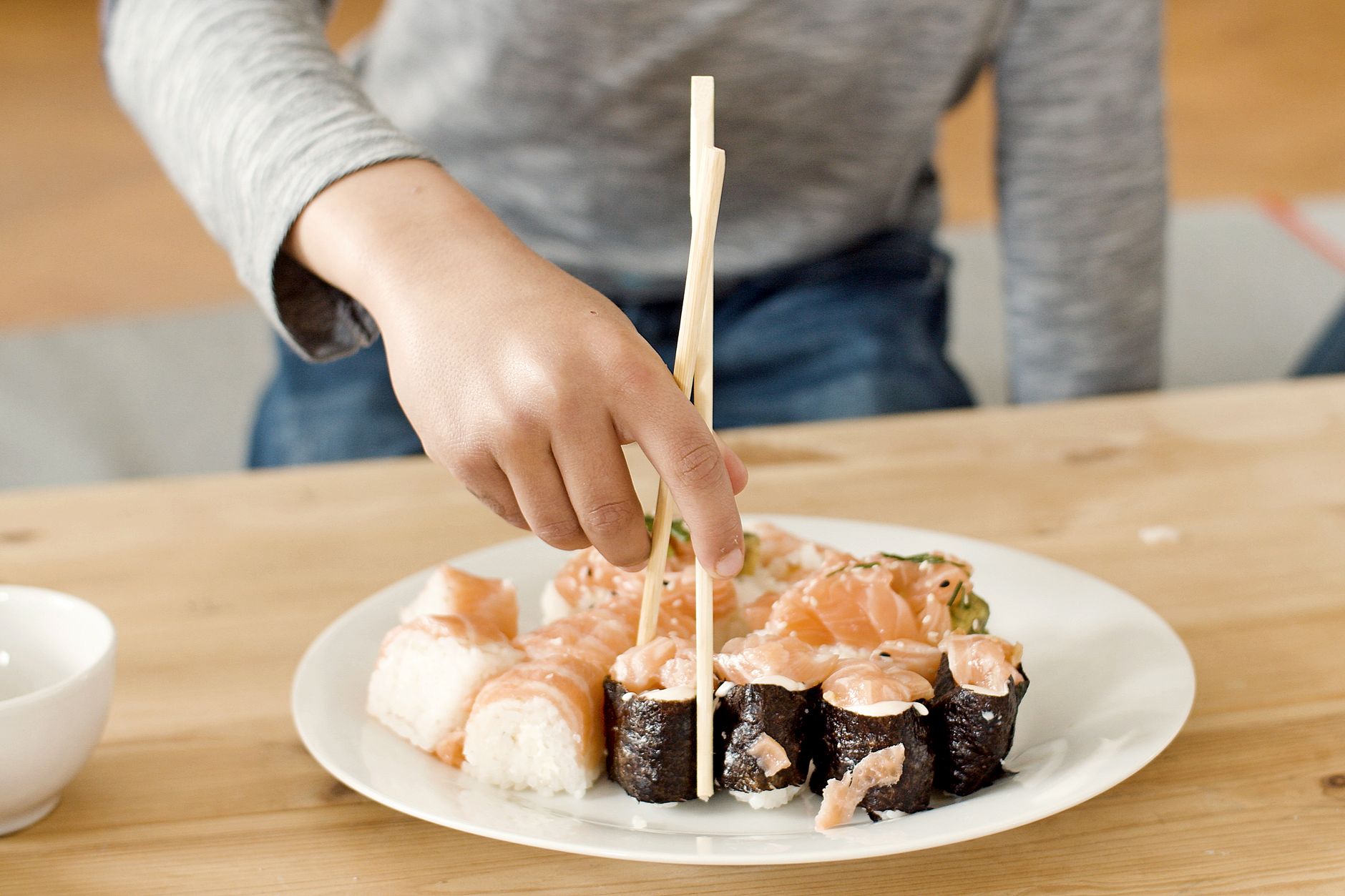
Using hashi correctly is less about etiquette and more about respect — for the food, the maker, the moment. There are gestures you simply don't do. Sashi-bashi (stabbing food) is crude. Mayoi-bashi (hovering indecisively) suggests greed. Hotoke-bashi (sticking chopsticks upright in rice) is reserved for funeral altars, a symbol of death.
These aren't arbitrary. They're the physical language of mindfulness at the table.
Children learn to hold chopsticks around age two or three, the grip becoming second nature long before they learn to write. It's one of the first lessons in coordination, patience, and presence.
Wood, lacquer, and the seasons
Walk into a traditional Japanese home and you'll notice: chopsticks aren't one-size-fits-all. Each person often has their own pair, sized to their hand, sometimes marked by subtle differences in color or pattern. Meoto-bashi — married couple chopsticks — come in matching designs but different lengths, a quiet acknowledgment of partnership and individuality.
Material matters. Everyday chopsticks might be simple hinoki cypress or bamboo, warm to the touch and faintly fragrant. Lacquered nuribashi are reserved for special occasions, their glossy surfaces adorned with gold leaf, mother-of-pearl, delicate seasonal motifs. Holding them is like holding a small piece of art.
Some chopsticks are made for a single season — cherry blossoms in spring, maple leaves in autumn — then retired. Impermanence, honored.
The space between
What makes Japanese chopsticks remarkable isn't just their form. It's the philosophy they carry. They teach you to slow down, to pay attention, to meet your food with care rather than haste. They ask you to be present.
In a world of forks and spoons — tools that scoop and stab — chopsticks require conversation. You and the food, finding balance together.
They are, in the end, an extension of the hand. And the hand, an extension of intention.
FAQ
Chaware curates authentic Japanese crafts — straight from the makers in Japan to your table.
Explore the Chaware collection →