The Seven Virtues at the Heart of Bushido: Understanding Samurai Values
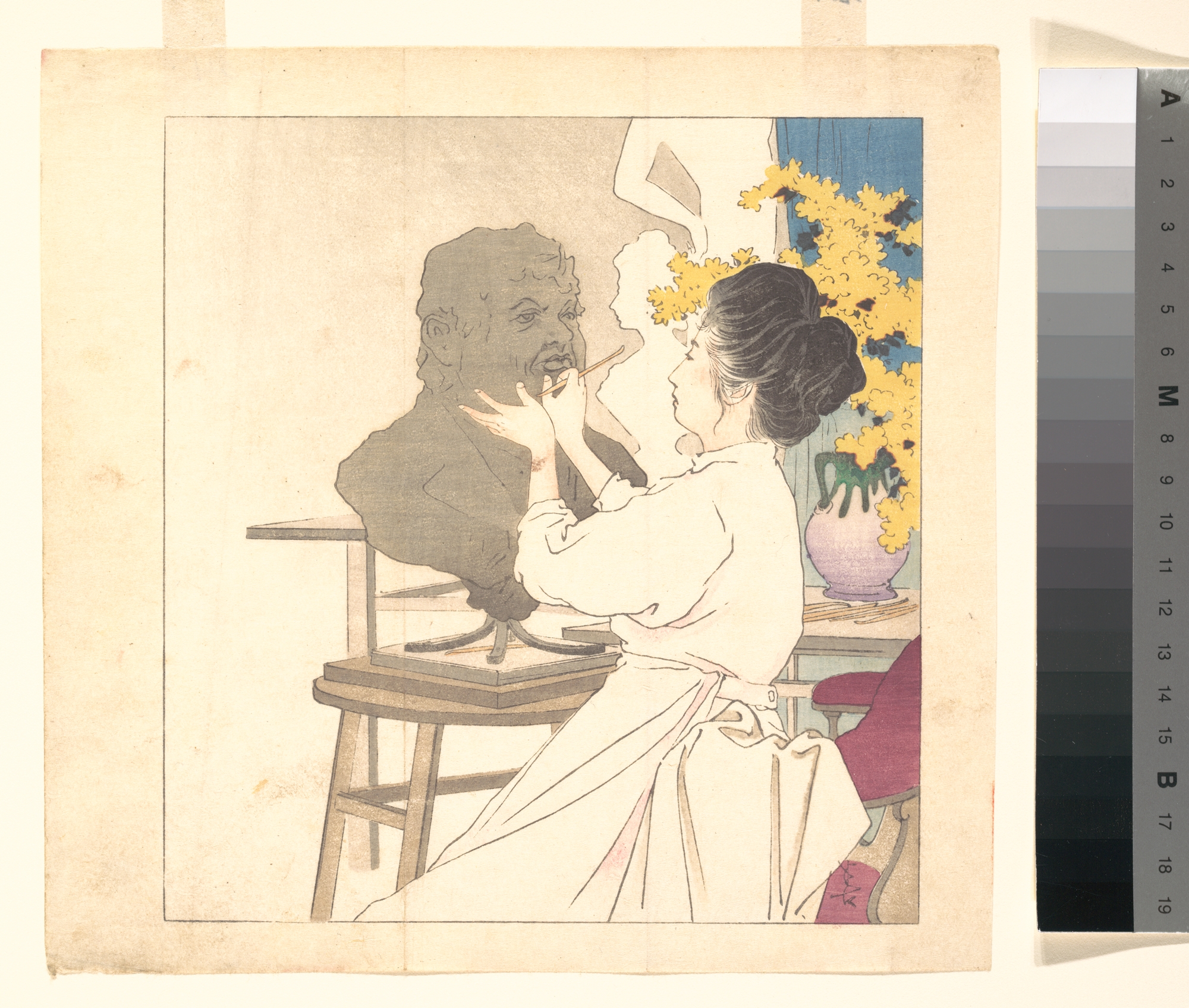
A warrior kneels in meditation, his sword beside him, mind still as a frozen pond. The battlefield has taught him that physical strength alone means nothing without the compass of virtue.
Bushidō—the way of the warrior—wasn't written in a single text or handed down by one master. It emerged gradually across centuries, crystallizing the unspoken code that separated a mere soldier from a samurai. At its core lie seven virtues, each one a pillar supporting not just martial skill, but a complete philosophy of living.
The Foundation That Shaped A Nation
These seven virtues—gi (righteousness), yū (courage), jin (benevolence), rei (respect), makoto (honesty), meiyo (honor), and chūgi (loyalty)—formed more than personal guidelines. They became the invisible architecture of Japanese society, influencing everything from tea ceremony etiquette to business relationships that persist today.
The samurai understood something profound: a sword without principle is just a tool for violence. True strength required internal discipline as rigorous as any physical training.
Righteousness And The Hardest Choices
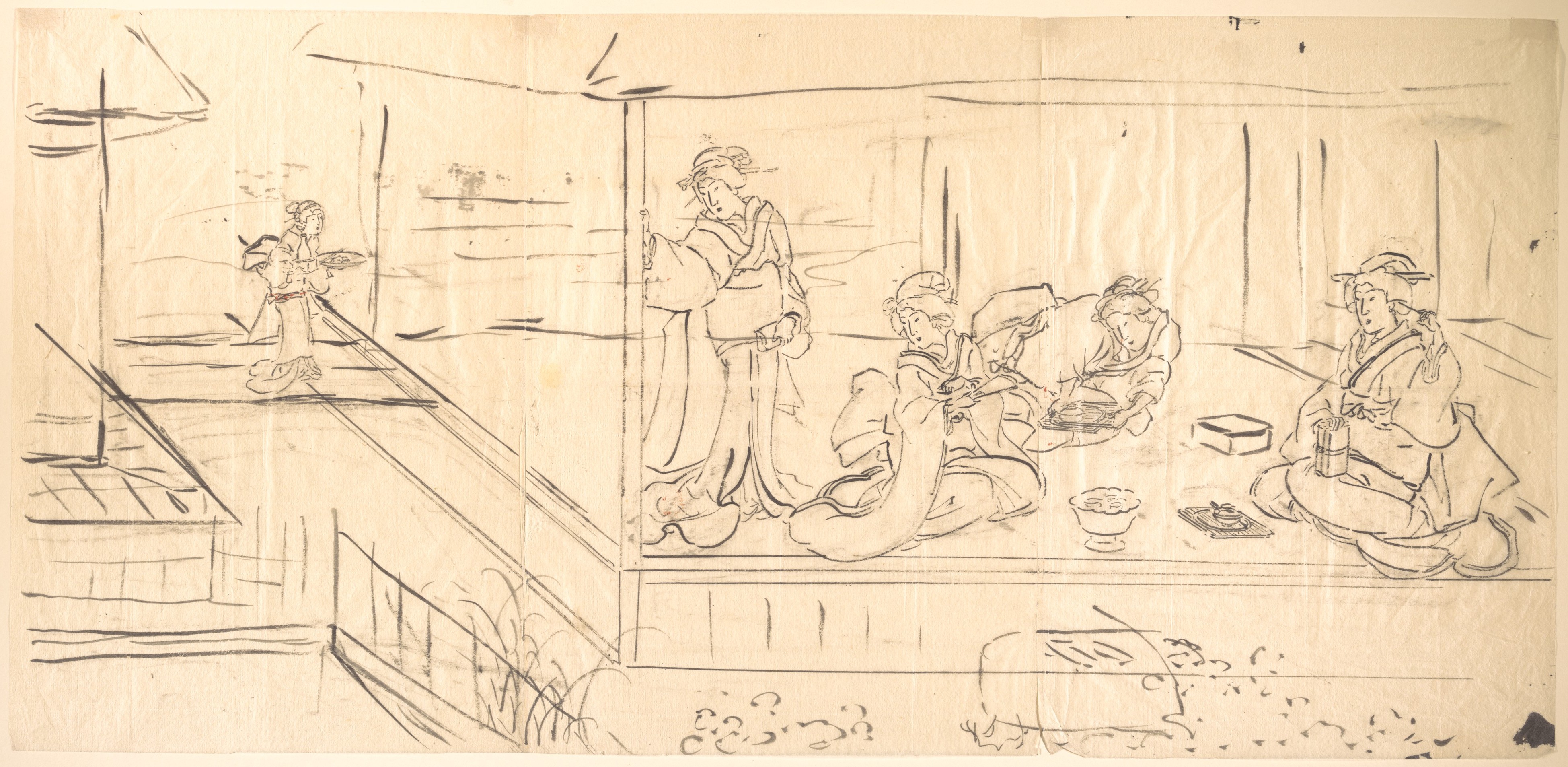
Gi demanded correct action, even when—especially when—it cost everything. This wasn't righteousness as self-righteousness, but as moral clarity in impossible situations. A samurai facing a corrupt lord had to choose between loyalty and justice, knowing either path led to suffering.
The virtue asked: what is the right thing to do, stripped of convenience, fear, or personal gain?
Courage Beyond The Battlefield
Yū meant more than fearlessness in combat. It meant living fully, speaking truth to power, and facing death with composure. But it also meant the quiet courage of daily existence—admitting mistakes, showing vulnerability, choosing the difficult conversation over comfortable silence.
Courage without righteousness becomes violence; righteousness without courage becomes paralysis.
The samurai knew that dying was often easier than living with integrity through decades of ordinary days.
The Unexpected Softness
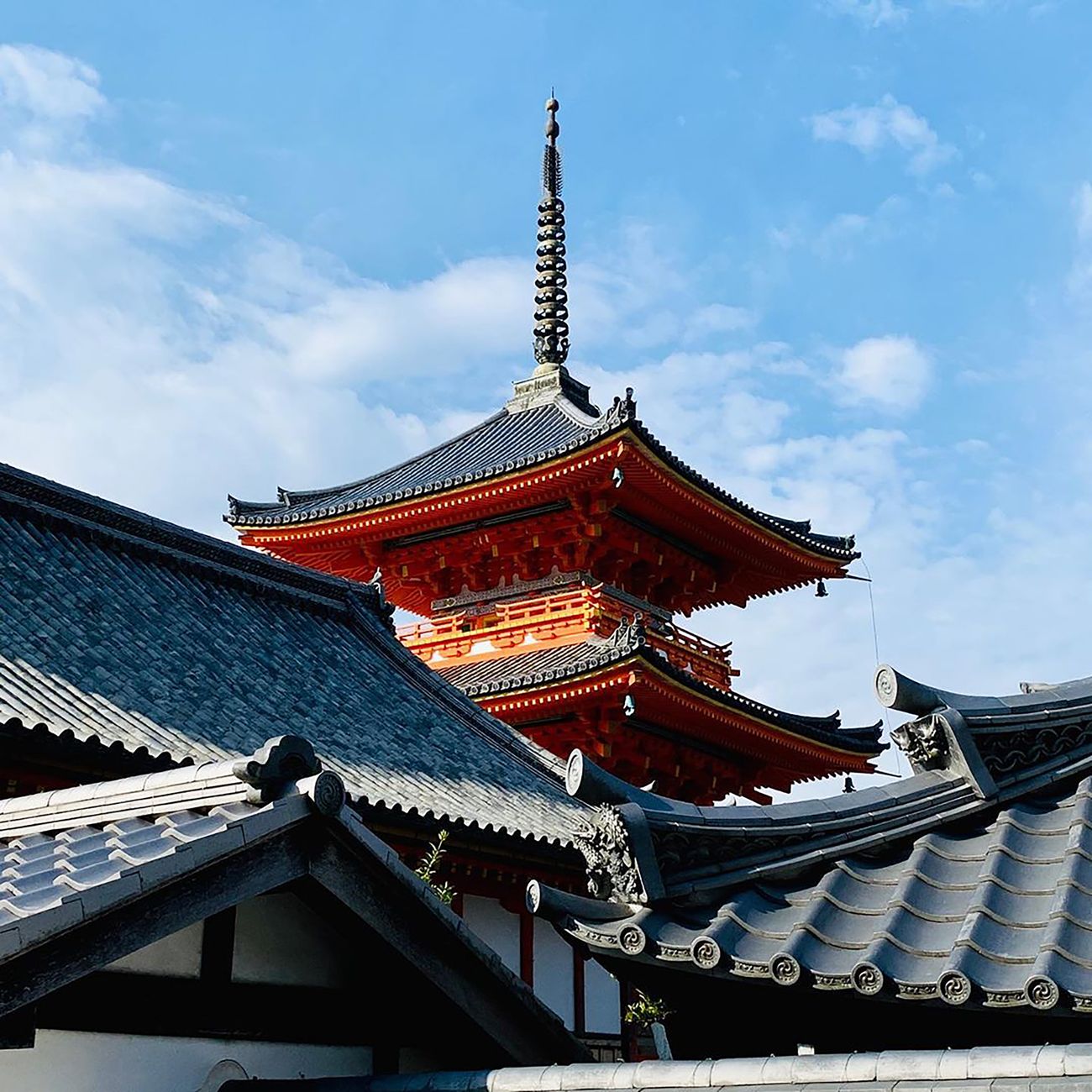
Here's what surprises people about bushido: jin, benevolence, sits at its heart. The warrior class was expected to show compassion to the weak, generosity to the defeated, and kindness without expectation of return. Strength existed to protect, not to dominate.
This wasn't weakness—it was the ultimate expression of power under control, like a sheathed blade.
Respect, Honesty, And The Social Fabric
Rei governed every interaction, from how you entered a room to how you held your chopsticks. Respect created the container in which society could function. Makoto demanded that your word became your bond, that deception—even to save face—corroded your very being.
These weren't separate virtues but interwoven threads:
- Respect without honesty becomes empty ritual
- Honesty without respect becomes cruelty
- Both without benevolence become cold formality
Honor And Loyalty: The Double Edge
Meiyo and chūgi—honor and loyalty—drove samurai to extraordinary acts of devotion and, sometimes, to tragedy. A warrior's reputation outlived his body. Loyalty to one's lord transcended personal survival.
Yet these virtues also trapped samurai in impossible situations, leading to the practice of seppuku (ritual suicide) when honor seemed irretrievable. The code demanded everything, including life itself.
Living The Code Today
These seven virtues weren't meant to create perfect humans—they were meant to create conscious ones. The samurai understood that the struggle to embody these principles mattered more than flawless execution.
Walk through modern Japan and you'll still feel their echo in the bow of a shopkeeper, the precision of a craftsperson, the way conflict is navigated with care for all parties' dignity. The swords are gone, but the discipline of virtue remains, quiet and persistent as morning mist over a temple garden.
FAQ
Chaware curates authentic Japanese crafts — straight from the makers in Japan to your table.
Explore the Chaware collection →