Japanese Seasonal Living: How to Align Your Life With Nature's Rhythm
On this page
The first plum blossoms appear, and the whole country shifts. Not just the landscape—the food on your table, the colors you wear, even the way you sit changes with them.
In Japan, living seasonally isn't a lifestyle trend you adopt when convenient. It's woven so deeply into daily rhythm that you stop noticing you're doing it—until you step outside the culture and realize most of the world doesn't eat, dress, and arrange their homes around what's blooming outside the window.
The calendar nobody taught you to read
Japan doesn't just follow four seasons. The traditional calendar recognizes seventy-two micro-seasons (shichijūni kō), each lasting roughly five days. "Peach blossoms begin to bloom." "First rainbow appears." "Crickets chirp around the door." These aren't poetic flourishes—they're actual seasonal markers that historically told farmers when to plant, fishermen when to cast nets, and families when to change the screens in their homes.
You won't find these printed in modern planners, but their influence lingers everywhere. The fish your neighborhood restaurant serves tonight isn't random—it's whatever's at its peak this week. Shun, the concept of eating ingredients at their seasonal best, drives menus more than any chef's whim.
What you eat is when you eat it
Walk into a Japanese home in January, and you might be offered thick amazake (sweet fermented rice drink) to warm you from inside. Come back in July, and the same host will serve chilled barley tea and cucumber sunomono. The shift isn't about preference—it's about alignment.
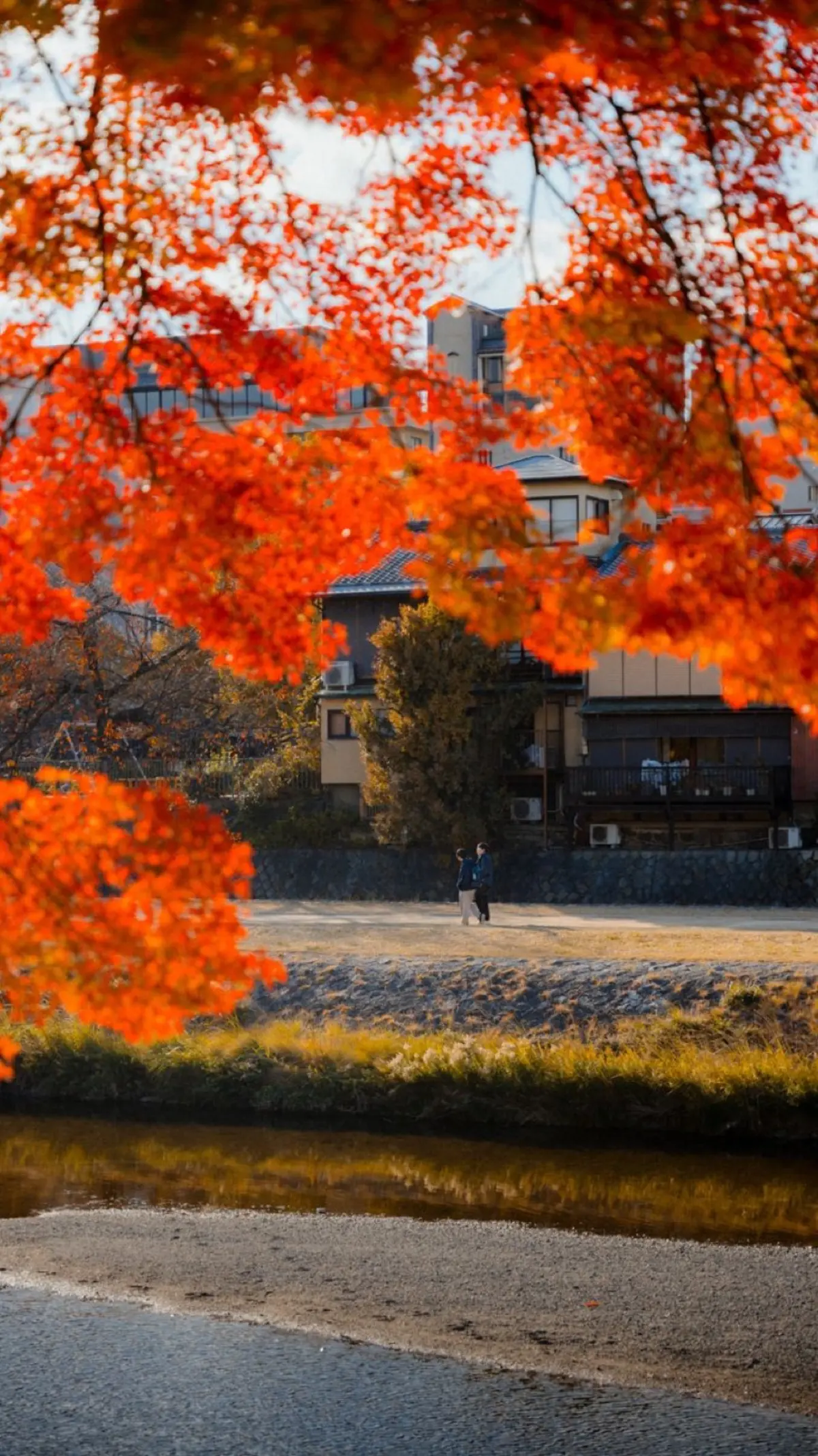
Spring brings bamboo shoots and sakura mochi wrapped in salted cherry leaves. Summer means cold soba noodles and hiyashi chūka. Autumn is chestnuts, persimmons, and matsutake mushrooms that appear for exactly six weeks before vanishing until next year. Winter is hot pot season—nabe bubbling at the table, root vegetables, yellowtail.
The Japanese don't eat strawberries in December because they're supposed to taste like June.
This isn't deprivation. It's the opposite—it makes each season irreplaceable.
The objects around you keep time too
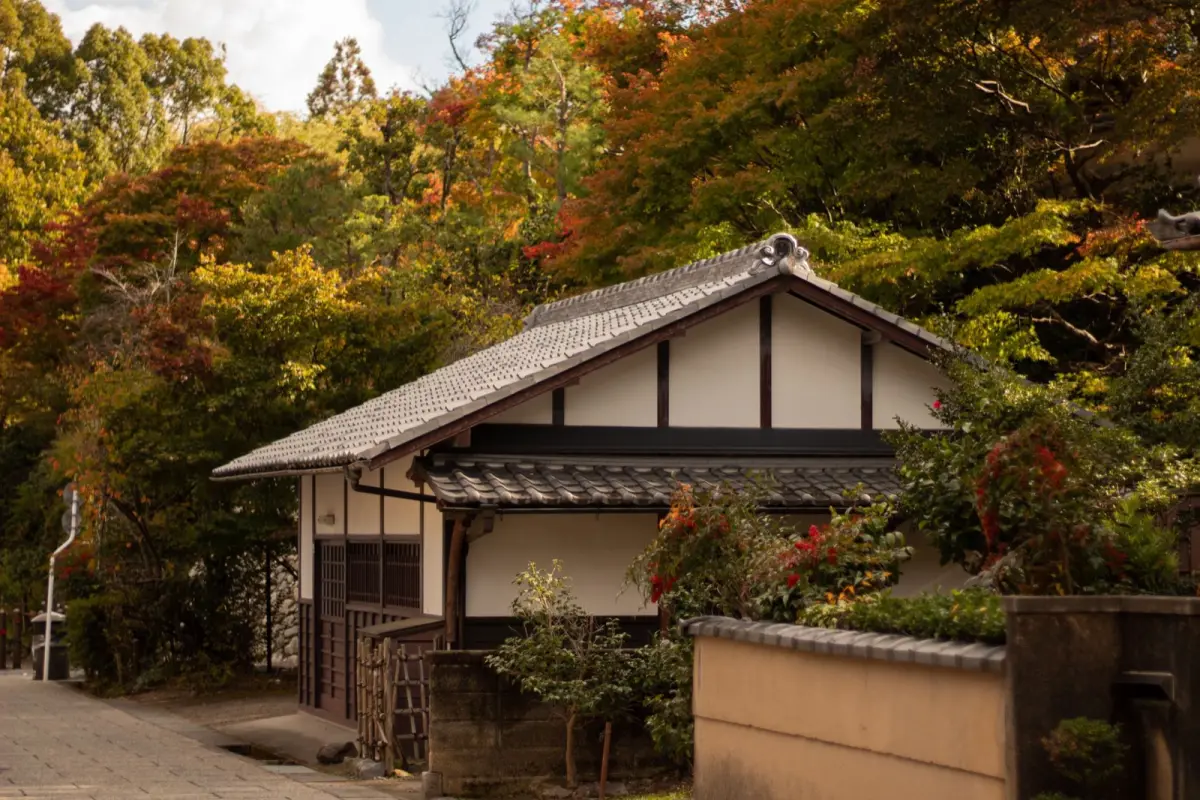
Seasonality extends beyond the kitchen into the objects you touch daily. Traditional households swap out everything: the scrolls hanging in the tokonoma alcove, the ceramics used for tea, even the lid rest for the kettle. Heavy, dark glazed bowls for winter give way to glass and pale porcelain when it gets warm.
Clothing follows the same logic. The koromogae wardrobe change happens twice a year—not because your winter coat is dirty, but because June 1st is simply when you switch to summer fabrics. Kimonos shift from lined to unlined. Patterns change from plum blossoms to morning glories to maple leaves, each worn only during its corresponding weeks.
Even language shifts. Seasonal words (kigo) anchor haiku to specific times of year. "Firefly" means summer. "Harvest moon" means autumn. You can't write certain poems in the wrong season—they'd simply be incorrect.

Why it matters now
This way of living sounds rigid until you try it. Then it becomes clarifying.
When you align with what's actually happening outside your walls, you stop living in an eternal, climate-controlled present. You notice things. The air changes texture. Light hits differently. Your body wants different things, and you let it have them.
You're not performing tradition. You're just… awake to where you are in the year. The seasons stop being weather and become a structure that holds you—gently, but firmly—in the present moment.
The persimmons are ripe for exactly three weeks. You eat them now, or you wait a year.
FAQ
Chaware curates authentic Japanese crafts — straight from the makers in Japan to your table.
Explore the Chaware collection →
Keep exploring


