How to Choose Matcha: A Beginner's Guide to Finding Your First Tin
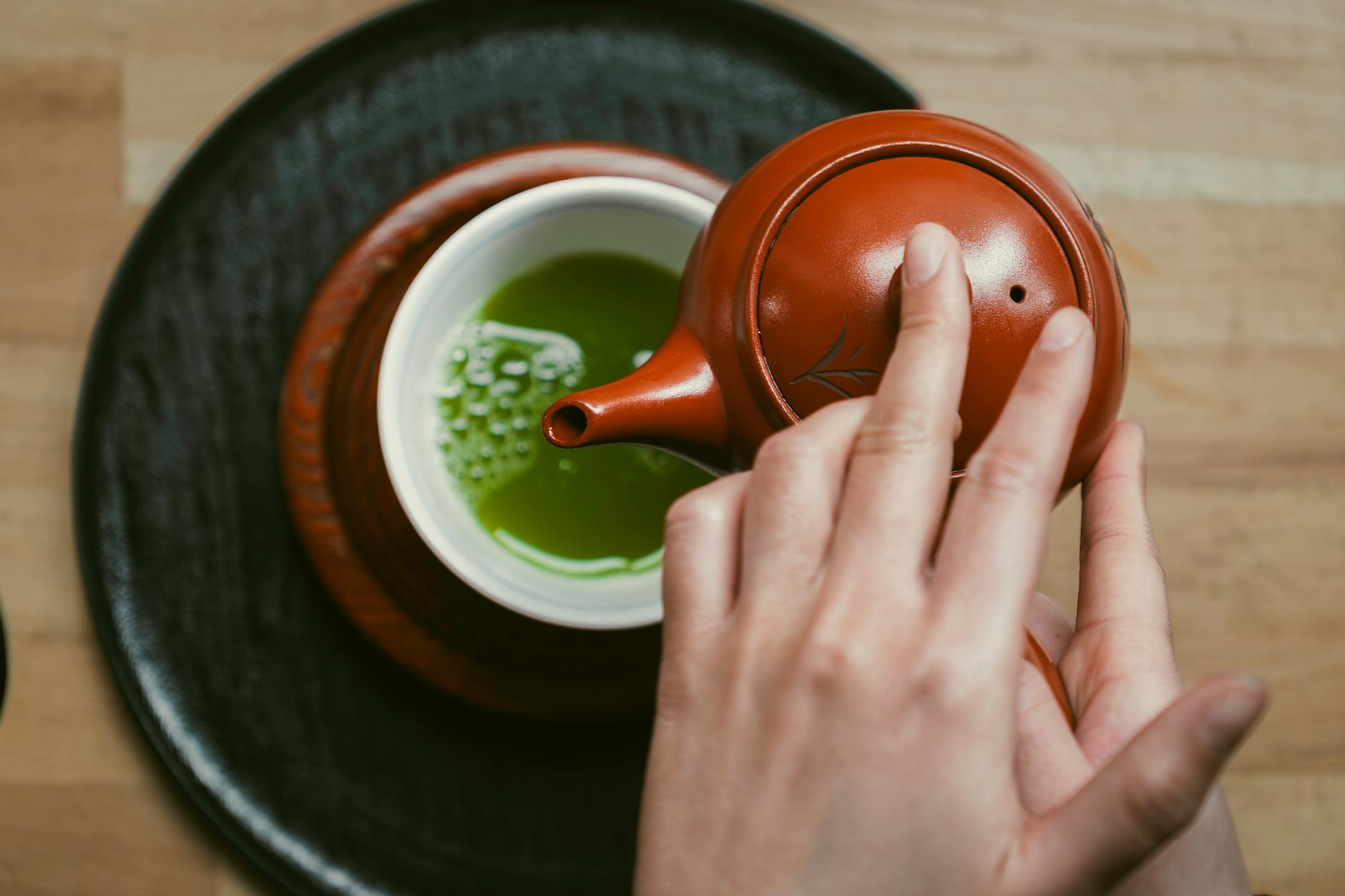
Walking into a tea shop to buy your first matcha can feel like stepping into a library where all the books are in a language you're still learning.
The canisters look identical. The prices range wildly. And somewhere between "ceremonial grade" and "culinary grade," you start wondering if you've accidentally enrolled in a crash course you didn't sign up for.
Here's the truth: choosing matcha doesn't require a certification in tea ceremony. But it does help to understand what you're actually looking at—and what those cryptic labels really mean.
The grades aren't what you think
You'll see "ceremonial" and "culinary" stamped across nearly every tin, as if these were official designations handed down by some ancient tea council. They're not.
These are marketing terms, not regulated categories. What matters more is where the leaves came from, when they were harvested, and how they were processed. Ceremonial-grade matcha typically means tea made from the youngest, most tender leaves—picked in spring, stone-ground slowly, and intended to be whisked with water alone. Culinary-grade usually comes from later harvests or slightly older leaves, with a bolder, more astringent flavor that holds up in lattes and baked goods.
But here's the catch: a high-quality culinary matcha can taste better than a mediocre ceremonial one.
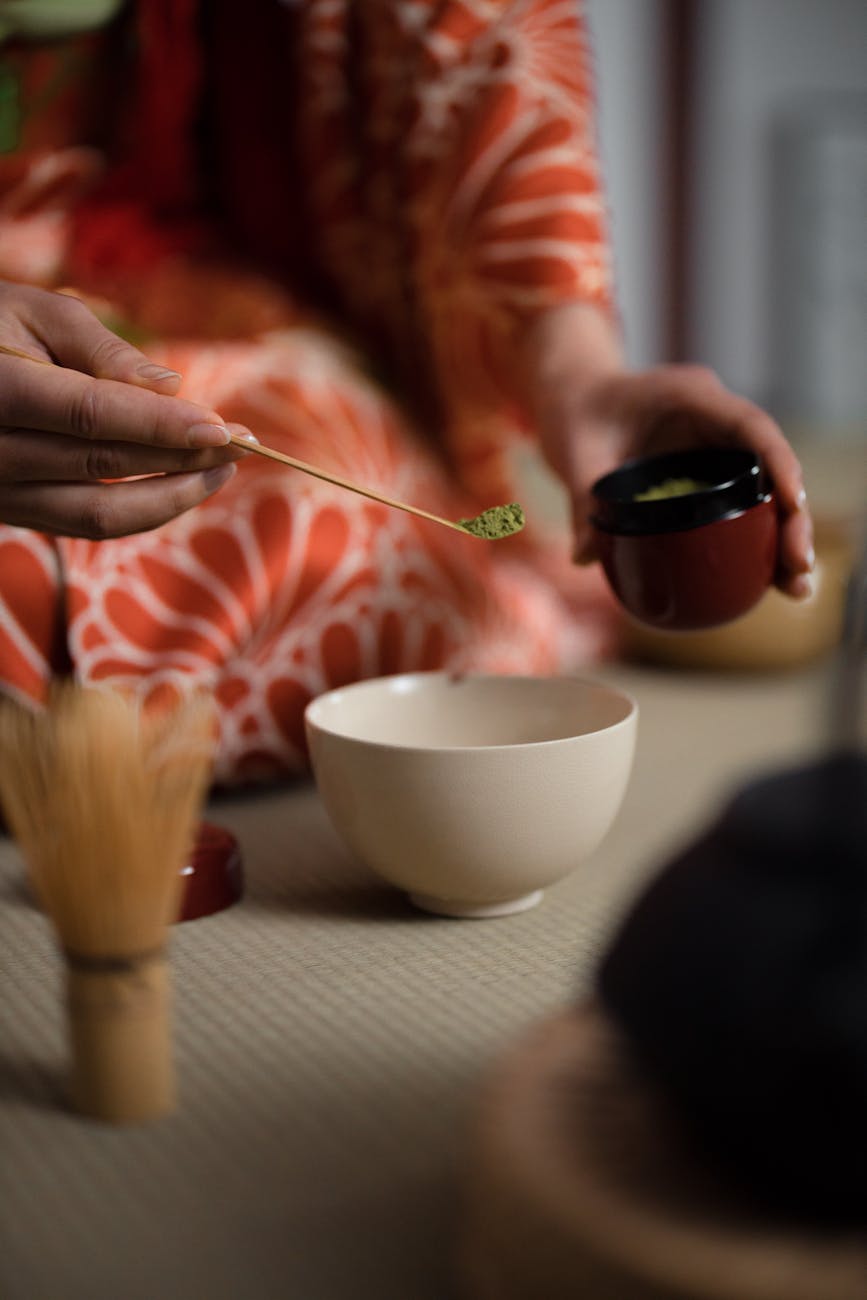
Color tells you more than the label
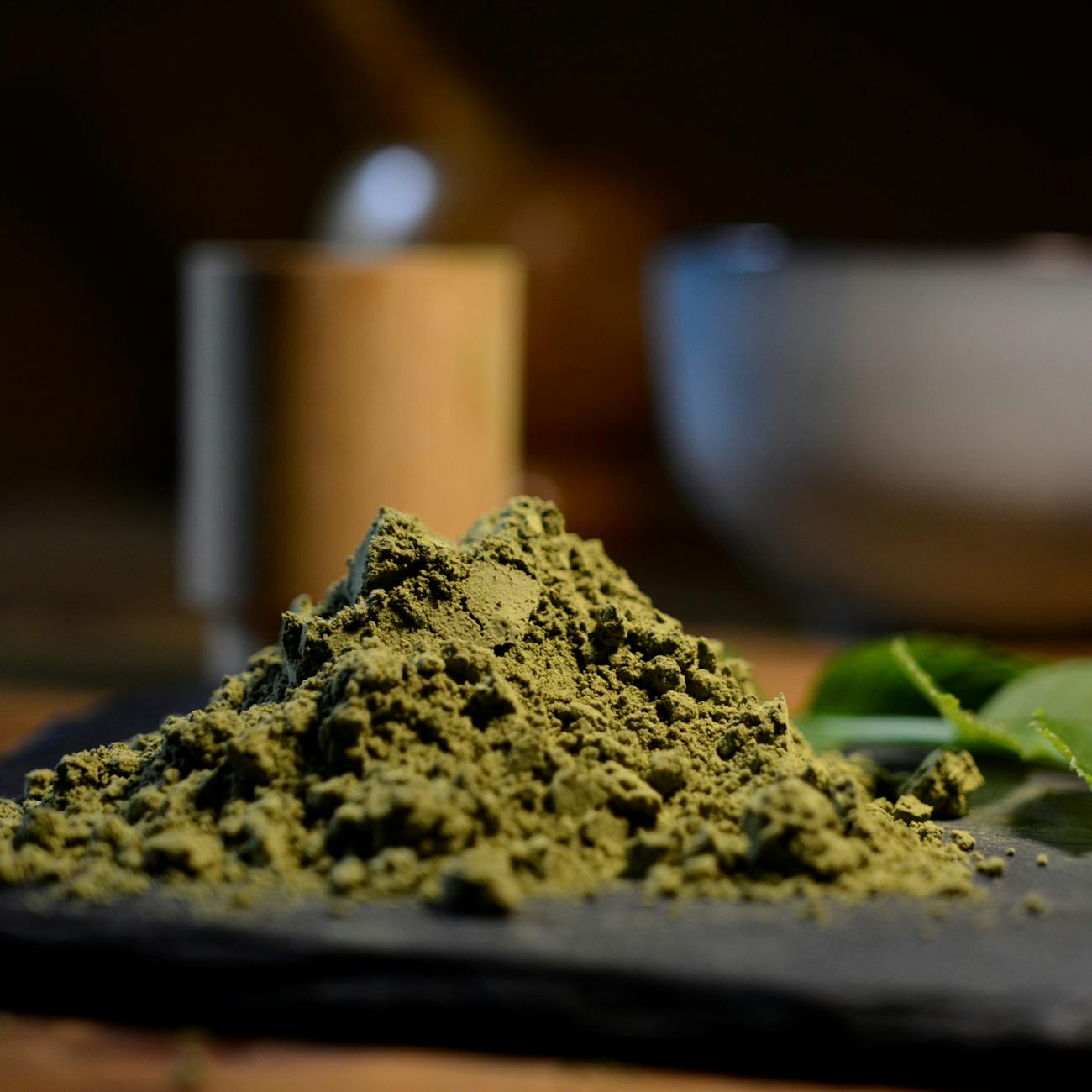
Open the tin—or look closely at the product photo if you're buying online. Good matcha should be a vibrant, almost luminous green. Not olive. Not khaki. Not the color of dried grass.
That jade brightness comes from chlorophyll, which develops when tea plants are shaded before harvest. The more shade, the greener and sweeter the leaves. If your matcha looks dull or yellowish, it's either old, poorly stored, or made from unshaded leaves. Sometimes all three.
The best matcha glows like spring itself was ground into powder.
Texture matters too. It should feel silky and fine between your fingers, not gritty or coarse.
Start with something forgiving
For your first purchase, skip the $60 ceremonial tin. You're still figuring out how you like to drink it—and whether you even like matcha at all. A mid-range powder (around $20-30 for 30g) gives you room to experiment without the pressure of "wasting" something precious.
Look for matcha labeled as usucha, which means "thin tea." It's milder, slightly sweeter, and more forgiving if your whisking technique isn't perfect yet. Koicha (thick tea) is intensely concentrated, used in formal tea ceremonies, and honestly not the place to begin.
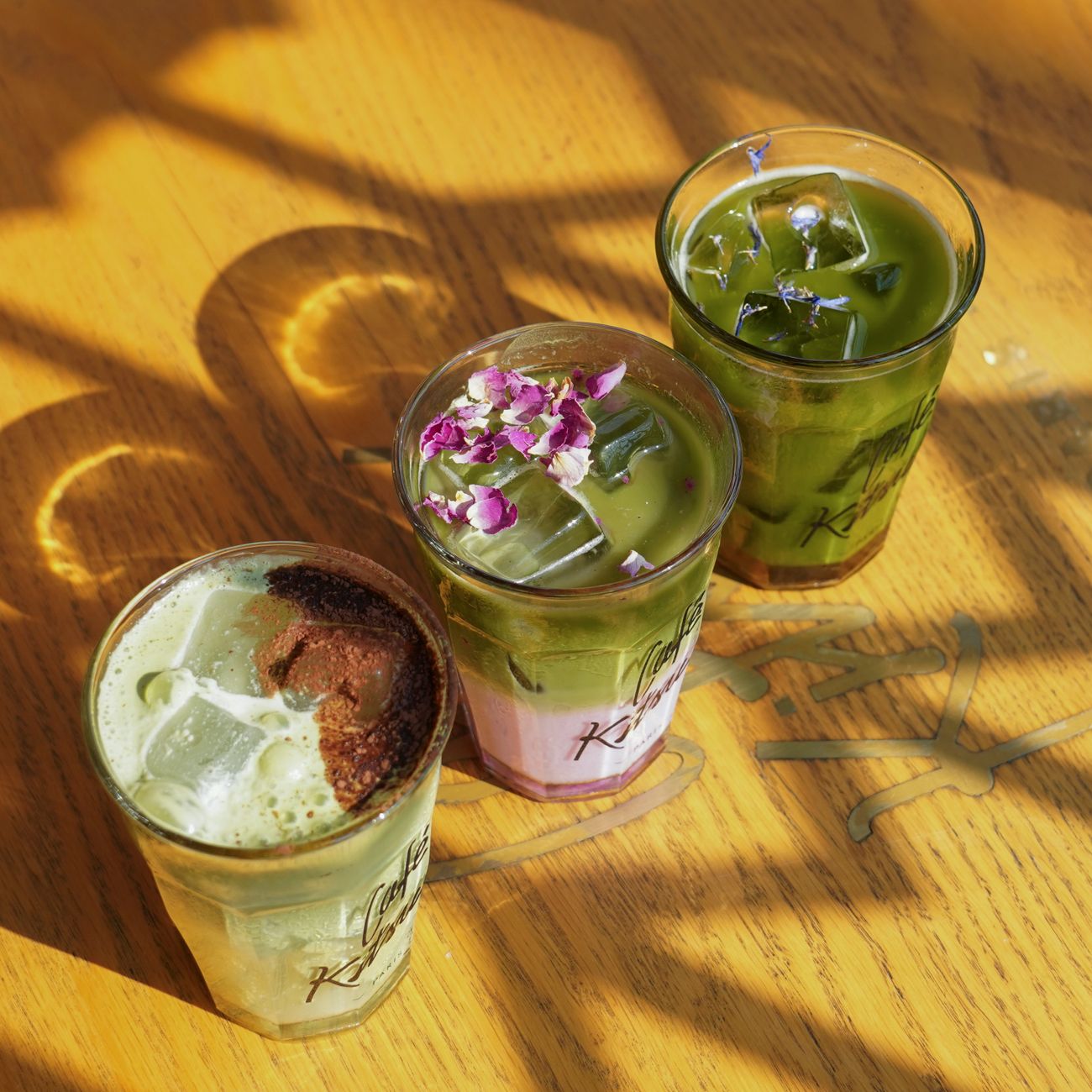
If you're planning to make lattes, don't be shy about choosing a culinary-grade powder. It's designed to stand up to milk and sweeteners. You'll actually taste it.
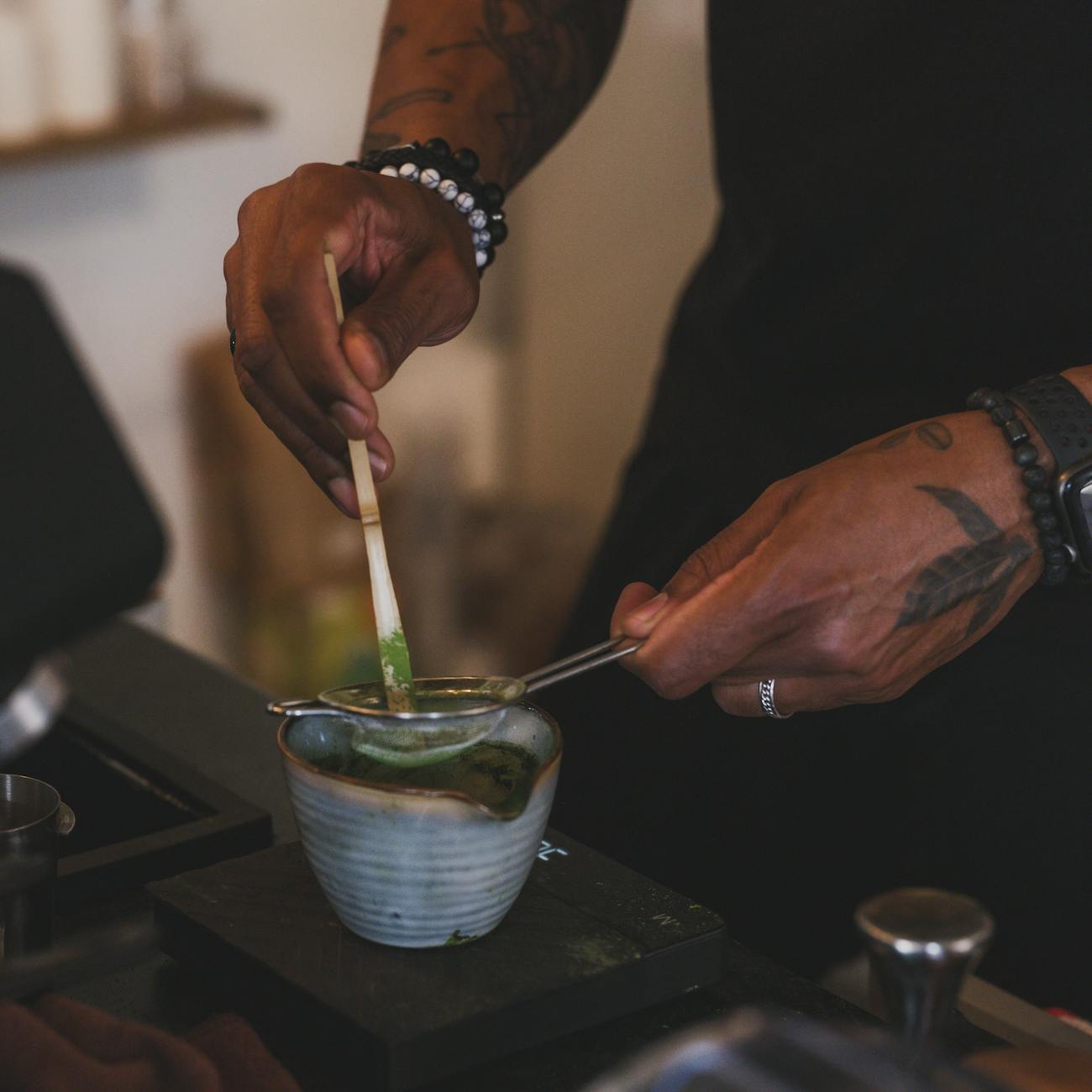
The freshness question
Matcha begins to lose its vibrancy the moment it's ground. Oxygen and light are its enemies. That's why serious producers package it in small, airtight tins—and why you should buy smaller quantities more often rather than stockpiling a giant bag.
Check for a production date or a "best by" window. If the seller doesn't list one, that's a red flag. Once opened, keep your matcha in the fridge, tightly sealed. It won't go bad, exactly, but it will fade—losing that bright green color and grassy-sweet flavor within a few months.
Trust your palate, not the price tag
The "best" matcha is the one you'll actually drink. Some people love the marine, umami-rich intensity of a high-end ceremonial powder. Others prefer something mellower, a little less vegetal. There's no wrong answer.
Buy a small amount. Whisk it. Taste it plain, then with milk, then maybe with a little honey. Notice what you notice. That's your compass—not someone else's tasting notes or a five-paragraph description on a website.
The ceremony can come later, if you want it. For now, just drink the tea.
FAQ
Chaware curates authentic Japanese crafts — straight from the makers in Japan to your table.
Explore the Chaware collection →