Matcha Health Benefits: What This Green Tea Really Does for Your Body
You've heard matcha called a superfood, an ancient elixir, a wellness miracle. But strip away the marketing buzz, and what's actually happening in your body when you drink it?
Let's start with what matcha is—and why that matters to your cells.
The whole leaf, consumed
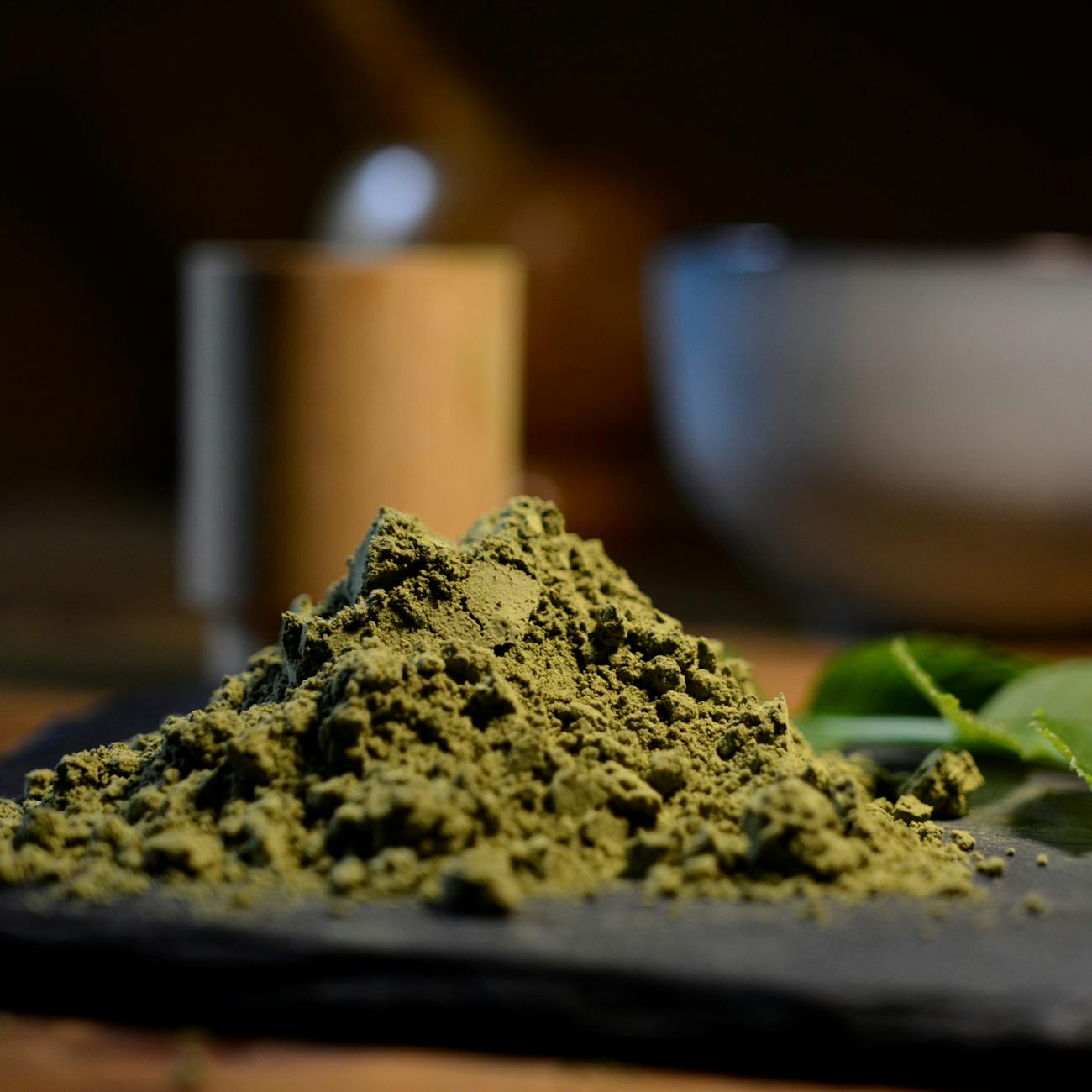
Unlike steeped green tea, where you discard the leaves, matcha is stone-ground whole tea leaf transformed into powder. You're not extracting nutrients through hot water. You're ingesting them.
This matters because the compounds that don't dissolve in water—fiber, chlorophyll, certain antioxidants—stay locked in those discarded leaves when you brew regular tea. With matcha, nothing is wasted. The entire leaf becomes part of you.
It's an old idea with modern implications: consuming the totality of the plant, not just what it's willing to give up.
What L-theanine actually does
The caffeine in matcha is real—about 70mg per serving, roughly two-thirds of a coffee. But here's where it diverges.
Matcha contains high levels of L-theanine, an amino acid almost exclusive to tea plants, particularly those grown in shade. L-theanine promotes alpha wave activity in the brain—the state associated with calm alertness. It doesn't cancel caffeine. It modulates it.
You get the focus without the jitter, the lift without the crash.
This is why Zen monks adopted matcha during meditation centuries ago. Not for mystical reasons, but because it kept them awake and centered through long hours of stillness. The biochemistry supported the practice.
Antioxidants: beyond the ORAC hype
Yes, matcha scores high on ORAC scales (oxygen radical absorbance capacity). But numbers on a lab chart don't tell the full story.
The key compound is EGCG (epigallocatechin gallate), a catechin that's been studied for its potential role in cellular protection, metabolism support, and cardiovascular health. Matcha delivers EGCG in concentrated form—up to 137 times more than standard green tea, according to some analyses.
Does this make it a cure-all? No. Your body is complex, and no single food is a magic bullet. But as part of a broader pattern—sleep, movement, whole foods—matcha offers a meaningful contribution. It's a tool, not a miracle.

The ritual matters, too
Here's what the studies don't measure: the act of preparation.
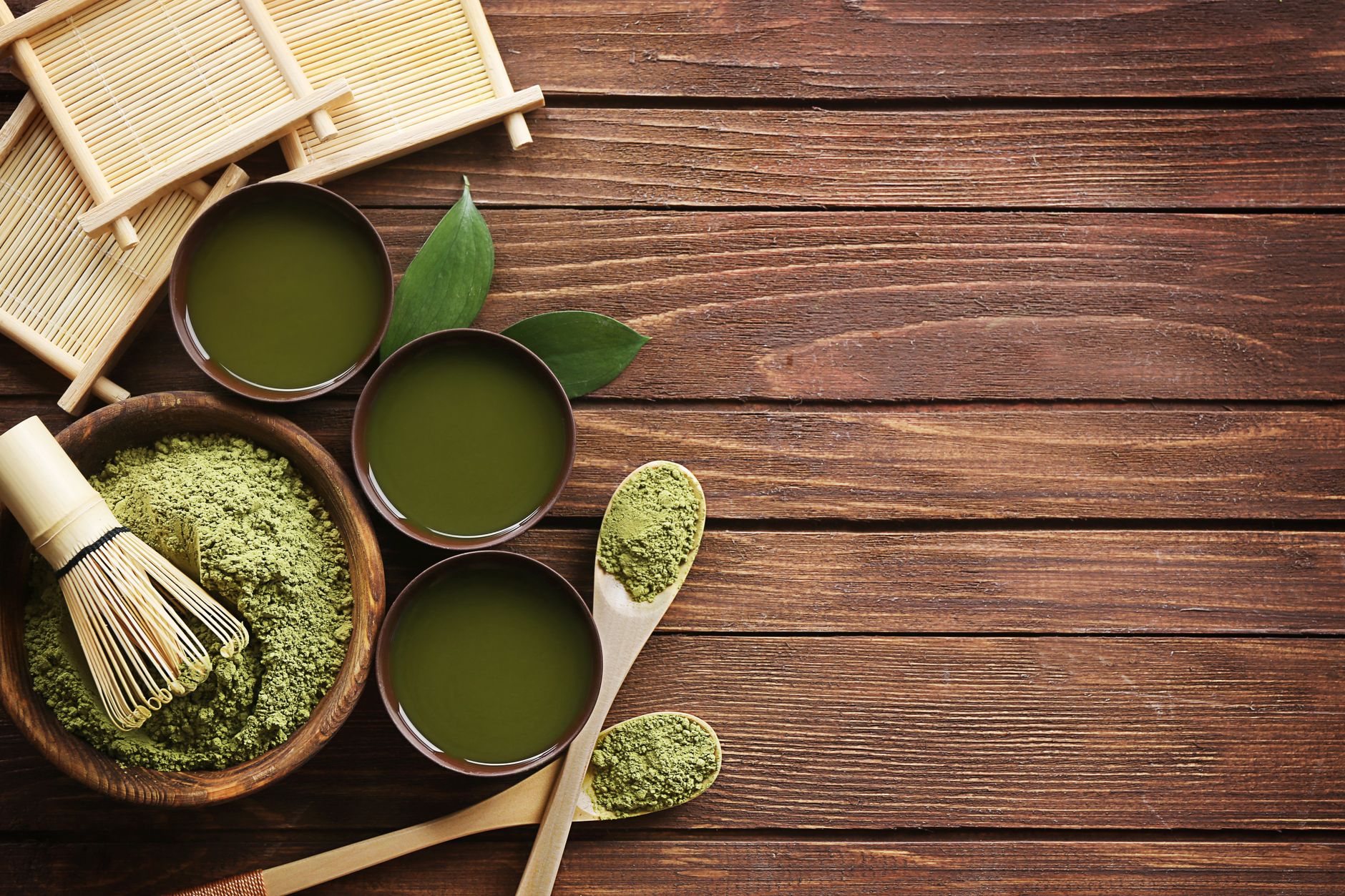
Sifting the powder. Whisking it into foam with a chasen. Holding the bowl in both hands. These small, deliberate movements create a pause—a moment where you're fully present with what you're about to consume.
The Japanese concept of ichi-go ichi-e (one time, one meeting) applies here. This bowl, this moment, will not come again. The physiological benefits of matcha are amplified by the psychological benefits of slowness, attention, intention.
Your nervous system registers the difference between gulping caffeine on the run and sitting with a bowl you prepared yourself.
What it won't do
Matcha won't detox your liver (your liver detoxes itself). It won't melt fat while you sleep. It won't offset a diet built on processed food and stress.
What it offers is gentler and more honest: a concentrated source of beneficial compounds, delivered through a practice that asks you to slow down. In a culture obsessed with hacking and optimization, that might be the most radical benefit of all.
The warmth of the bowl. The slight bitterness on your tongue. The quiet that follows.
FAQ
Chaware curates authentic Japanese crafts — straight from the makers in Japan to your table.
Explore the Chaware collection →