A Buyer's Guide to Japanese Tea Cups: Understanding Yunomi and Traditional Styles
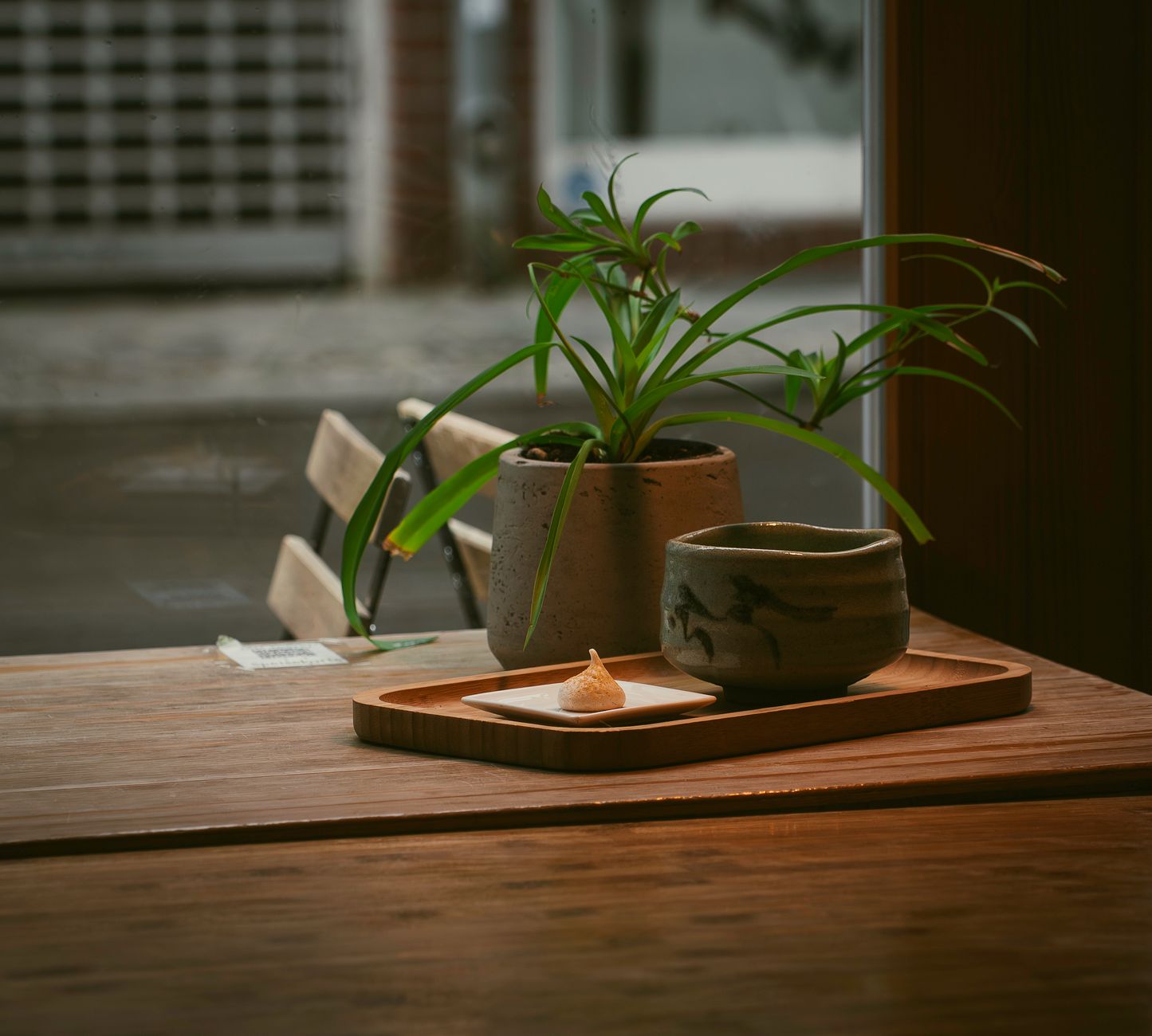
The best Japanese tea cup doesn't announce itself. It waits in your palm, warm and slightly rough, asking nothing but your attention.
A cup made to be cradled
The yunomi is Japan's everyday tea cup—tall, cylindrical, no handle. Unlike the formal chawan used in tea ceremony, the yunomi is built for daily life: morning sencha, afternoon hojicha, the quiet ritual of pouring hot water and watching steam rise. The word itself means "hot water drinking thing," which tells you everything about its humble, essential place at the table.
What makes it distinct is how it fits your hands. Most yunomi stand between 8 and 10 centimeters tall, wide enough that your fingers wrap around comfortably, narrow enough that heat transfers through the clay. You hold it with both hands—not out of ceremony, but because that's what feels right.
The five shapes you'll actually encounter
Walk into any Japanese home and you'll find variations. Sutorete yunomi taper slightly toward the base, creating visual lift. Tsutsugata are perfect cylinders, clean and modern. Wangata bow outward gently, like a bell. Each shape changes how tea cools, how aroma concentrates, how the rim feels against your lip.
Then there's the meoto yunomi—paired cups in two sizes, traditionally given as wedding gifts. Same design, different scale. One slightly taller, one shorter. They're meant to be used together, a small daily reminder that you share your table with someone.
What the clay tells you
Porcelain from Arita rings when you tap it—bright, clear, almost metallic. It holds heat fiercely and shows off the tea's color through translucent walls. Mino ware stoneware, by contrast, feels substantial, matte, alive with texture. It keeps tea warmer longer and ages visibly, developing a patina of use that potters call kan'nyuu—the fine crackling in the glaze that deepens over years.
A yunomi becomes yours not when you buy it, but after a hundred quiet mornings.
Unglazed Tokoname clay, rich with iron, actually interacts with tea tannins, softening bitterness. Potters don't always mention this—it's simply understood that certain clays do certain work.
Beyond the everyday cup
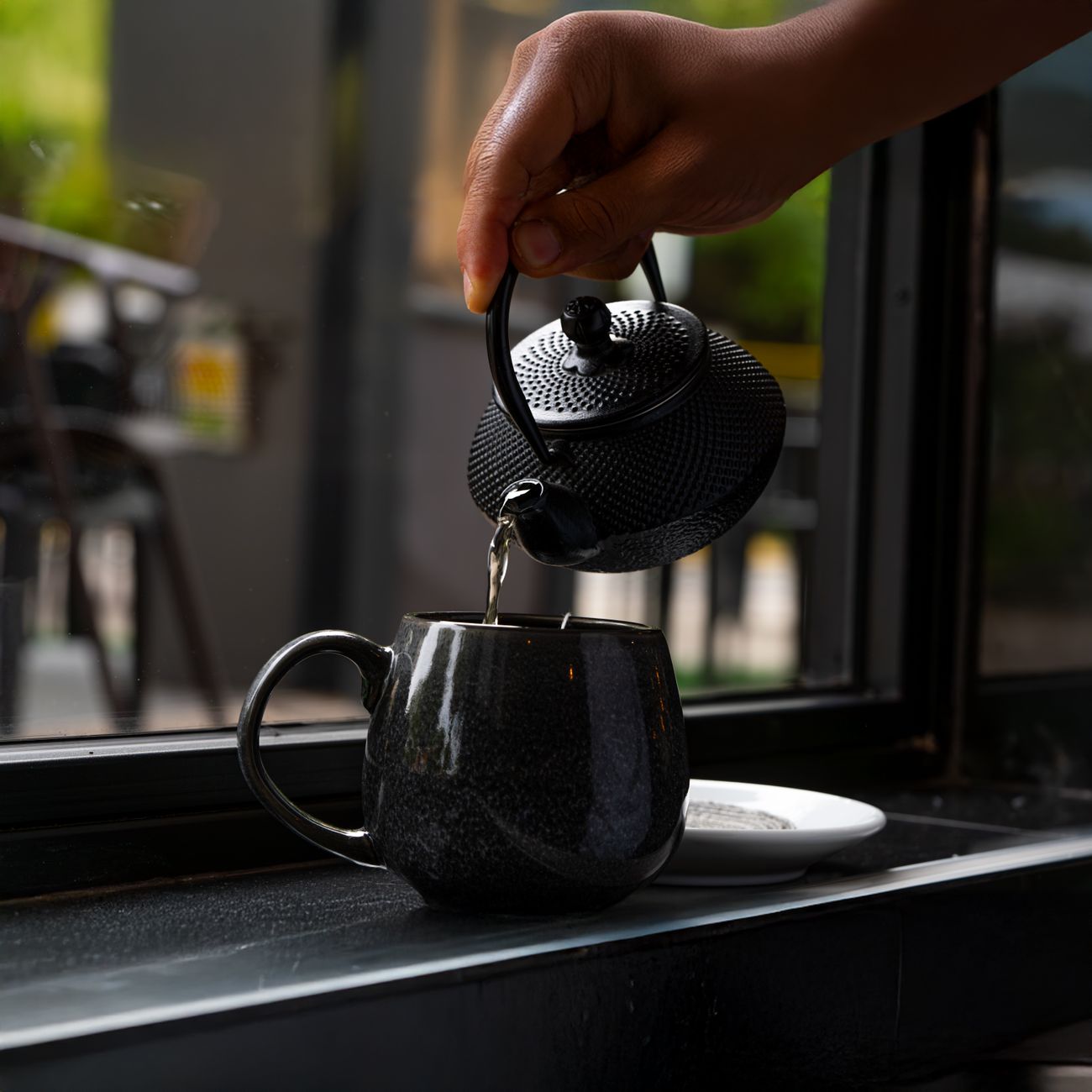
For cold tea, look for a reiccha wan—wider, shallower, designed to let iced sencha breathe. Guinomi, though technically sake cups, often moonlight for strong, small pours of gyokuro. And the handled mug—a modern hybrid—exists now in most Japanese ceramic towns, a concession to Western habits that's become its own tradition.
The shiboridashi, a handleless pot-and-cup set for one, collapses the boundary between brewing and drinking entirely. You steep directly in a small vessel, then pour into an even smaller cup. It's tea reduced to its essence: leaf, water, heat, time.
Choosing what speaks
Forget matching sets. In Japan, mismatched cups at the table aren't carelessness—they're curation. A rough Bizen piece beside smooth Kutani porcelain. A modern minimalist cylinder next to something glazed in traditional oribe green.
What matters is whether the cup feels right when you lift it. Whether the glaze catches light in a way that makes you pause. Whether, after a month of use, you reach for it first.
The best yunomi is the one that becomes invisible in your hand—so familiar you stop thinking about the object and simply drink your tea.
FAQ
Chaware curates authentic Japanese crafts — straight from the makers in Japan to your table.
Explore the Chaware collection →