How to Choose a Kyusu Teapot: A Beginner's Guide to Japanese Tea Brewing
You pour the tea, and it tastes different. Not because the leaves changed—because the pot did.
The pot that vanished from view
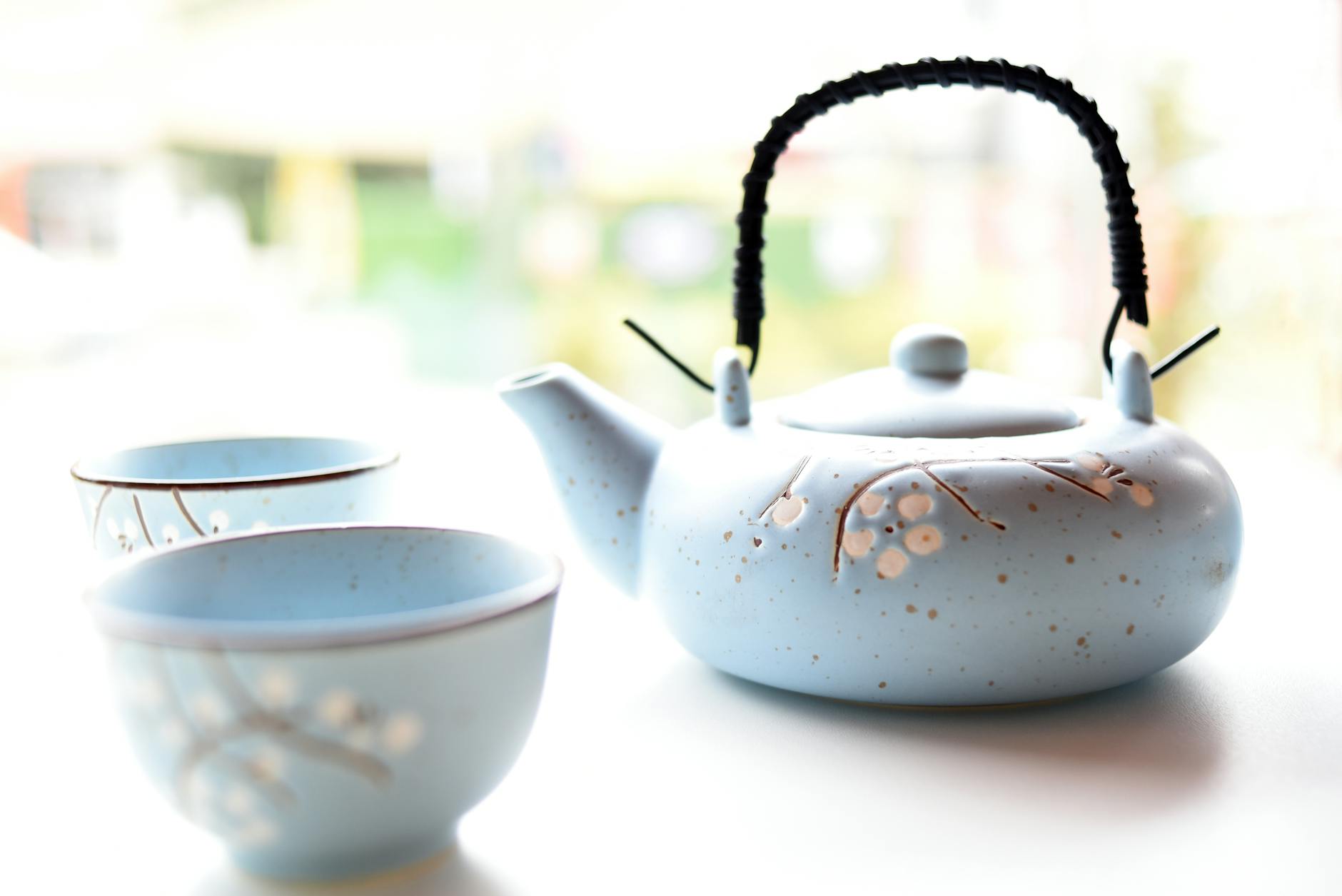
For centuries, the kyusu (急須) was simply called "the teapot" in Japan. No one needed a special name for it because there was no other kind worth mentioning. It appeared in Edo-period homes as quietly as tatami mats and sliding doors, designed with such specific intention that its form became invisible—just part of the ritual of drinking tea.
The kyusu isn't a scaled-down version of anything. It's built around sencha, the steamed green tea that transformed Japanese drinking culture in the 18th century. Unlike the whisked matcha of the tea ceremony, sencha asked for something new: a vessel that could coax out sweetness without bitterness, that fit naturally in one hand, that made the everyday sacred.
The handle that tells a story
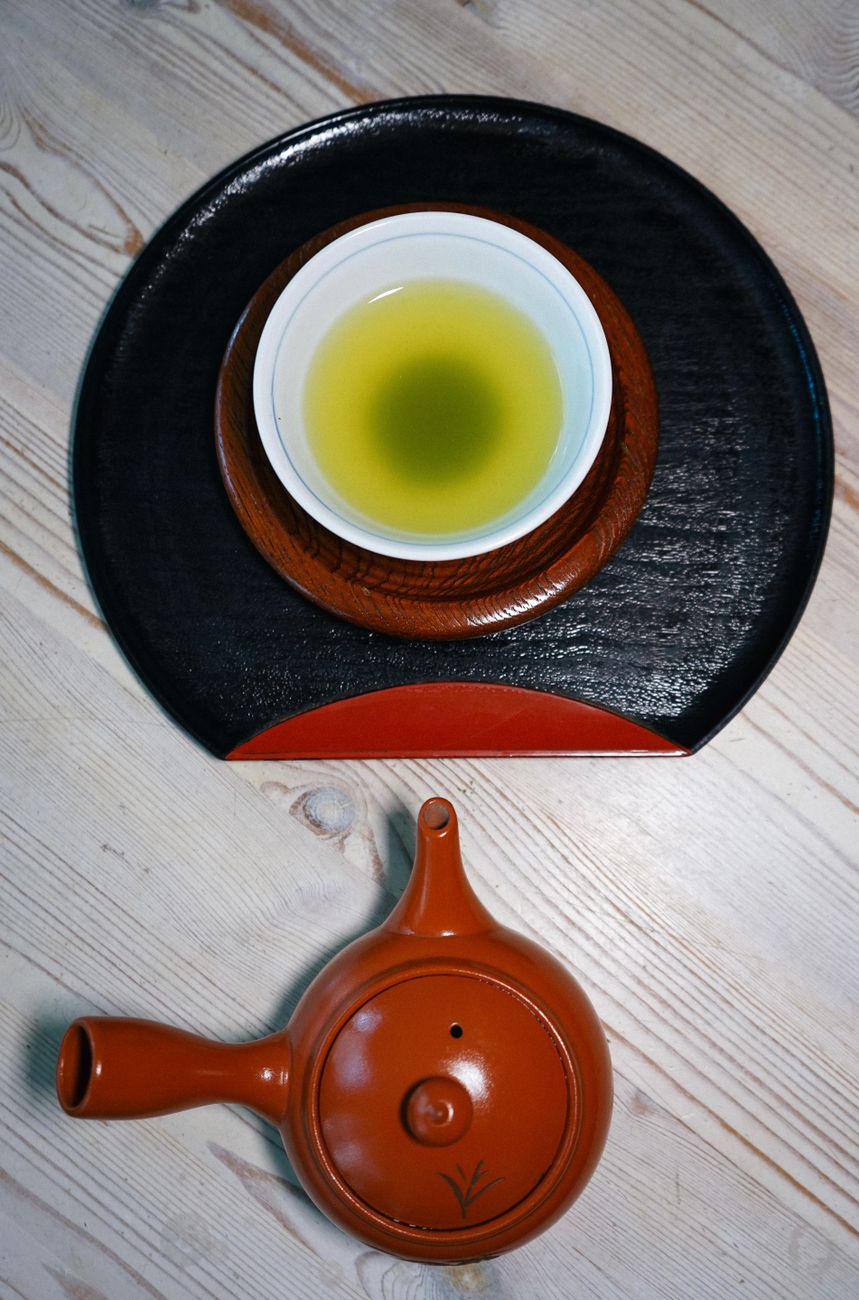
Turn a kyusu around and you'll notice the handle emerging from the side, perpendicular to the spout. This is the yokode (横手) style—"side hand"—and it's the signature silhouette most people picture. But there's intention beneath the design.
That side handle lets you pour with a natural, downward wrist motion. No lifting, no straining. It's engineered for control, especially when pouring the small, concentrated amounts that sencha demands. The pot wants to stay low, close to the cup, so the tea doesn't cool or splash.
Some kyusu wear a back handle (ushirode) or a top handle (uwade) instead, borrowed from Chinese teapot traditions. They're less common now, but they remind us that Japanese craft is always in conversation with the continent—absorbing, refining, making it unmistakably its own.
Clay that breathes
The best kyusu are unglazed on the inside, porous enough to steep flavor and memory into the walls.
Tokoname ware from Aichi Prefecture claims the throne here. The iron-rich clay fires to a warm rust-red, and its fine texture filters tea naturally through the built-in sasame strainer—a ceramic mesh fused directly into the spout. No metal, no removable parts. Just clay doing what metal cannot: softening the astringency, rounding the edges of the flavor.
Over years of use, tannins season the interior. The pot darkens. It learns your tea.
Banko ware from Mie Prefecture takes a different approach, blending clay with petalite to create a body that withstands thermal shock. You can pour boiling water into a cold Banko kyusu without a crack. For hojicha or genmaicha—teas that want hotter water—it's a quiet kind of genius.
Size, shape, and what you actually drink
Here's the truth: most kyusu hold between 200 and 400 milliliters. That's roughly one to three small cups. If you're brewing alone or for two, a 250ml pot is your companion. Larger gatherings? You'll pour multiple rounds rather than scale up—sencha doesn't wait.
The body shape matters more than you'd think. A low, wide form exposes more leaf surface to water, good for fast-opening fukamushi sencha. A taller, narrower pot slows the extraction, suits delicate gyokuro. The pot is part of the recipe.
And the spout? It should cut off cleanly, no drips trailing down the side. A well-made kyusu pours in silence.
Choosing what fits your hand
Forget aesthetics for a moment. Lift the kyusu. Does the handle nestle into the curve between your thumb and forefinger? Does the lid stay seated when you tip it? Can you cover the air hole with your thumb without stretching?
The kyusu was made to be held, not admired from across the room.
If it feels right empty, it will feel right full—warm clay against your palm, steam rising, the weight of water and leaf reminding you that some objects are designed not to impress, but to disappear into the act of being used.
FAQ
Chaware curates authentic Japanese crafts — straight from the makers in Japan to your table.
Explore the Chaware collection →