How to Choose Japanese Chopsticks That Last a Lifetime
You've been holding them wrong—or at least, not as well as you could. The chopsticks you choose shape every meal, every gesture, every quiet moment at the table.
The weight of daily ritual
Japanese chopsticks aren't utensils. They're an extension of your hand, designed to be lifted and lowered hundreds of times a day for decades. That's why choosing a pair that lasts means understanding what "lasts" actually means: not just durability, but comfort that doesn't fade after the honeymoon period.
The Japanese call everyday chopsticks hashi, but the ones meant to endure are often nuribashi—lacquered wood that gets smoother, not rougher, with age. Unlike disposable waribashi that splinter after one use, a well-made pair of lacquered chopsticks can serve you for twenty years. If you care for them.
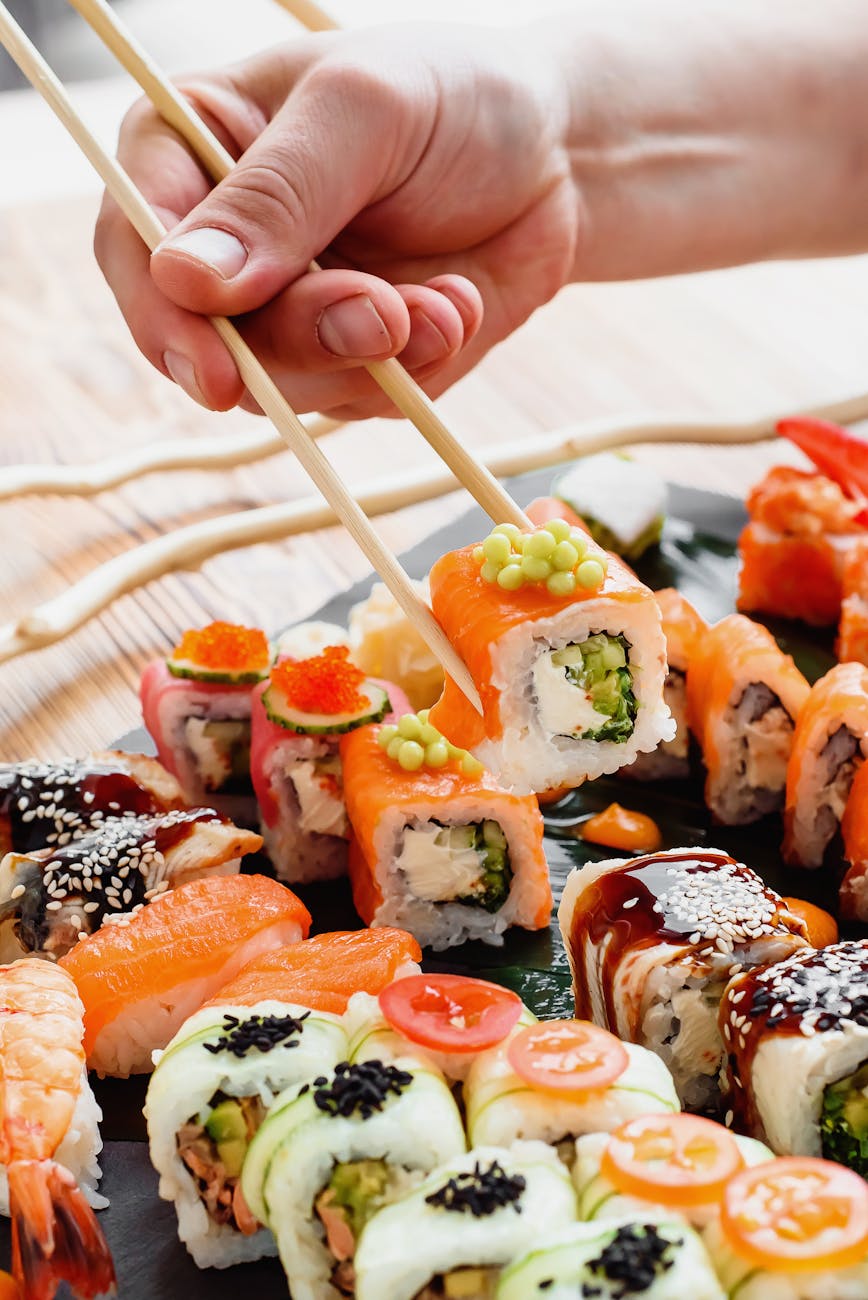
What your hands already know
Pick up a pair of chopsticks. Notice the taper. Japanese chopsticks are shorter and more delicately pointed than Chinese or Korean styles—usually 21 to 23 centimeters for women, 23 to 25 for men. That fine tip isn't about daintiness. It's engineered for precision: plucking a single grain of rice, separating fish from bone, lifting fragile tofu without collapse.
The best test? Close your eyes and feel the balance point. It should rest naturally between your thumb and forefinger, about one-third down from the top. Too tip-heavy and your hand tires. Too light and you lose control.
A chopstick that disappears in your hand is a chopstick doing its job.
Wood matters more than you'd think. Hinoki (Japanese cypress) is prized for its subtle fragrance and natural antibacterial properties. Ebony offers heft and a cool, dense grip. Bamboo is light, sustainable, but can yellow and crack if it dries out. Avoid anything too glossy or thick—your fingers need subtle friction, not a slippery runway.
The lacquer question
True urushi lacquer isn't paint. It's tree sap, applied in dozens of whisper-thin layers, each one cured in humidity-controlled rooms. This process takes weeks, sometimes months. The result is a surface that repels water, resists heat, and actually strengthens the wood beneath it.
But here's the catch: most "lacquered" chopsticks today use synthetic coatings. They look similar but chip within months and can't be repaired. Real urushi develops a deeper luster over time and can be re-lacquered by artisans when worn. If the price seems too good, it's probably plastic pretending.
- Real urushi: Warm to the touch, slight texture, deepens with age
- Synthetic coating: Cold, perfectly smooth, chips at the tip first
- Unfinished wood: Absorbs flavor and moisture, requires oil maintenance
The ones you'll reach for
Forget matching sets that look precious on a shelf. The chopsticks that last are the ones that fit your hand, your grip, your daily rhythm. Some people love the theatrical length of saibashi (cooking chopsticks). Others want the quiet reliability of plain bamboo.
Try before you commit, if you can. Hold them in a pinch grip. Imagine lifting something delicate. Do they feel like an ally or an obstacle?
The chopsticks you choose become part of your muscle memory, the small architecture of your everyday life. Choose well, and they'll still be there, smooth and faithful, long after you've forgotten you ever had to choose at all.
FAQ
Chaware curates authentic Japanese crafts — straight from the makers in Japan to your table.
Explore the Chaware collection →