What Is a Katana? Understanding the Soul of the Samurai
On this page
You can feel the weight of it before you even touch the blade—not just steel and silk, but centuries of intention folded into a single, deliberate curve.
The katana isn't just a weapon. It's a philosophy made tangible, a meditation rendered in carbon and fire. For the samurai who carried it, the sword was never simply a tool for battle. It was the physical extension of their honor, their discipline, their very soul.
The curve that changed everything
Walk into any museum with a Japanese sword collection and you'll notice it immediately: that graceful, living arc. Unlike the straight swords of medieval Europe, the katana curves naturally from hilt to tip—a shape born from function, refined into art.
This curve, called sori, isn't decorative. It emerged from the forging process itself, created when swordsmiths applied clay of different thicknesses to the blade before heating. The edge cooled faster than the spine, contracting at different rates, and the metal bent into its signature shape. What began as metallurgy became iconic.
The result? A blade that could be drawn and cut in a single, fluid motion—essential when a samurai's life might depend on the speed of that first strike.
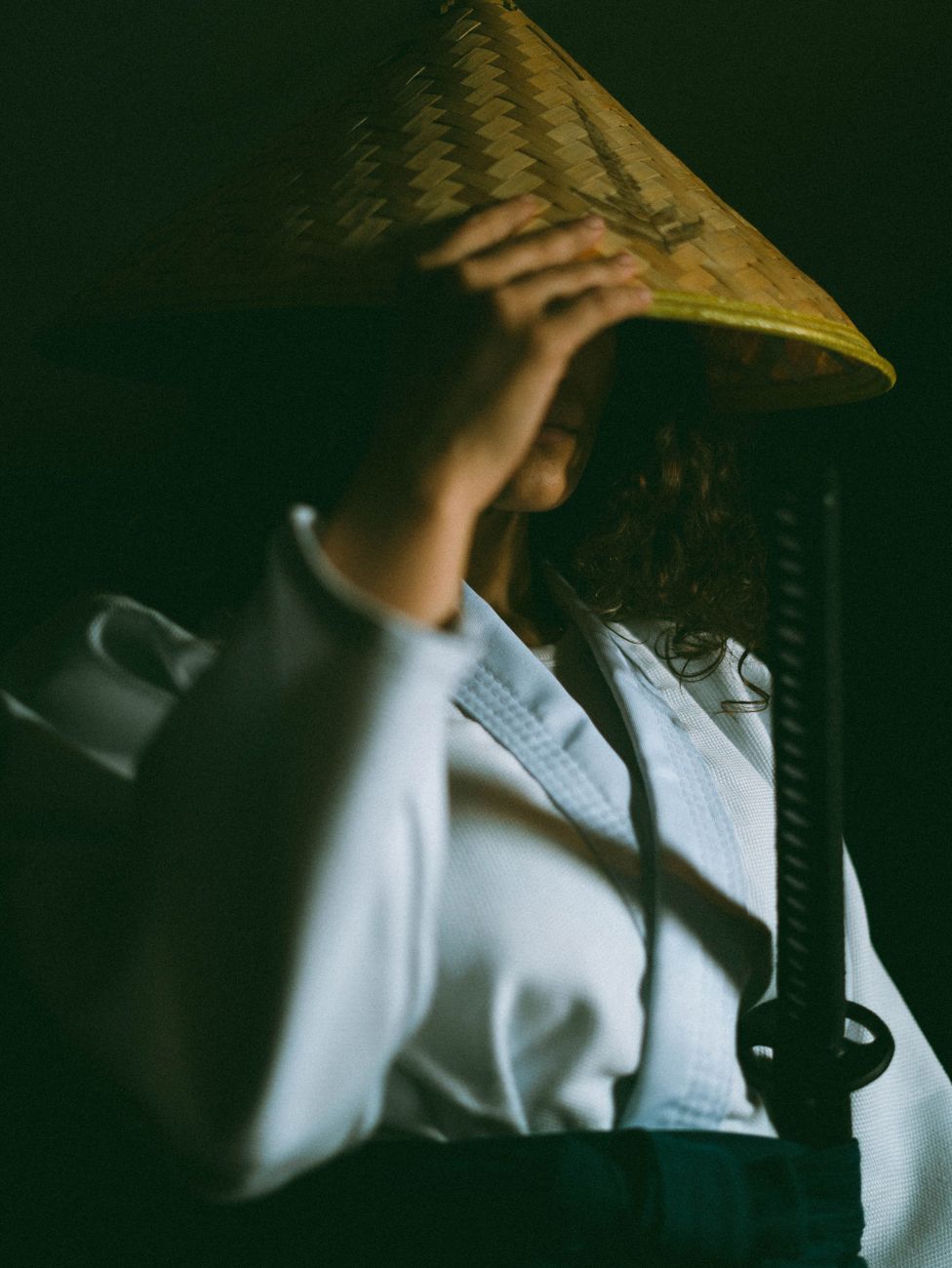
Folded steel and the art of patience
A katana blade might contain tens of thousands of layers of steel, folded repeatedly during forging. This wasn't showmanship. Japanese iron ore was notoriously impure, filled with imperfections that would shatter under stress.
So swordsmiths developed tamahagane—jewel steel—heating, hammering, and folding the metal again and again to distribute carbon evenly and expel impurities. Twelve folds create over 4,000 layers. Fifteen folds? More than 32,000.
The sword remembers every hammer strike, every fold, every deliberate choice of the smith who made it.
This process could take months for a single blade. The best swordsmiths became legendary, their signatures as valued as the steel itself.
More than a blade: the anatomy of reverence
The katana you picture—about 60-80 centimeters of curved steel—is actually part of a complete system. The blade sits within a wooden sheath called a saya, often lacquered to a mirror finish. The handle, or tsuka, is wrapped in ray skin and silk cord in precise geometric patterns that provide grip without slipping.
Even the small details carry meaning:
- The tsuba (hand guard) protected fingers but also displayed craftsmanship—tiny scenes carved in iron or bronze
- The menuki (grip ornaments) weren't decoration but tactile guides for proper hand placement
- The habaki (blade collar) created the satisfying resistance when drawing the sword, a subtle reminder of the weapon's power
Nothing was arbitrary. Every element served both function and philosophy.
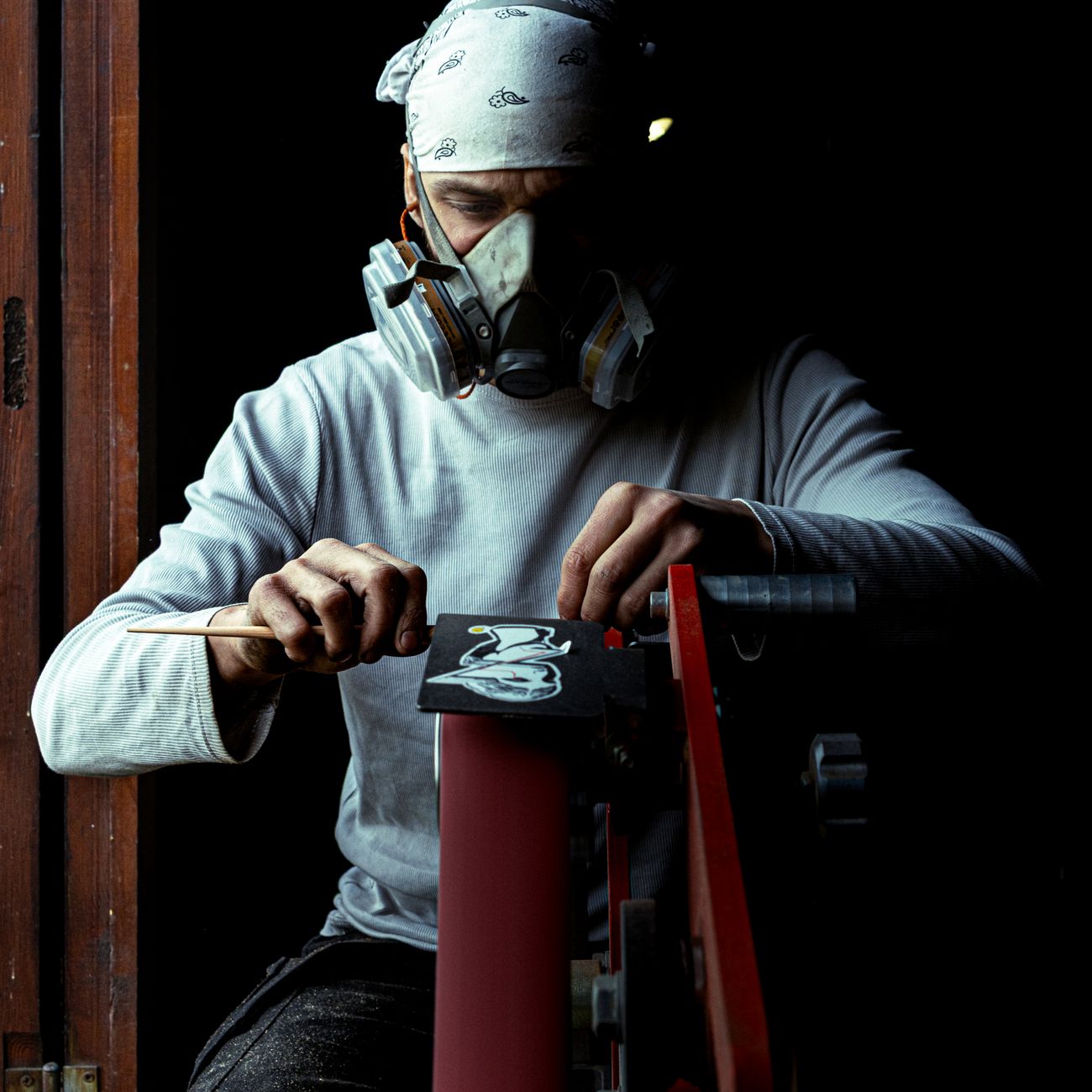
The soul of the samurai
When a samurai received their first katana, it wasn't merely an acquisition. It was a spiritual bond. The sword had to be maintained daily, cleaned and oiled with ritualistic care. To let it rust was to dishonor oneself.
This relationship went beyond superstition. In Bushido—the way of the warrior—the katana represented the samurai's commitment to discipline, precision, and readiness. A dull blade suggested a dull mind. A neglected sword revealed a neglected spirit.
Even today, antique katana are treated with extraordinary reverence in Japan, often designated as national treasures or important cultural properties. Some swords have documented histories spanning centuries, their stories as carefully preserved as the steel itself.
---
The katana endures not because it was the sharpest weapon ever made, but because it was the most intentional—every curve, every fold, every ritual of care a reminder that how we approach our tools reveals how we approach our lives.
FAQ
Chaware curates authentic Japanese crafts — straight from the makers in Japan to your table.
Explore the Chaware collection →