What Is Obon? Japan's Festival of Returning Spirits
On this page
Three days in mid-August, and millions across Japan set an extra place at the table. The ancestors are coming home.
Obon (sometimes called Bon Festival) is Japan's annual homecoming for the dead—a time when the boundary between this world and the next grows thin, and the spirits of departed family members return to visit the living. It's not somber. It's not spooky. It's warm, bustling, and deeply familial, filled with dancing, lanterns, and the scent of incense mingling with summer air.
When the veil lifts
Obon typically falls in mid-August (the 13th through 15th or 16th, depending on the region), though some areas observe it in July following the old lunar calendar. The timing varies, but the intention doesn't: welcome the ancestors back, honor them, then send them off again with gratitude and light.
Families clean graves and family altars (butsudan) in preparation. On the first evening, small welcoming fires called mukaebi are lit at doorsteps to guide spirits home. For three days, offerings of favorite foods, fresh flowers, and water are placed before memorial tablets. The dead are treated as honored guests.
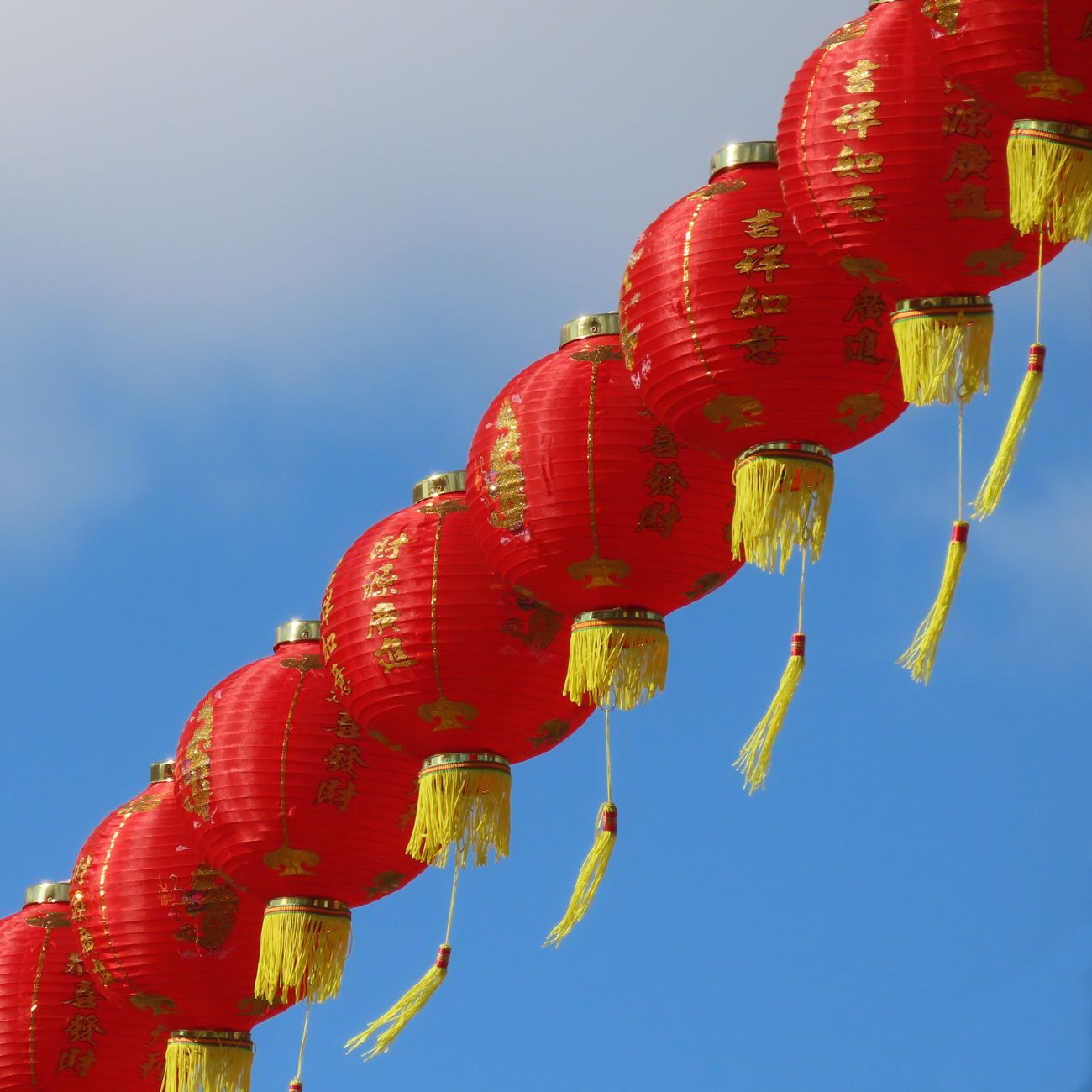
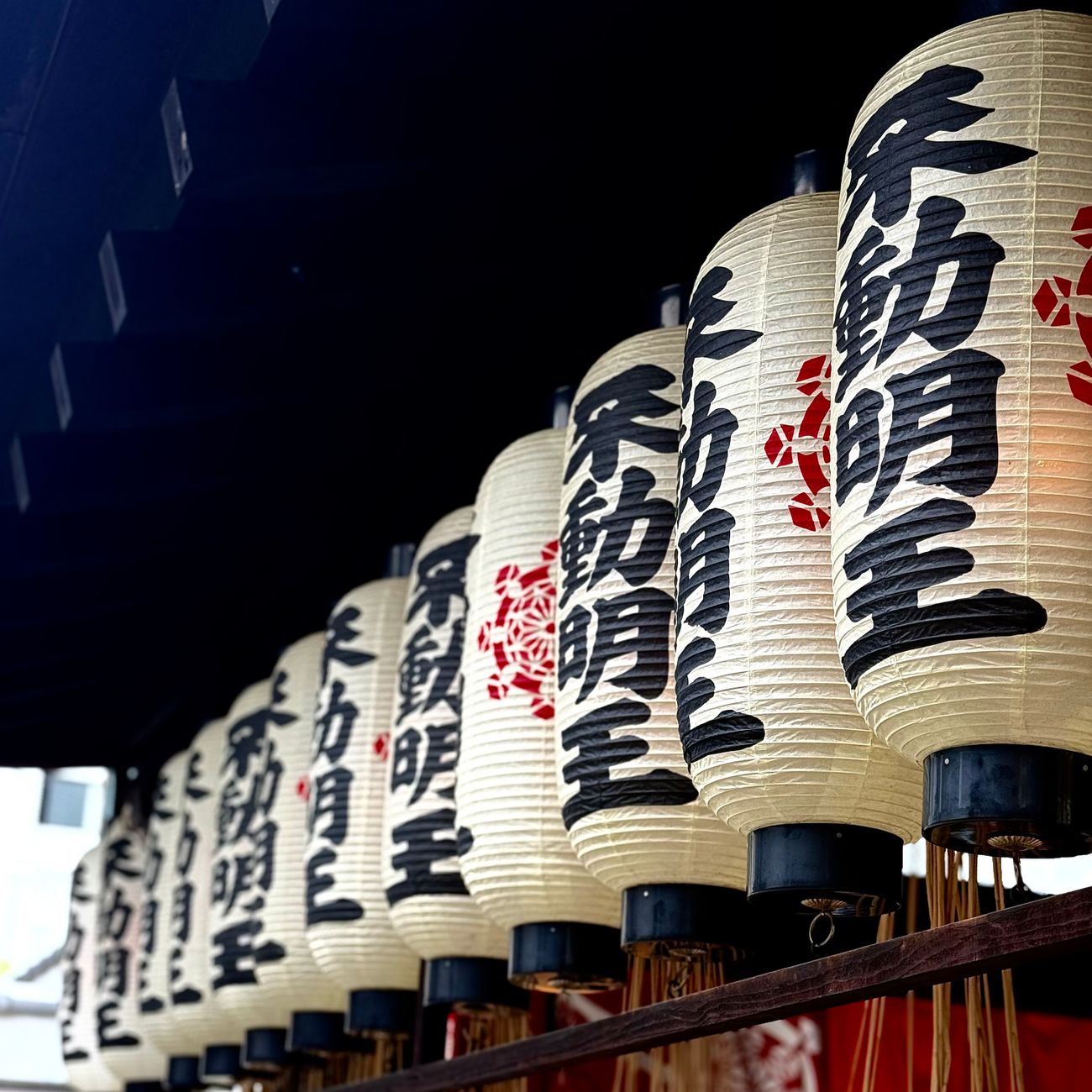
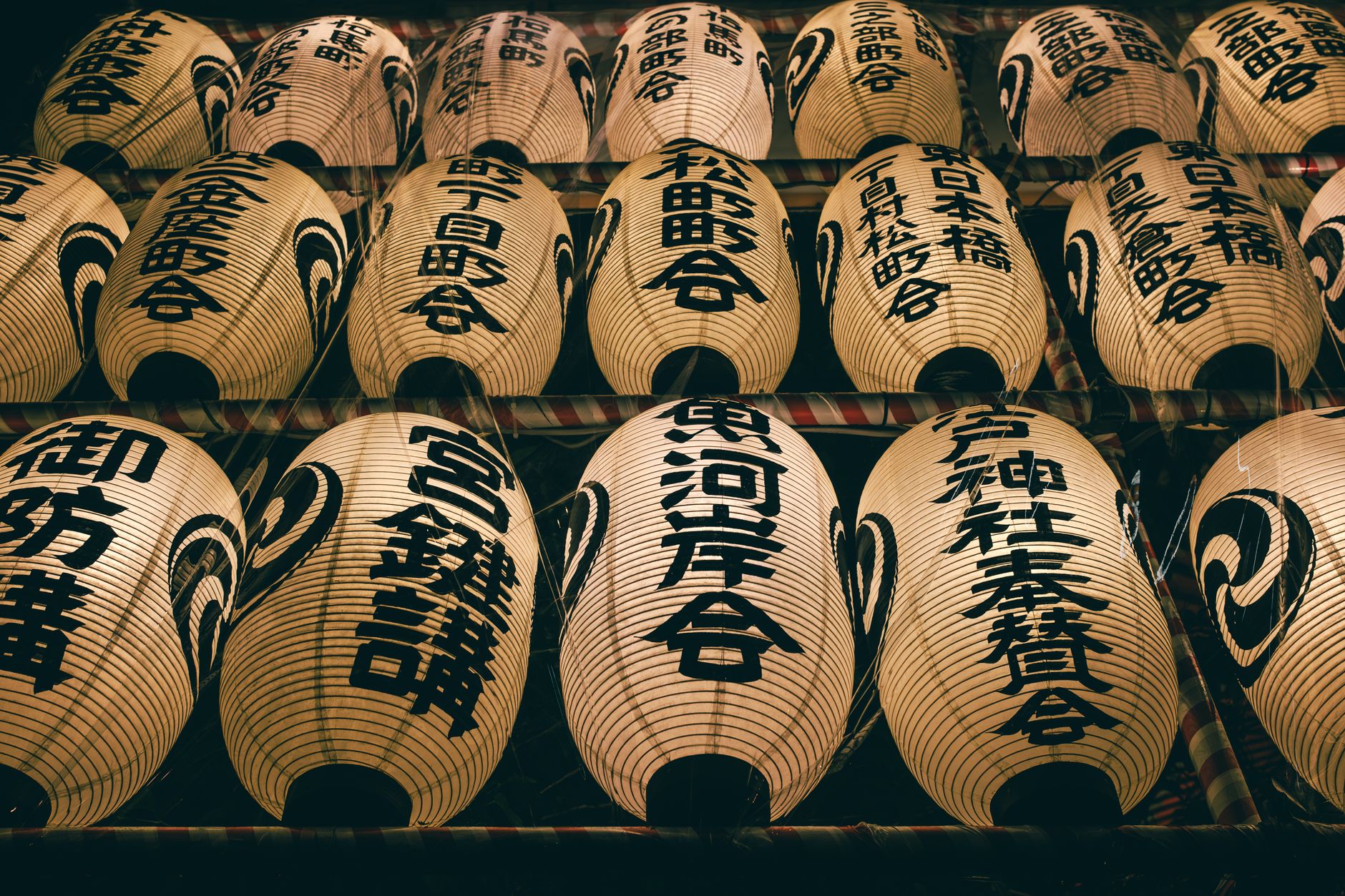
The lanterns aren't just decoration—they're a path lit by love.
Dancing under paper lanterns
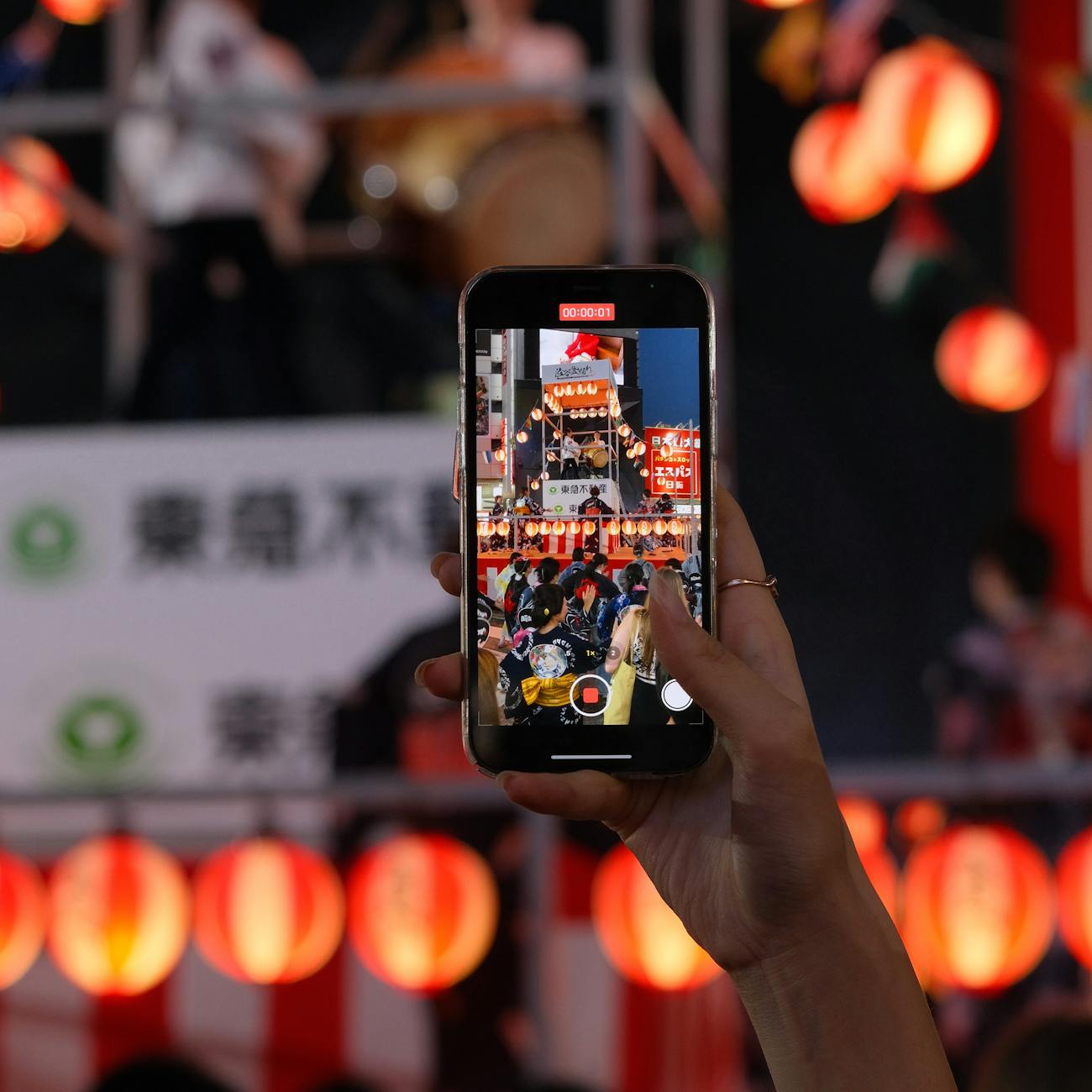
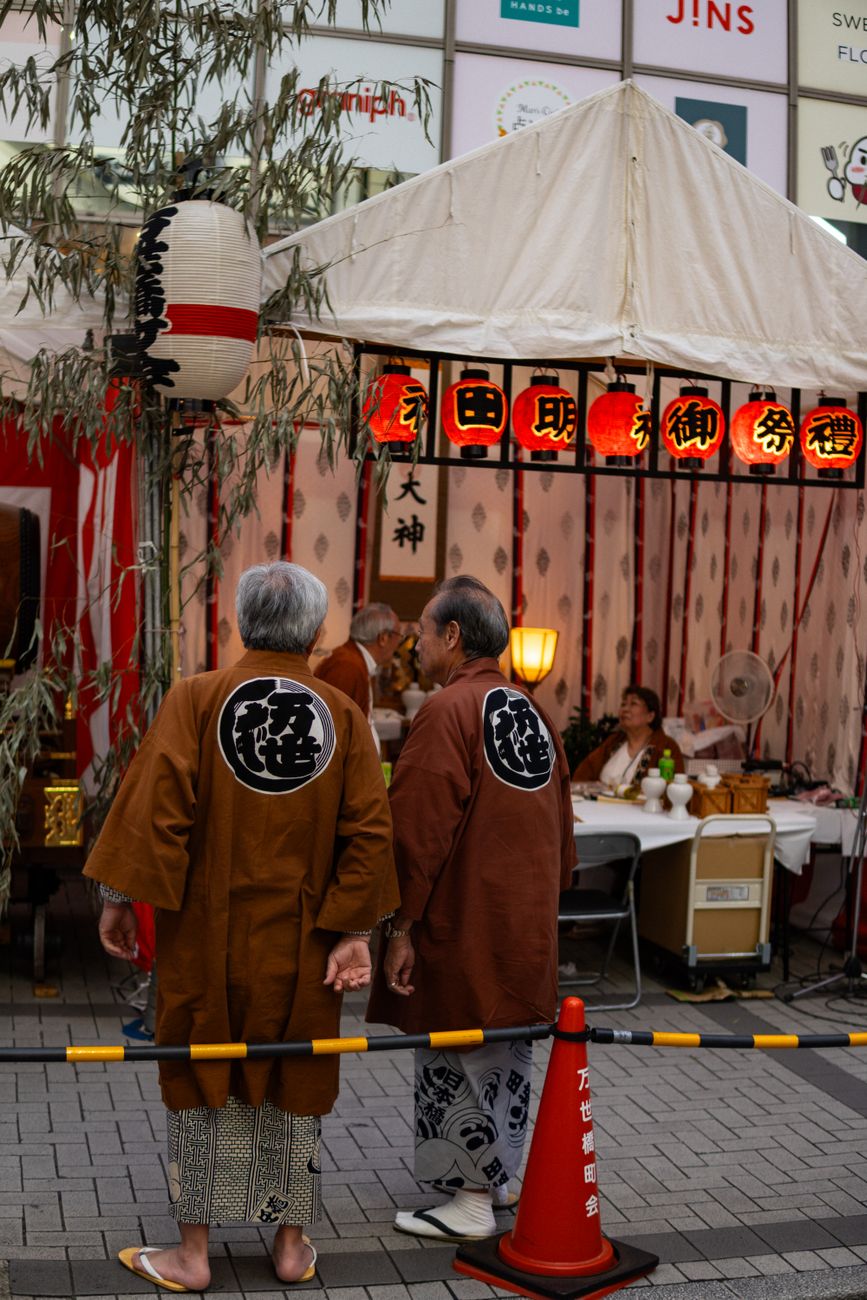
If you've ever seen videos of massive outdoor dance circles in Japan, you've likely glimpsed Bon Odori—the folk dances performed during Obon. Thousands gather in parks, temple grounds, and town squares, moving in synchronized steps around a central stage (yagura) where taiko drums thunder and singers call out.
Each region has its own dance style and song. Some are slow and graceful, others lively and playful. You don't need to be skilled—just willing. Locals and visitors alike join the circle, often dressed in light summer yukata, hands tracing gestures that mimic rice planting, fishing, or coal mining, depending on the area's history.
It's participatory remembrance. A way to connect with the past while your feet move in the same patterns your grandparents once knew.
The journey back
On the final night, it's time to say goodbye. Families guide their ancestors back to the spirit world, often through the glow of floating lanterns. In the famous Toro Nagashi ceremonies, thousands of small paper lanterns are set adrift on rivers and seas, each one carrying prayers and messages. The sight is breathtaking—a river transformed into a glowing constellation, slowly drifting toward the horizon.
In Kyoto, enormous bonfires blaze on mountainsides in the shape of kanji characters, visible across the entire city. In Nagasaki, lantern-draped boats are paraded through streets before being launched into the harbor.
Each region sends off its dead differently, but everywhere, the sentiment is the same: Thank you for visiting. Go safely. We'll see you next year.
What it means today
Obon remains one of Japan's most important holidays, a rare moment when the entire country pauses. Offices close. Trains fill with travelers heading to ancestral hometowns. It's Japan's second-largest travel season after New Year's.
But it's more than tradition. In a fast-paced, future-focused society, Obon offers something increasingly rare: dedicated time to remember where you came from, who raised you, and what you carry forward. The dead aren't distant. For three summer days, they're right there at the table.
And when the lanterns fade and the dances end, the living return to their lives—a little more rooted, a little more grateful, carrying the warmth of that brief reunion until the summer comes around again.
FAQ
Chaware curates authentic Japanese crafts — straight from the makers in Japan to your table.
Explore the Chaware collection →