Japanese Matsuri: Understanding the Soul and Meaning of Japan's Festival Traditions
On this page
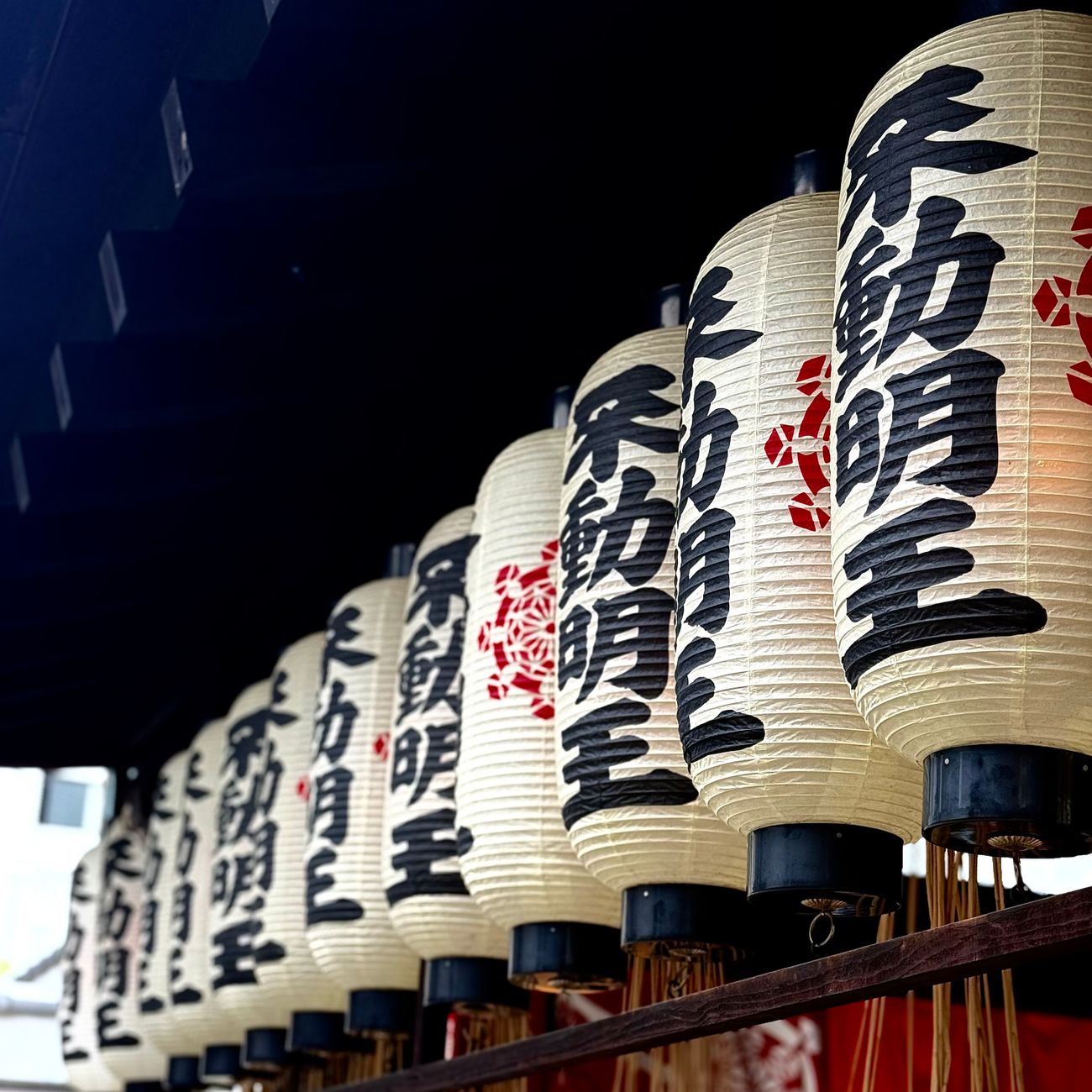
The drums start before you see anything. A deep, rhythmic pulse that seems to rise from the earth itself, calling you toward the glow of paper lanterns strung between wooden shrine gates.
When the Gods Come Down to Dance
Matsuri — the word itself contains the meeting of two worlds. Matsu (to worship, to wait for) and ri (a rite, a reason). Japanese festivals aren't performances put on for the gods. They're the moments when the divine descends into the everyday, when the boundary between the sacred and the street dissolves completely.
Walk through any matsuri and you'll notice something unusual: the most solemn moments happen alongside the most raucous. Shinto priests in white robes carry a mikoshi (portable shrine) through crowds eating grilled squid and catching goldfish. Children in yukata shriek with laughter while elders bow deeply before the altar. This isn't contradiction — it's the whole point.
The gods, in Japanese understanding, don't demand somber distance. They arrive to share in community joy, to be carried on human shoulders, to bless the harvest and the neighborhood and the year ahead.
The Portable Throne That Gets Drunk
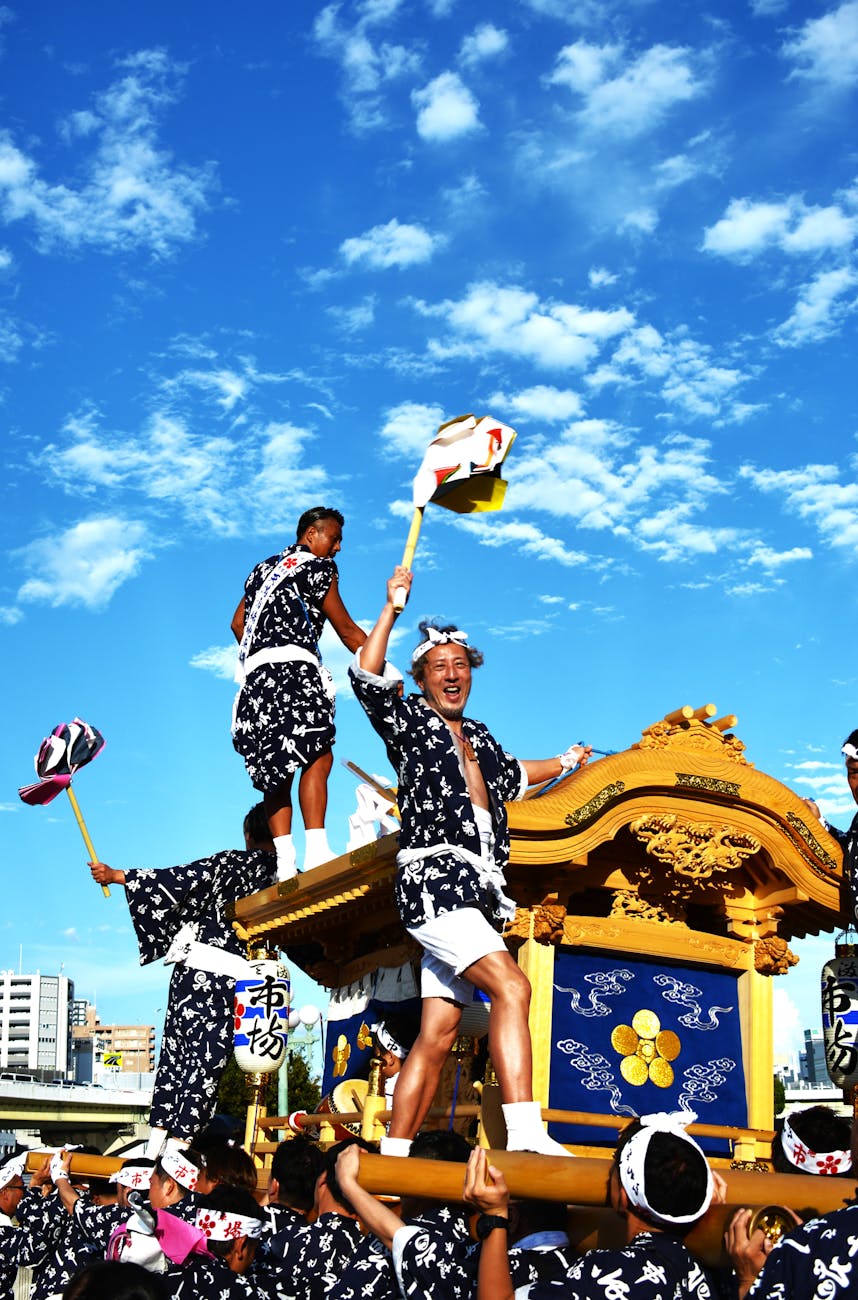
That mikoshi being jostled wildly through the streets? It's housing a kami — a deity temporarily relocated from the main shrine. The violent rocking, the shouting, even the sake splashed on the carriers — all of it serves a purpose. The vigorous movement is believed to amplify the kami's spirit, spreading divine energy throughout the community.
Some festivals see these sacred palanquins "accidentally" dropped into rivers. Others involve deliberate crashes between rival neighborhood mikoshi. What looks like chaos is actually careful choreography, a physical prayer written in sweat and wood and collective breath.
The divine doesn't arrive in silence — it arrives in the shoulders of a hundred people moving as one.
Seasons Written in Fire and Silk
Japan's festival calendar follows the agricultural and spiritual year with precision. Summer matsuri cool the living and honor the dead during Obon, when ancestor spirits return home. Autumn festivals give thanks for the rice harvest. Spring welcomes the kami of renewal with cherry blossoms and sake offerings.
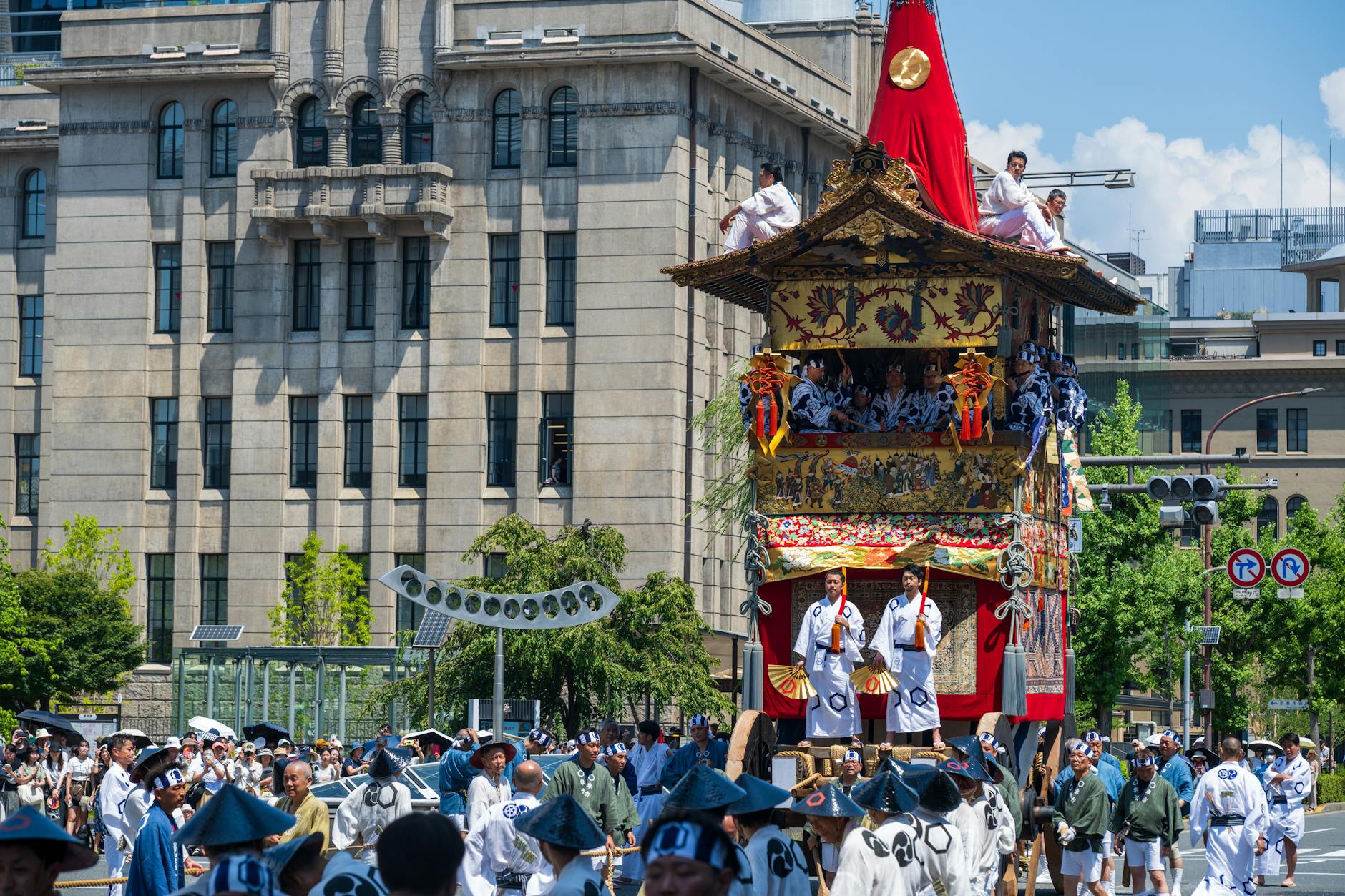
But matsuri also mark the specific — the founding of a particular shrine, a historical battle, a local legend about a dragon or a grateful fox. Every neighborhood has its own calendar, its own dances, its own way of tying the floats or playing the flute. Travel from Kyoto's elegant Gion Matsuri to a small fishing village's boat blessing, and you'll find completely different expressions of the same underlying truth: that communities need moments to gather, remember, and renew their bonds with place and spirit.
What Remains When the Lanterns Go Dark
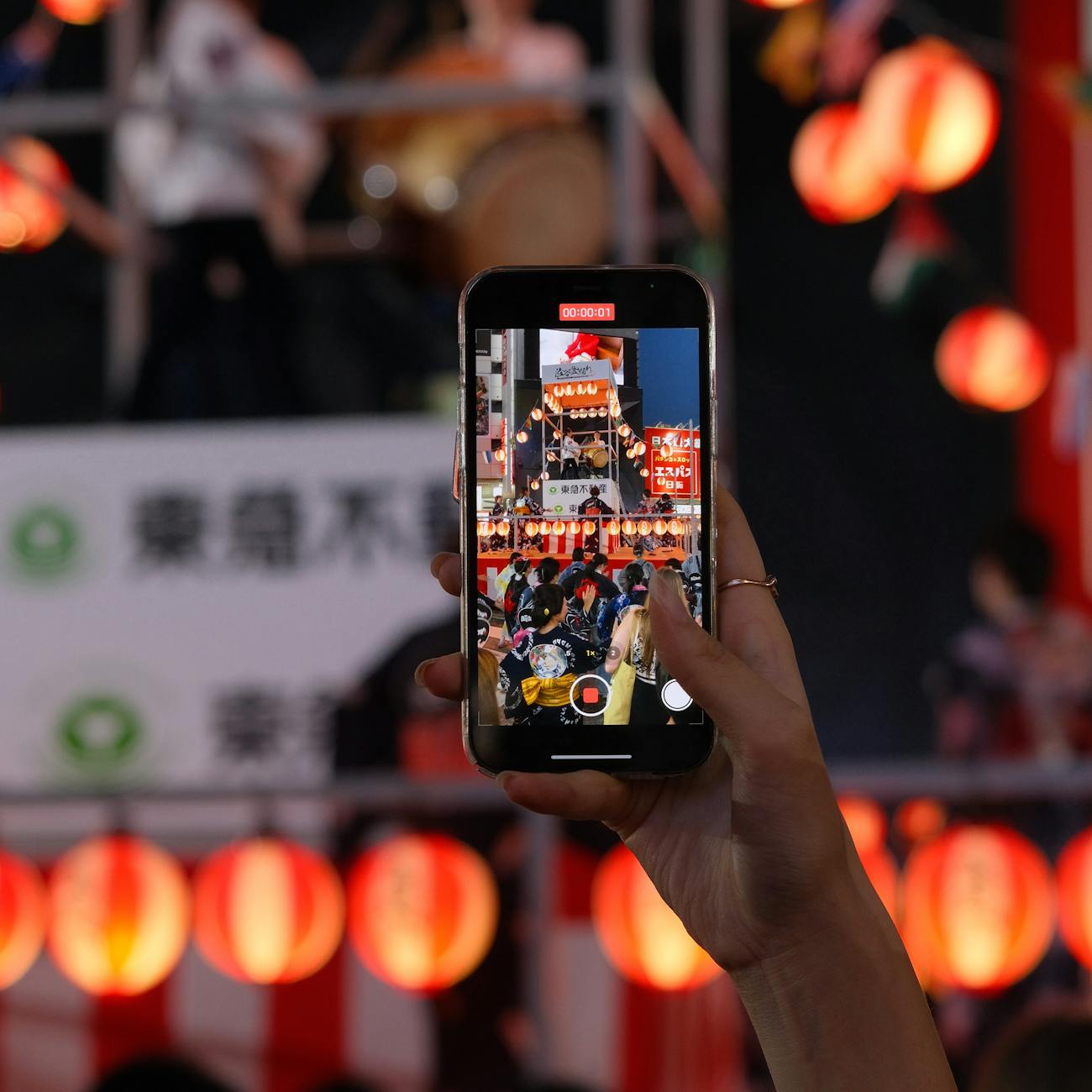
The morning after a matsuri, you'll find shopkeepers sweeping scattered flower petals and festival workers dismantling stages. The kami has returned to the shrine. The street returns to being a street.
But something lingers. The grandmother who danced in the bon odori circle for the first time in years. The teenagers who carried the mikoshi and felt the weight of tradition and community settle onto their shoulders. The child clutching a candy apple, already asking when the drums will come back.
Matsuri aren't escapes from ordinary life — they're reminders that ordinary life was never separate from the sacred to begin with. The festival simply makes visible what was always there: that every street corner has a story, every season a spirit, every gathering a chance to touch something larger than ourselves.
The lanterns go dark, but the light stays.
FAQ
Chaware curates authentic Japanese crafts — straight from the makers in Japan to your table.
Explore the Chaware collection →