Why Escalator Station Commuters in Japan Stand on One Side

On this page
You step onto the escalator at Shinjuku Station during rush hour, and without thinking, you move to the left. Everyone does. It's not written anywhere, but you just know.
The Unspoken Choreography
In Tokyo, stand left, walk right. In Osaka, it's the opposite—stand right, walk left. This invisible rule governs millions of commuter journeys every day across Japan, a silent agreement that keeps the human river flowing. No signs enforce it. No announcements remind you. Yet somehow, the system works with near-perfect compliance.
The practice isn't uniquely Japanese—London, Washington D.C., and Sydney follow similar patterns—but in Japan, it carries the weight of wa, the cultural emphasis on group harmony and not causing inconvenience to others. Breaking the unspoken rule doesn't just slow you down; it disrupts the collective rhythm.
A Borrowed Habit From The West
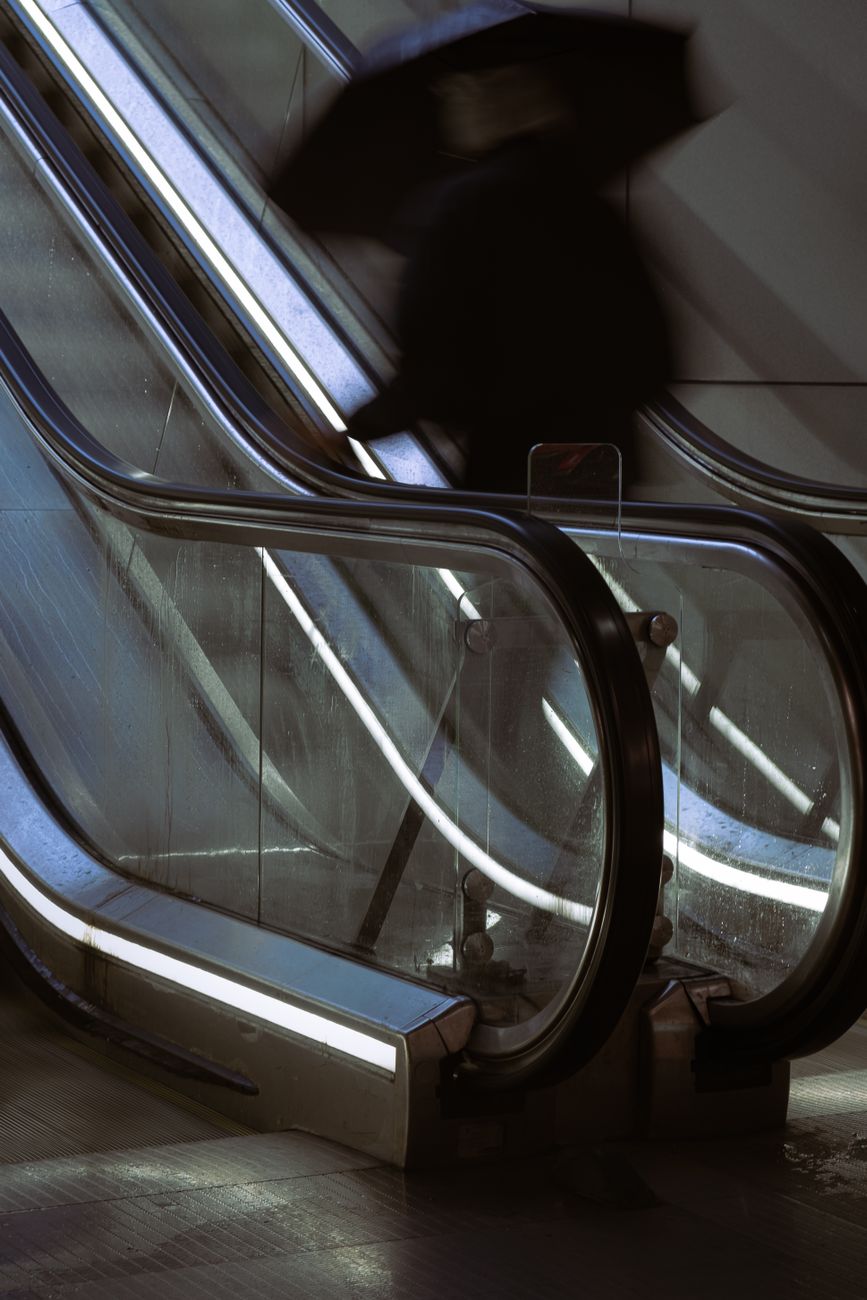
The escalator etiquette emerged relatively recently. When Japan rapidly modernized its transit systems in the lead-up to the 1964 Tokyo Olympics, escalators became standard infrastructure. The standing-on-one-side convention likely migrated from London's Underground system, where the "stand right, walk left" rule had been informally established since the early 20th century.
But why does Osaka do it differently? One theory points to the 1970 Osaka Expo, where international influence and the city's contrarian spirit—Osakans pride themselves on being more casual and direct than Tokyoites—may have led to adopting the opposite pattern. The real reason remains debated, but the regional split endures.
The Efficiency Paradox
Here's the thing: escalator manufacturers and safety officials actually recommend standing still on both sides. Walking on moving stairs increases accident risk, particularly for elderly passengers and those with mobility challenges. The mechanical wear is higher. The efficiency gains are marginal at best.
The etiquette exists not because it's optimal, but because it signals you understand how to move within the group.
Yet the practice persists because it serves a social function beyond mere transportation. It's a daily micro-ritual of kikubari—anticipatory consideration for others. By standing to one side, you're saying: I see you. I won't block your path. We're in this together.
Reading The Room, Reading The Rail
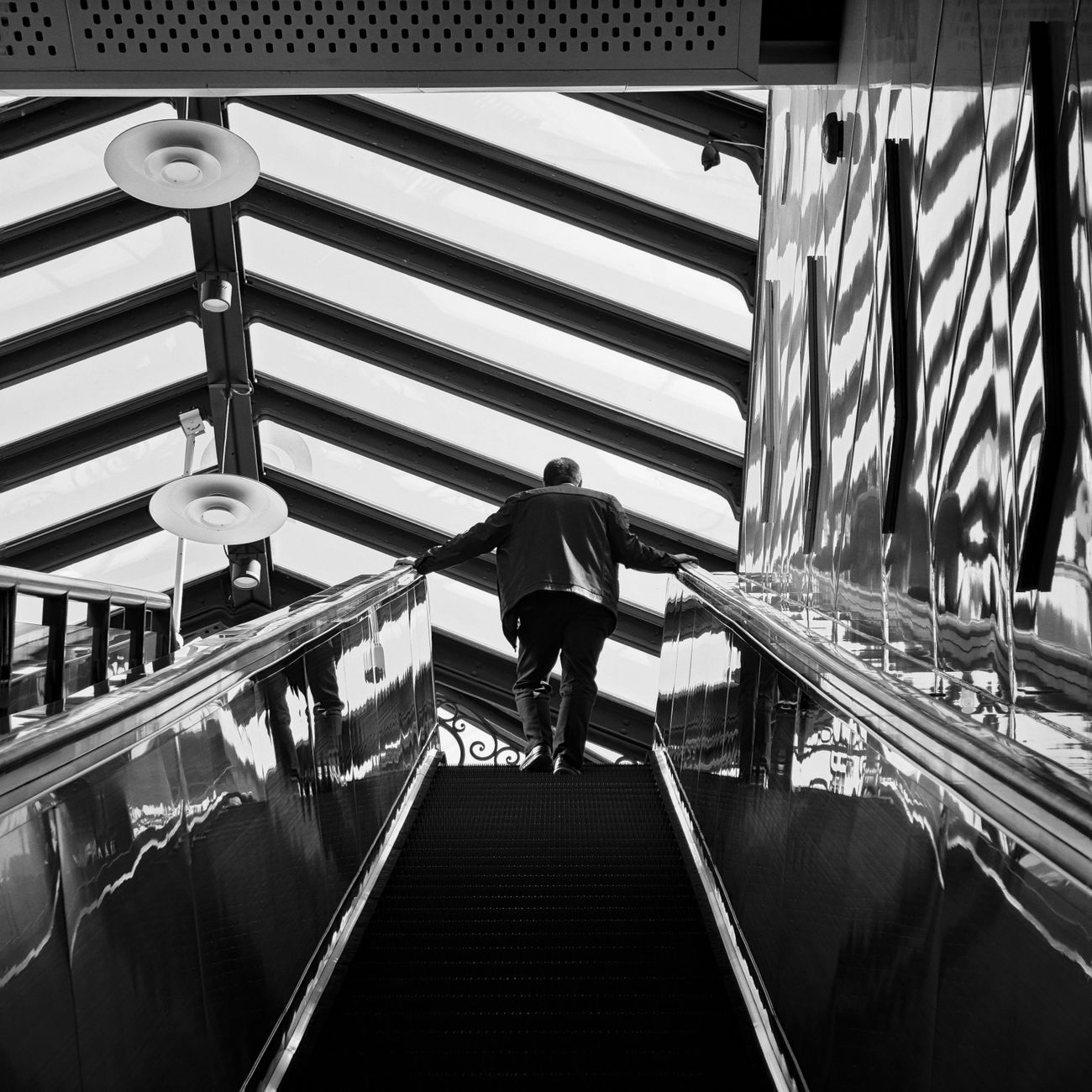
For visitors, these unwritten codes can feel intimidating. Watch for a moment before stepping on. Notice where people cluster. In train stations, the walking side is usually marked by worn treads and a slight gap in the standing crowd.
The etiquette extends beyond escalators. On trains, you queue in orderly lines marked on the platform. You lower your voice. You turn your phone to silent mode without being asked. Each small gesture is part of a larger social contract, refined over decades of dense urban living where millions must coexist in limited space.
These aren't rules enforced by authority—they're agreements maintained by collective participation. And that's what makes them powerful.
The Space Between Order And Pressure
There's beauty in the choreography, but also tension. The same culture that creates smooth-flowing stations can make people anxious about standing in the "wrong" spot. The emphasis on not inconveniencing others sometimes means individuals absorb stress rather than ask for accommodation.
Still, when you ride that escalator and feel the seamless current of movement around you—everyone flowing, no one colliding—you're experiencing something remarkable. A temporary community of strangers, synchronized without words.
Stand to the side, and you're already speaking the language.
FAQ
Chaware curates authentic Japanese crafts — straight from the makers in Japan to your table.
Explore the Chaware collection →