Why Japanese People Queue So Neatly at Train Station Platforms (And Everywhere Else)
On this page
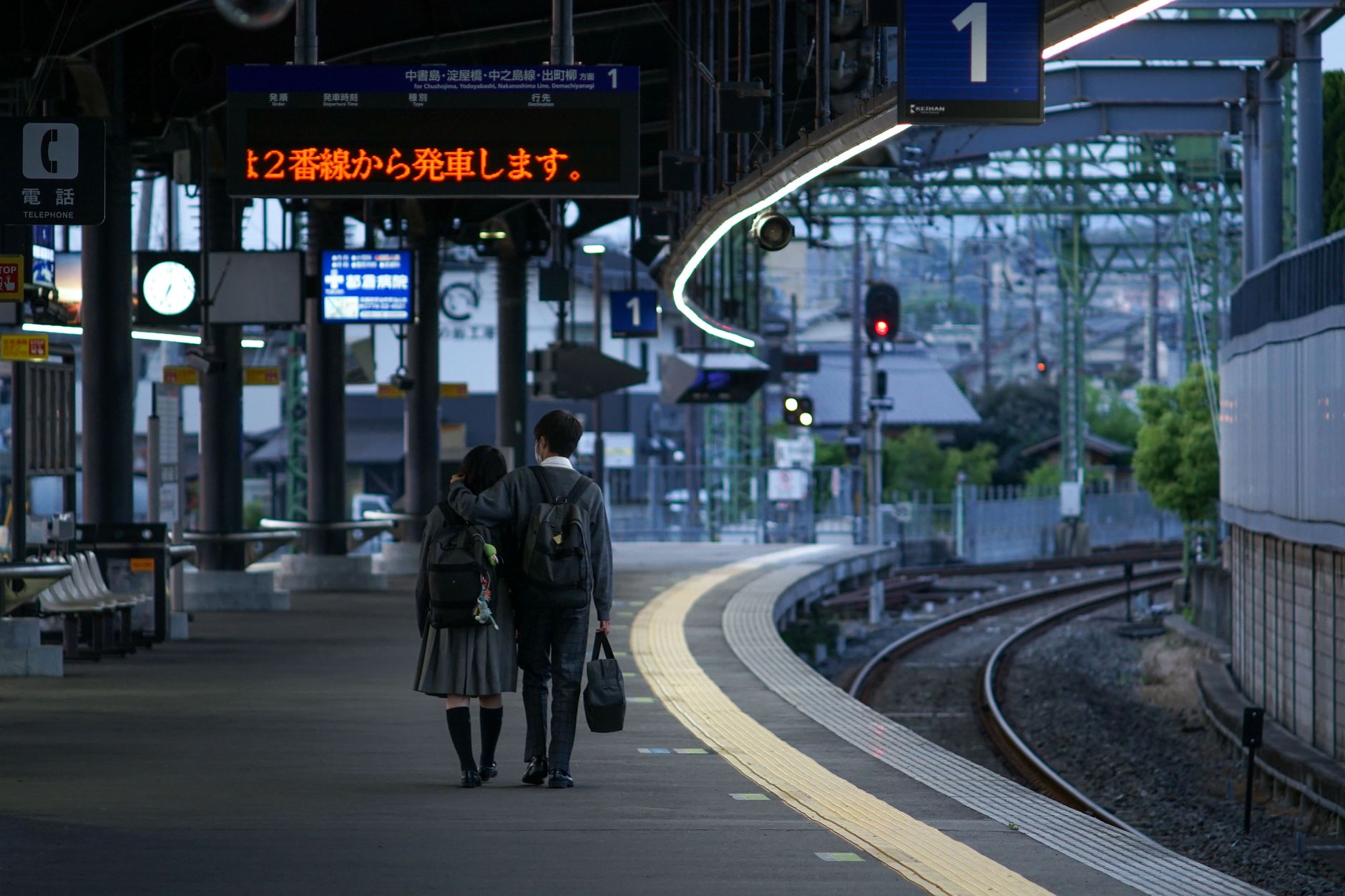
You step off the Yamanote Line at Shinjuku Station during rush hour—three million people pass through daily—and watch as commuters form perfect, silent lines along painted floor markings, waiting for a train that hasn't even arrived yet. No jostling. No cutting. Just orderly human geometry.
It looks like choreography. But it's just Tuesday morning.
The invisible contract nobody signed
Japanese queuing isn't enforced by guards or ropes. It's maintained by something far more powerful: meiwa wo kakeru, the principle of not causing trouble for others. From childhood, Japanese people learn that public space is shared space, and your convenience ends where another person's begins.
This isn't about blind rule-following. It's about a deeply held belief that society functions when individuals restrain themselves first, before needing to be restrained.
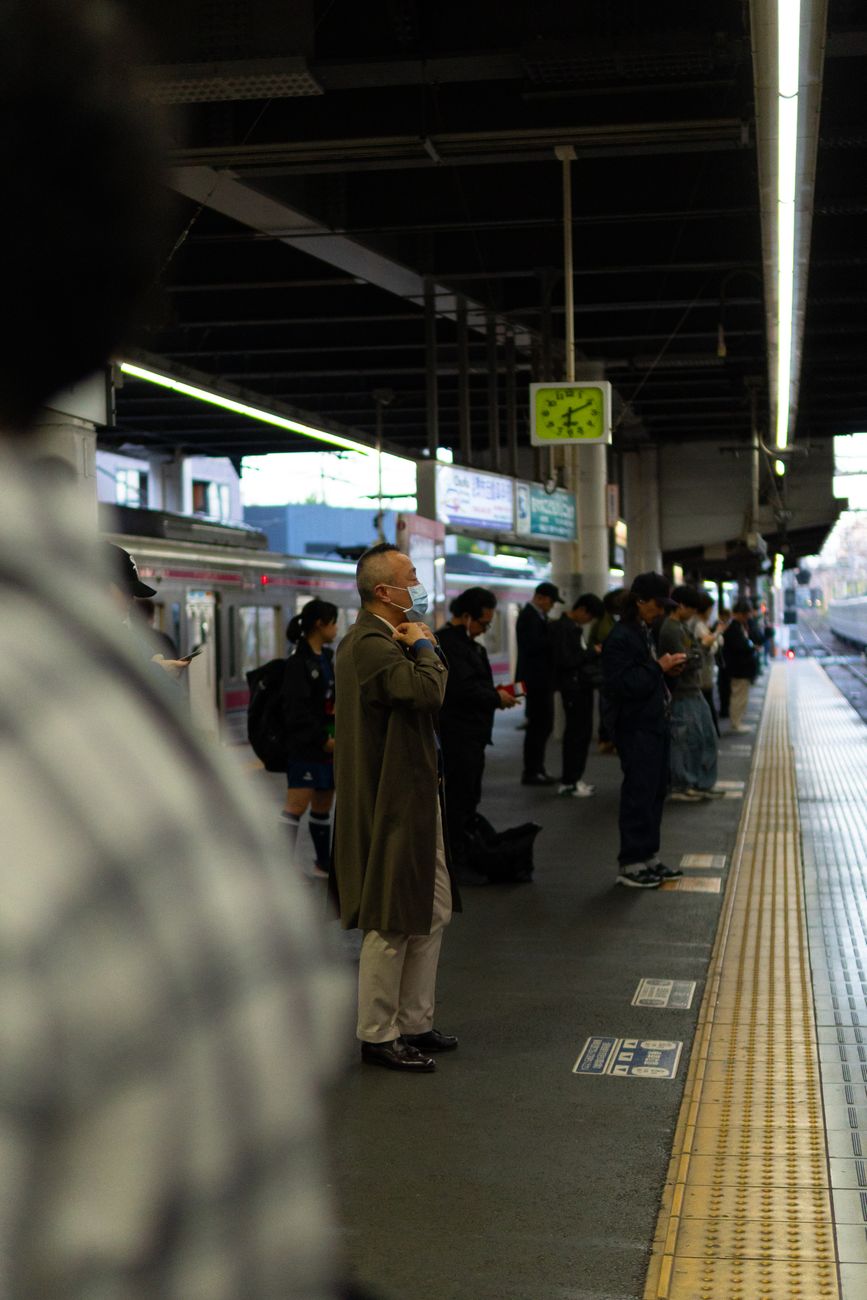
The platform markings are newer than you think
Those neat floor decals at train platforms? They weren't always there. Tokyo's first systematic platform queuing lines appeared in the 1990s, formalized during preparations for international events. But the behavior predates the markings by decades.
The lines simply made visible what was already practiced. Railway staff noticed commuters naturally forming orderly groups near where doors would open—not from signs, but from observing others and adjusting accordingly. The markings reinforced an existing habit, turning collective intuition into infrastructure.
The queue isn't a line of strangers—it's a temporary community with unspoken agreements.
What happens when someone cuts
Here's where it gets interesting. In many countries, a line-cutter gets confronted verbally, sometimes aggressively. In Japan, the response is silence—but a particular quality of silence. The air changes. People don't make eye contact with the offender, but they see everything.
This isn't passive. It's shakaiteki seisai—social sanction. The cutter feels the weight of collective disapproval without a word being spoken. For people raised in this system, that invisible pressure is more powerful than a shouted objection. The goal isn't punishment; it's restoration of wa, social harmony.
Occasionally, an elderly person or station attendant will quietly gesture the person to the back. The correction is calm, almost apologetic, as if helping someone who's simply lost.
The kindergarten root
Visit any Japanese kindergarten and you'll see it: children learning to wait in single file, to take turns at the slide, to distribute snacks in order. Gaman—patient endurance—is taught alongside reading and counting. Teachers don't just manage chaos; they cultivate the capacity to delay gratification for group benefit.
By the time a child reaches elementary school, queuing isn't a rule to remember. It's a reflex. The body knows where to stand. The eyes know to check if others are waiting. The feet know not to rush forward when the train doors open.
When the system breaks
After the 2011 Tōhoku earthquake, international media marveled at orderly evacuation lines and patient queues for emergency supplies. But some Japanese people felt differently—they saw the queues as evidence of how deeply conditioned they were, standing in line even when systems had collapsed.
The queue, like many Japanese social structures, is both remarkable and worth examining. It creates efficiency and fairness. It also reveals how much individual spontaneity is traded for collective smoothness.
Stand in one of those train platform lines tomorrow morning. Feel the stillness. Notice how the entire group moves as one when the doors open, efficient as breathing. Then ask yourself: what would your city sound like if three million people a day practiced this same quiet agreement?
FAQ
Chaware curates authentic Japanese crafts — straight from the makers in Japan to your table.
Explore the Chaware collection →