Why Everything In Japan Is Wrapped So Beautifully: The Art of Furoshiki Gift Wrapping Cloth
On this page
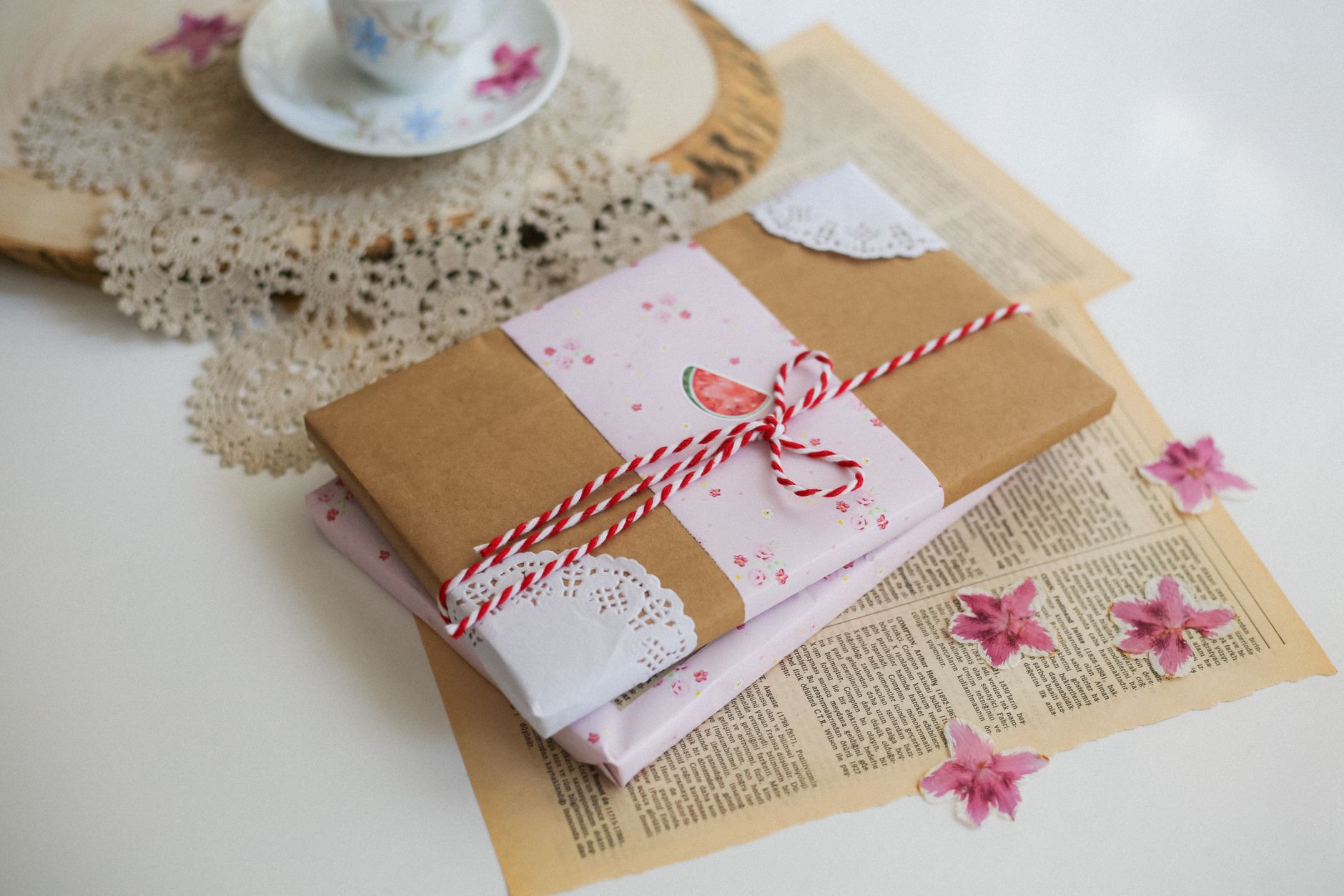
You unwrap a gift in Japan and the paper itself feels like part of the present.
The Art Hidden in Plain Sight
Walk through any Japanese department store and you'll notice something unusual: the wrapping counter is as busy as the checkout. Customers wait patiently while staff fold, crease, and tie with the precision of origami masters. The paper corners align perfectly. The ribbon falls at exactly the right angle. Nothing is taped haphazardly or stuffed into a bag.
This isn't just good customer service. It's tsutsumi — the centuries-old practice of wrapping as an act of respect. The word itself shares roots with "tsutsushimi," meaning care and courtesy. When you wrap something beautifully, you're not decorating an object. You're honoring the relationship between giver and receiver.
Cloth Before Paper
Long before decorative paper existed, Japanese merchants and travelers used furoshiki — square cloths that could wrap virtually anything. A bottle of sake. A stack of lacquerware bowls. Someone's lunch. The cloth transformed to fit the object, tied with elegant knots that held firm but released with a single pull.
Furoshiki wasn't just practical. The choice of fabric communicated meaning. Silk for formal gifts. Cotton for everyday use. Certain patterns for celebrations, others for condolences. The wrapping spoke before the gift was even opened.
The cloth you choose tells a story before a single word is exchanged.
These wrapping cloths are experiencing a quiet renaissance today, adopted by people seeking alternatives to disposable paper. But their original purpose was never about waste reduction — it was about intentionality. Taking time. Making the mundane ceremonial.
When the Container Becomes the Gift
Japanese aesthetics have always blurred the line between container and contents. Tea caddies are treasured as much as the tea. Bento boxes become heirlooms. The paulownia wood box that protects a ceramic piece is carefully preserved, stamped with the maker's seal, sometimes worth nearly as much as what's inside.
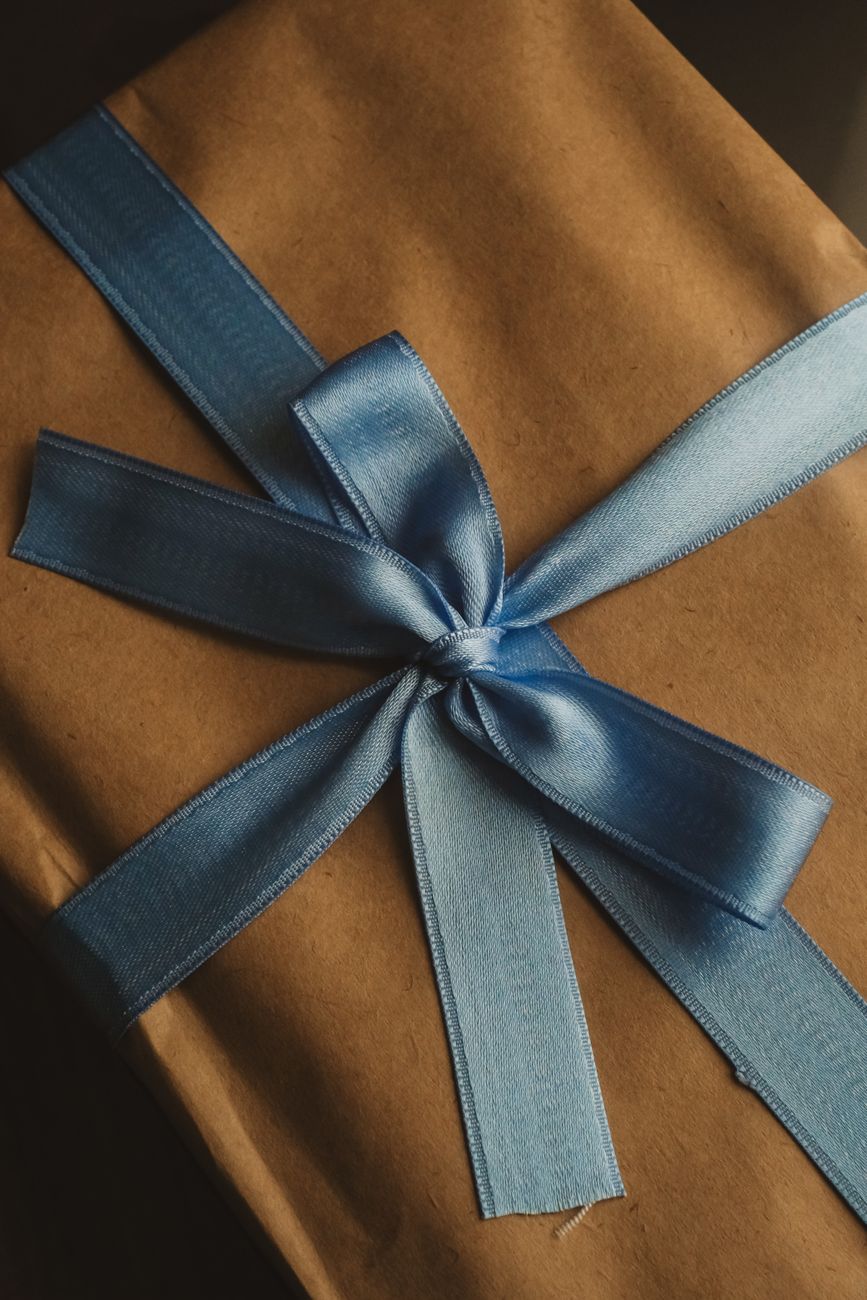
This philosophy extends to everyday wrapping. Department stores offer dozens of paper choices — subtle patterns, textured finishes, seasonal motifs. Staff train for months to master the folds. Corners must be crisp. Tape, if used at all, stays hidden. The goal isn't Instagram-worthy decoration. It's seamlessness. Quiet perfection.
Watch someone wrap a gift at a Japanese counter and you'll see no wasted movement. Every fold serves a purpose. The paper amount is calculated precisely — never too much, creating bulk, or too little, leaving gaps. It's geometry and grace in equal measure.
What Wrapping Really Means
In a culture where direct emotional expression can feel uncomfortable, wrapping becomes a language. The care you take with the outside reveals the care you hold inside. A beautifully wrapped gift says: I thought about you. I made time. You matter.
This extends beyond gifts. Rice balls wrapped in crisp nori. Sweets enclosed in delicate paper. Even the way a shopkeeper places your purchase in a bag, folded item facing up, handles positioned for easy carrying. These aren't random courtesies. They're expressions of omotenashi — hospitality that anticipates needs before they're spoken.
The beauty isn't meant to dazzle. It's meant to comfort, to create a moment of pause before the reveal. The wrapping slows you down, builds anticipation, transforms receiving into a small ceremony rather than a transaction.
---
The paper falls away and something shifts — not just the unveiling of a gift, but the quiet recognition that someone took time to make this moment beautiful.
FAQ
Chaware curates authentic Japanese crafts — straight from the makers in Japan to your table.
Explore the Chaware collection →