Why Japanese Homes Use Slippers on Wooden Floors — And Special Ones for the Toilet
On this page
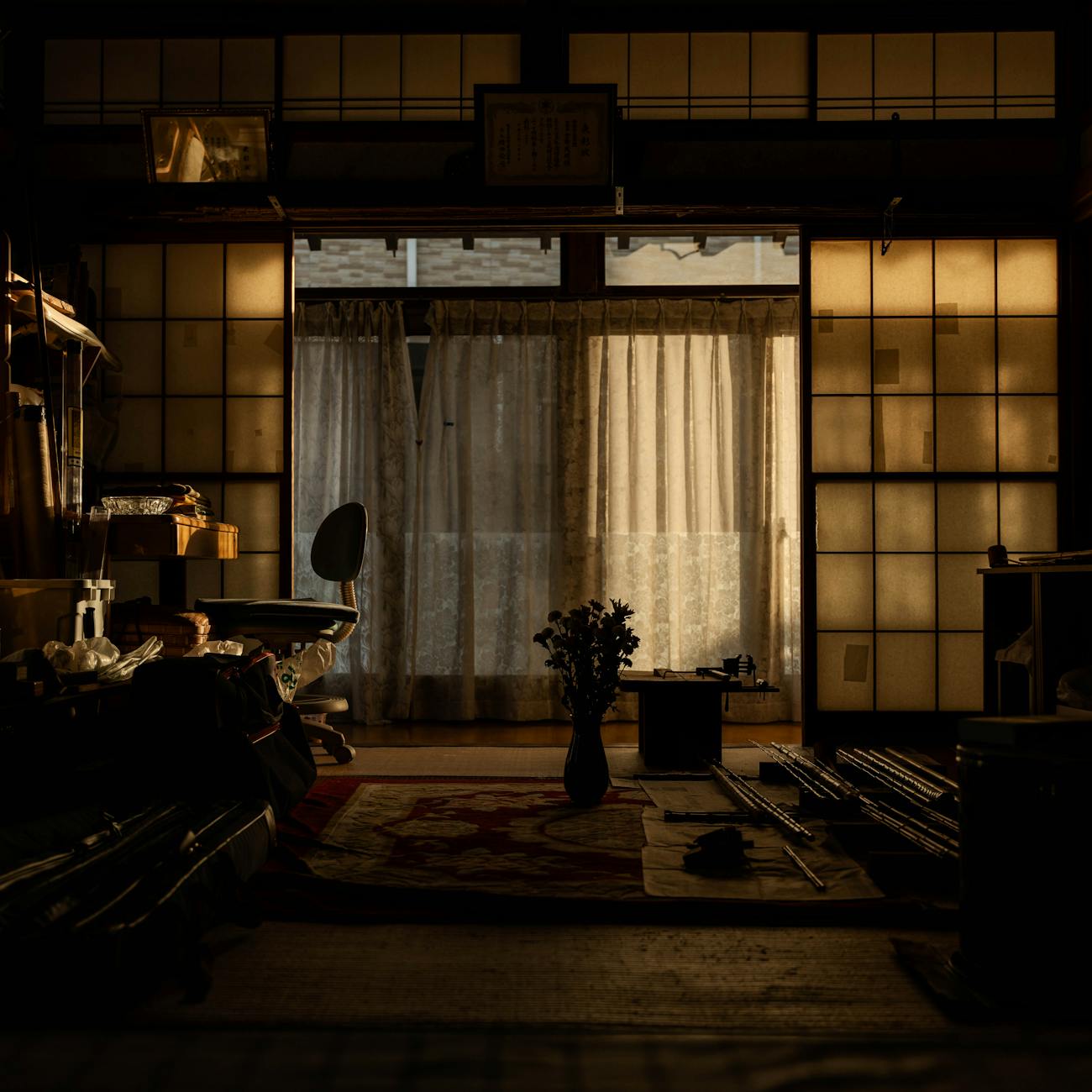
You step into a Japanese home, slip off your shoes, and pad across the tatami in house slippers. Then you open the bathroom door—and there's another pair waiting for you.
The Line You Don't Cross
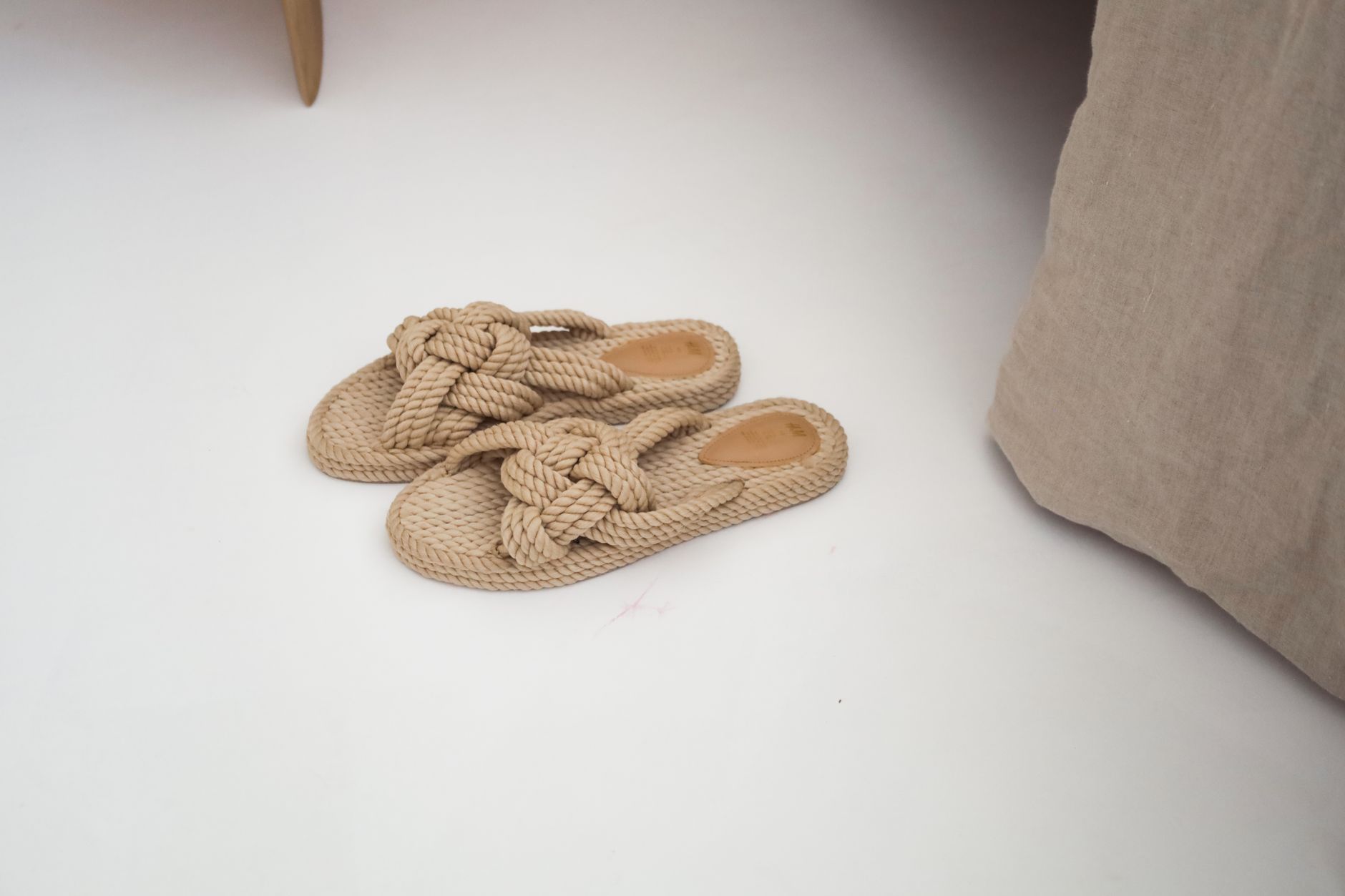
In Japan, the toilet gets its own slippers. Always.
They sit just inside the bathroom door, toes pointed out, ready for you to step into. You wear them while you're in that room, then step out of them the moment you leave. No exceptions. It's not about cleanliness in the Western sense—it's about kegare, a Shinto concept that separates the pure from the impure. The toilet, no matter how spotless, occupies a different spiritual zone than the rest of the home. Crossing that threshold in your regular house slippers would drag that boundary into the living space.
The system is elegant in its simplicity. One pair for the home. One pair for the toilet. Never shall they meet.

What Happens When You Forget
First-time visitors often make the mistake. They use the bathroom, then wander back into the living room still wearing the plastic toilet slippers—usually emblazoned with cheerful flowers or cartoon characters, as if to soften their humble purpose.
The horror is quiet but absolute.
In a culture where floors are living spaces—where children play, where futons unfold, where life happens at ground level—what touches the floor matters deeply.
Your host will gently point it out, or sometimes a more observant guest will catch your eye. You'll glance down, realize your error, and shuffle back with burning cheeks. It's a small transgression, easily forgiven, but it reveals how fundamentally different the Japanese relationship with domestic space really is.
The Architecture of Separation
Japanese homes are built in layers of separation. Genkan (entryway) from home. Home from bathroom. Sometimes even different slippers for different floors—uwabaki for the main house, separate ones for a detached toilet, yet another pair if you step onto a balcony.
Each boundary is marked by a physical threshold you can see and feel. You don't need signs. Your body knows when to pause, look down, and switch.
This isn't about paranoia. It's about intentionality. When you change your slippers, you're acknowledging that you're entering a space with a different function, a different energy. The act itself becomes a small ritual of mindfulness—a reset button built into the architecture.
Why Slippers at All
Before slippers, there were geta and zori—wooden sandals that clacked across stone. But modern Japanese homes, with their polished wood and tatami, called for something softer. Slippers emerged as a practical solution when Western-style flooring became common, protecting both feet and floors.
But they also solved a cultural puzzle. How do you maintain the sacred separation between outside and inside when your home has wooden hallways instead of raised tatami rooms? Slippers became the new boundary markers, portable thresholds you carry with you.
The toilet slippers are simply the innermost ring of that system—the final frontier of domestic order.
The Logic That Lives in Your Feet
Once you've lived with the system, it stops feeling fussy. It starts feeling obvious.
Your feet learn the rhythm. You don't think about it anymore—you just pause, switch, continue. The boundaries become second nature, written into muscle memory. And when you visit a home without toilet slippers, something feels subtly wrong, like a sentence missing its period.
It's order made visible, rendered in plastic and foam.
FAQ
Chaware curates authentic Japanese crafts — straight from the makers in Japan to your table.
Explore the Chaware collection →