Why Japanese People Bow So Often: The Meaning Behind Japan's Greeting Culture
On this page
You see it everywhere in Japan—at train stations, in department stores, on the phone when no one can even see them. The bow. Again and again and again.
A language spoken without words
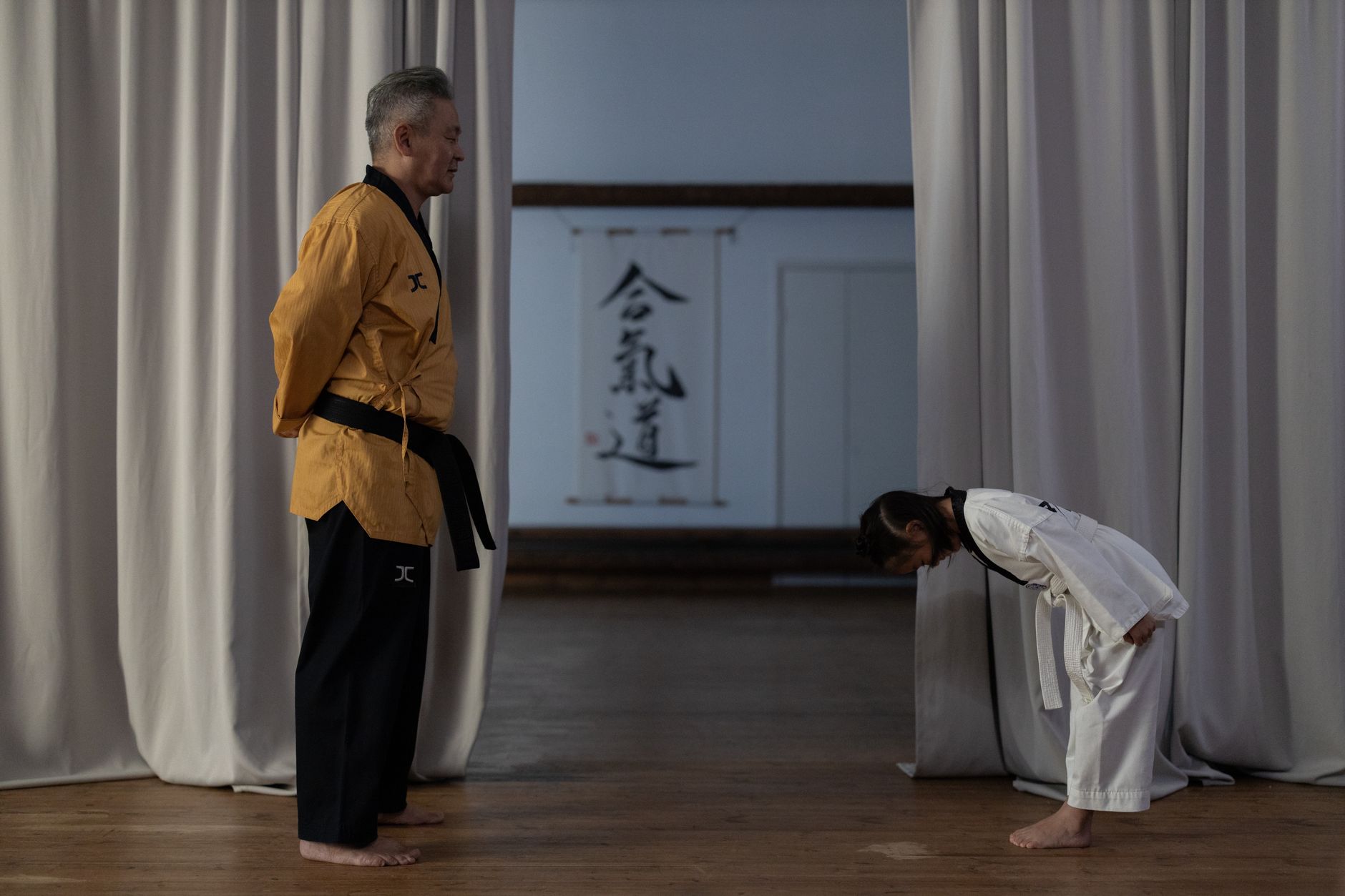
In Japan, the bow is not just a greeting. It's punctuation in a conversation, an apology, a thank you, a farewell, and sometimes all of these at once. Westerners shake hands to establish connection; Japanese people bow to acknowledge it. The gesture—called ojigi—carries an entire vocabulary of meaning depending on its depth, duration, and context.
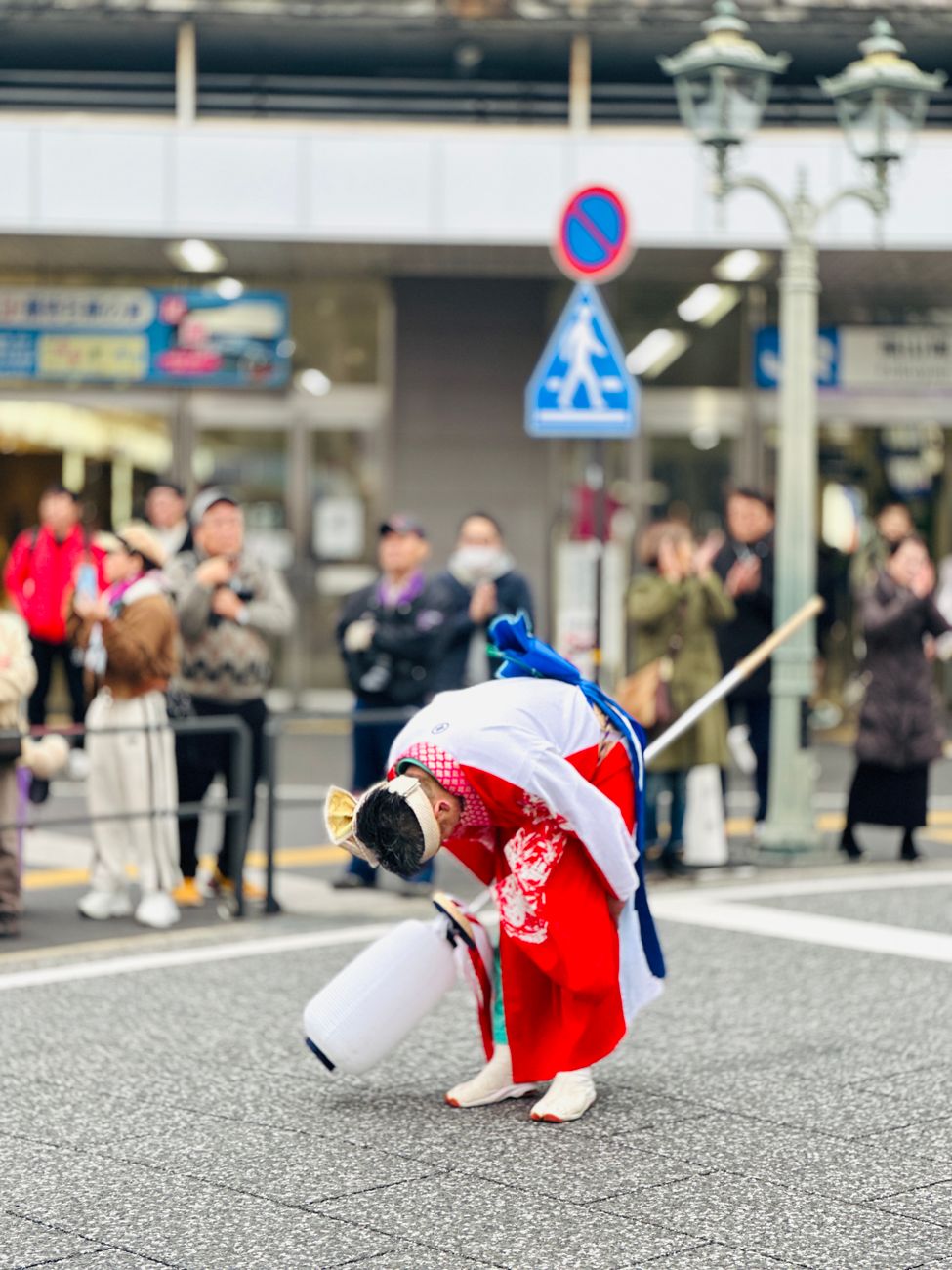
A quick 15-degree nod while passing a neighbor. A deeper 30-degree bow when meeting a client. A full 45-degree bend, held for a beat longer, when expressing sincere gratitude or deep apology. Your body becomes the message.
Hierarchy made visible
Japanese society has historically been shaped by Confucian ideas about social order and respect for one's place within it. The bow makes these invisible relationships visible. When two people meet, they're not just saying hello—they're quietly negotiating status, showing mutual respect, and reaffirming social harmony.
This doesn't mean Japanese people are constantly calculating angles and degrees. Most of it happens instinctively, absorbed from childhood. You bow to your teacher, your boss, your elders. They bow back, but perhaps not as deeply. It's a physical manifestation of tate shakai—vertical society—where awareness of hierarchy keeps interactions smooth and predictable.
The bow is not submission; it's the oil that keeps millions of people moving through crowded cities without friction.
More than manners—it's consideration
But hierarchy alone doesn't explain why a shopkeeper bows to customers she'll never see again, or why someone bows while talking on the phone to a person who can't see them. This is where the concept of omotenashi—wholehearted hospitality—comes in.
The bow expresses something deeper: an acknowledgment that your presence matters. That this interaction, however brief, deserves attention and respect. In a culture where causing inconvenience to others is one of the worst social missteps, the bow is a way of saying I see you, I respect your space, I appreciate this moment.
When visitors bow back
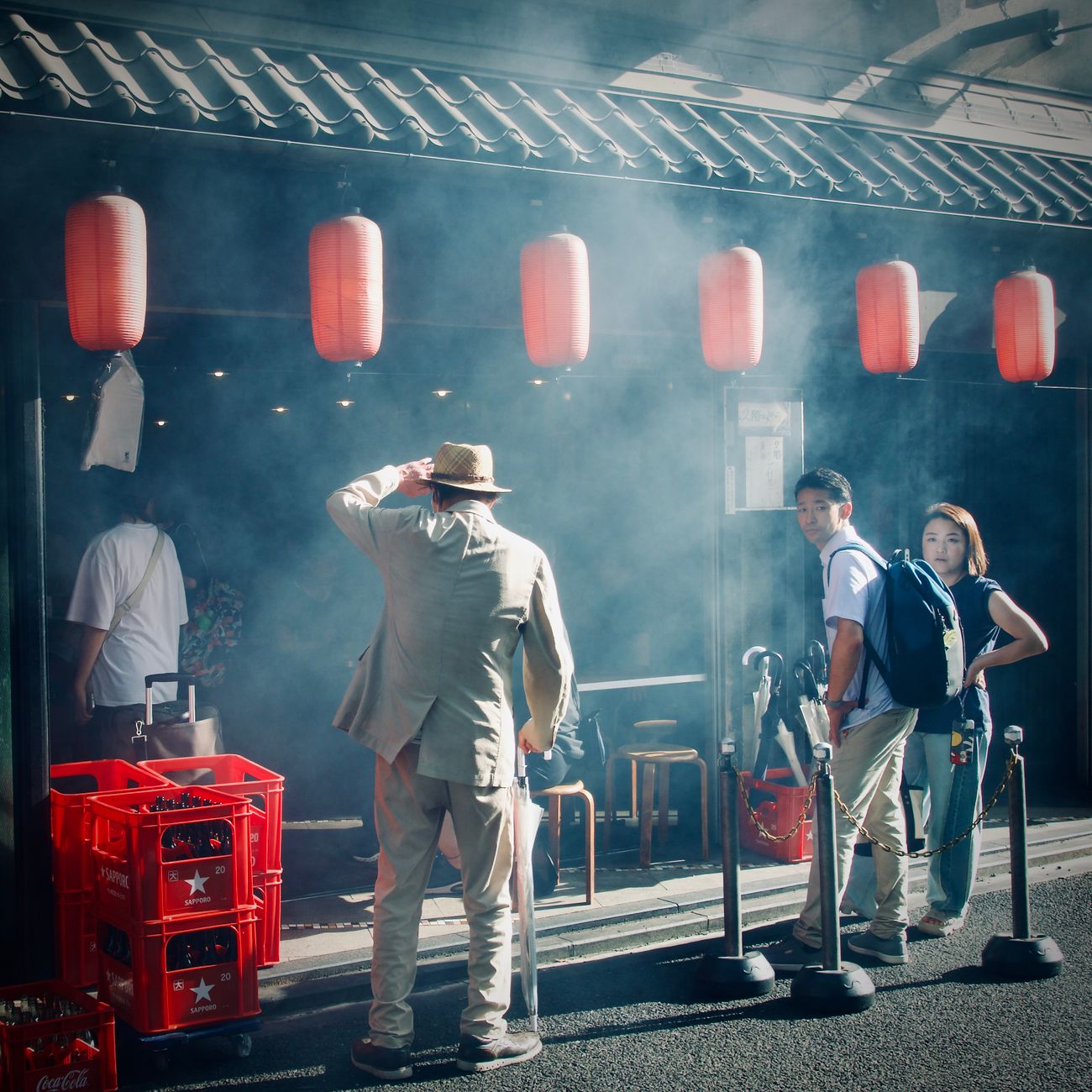
If you visit Japan, you'll probably find yourself bowing without thinking about it. Don't worry about perfect angles or counting seconds. A slight nod with sincerity beats a technically correct bow performed mechanically.
What matters is the spirit: you're participating in a centuries-old choreography of mutual respect. You're acknowledging that you share space with others, and that this shared space requires care.
And yes, you'll probably catch yourself bowing while on the phone too, eventually. The gesture becomes contagious. Not because you're mimicking, but because you're beginning to feel what it expresses—a quiet recognition that even small human exchanges deserve grace.
Watch someone bow in Japan long enough, and you realize it's not about submission or formality. It's about making respect visible, moment by moment, all day long.
FAQ
Chaware curates authentic Japanese crafts — straight from the makers in Japan to your table.
Explore the Chaware collection →